Written by: Nuno Leiria, Founder & CEO @ Nilo
Key Takeaways for You as a 3D Creator
- Prompt-only AI game makers like Astrocade help you spin up quick, shareable prototypes but hit limits once you want deeper 3D control or custom logic.
- Real 3D game creation needs direct asset editing, visible code, and export controls that pure prompt systems rarely give you.
- If you build for Roblox, you need polygon-friendly assets and FBX/glTF exports that respect Roblox’s performance rules.
- Hybrid tools that mix AI generation with hands-on editing let you iterate faster and actually learn game-development skills you can reuse.
- Start building in Nilo’s browser-based editor with one-click Roblox export.
The Ceiling of Prompt-Only Game Tools for Builders Like You
Prompt-only game creation feels magical at first: you describe what you want and get something playable. No Blender, no Lua scripting, no long tutorial grind. Once you move past that first demo, you start to feel a hard ceiling.
Industry analysis from 2026 puts it plainly: “AI game generators in 2026 are a brilliant answer to ‘show me something playable now’ and the wrong answer to ‘help me finish my game.’ The first 10 minutes are magic, the last 90% of the work is still yours.”
The core friction is iteration depth. You try to change how a character moves, adjust a collision, or clean up a texture. Prompt-only systems often regenerate everything from scratch or hide the controls you actually need. Some no-code AI tools act like a “wall” that blocks code editing and keep you stuck in chat. That makes your first session simple but traps you as soon as you want behavior the system cannot express through prompts alone.
For Roblox builders like you, this problem hits even harder. Roblox enforces strict performance limits, around 10,000–20,000 triangles per mesh and 1024×1024 textures, which means assets that look fine in a browser preview can break entirely on import. This becomes a critical problem because prompt-only tools rarely account for these constraints at the export stage, so you only discover the issue after you already spent time generating assets.
The broader group of AI-assisted, browser-based 3D tools sits between heavy desktop engines like Roblox Studio, Unity, and Blender, which are powerful but hard to learn, and pure prompt-to-game generators, which are fast but shallow. The most useful tools in 2026 combine AI generation with direct editing controls so you stay in creative flow without hitting that ceiling.
See how Nilo combines AI generation with hands-on editing — free to start.
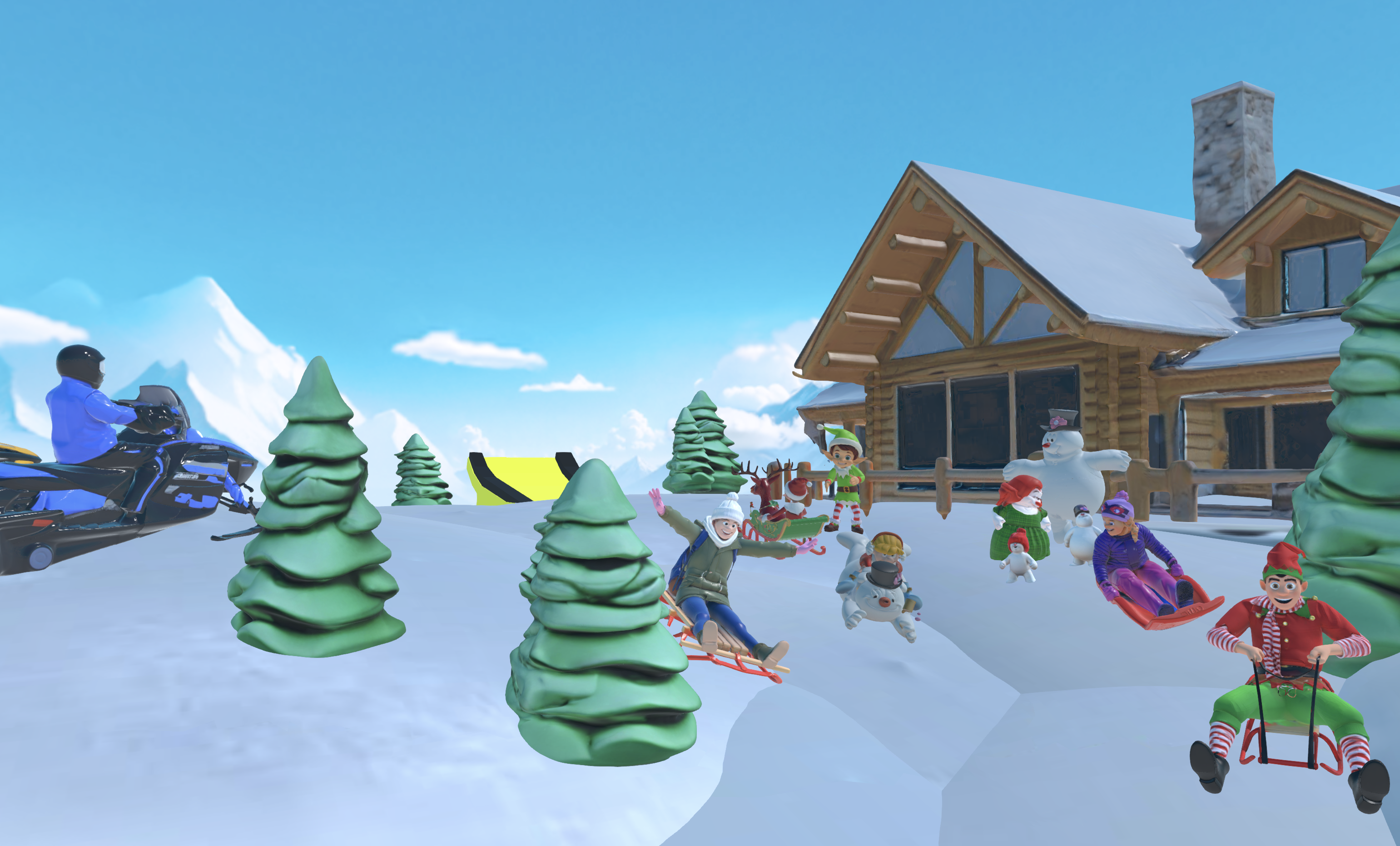
Astrocade AI Explained for Modern Builders
Search results for “Astrocade” show two very different things. The original Bally Astrocade was a 1970s home video game console with a small but loyal retro community. The modern Astrocade AI is a separate product, a prompt-to-game web app that has no connection to the vintage hardware.
The modern Astrocade AI runs in your browser and generates casual, shareable games from text prompts. It focuses on “fun in 60 seconds”, so you get social, remix-style games instead of deep 3D worlds. It is a legitimate product because it does what it says, and that “as described” scope matters.
Unity’s 2026 guidance treats AI prompt-to-game tools like Astrocade as great for impressive demos and quick prototypes, not for full commercial projects. That description fits the category. If your goal is a shareable 60-second game, Astrocade can deliver that. If your goal is a polished 3D Roblox experience with custom assets, rigged characters, and working logic, the underlying design of the tool starts to work against you.
Documented limits for 3D game creation include shallow output depth, no hands-on asset editing environment, very limited iteration controls beyond re-prompting, and no Roblox-optimized export pipeline.
Astrocade Pricing and Free Tier Trade-offs
Astrocade offers a free tier for basic game generation. Paid features usually unlock higher generation quality, more game slots, and extra customization options. The exact tiers can change, so you should check the Astrocade website for current pricing.
The free tier follows a common pattern for prompt-to-game tools. You get enough access to explore the idea, but output quality and iteration depth stay capped. Free tiers across no-code game makers in 2026 often restrict exports, project complexity, or commercial use, so taking a moment to map what you actually need before upgrading saves you frustration.
For comparison, Nilo’s free Starter tier includes 1,000 Nilo Bits (the platform’s generation credits) each month, and many core building features do not use Bits at all. You get real access to asset generation, cleanup, rigging, and Roblox export without a paywall blocking the main workflow.
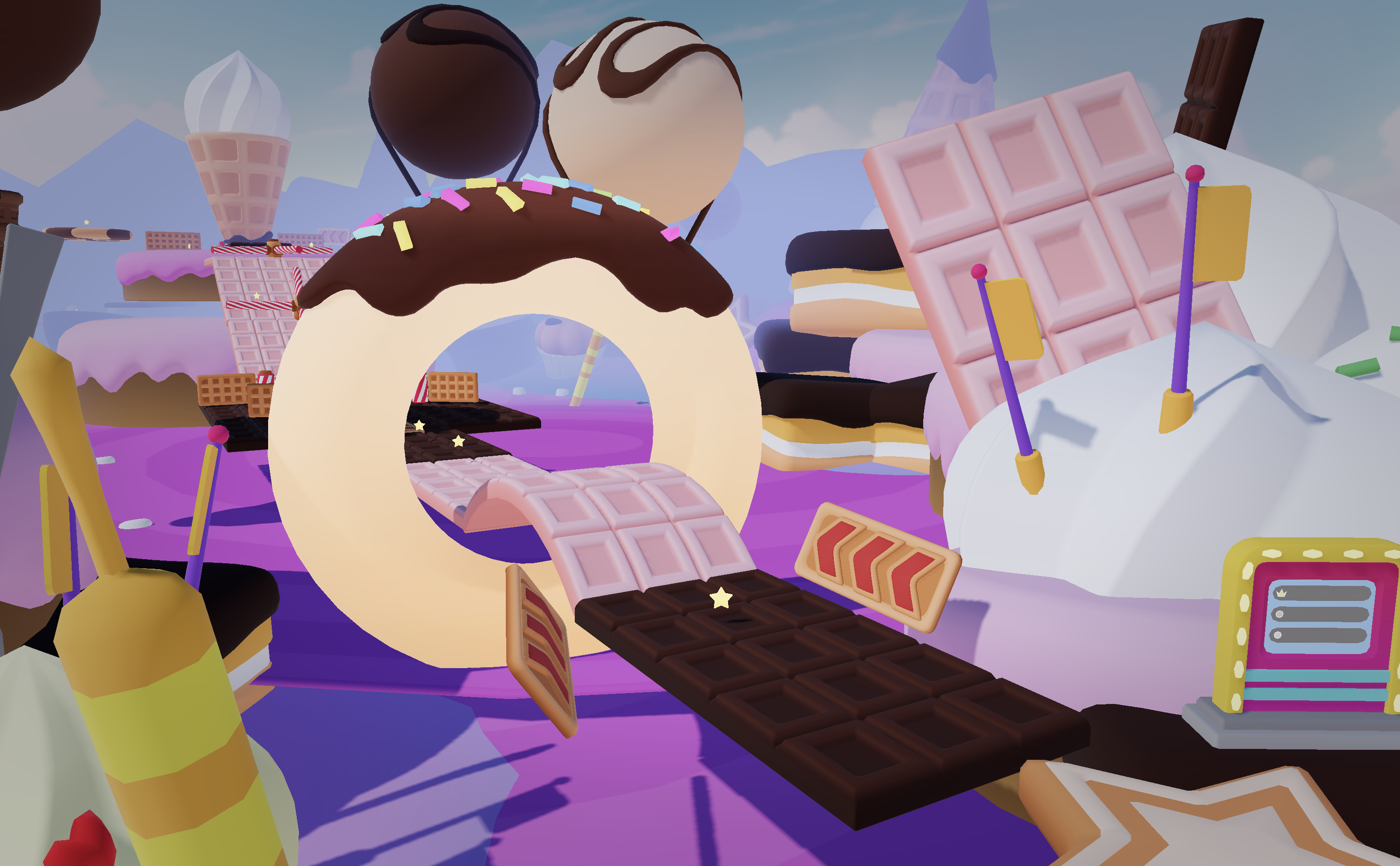
Can Astrocade Power Real 3D Games? Key Capabilities
This breakdown shows you how to evaluate Astrocade, and any AI-assisted 3D tool, across the capabilities that matter for real game creation.
Capability Comparison Across Tool Types
| Capability | Prompt-Only Tools (e.g., Astrocade) | Hybrid AI + Editing Tools | Traditional Desktop Engines (e.g., Roblox Studio, Blender) |
|---|---|---|---|
| 3D Asset Generation | Limited, mostly 2D or pre-made 3D assets assembled into scenes | Text-to-3D, sketch-to-3D, multi-model provider switching | Manual modeling, no AI generation built in |
| Asset Refinement | Re-prompt only, no direct mesh editing | Real-time retopology (mesh cleanup), LOD slider, direct property editing | Full manual control, steep learning curve |
| Game Logic / Coding | Auto-generated, no access to underlying code | Natural language code editor where you tell the AI what you want and see changes live in 3D | Full scripting (Lua, C#, etc.), requires coding knowledge |
| Roblox Export | Not supported | FBX/OBJ/glTF with automatic LOD optimization for Roblox’s polygon caps | Supported but needs manual retopology and optimization |
| Collaboration | Sharing and remixing through a social platform | Real-time multiplayer building through a shared link | File-based, no real-time co-creation |
| Browser-Based | Yes | Yes (WebAssembly and WebGPU, no install) | No (desktop install required) |
3D Asset Generation and Cleanup
Mature prompt-to-game generators in 2026 stay mostly 2D-first. Their 3D output usually assembles pre-made assets into a static scene instead of generating a fully playable 3D game with cameras, controllers, and collision. Astrocade follows this pattern.
Refinement is where prompt-only tools struggle most. AI-generated 3D models often break in high-detail areas like hands and faces, so they need cleanup after generation. Without direct editing controls, you can only re-prompt and hope for a better roll, which many builders call the “AI lottery.”
Natural Language Logic and Its Limits
Astrocade generates game logic automatically from your prompts, which works for simple mechanics. The problem appears when prompt-only tools hit a ceiling as soon as you ask for behavior the generator cannot express. You cannot push further because the tool hides the code and blocks custom logic.
World Building Inside the 3D Space
Astrocade can produce shareable environments quickly. You still work with whatever the AI decides to generate instead of placing objects yourself inside a 3D world. If you want to drag props around, adjust layouts, and see changes live, this lack of spatial building becomes a serious limit.
Performance and Optimization Constraints
The polygon caps mentioned earlier are non-negotiable, and prompt-only tools do not handle these constraints at export. Browser-based engines that use WebAssembly and WebGPU can support real-time level of detail (LOD) to adjust polygon counts automatically. That behavior requires a real game engine underneath, not just a thin generation layer.
Collaboration Features
Astrocade lets you publish, share, and remix games through its social feed and platform tools. You still do not build together live in the same 3D space.
Export and Engine Interoperability
Astrocade games live in the browser and are not built for export to Roblox Studio, Unity, or other engines. Rosebud AI, a similar tool, generates playable HTML5 browser games but only outputs a web page, so you cannot import a project file into a full engine for deeper work. Astrocade follows a similar pattern.
Practical Evaluation Checklist for Your Next Tool
Before you commit to any AI-assisted 3D tool, walk through these questions:
- Can you edit assets directly, or can you only re-prompt?
- Does the tool export to Roblox-friendly formats (FBX, OBJ, glTF) with automatic polygon cleanup?
- Can you see and adjust the game logic, or does the AI hide it?
- Does everything run in the browser without installation?
- Can you build with friends in real time, not just share finished games?
- Does the tool teach you real concepts like rigging, LOD, and mesh topology, or does it hide all of that?
Try Nilo’s evaluation checklist yourself: build, optimize, and export to Roblox in one session.
How to Evaluate AI-Assisted 3D Creation Tools
When you compare tools, these six criteria tell you more than any long feature list.
Onboarding ease. You should be able to create something real in your first session without a tutorial. Prompt-only tools usually feel smooth here. Tools with direct editing controls may feel slightly heavier at the start but pay off once you want to iterate.
Output quality. You need assets that actually work in your target platform. Multi-view reference images improve proportion accuracy in AI 3D generation compared to text-only prompts. Tools that accept sketches and images alongside text give you more control over quality from the beginning.
Export compatibility. If you build for Roblox, check whether the tool exports clean FBX or glTF files with polygon counts that respect Roblox’s caps. Manual retopology in Blender can add more than 30 minutes per asset, which is time you could spend building your world.
Performance limits. Multiplayer networking, complex AI behaviors, and heavy 3D optimization still stay hard to implement reliably through pure no-code or AI prompts. You should know what a tool cannot do before you base a big project on it.
Collaboration needs. If you want to build with friends, check whether the tool supports real-time co-creation or only sharing a finished result.
Learning value. The most helpful tools teach you real game development concepts while you use them, like rigging, LOD, and mesh topology. Tools that hide everything leave you dependent on the AI with no skills you can carry into other engines.
How you weight these six criteria depends on where you are in your building journey and what platform you care about most. Here is how to prioritize them.
For first-time creators: Focus on onboarding ease and browser access. Prompt-only tools work well for a first experiment. Move to a hybrid tool once you feel ready to iterate and refine.
For Roblox-focused builders: Treat export compatibility and polygon optimization as non-negotiable. Nilo stands out here with its built-in LOD system and one-click Roblox export that meets Roblox’s performance caps, so you avoid a Blender detour.
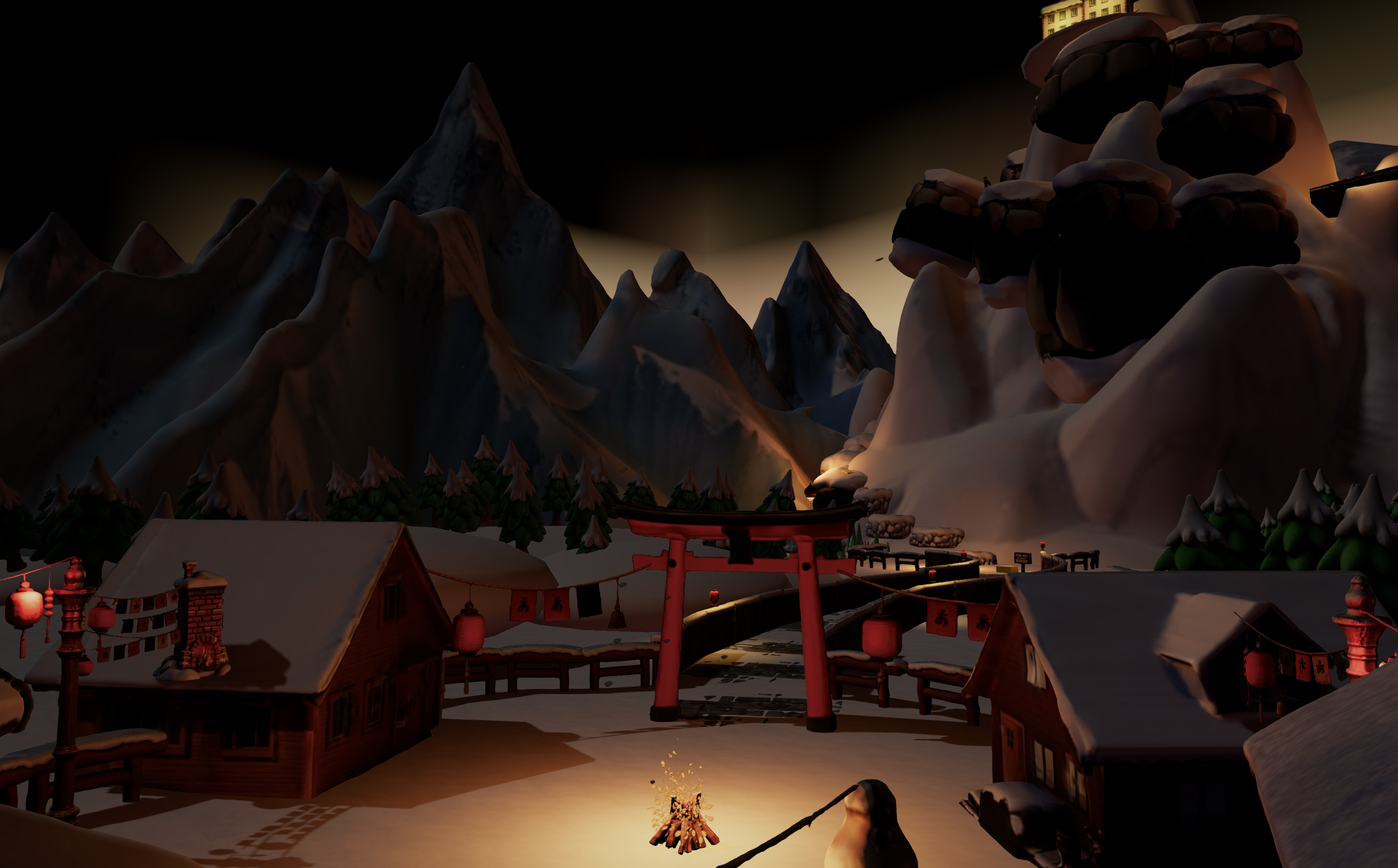
For collaborative teams: Real-time co-creation matters. Look for tools that let several builders work in the same world at once through a shared link, not just pass around a finished game.
Frequently Asked Questions
What is Astrocade?
The modern Astrocade AI is a browser-based prompt-to-game tool that generates casual, shareable games from text descriptions. It has no link to the 1970s Bally Astrocade console. The app focuses on quick, social game creation instead of deep 3D development, and it works best for simple playable prototypes instead of polished, export-ready 3D games.
Is Astrocade AI legit?
Astrocade is a real product that does what it describes, generating shareable games from prompts in the browser. The key question is whether it matches your goals. If you want a quick, casual game to share with friends, it fits that use case. If you want to build a 3D Roblox experience with custom assets, rigged characters, and working game logic, the prompt-only design will limit you early.
Is Astrocade free?
Astrocade offers a free tier for basic game generation. Paid tiers unlock higher output quality and more features. The free tier is enough to test the tool, but deeper iteration and higher-quality outputs usually require a paid plan. You should always check current pricing on Astrocade’s website because tiers change.
Is there a free AI game builder without coding?
Several options exist, and the right one depends on what you want to build. Prompt-only tools like Astrocade and Rosebud AI generate browser games from text with no coding, but they stop at simple prototypes. Nilo stands out if you want to go further. It runs in the browser, gives you a natural language code editor where you tell the AI what you want and see editable code, supports AI-powered 3D asset generation, lets you rig and animate with one click, and exports directly to Roblox, all free to start on Nilo’s Starter tier. According to Nilo’s February 2026 Survey, 93% of builders said they would recommend Nilo to a friend, and 72% said it makes their creative process easier by “a lot.”
What should I look for in an AI game builder if I want to create Roblox assets?
Focus on four things. You need export format compatibility with FBX, OBJ, or glTF. You need automatic polygon cleanup that respects Roblox’s triangle caps. You need direct asset editing controls so you are not stuck re-prompting. You also benefit from browser-based access so you can build without installing anything. Tools that support real-time rigging and animation save serious time compared to juggling several separate apps. Nilo’s February 2026 Survey found builders saying they can create assets “20 times faster” than with previous tools, with one builder explaining: “I do not have to spend hours on 3D modeling the simplest things. Now I can use Nilo and do it in 15 seconds.”
Conclusion: Match Your Tool to Your 3D Goals
Astrocade is a real tool that delivers on its promise of fast, shareable, casual games from a text prompt. That use case is valid. If you feel ready to move past prompt-only creation and want real 3D depth, custom assets, and Roblox-ready exports, the same design that makes Astrocade simple starts to hold you back.
The pattern across prompt-to-game tools in 2026 stays consistent. You get an impressive first 10 minutes, then hit hard limits. Builders who ship real projects choose tools that mix AI speed with direct creative control so they can iterate, refine, and export without starting from zero each time.
Nilo stands out for Roblox builders who feel they have outgrown prompt-only tools. It runs fully in the browser with no downloads, generates 3D assets from text, sketches, or images, cleans up polygon counts for Roblox’s strict performance rules, and lets you rig and animate characters with one click. The natural language code editor lets you add game logic by telling the AI what you want and seeing it work live in your 3D world. You can also build with friends in real time by sharing a link. Survey respondents consistently highlighted this balance between AI assistance and direct control: “I like how it feels like a good game engine rather than a vibe coding tool, with easy building and a good focus on being able to export and import content.”
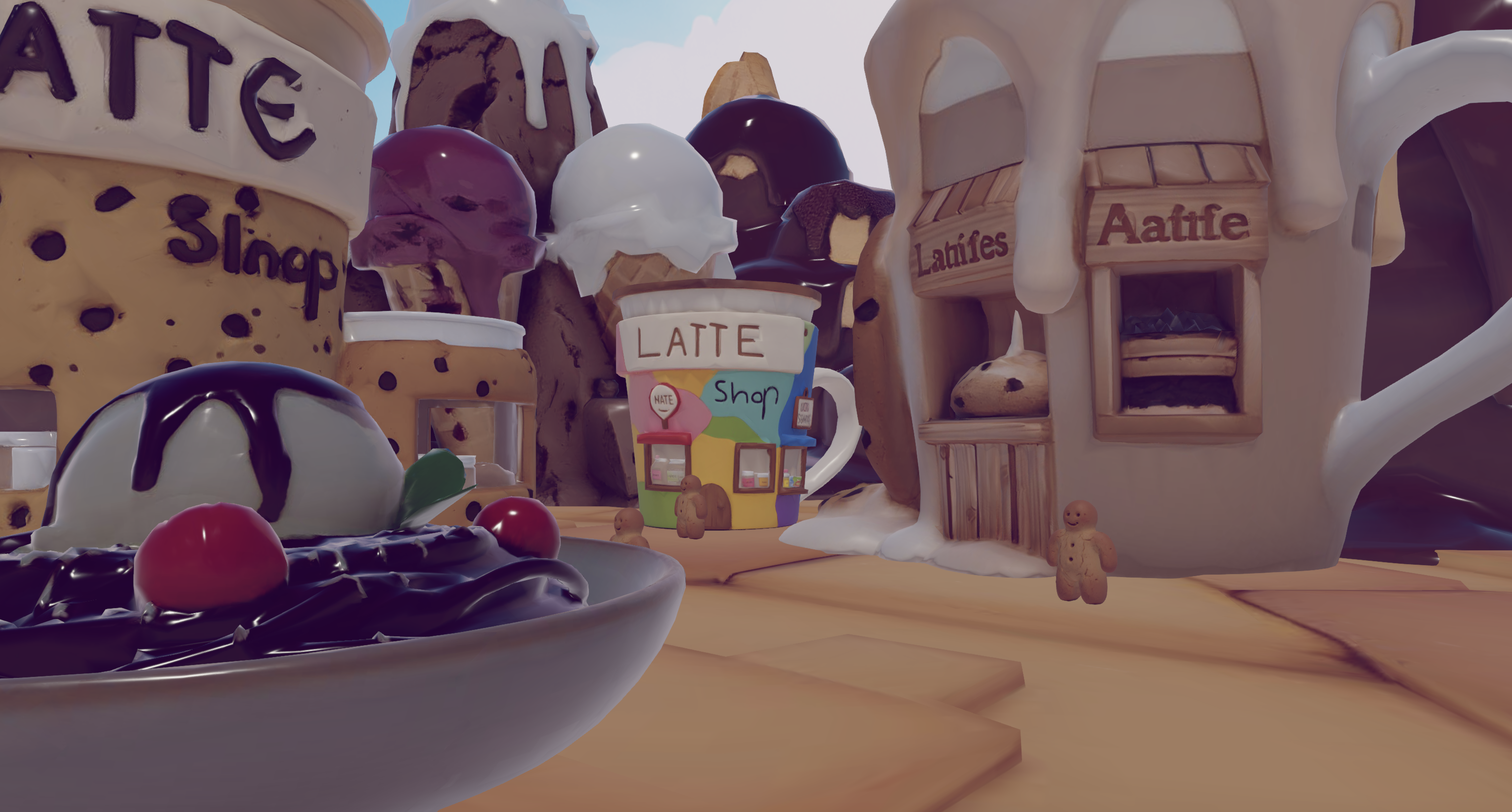
The right tool depends on your goals. Prompt-only tools work if you want a 60-second shareable game. If you want to build something you feel proud of and actually finish it, you need hands-on control.
See how Nilo feels in your browser and start building for free.