Written by: Nuno Leiria, Founder & CEO @ Nilo
Key Takeaways for Retro Fans and New Builders
- The Bally Astrocade shipped with stronger hardware on paper but lost to the Atari 2600 because it arrived late, reached fewer stores, and never built a big game library.
- Raw specs cannot beat timing, price, and developer support. Ecosystems decide which console wins your living room.
- The Astrocade’s pistol-grip controller and higher price added friction, while the Atari 2600 stayed simple, cheap, and easy to understand.
- Today, the Astrocade is rare and pricey for collectors. The Atari 2600 gives you a cheaper way into retro gaming with lots of games and easy repairs.
- Start building in Nilo’s open beta to create games without the distribution, tooling, and cost barriers that crushed the Astrocade.
Astrocade vs Atari 2600 Specs Side by Side
| Spec | Atari 2600 (1977) | Bally Astrocade (1978) |
|---|---|---|
| CPU | MOS 6507 @ 1.19 MHz | Zilog Z80 @ 1.789 MHz |
| RAM | 128 bytes | 4 KB (shared) |
| Resolution | 160×192 | 160×102 (160×88 in basic mode) |
| Color Palette | 128 colors (NTSC) | 256-color palette, 8 on screen at once (4 left and 4 right of the horizontal color boundary) |
| Sound Channels | 2 (TIA chip) | 3 (oscillators) with noise mixing and hardware global vibrato |
| Controller Ports | 2 (DB9 joystick) | 4 (pistol-grip) |
| Cartridge / ROM | 2–32 KB (bank-switched) | 8 KB BIOS ROM + cartridges |
Note: The Atari 2600’s 160×192 figure describes its maximum addressable resolution, and many games used less. The Astrocade’s 160×102 resolution was its standard output, with a 160×88 mode for simpler graphics.
How Each Console Drew Graphics
The two systems drew images in very different ways, and that shaped how their games looked. The Atari 2600 used a technique called “racing the beam”, where its TIA chip generated the TV signal one horizontal line at a time with no framebuffer. Developers had to sync code exactly with the electron beam scanning across the screen, with about 76 CPU cycles available per line.
The Astrocade used a bitmapped display, a grid of dots in memory, plus a graphics processor called the Magic System that could stamp, stretch, flip, and rotate complex images directly on that bitmap. This setup allowed more detailed visuals using vertical interrupts and other tricks. The Astrocade also supported screen-splitting along the Y-axis for separate four-color palettes per half, and each horizontal line could use its own color from a 256-color palette, which doubled the Atari 2600’s 128-color NTSC palette.
In real games, Astrocade titles usually showed more detailed visuals than Atari 2600 games. The 2600 could sometimes look more colorful when developers pushed its scanline tricks in creative ways.
Controller Feel: Simple Stick vs Pistol Grip
Controller design changed how quickly someone could start playing. The Atari 2600 shipped with the CX40 joystick, a single-button stick that felt simple, tough, and familiar the moment you grabbed it. That simplicity lowered the learning curve for kids, parents, and anyone new to games.
The Astrocade’s pistol-grip controller tried to pack in more features. It included a trigger button and a top-mounted joystick that also worked as a paddle controller. The console shipped with four controller ports, so multiplayer support came built in.
The Astrocade controller offered more options on paper, but the extra complexity made it harder to pick up and play. That friction stacked on top of the system’s other problems and made it tougher for the console to win over families.
Game Libraries: Why Quantity Beat Specs
Game libraries decided which system stayed plugged into the TV. The Atari 2600 launched in 1977 and quickly attracted third-party developers. By the early 1980s, it had hundreds of titles across many genres, and strong arcade ports helped sell more consoles.
The Astrocade launched in 1978 with a small library and never built the third-party support it needed. The built-in 8 KB BIOS ROM gave developers helpful routines, but the community stayed small. Fewer games meant fewer reasons to buy the hardware, and that cycle never reversed.
Launch Timing, Price, and Store Presence
The Atari Video Computer System, later called the Atari 2600, launched on September 11, 1977, at $199 USD, roughly $1,020 in 2026 dollars. That price came with distribution through major department stores including Sears, which sold a Tele-Games branded version alongside Atari’s own units. Warner Communications placed the 2600 next to televisions, framing it as a home entertainment system for the whole family.
The Astrocade reached stores in April 1978, about a year later. By then, the Atari 2600 had already sold hundreds of thousands of units and had become the default home gaming system in many American homes.
Why the Astrocade Lost the Console War
The Astrocade fell behind because four problems stacked on top of each other and kept getting worse.
Late market entry gave the Atari 2600 time to grab retail shelf space, attention from players, and interest from developers. That head start made the next problem worse, because higher cost and narrower distribution meant fewer people even saw an Astrocade in stores while the 2600 appeared in every major department chain.
Limited visibility fed directly into software scarcity. Third-party developers focused on the console with the larger audience, so the Astrocade’s game library stayed small and gave buyers little reason to pick it over a system with hundreds of titles. Management and production delays compressed the already short window to compete, as discussed earlier, and the rights later moved to a third party that sold units into the mid 1980s without ever rebuilding momentum.
The Astrocade offered stronger hardware on paper. It still lost because hardware could not fix problems with timing, distribution, and game selection.
2026 Prices and Repair Tips for Collectors
| Console | Loose (2026) | Complete in Box (2026) | New / Sealed (2026) |
|---|---|---|---|
| Atari 2600 Light Sixer | ~$47.50 | ~$132.52 | ~$199.00 |
| Bally Astrocade | ~$181.12 | ~$705.01 | ~$1,410.00 |
The Atari 2600 is extremely durable, and many attic-stored units still work. The most common issues are corroded cartridge contacts, which you can clean with isopropyl alcohol, and worn controller switches. RF output connects to modern TVs with a simple adapter, and an upscaler can improve the image.
The Bally Astrocade is much rarer and sells roughly once per year in loose condition. A March 2026 eBay listing described a working unit with a keypad that needed replacement, and that keypad failure shows up often for collectors. If you buy one, plan for keypad restoration in your budget.
If you want to build your own games instead of only collecting them, you do not need either console. Skip the museum pieces and start creating your own games in Nilo for free.
Which Console Fits You in 2026
You can match each system to a different goal.
- Pick the Atari 2600 if you want an affordable, tough entry point into retro collecting with a huge game library and easy repairs. Loose units start around $47, games are everywhere, and the hardware rarely fails.
- Pick the Bally Astrocade if you are a serious collector who cares about rarity and technical history. Expect to pay $150–$700 or more depending on condition, plan for keypad repairs, and accept that the game library stays small.
- Pick neither if your real goal is learning how games are made and starting to create your own. Both systems now feel like museum pieces, and modern tools for builders like you remove the barriers that stopped the Astrocade.
How Nilo Clears the Same Roadblocks
The Astrocade failed because stronger hardware could not beat distribution friction, software scarcity, and the cost of getting started. Those same three problems still slow down aspiring builders like you today, just in new ways.
Distribution friction today looks like downloading Roblox Studio, installing Blender, configuring a game engine, and chaining tools together before you build anything. That setup burden creates a new kind of software scarcity, because you hit a wall the moment you need scripting knowledge you do not have and the tools assume expertise you have not built yet. Even when AI promises to help, cost friction appears as you spend hours in Blender cleaning up AI-generated assets instead of actually building, since the tools do not connect smoothly.
Nilo stands out as a platform built to remove those barriers. It runs in your browser with no downloads, no installs, and no need for high-end hardware. You can generate 3D characters, props, and environments from a text prompt, a sketch, or a reference image. You can rig and animate characters with one click. You can write game logic by talking or typing to the AI in your own language, and it turns that into working code with instant feedback in your 3D world. You can share your world with friends by sending a link so they can click, join, and start building or playing with you right away.
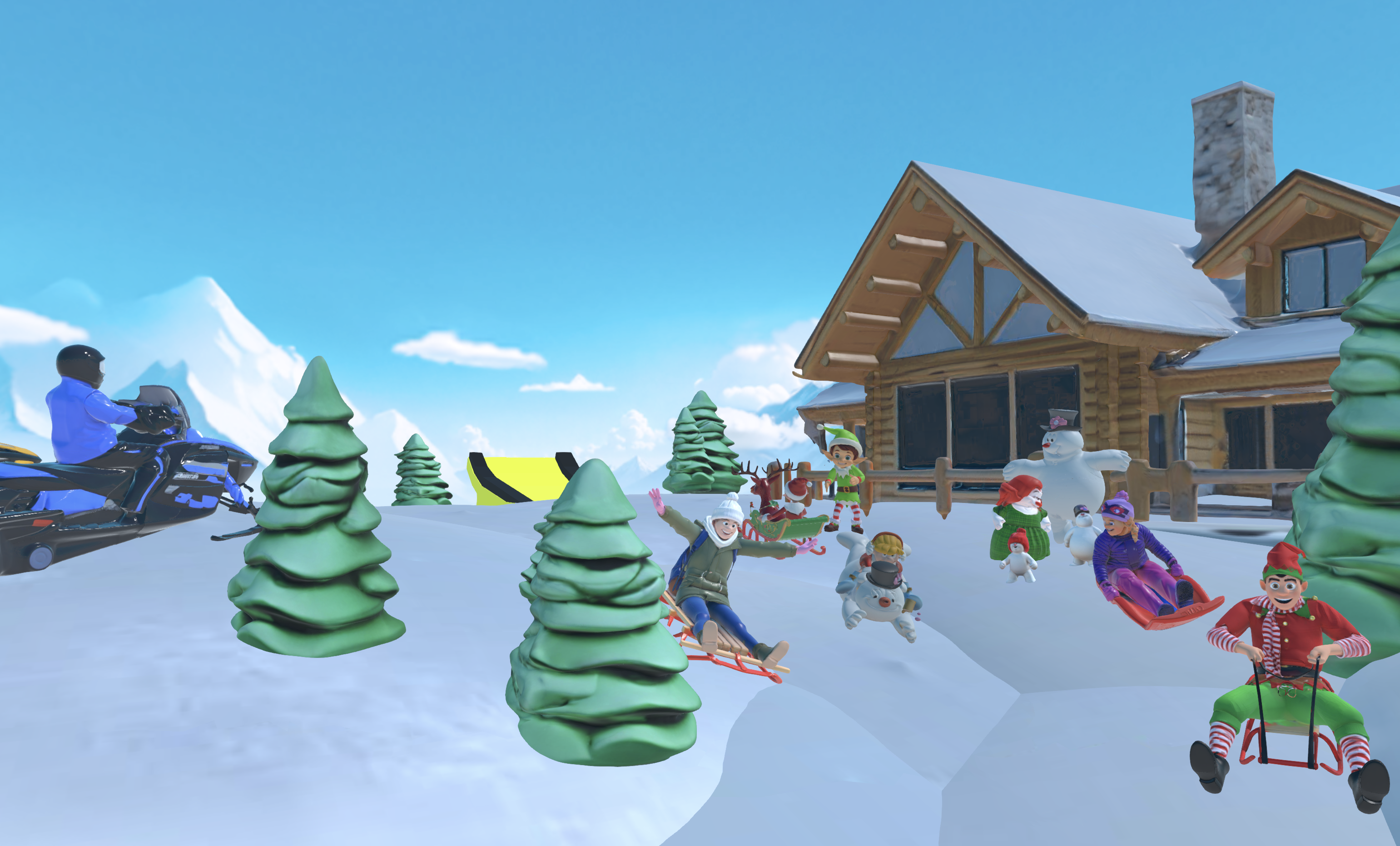
The Astrocade needed a retail shelf and a large third-party developer scene. Nilo needs only a browser tab. The Astrocade’s pistol-grip controller added complexity at the wrong time, while Nilo’s radial menu and AI co-pilot remove complexity at every step. In Nilo’s February 2026 survey, 93% of builders said they would recommend Nilo to a friend, and 82% rated their experience as “Awesome” or “Good.”
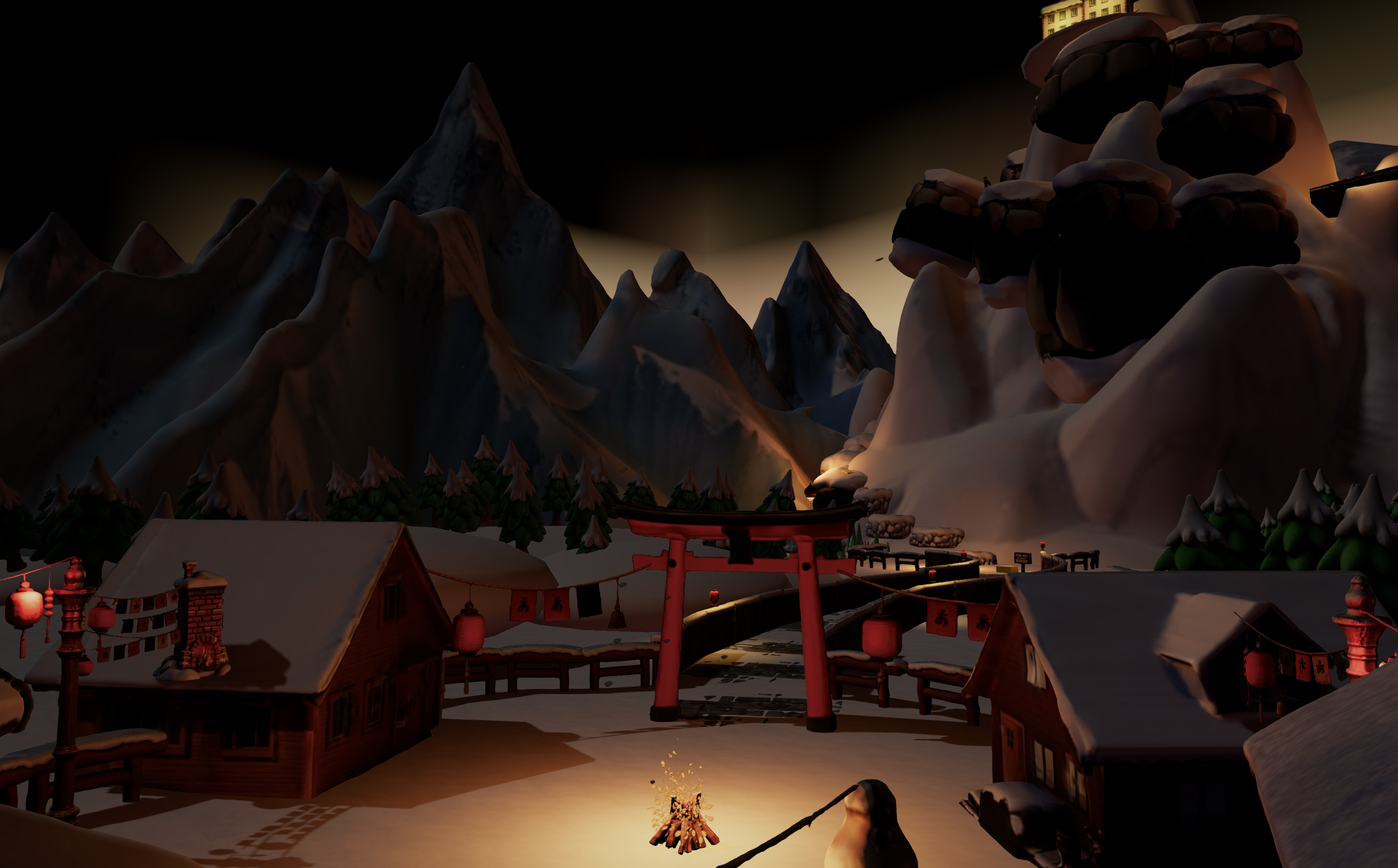
The Astrocade deserved a better outcome. You deserve tools that let you build without fighting your setup. See how Nilo removes these barriers and start building in your browser right now.
Frequently Asked Questions
What is the Bally Astrocade and why does it matter?
The Bally Astrocade was a home video game console released in April 1978 by Bally Manufacturing, a company known for arcade machines. It used a Zilog Z80 processor running at 1.789 MHz, had 4 KB of shared RAM, a 256-color palette with 8 colors on screen at once, four controller ports, and a built-in 8 KB BIOS ROM with developer tools. It matters because it showed clear technical advantages over the Atari 2600 but still failed in the market due to late timing, limited distribution, higher pricing, and a small game library. The system now serves as a case study in how market timing and ecosystem support can outweigh raw hardware power.
Why did the Atari 2600 win even though the Astrocade had better specs?
The Atari 2600 launched a year earlier, in September 1977, through mainstream retail channels including Sears. By the time the Astrocade reached stores in April 1978, the 2600 had captured significant market share and built a growing game library. The 2600 carried a competitive price and used Warner Communications’ strong distribution network. The Astrocade arrived late, cost more, appeared in fewer stores, and never attracted enough third-party developers to build a comparable library. Players chose the system with more games and easier access, not the one with the faster processor.
How much does a Bally Astrocade cost in 2026, and is it worth it?
A loose Bally Astrocade sells for around $181 based on 2026 data, while a complete-in-box unit runs about $705 and sealed copies can reach $1,410 or more. Sales are rare, and roughly one loose unit per year changes hands. The most common repair issue is the keypad, which often needs replacement on surviving systems. The value depends on your goals. If you are a serious retro collector focused on rarity and technical history, the Astrocade is a compelling piece. If you mainly want to play games or understand game creation, the small library and high price make the Atari 2600 or modern tools a better fit.
How does Nilo fix the problems that hurt the Astrocade?
The Astrocade failed because of distribution friction, software scarcity, and the high cost of getting started. Nilo tackles each of those directly. It runs in any browser with no installation, so there is no distribution barrier and you can share a link so anyone can join. It combines 3D asset generation, rigging, animation, a natural language code editor, and real-time multiplayer collaboration in one place, so you never get stuck waiting for missing tools or a missing scripter. It is free to start and includes 1,000 Nilo Bits each month for AI generation, so you can experiment without spending a bunch of money.
Ready to build without the friction that stopped the Astrocade? Start creating in Nilo’s open beta today.