Written by: Nuno Leiria, Founder & CEO @ Nilo
Key Takeaways for You as a Builder
- Most browser 3D tools either trap you in 2D, spit out messy AI meshes that need hours of cleanup, or push you into complex desktop apps built for pros, not for you.
- The jump from playing Roblox to building in it stays steep because of installs, scripting, and optimization skills that usually take months or years to learn.
- AI-generated 3D assets often blow past Roblox’s polygon limits and ship with mesh errors and texture issues that demand manual retopology and UV fixes before you can use them.
- Constant tool-switching, broken material exports, and no real-time collaboration create so much friction that many aspiring builders give up before finishing a single project.
- Nilo tackles these barriers with a browser-based 3D engine that includes automatic retopology, Roblox-ready exports, natural language scripting, and real-time multiplayer collaboration, so you can try building and playing for free without installing anything.
The Real Gap Between Playing Roblox and Building in It
The jump from playing Roblox to building in it feels bigger than it should. Roblox Studio works like a professional desktop engine, not a casual creation tool. You install software, learn Lua scripting, and understand optimization, which usually takes serious time.
AI tools seem like a shortcut at first, but they introduce new problems. AI-generated 3D scenes often contain far more triangles than human-built scenes. Roblox caps assets at roughly 10,000 to 20,000 polygons, so raw AI output usually does not fit.
Those raw assets also arrive with mesh errors, texture artifacts, inconsistent scaling, and broken rendering data. Before anything lands in Roblox, you often need manual retopology, UV correction, and texture rebaking. That cleanup can take 30 minutes or more per asset.
Tool-switching slows you down even more. A typical flow looks like this: generate in Meshy, clean up in Blender, export, import into Roblox Studio, then discover colors and materials did not transfer correctly. Roblox’s OBJ exporter strips most PBR maps and replaces them with default white materials, which adds another frustrating step.
Why Friction Kills Your Creative Momentum
Creative momentum disappears fast when every small task turns into a fight. If you spend an hour fixing a mesh instead of building your world, the excitement fades. Projects stall, and many builders burn out after repeating this cycle.
This is not a skill problem. It is a tool problem. Most tools were built for professionals, not for someone who grew up in Minecraft and now wants to build their own games. One builder in Nilo’s February 2026 survey said, “Picture yourself, frustrated because you spent the last 5 hours 3D modeling a shipping container.”
That frustration grows at every stage because each step adds a new barrier. Scripting blocks you from adding the interactions you imagine. Optimization drags you into technical cleanup when you just want to create. Collaboration turns into file transfers and version chaos instead of simply inviting friends. When every step needs a new tool and a new skill, most builders never finish what they start.
What “AI-Assisted Browser 3D Creation” Really Means
Understanding which tools can actually help you starts with clear definitions. Not all browser-based creation tools work the same way.
One group is prompt-to-game tools. You describe what you want, the AI generates something, and you get a playable result. These tools feel fast at the start but stay shallow. Many browser AI tools that output HTML5 or WebGL rebuild the entire game from each prompt and lack a persistent scene tree, inspector, or version control. Once your idea grows beyond a single prompt, managing it becomes nearly impossible. Bitmagic and Rosebud AI sit in this category, which works for quick tests but not for serious 3D projects.
The other group is a browser-based 3D engine. This gives you a full creation environment that runs in your browser with no downloads. Competitive engines use WebGPU for rendering, which brings performance close to native apps. The same shift that let Figma bring pro design tools into the browser now reaches 3D creation.
This difference matters because 3D creation has needs that 2D never hits. AI 3D asset pipelines require retopology, multiple levels of detail, and baked PBR textures to work in real-time engines. A 2D sprite usually just needs a clean background.
Tool Status at a Glance
| Tool | Type | 3D Engine | Real-Time Retopology | Roblox Export | Multiplayer Collaboration | Browser-Based |
|---|---|---|---|---|---|---|
| Nilo | 3D engine + AI asset pipeline | Yes (custom C++/WebAssembly/WebGPU) | Yes (LOD slider, automatic optimization) | Yes (FBX, OBJ, glTF, Roblox-optimized) | Yes (real-time, link-share) | Yes |
| Bitmagic | Prompt-to-game (vibe code) | No | No | No direct export | No collaborative creation environment | Yes |
| Rosebud AI | Vibe code / AI-native | No real engine | No | No | Limited | Yes |
| Roblox Studio | Professional game engine | Yes | No (manual or third-party) | Native (with known material export issues) | Team Create (desktop only) | No (desktop install required) |
| Sloyd | AI 3D asset generation | No | Limited | FBX/OBJ (no Roblox-specific optimization) | No | Yes |
The comparison above shows why Nilo stands out for real 3D work. It is the only tool here that combines a full 3D engine with automatic retopology, Roblox-aware export, and real-time collaboration, all inside your browser.
Why Nilo Fits Real Roblox-Ready 3D Work
Nilo is a browser-based 3D engine built for Roblox creators like you. It runs on a custom engine with C++ physics compiled to WebAssembly and WebGPU rendering, so you get real game performance without installing software.
The workflow focuses on one goal: moving from idea to Roblox-ready asset without grind. You generate a 3D model from a text prompt, sketch, or image. Nilo’s LOD system then adjusts the polygon count so it fits Roblox’s triangle caps. You rig a character with one click, create an animation from a text description, and export straight to Roblox Studio, skipping Blender.
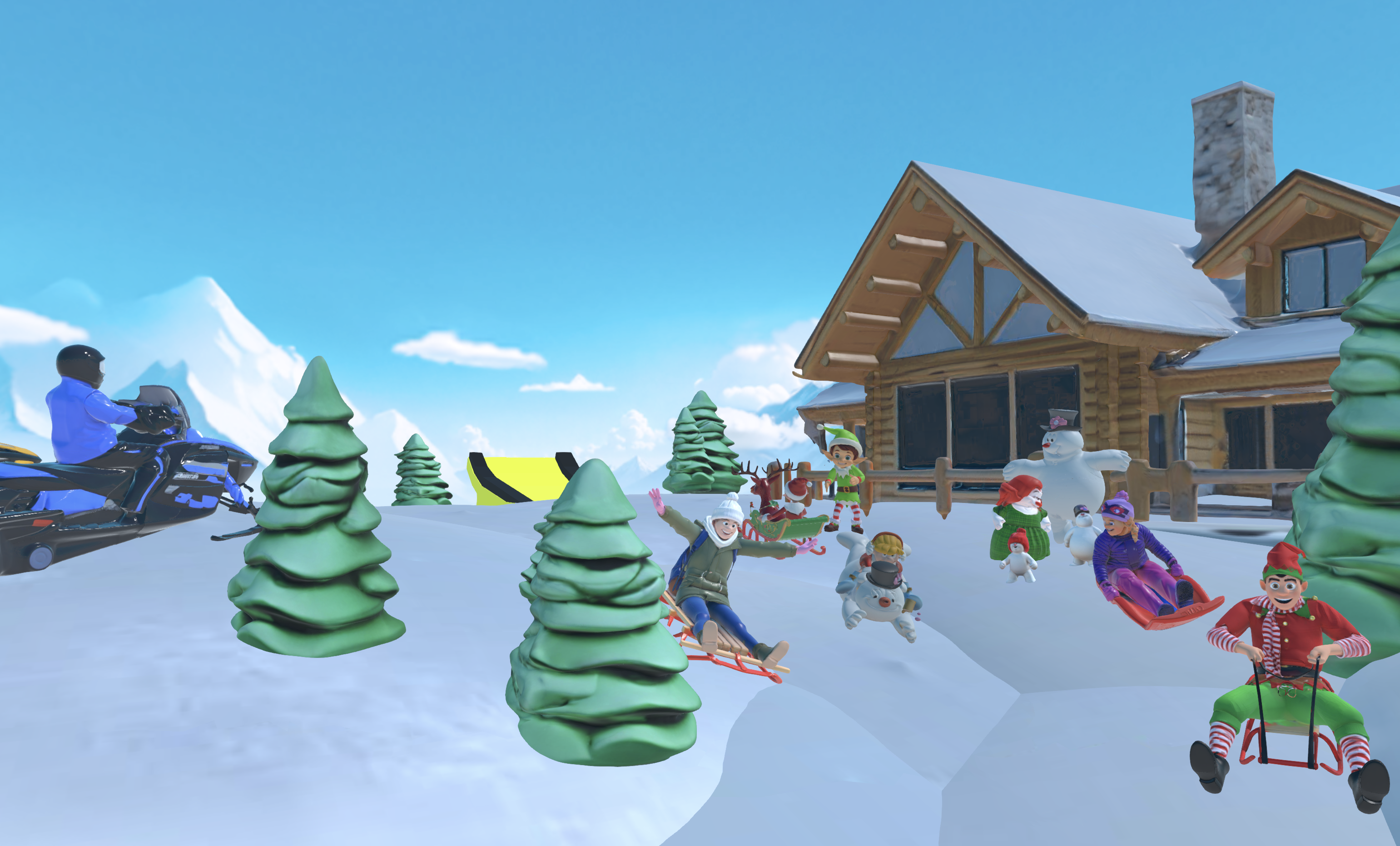
Nilo’s AI layer stays model-agnostic. It connects providers like Meshy, Tripo, Nano Banana, Cartwheel, and Uthana behind one interface. You get strong results without juggling tools, and as those models improve, Nilo improves with them.
In Nilo’s February 2026 survey, 93 percent of builders said they would recommend Nilo to a friend, and 82 percent rated their experience as “Awesome” or “Good.” One builder said, “I do not have to spend hours on 3D modeling the simplest things. Now I can use Nilo and do it in 15 seconds.”
3D Asset Generation and Cleanup Without the Grind
When you look at AI 3D asset tools, focus on what the model looks like after generation and how much cleanup you must do before using it.
As of mid-2026, most AI-generated 3D models ship with poor topology, messy UVs, and need heavy cleanup before they are game-ready. Before anything lands in Roblox, you often face retopology, UV fixes, and texture rebakes that can take 30 minutes or more per asset.
Nilo tackles this directly. The LOD slider lets you simplify mesh topology in real time, and the platform handles retopology for you instead of pushing it into Blender. You can also use a sketch-to-3D pipeline. You draw in 2D, refine with AI, then drop the result into your 3D world. If you struggle with perfect prompts, having text, sketch, and image input gives you more ways to get what you want.
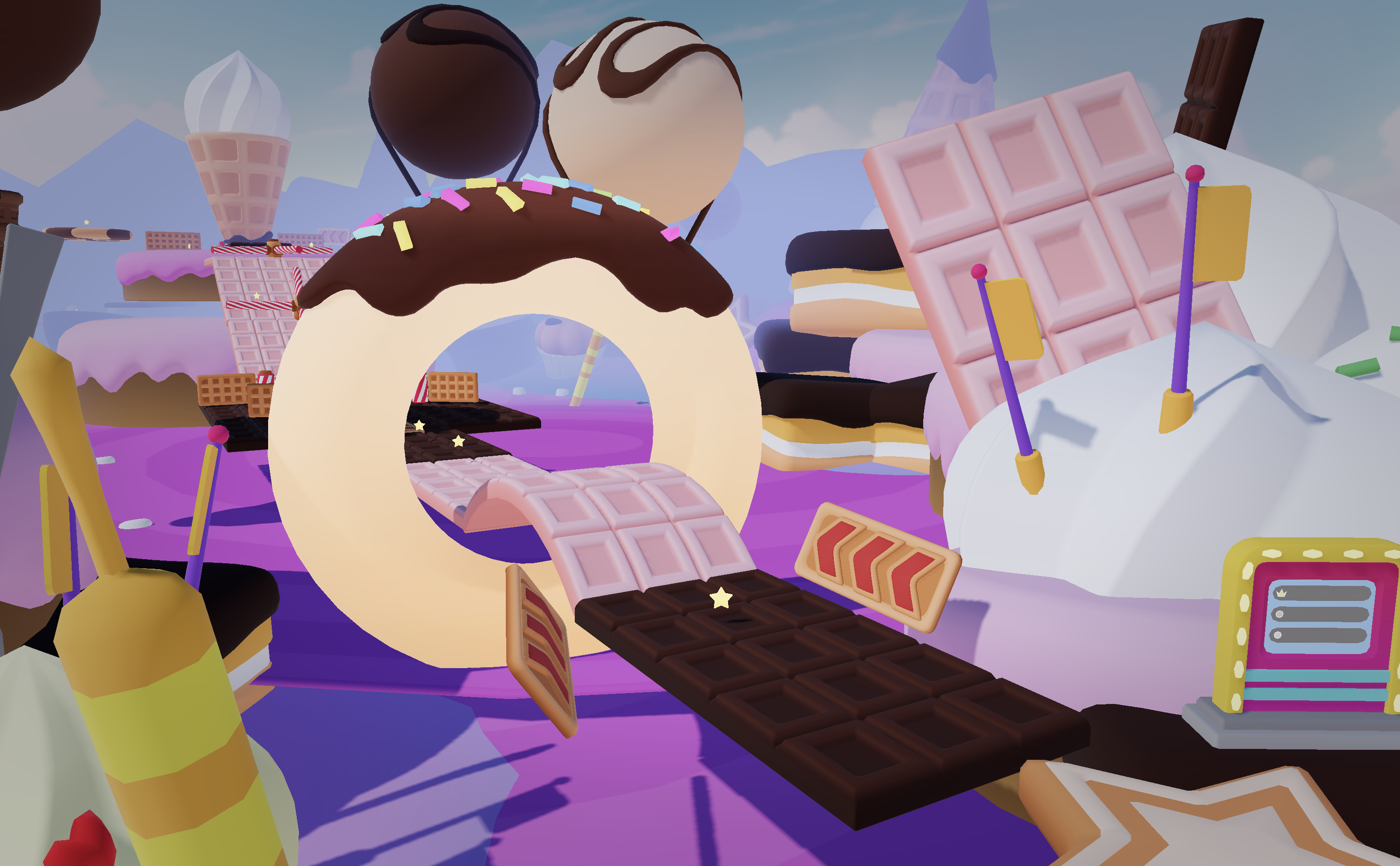
Bitmagic and Rosebud AI generate content from prompts but do not include this refinement layer. You get a result, and if it fails for Roblox, you have no built-in path to fix it.
Natural-Language Logic That Teaches You Code
Scripting blocks more aspiring builders than any other step. You might have strong ideas but no coding background, and learning Lua while building a world can feel overwhelming.
Nilo’s built-in code editor lets you describe logic in natural language. You type, talk, or send an image to explain what you want, and Nilo turns that into working game logic in real time. You can say “make the character jump higher when it touches the blue platform” and watch it happen inside your 3D world.
You can also open the generated code and tweak values yourself. Changing “speed = 2” to “speed = 20” teaches real programming concepts in a hands-on way, without forcing you to start from a blank script.
Most natural-language AI game tools focus on 2D games and mechanics prototypes. Nilo’s approach feels different because it runs inside a live 3D engine, so every change appears directly in your world instead of in a separate preview.
World Building That Feels Like Playing
World building in Nilo feels closer to playing a game than operating software. A radial menu lets you drop in primitives, AI props, or imported assets quickly. An inspector panel handles detailed settings. Physics runs in real time, so objects move, collide, and react without extra setup.
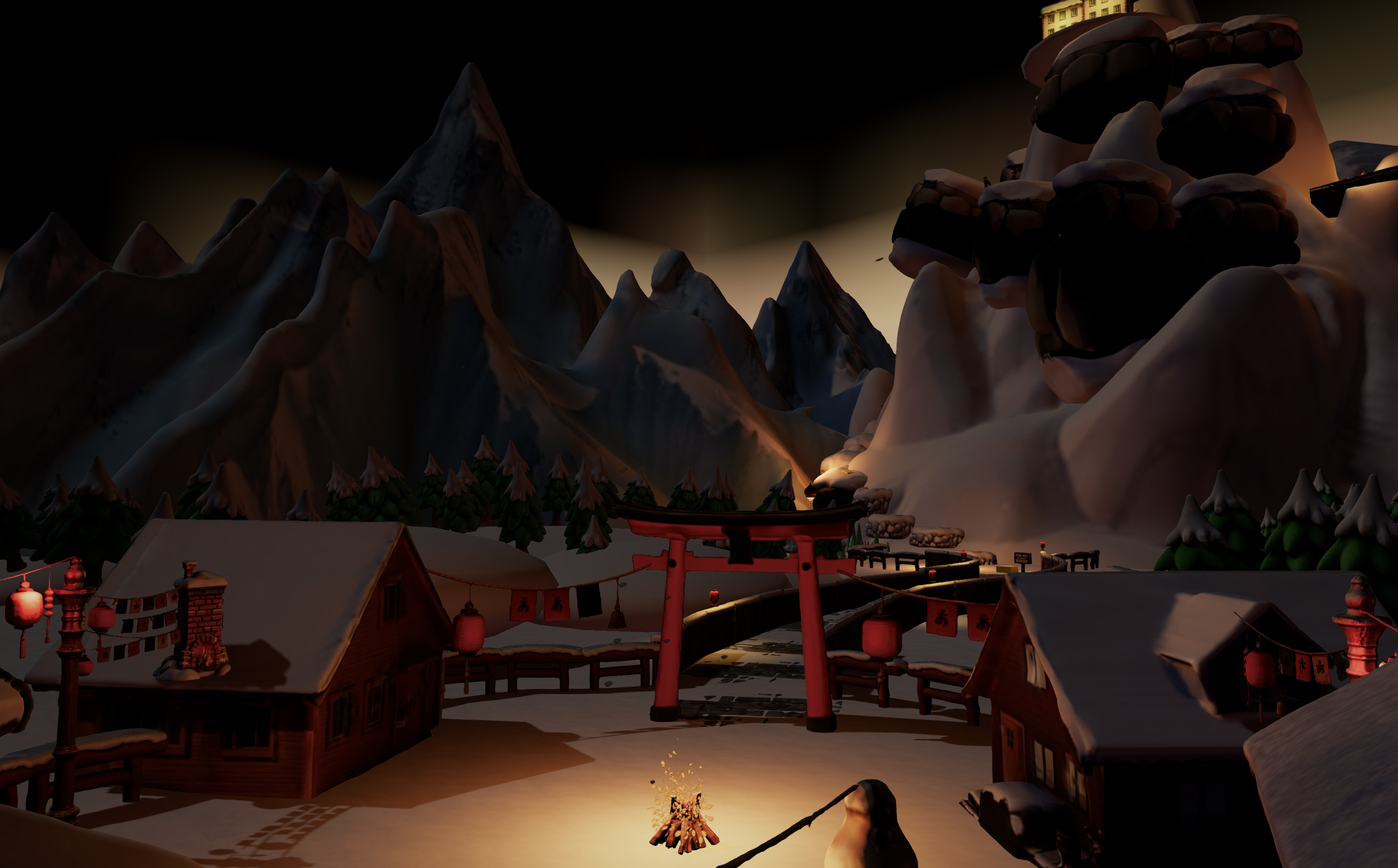
Tools like Spawn and Oasiz use canvas-style editors that work for quick generation but miss the feeling of building in space. You place objects on a 2D canvas instead of standing inside a 3D world. That difference matters when you want environments that feel alive.
Even Roblox Studio, with millions of developers and strong investment in AI-assisted tools, still needs a desktop install and scripting knowledge for interactivity. Nilo’s browser-based engine removes both barriers while keeping a clear export path into Roblox.
Staying Under Roblox Limits Without Manual Checks
Roblox enforces strict performance limits, including the polygon caps mentioned earlier and a 1024 by 1024 texture resolution. Manually checking counts, running decimation, and re-exporting breaks your creative flow every time.
Industry estimates place the generative AI for 3D assets market at about $1.95 billion in 2026, yet most tools still hand you the optimization problem. Nilo’s LOD system handles that work automatically. You move a slider, watch the mesh simplify, and export assets that respect Roblox’s limits.
Many AI-generated models chase visual detail over geometric efficiency, which creates meshes with thousands of extra polygons. Static props might survive basic optimization. Animated characters need clean topology that bends correctly when rigged, and most AI tools fall short here without manual retopology.
Building Together in Real Time
Creating games with friends usually feels more fun than building alone, yet most tools treat collaboration as an afterthought. You build solo, then send files around.
Nilo supports real-time multiplayer creation. You share a link, and friends can join your world on desktop or mobile to build and play with you instantly. Guests do not need accounts, and you avoid file transfers and version conflicts. AA and indie studios now lean toward small, fast multiplayer projects, and your tools should match that trend.
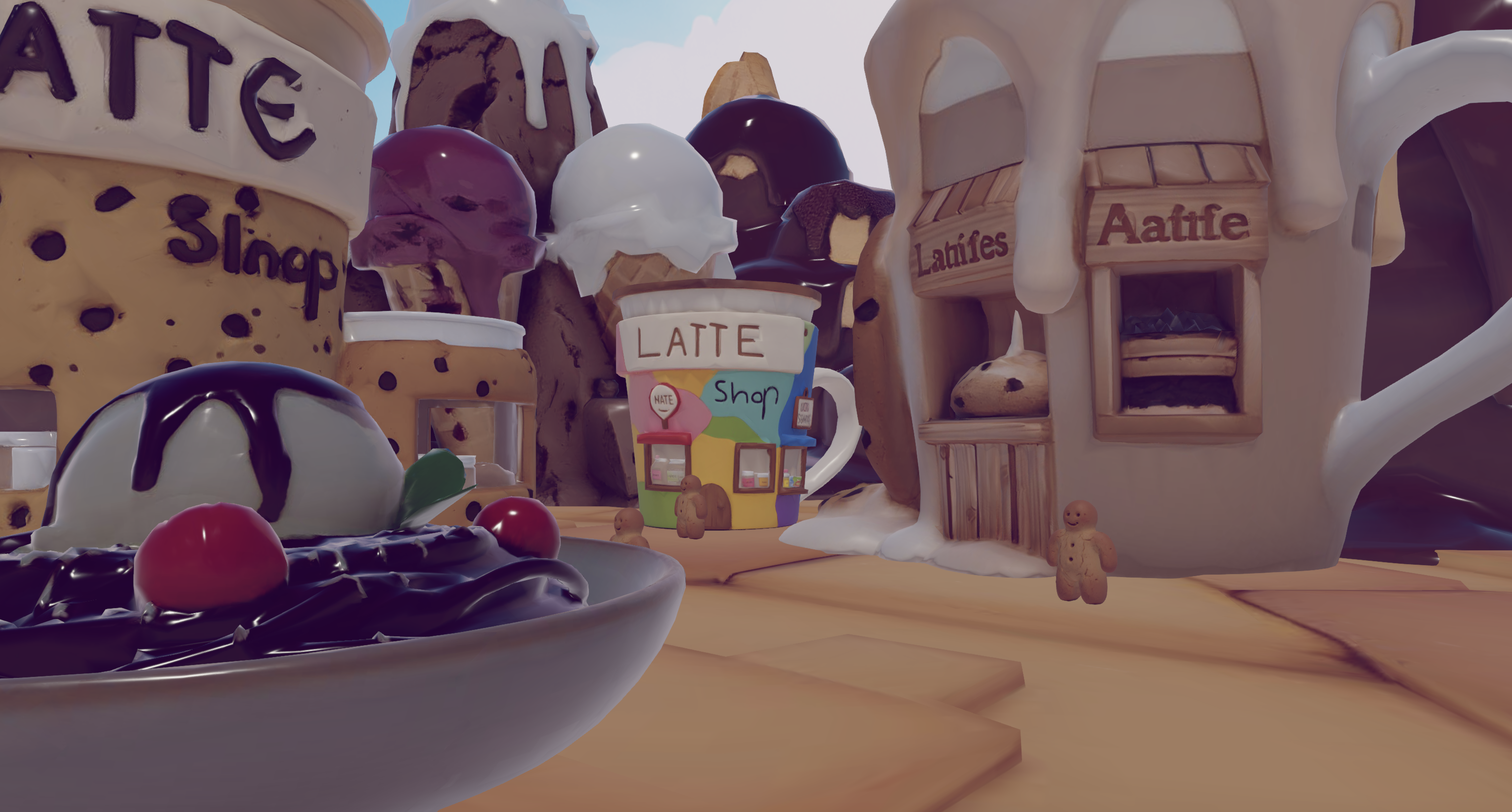
Bitmagic and Rosebud AI do not offer a shared creation space. You generate alone and then figure out what to do with the output, which does not match how many builders prefer to work.
Exporting Your Work Anywhere You Want
Nilo exports to FBX, OBJ, STL, and glTF, which all work with Roblox, Unity, Unreal Engine, Blender, and VRChat. You are not locked into one ecosystem. You can treat Nilo as your asset pipeline and continue building elsewhere.
Prompt-to-game tools like Bitmagic and Rosebud AI often output HTML5 or WebGL builds with no clean export path. That means you cannot easily move assets into Roblox, Unity, or other engines without extra work, so what you build stays stuck inside their platform.
For Roblox, Nilo’s export stays tuned from the start. Polygon counts respect platform caps, textures use the right sizes, and rigged models keep their animations. One builder in Nilo’s February 2026 survey said, “I like how it feels like a good game engine rather than a vibe coding tool, with easy building and a good focus on being able to export and import content.”
How to Choose the Right Browser 3D Tool
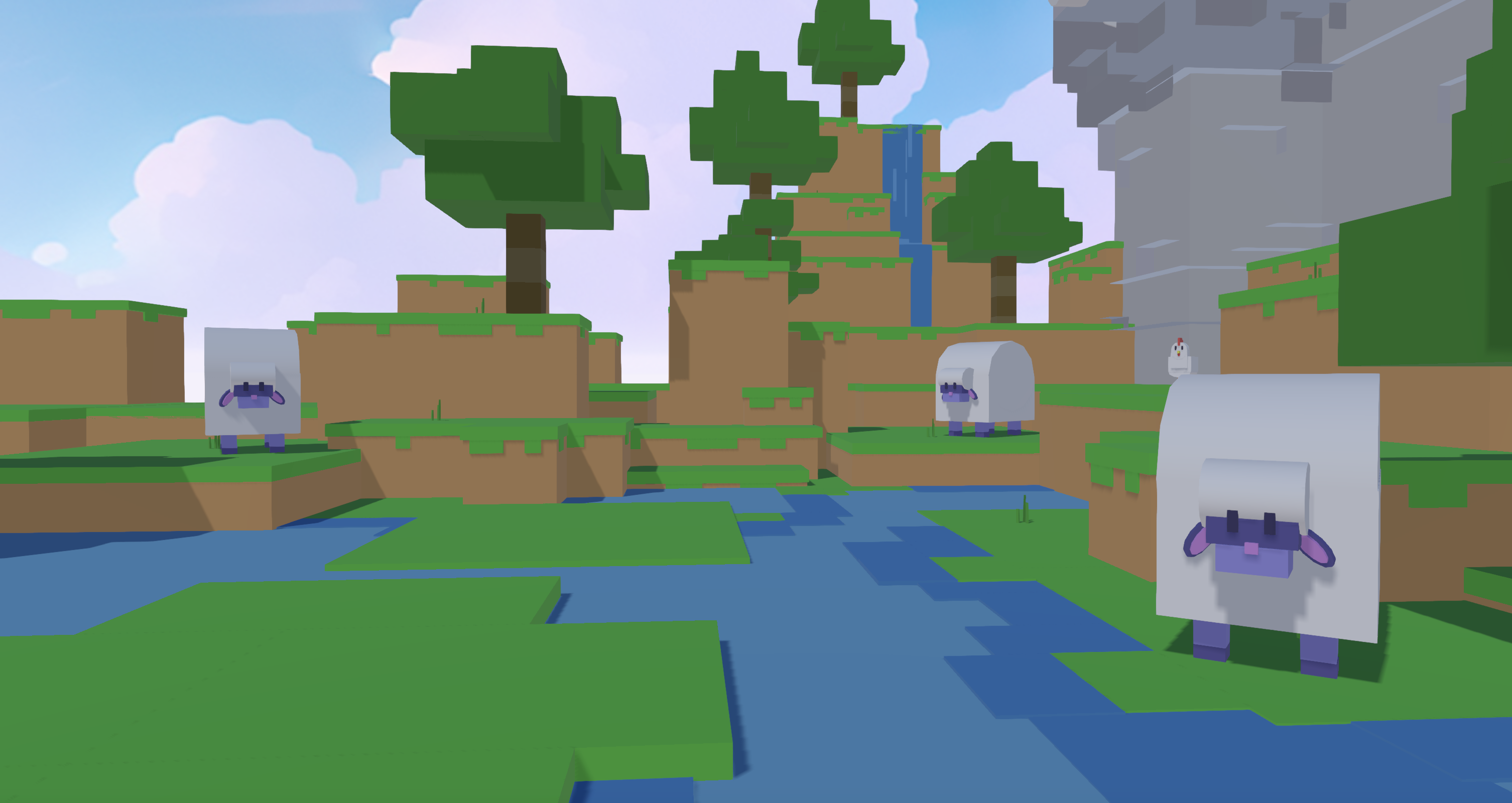
When you compare browser-based 3D tools, walk through these questions:
- What is your target platform? If you build for Roblox, you need Roblox-aware export, not just generic FBX. Check whether the tool handles polygon caps for you.
- Do you want to build with friends? Real-time multiplayer creation stays rare. If collaboration matters, confirm the tool supports it directly instead of only sharing files.
- How much cleanup will you accept? Prompt-only tools feel fast but often demand heavy manual work later. Look for built-in retopology, LOD controls, and rigging, or plan for a separate app.
- Do you need export freedom? Some tools keep your work locked inside their system. If you want to use assets in Roblox Studio, Unity, or Blender, check for standard exports and real compatibility.
- Is scripting holding you back? If you do not code yet, look for natural language logic that runs inside a live 3D world instead of a text box that just spits out files.
Frequently Asked Questions
How is a prompt-to-game tool different from a browser 3D engine?
A prompt-to-game tool creates a game or asset from a text description. You describe what you want, the AI generates something, and you get a result, but deep editing often stays limited and the output may not work with Roblox. A browser-based 3D engine gives you a full creation environment in your browser. You build inside a live 3D world with physics, a scene editor, and export tools. Nilo works as a 3D engine first, with AI there to help you create instead of replacing you.
Why do AI 3D models need retopology before they work in Roblox?
Retopology rebuilds a mesh so it stays clean, efficient, and ready for games. Many AI tools generate models that look good but contain millions of extra triangles, broken UV maps, and geometry that bends badly when animated. Roblox enforces the triangle caps mentioned earlier, so a raw AI mesh with that many polygons will not work. Nilo’s LOD system handles this for you. You adjust a slider, watch the mesh simplify, and skip Blender.
Can I use Nilo if I have never built in 3D before?
Yes. Nilo supports builders at every stage, from your first project to advanced Roblox work. You can generate 3D models from text, sketches, or images without knowing modeling tools. The natural language code editor lets you describe logic in plain language. In the same February 2026 survey mentioned earlier, 72 percent of builders said Nilo makes their creative process easier “by a lot,” which reinforces the high recommendation rate.
Does Nilo work on mobile?
Yes. Nilo runs in modern browsers on desktop and mobile with no installs or high-end hardware. The engine uses WebAssembly and WebGPU, with a WebGL fallback for older devices, so you get real game performance across platforms. You share a link and start building with friends on any supported device.
Who owns the assets I create in Nilo?
You own what you create. Any models, skins, or assets you build in Nilo are yours to use, publish, and monetize, including on the Roblox Marketplace. Nilo exports to FBX, OBJ, STL, and glTF, which work with Roblox, Unity, Unreal Engine, Blender, and VRChat. You stay free to move your work anywhere.
Match Your Goals to the Right Creation Tool
The right tool depends on what you want to build and where you want it to live. If you only need quick 2D tests or simple prototypes, prompt-only tools like Bitmagic or Rosebud AI can get you moving fast. If you build for Roblox and want clean 3D assets without a Blender grind, you need real retopology, Roblox-aware export, and ideally a collaborative browser environment that keeps you in flow.
Browser-based 3D creation keeps growing, and tools for aspiring builders like you improve every year. Many options still leave optimization, retopology, and Roblox compatibility as your problem to solve.
Nilo stands out because it focuses on those exact pain points. You get real-time retopology, automatic LODs, one-click rigging, natural language coding, and direct Roblox export in one browser-based space with real-time multiplayer. One builder in Nilo’s February 2026 survey said, “There are no limits on what you can create, just type, draw or add in an image and you can generate, rig, customise and place a fully 3D model within minutes.”
Your ideas deserve tools that keep up. Decide what you need, test the options, and build something worth playing.