Written by: Nuno Leiria, Founder & CEO @ Nilo
Key Takeaways for Your 3D Asset Workflow
- DreamForge AI generates a continuous video of a world instead of exportable 3D files.
- Rosebud AI creates 3D models and skyboxes in a Three.js browser environment, with no clearly documented export path to Unity, Unreal Engine, or Roblox Studio.
- Engine-ready 3D assets depend on formats like FBX, OBJ, glTF, or RBXMX. Nilo provides these formats so you can move assets across multiple engines.
- Roblox creators like you need assets that respect Roblox’s 10K–20K polygon caps and export cleanly through RBXMX or an API key, which Nilo supports directly.
- Nilo brings together text-to-3D, one-click rigging, AI animation, and multi-format export in one browser workflow, so you can build without installs or Blender cleanup.
Generate your first exportable 3D asset in the browser.
The Problem: When AI 3D Tools Don’t Give You Real Assets
If you are researching DreamForge AI vs Rosebud AI for 3D game assets, you already feel the pain. You tried a prompt-to-3D tool, downloaded something that looked like a melted prop, and now you need assets that actually export as usable files.
The stakes are practical. Pick the wrong tool and you end up with assets that stay trapped in the platform, cannot be rigged, or blow past Roblox’s 10K–20K polygon caps, with 20,000 as the upper limit. That slows down solo creators, small teams, Roblox-focused builders, and anyone shipping to Unity or Unreal.
Browser-based, AI-assisted 3D creation is growing fast, but the “AI 3D tool” label hides a crucial difference. Some tools generate real geometry you can export. Others generate video, code, or images. If you assume every tool produces meshes, you can waste hours on output that was never a 3D file in the first place.
Try a browser workflow that actually exports to engines.
The Solution: What Each Tool Really Produces
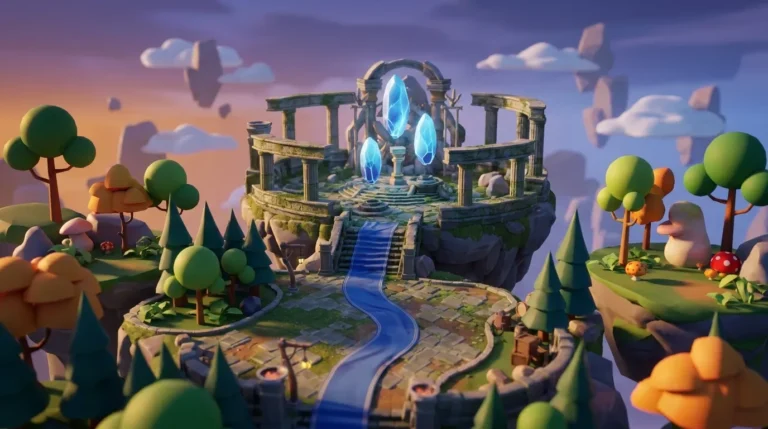
DreamForge.ai’s documentation describes DreamForge-World 0.1 as a visual world predictor, an action-conditioned model that generates a continuous stream of video frames. The documentation states that nothing in the scene is a mesh, and no standard 3D asset formats leave the platform. If you need props, characters, or environments as exportable files, DreamForge.ai does not cover that job.
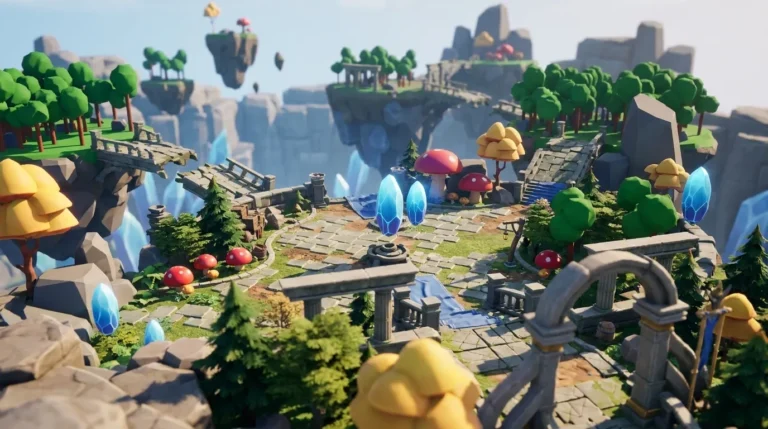
Rosebud AI works differently. Rosebud AI Gamemaker generates sprites, animations, tilesets, 3D models, skyboxes, music, and sound effects in one flow, running on Three.js and WebGL in the browser. You describe what you want, and the platform builds the world, characters, and game logic from that prompt.
The table below highlights the key difference to watch for: whether a tool generates native 3D geometry and which formats you can export. Notice which column lists formats that work across Roblox, Unity, and Unreal Engine.
| Tool | Generates Native 3D Models | Documented Export Formats | Destination Platforms |
|---|---|---|---|
| DreamForge AI | No (per vendor) | Not documented | N/A |
| Rosebud AI | Yes (models and skyboxes) | .glb/.gltf, .obj, .fbx, .blend (import) | Browser-based games |
| Nilo | Yes (text-to-3D, sketch-to-3D) | FBX, OBJ, STL, glTF, RBXMX | Roblox, Unity, Unreal Engine, Blender, VRChat |
See how Nilo’s exports behave in your engine of choice.
Does DreamForge AI Generate Native 3D Models?
No. DreamForge-World 0.1 is documented as a visual world predictor. The model predicts the picture of a world as a continuous video stream instead of building geometry you can export.
This affects your workflow directly. If you need a character, prop, or environment as an FBX or OBJ file, DreamForge.ai cannot produce that. The model has no export pipeline or object list, and its internal 3D state is not reliable enough to extract geometry from.
One clarification helps avoid confusion. DreamForge.ai is described as an AI-powered game creation platform for personalized story adventure games, and the research preview at trydreamforge.com is a world-model demo. Any separately branded “Dreamforge Engine” that claims production 3D modeling with rigging and LODs refers to a different product.
Can Rosebud AI Make 3D Games?
Yes. Rosebud AI’s 3D game maker generates 3D models and skyboxes from prompts and runs on Three.js in the browser. You describe a game concept, and the platform builds the world, characters, and logic without asking you to write code.
Here is where Rosebud AI helps you most:
- Runs in the browser, so you skip downloads and installs
- Prompt-driven flow where you describe what you want in plain language
- Fast jump from idea to playable browser game
- Generates 3D models, skyboxes, sprites, animations, and sound in one workspace
- Supports 2D, Three.js 3D, and voxel game styles
Rosebud AI also has clear limits:
- Focuses on code generation, so you work through JavaScript rather than a hands-on 3D building space
- 3D support stays basic and performance drops in complex scenes because everything runs in the browser
- Ships as web games, not native builds for Steam, iOS, or Android
- Does not document export of generated 3D assets to standard formats for Unity, Unreal Engine, or Roblox Studio
Compare a browser game flow with an engine-ready asset flow.
Export and Engine Compatibility: What Actually Leaves the Platform
An asset that cannot leave the browser stays a prototype. Export paths matter most when you build for Roblox, Unity, or Unreal Engine.
DreamForge AI: No documented export formats. The platform generates a video stream of a world instead of downloadable meshes or textures, so 3D files never leave the platform.
Rosebud AI: The Assets tab accepts .glb/.gltf, .obj, .fbx, and .blend files for import. The platform targets browser-based games, and its assets are tuned for its own Three.js environment. Rosebud does not document a direct export path to Roblox Studio, Unity, or Unreal Engine for assets generated inside the platform.
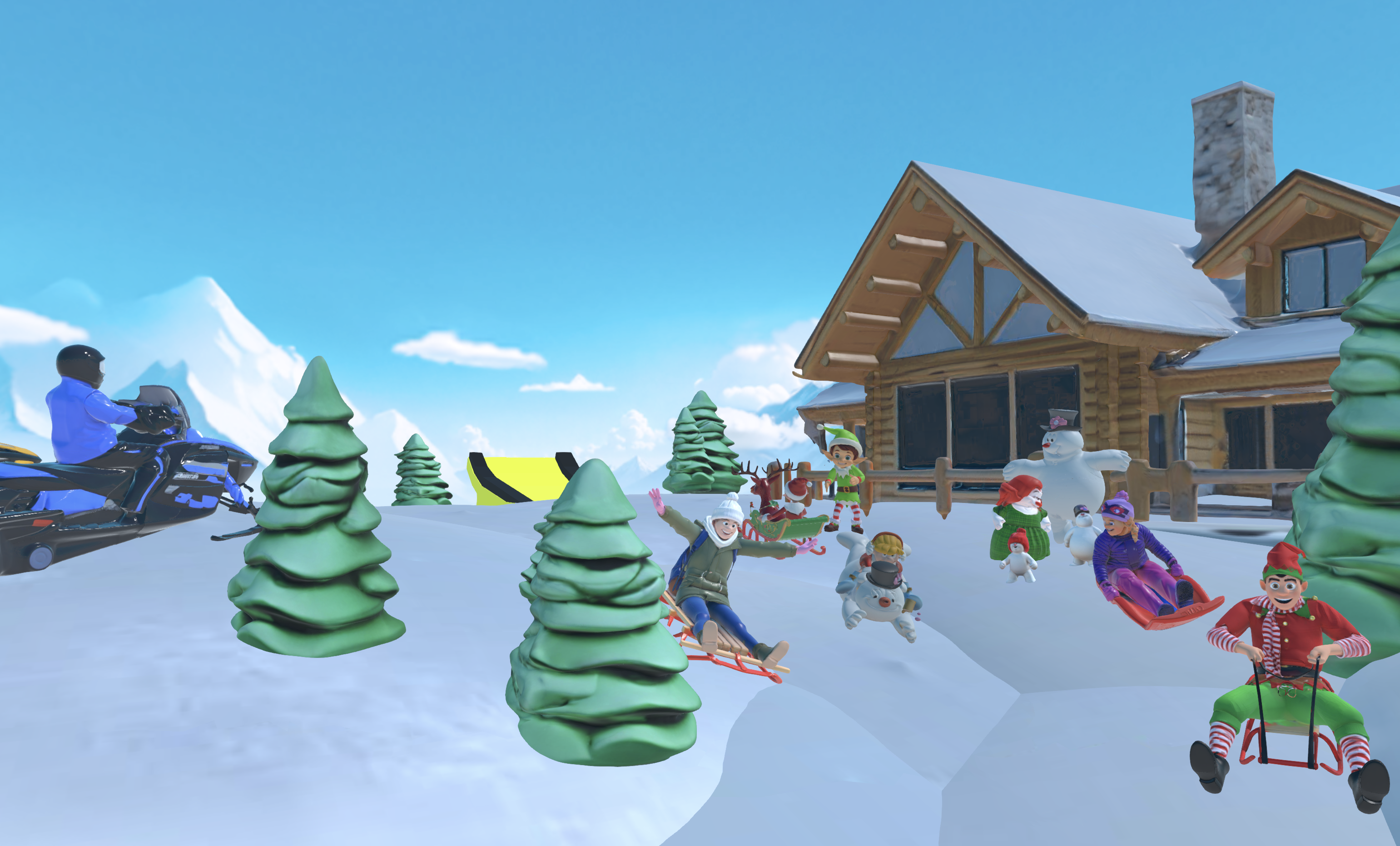
Nilo: Nilo keeps polycount in a range that works directly in Roblox Studio and other platforms. Nilo exports to FBX, OBJ, STL, glTF, and RBXMX. RBXMX is Roblox’s native format and packs textures and attachments into a single file. You can also connect your Roblox account and export straight into your Roblox experience using your own API key. The exported files work in Roblox, Unity, Unreal Engine, Blender, and VRChat.
Here is how creators usually phrase the key export questions:
- Does it export? DreamForge AI does not. Rosebud AI does not document export to standard 3D formats for engine use. Nilo exports to FBX, OBJ, STL, glTF, and RBXMX.
- Can I use it in Unity? Nilo exports FBX and glTF, which Unity supports. Rosebud AI and DreamForge AI do not document this path.
- Does it work in Roblox? Nilo exports RBXMX and supports direct API key export into a Roblox experience. Its real-time LOD system keeps assets within Roblox’s 10K–20K polygon caps.
Iteration and Style Consistency Across Many Assets
Export compatibility tells you whether an asset can leave the platform. The next question is whether the assets you generate actually look like they belong together.
An AI overview online claims DreamForge “style-locks” and Rosebud “drifts”. Vendor documentation does not confirm these claims, so treat them carefully.
Here is what the docs do say. DreamForge-World 0.1 experiences autoregressive drift. Every frame depends on earlier imperfect frames, so over a few minutes fine texture fades, colors oversaturate, and objects change shape. This behavior comes from the video model. Since DreamForge.ai does not generate exportable 3D assets, consistency across a prop pack does not really apply.
For Rosebud AI, the platform generates editable JavaScript, art, and sound from prompts in one workspace. Rosebud does not document a specific system for keeping multi-asset 3D projects consistent. If you generate 20 props for one game, the shared look depends on your prompts and the model’s behavior.
Most AI 3D tools drift across generations because each run starts fresh. The model does not remember the last asset, so scale, style, and detail reset every time. You see this across the whole category.
Alternatives to Rosebud AI for Exportable 3D Game Assets
Nilo stands out as a browser-based alternative that handles AI 3D asset generation, one-click rigging, AI-powered animation, and export in one workflow. You can do this without Blender cleanup or any installs.
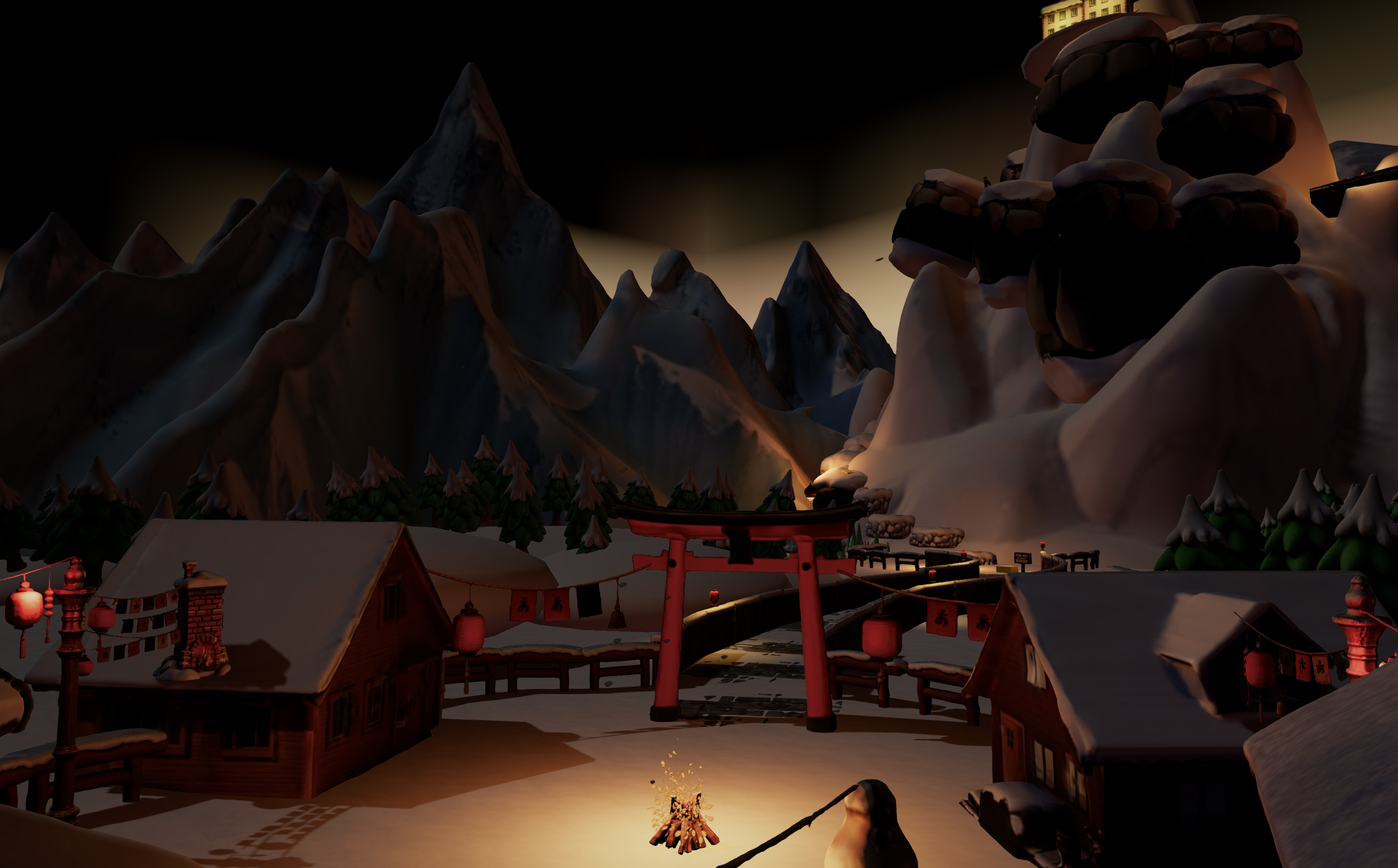
Here is what Nilo gives you for 3D game assets specifically:
- Text-to-3D and sketch-to-3D generation where you describe an asset or draw it in 2D, and Nilo generates a 3D model in seconds
- Model-agnostic AI layer that connects to providers like Meshy, Tripo, Nano Banana, Cartwheel, and Uthana behind one interface, so you can chase the best result without juggling tools
- One-click rigging where rigging for bipedal humanoid characters in a T-pose works out of the box. Clothing rigs as part of the full character model, so you skip separate rigging passes.
- AI-generated animation from text prompts so you type what you want a character to do and watch it move
- Real-time LOD system that adjusts polygon counts on the fly to match Roblox’s 10K–20K polygon caps
- Export to FBX, OBJ, STL, glTF, and RBXMX so your assets slot into Roblox, Unity, Unreal Engine, Blender, and VRChat
- No installs because everything runs in the browser on desktop and mobile
Builders in Nilo’s February 2026 Survey put it simply: “I do not have to spend hours on 3D modeling the simplest things. Now I can use Nilo and do it in 15 seconds.” Another said: “I like how it feels like a good game engine rather than a vibe coding tool, with easy building and a good focus on being able to export and import content.”
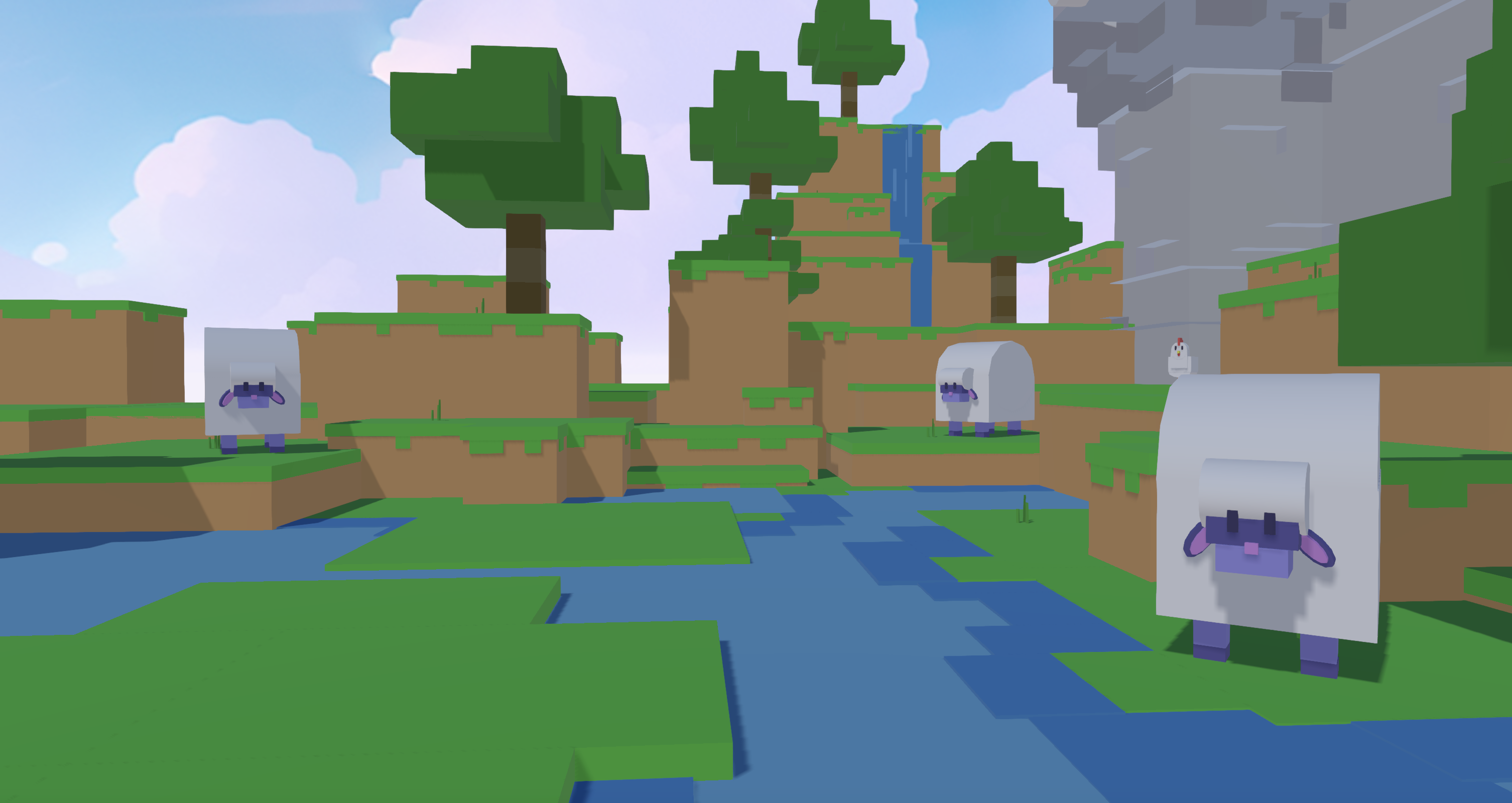
In that survey, 93% of builders said they would recommend Nilo to a friend, and 82% rated their experience as “Awesome” or “Good”. Nilo is backed by Supercell and currently in open beta with 9,000+ builders on Discord.
Join the open beta and build a rigged, animated character in minutes.
Which AI Tool Fits Your 3D Game Asset Pipeline?
Browser prototyper describes you if you want to test ideas fast in the browser and do not need engine-ready files yet. Rosebud AI fits here because it is prompt-driven, fast, and fully browser-based. DreamForge.ai focuses on video worlds instead of interactive game assets.
Roblox builder fits you if you need assets that respect Roblox’s 10K–20K polygon caps and export as RBXMX or via API key into a Roblox experience. Nilo fits this profile directly. Its real-time LOD system keeps assets inside the polygon caps, and it exports RBXMX with textures and attachments in a single file. You can also export straight into your Roblox experience using your own API key. Rosebud AI does not document a Roblox export path.
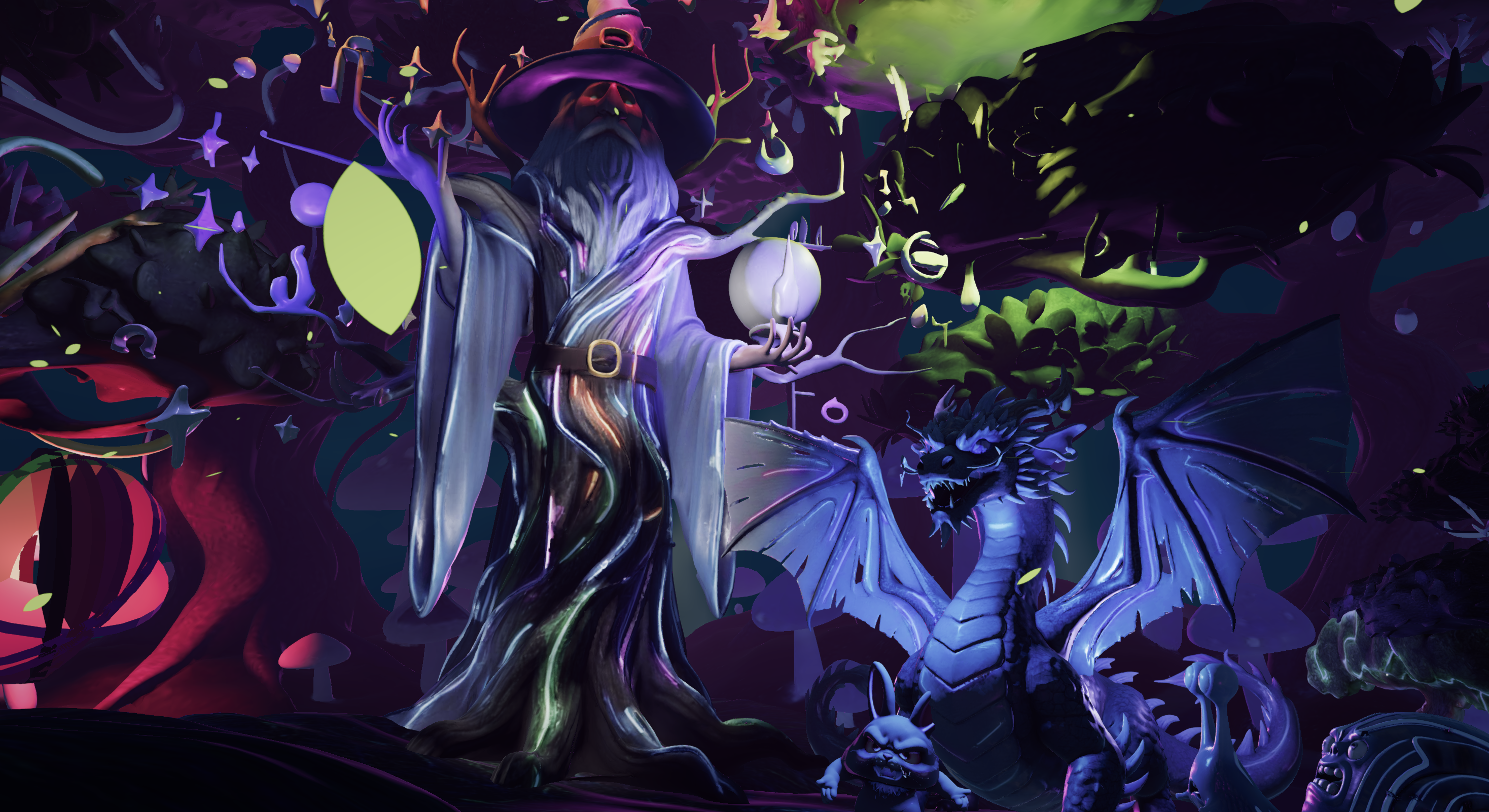
Engine-ready asset creator applies when you need rigged, animated models in FBX, OBJ, glTF, or STL for Unity, Unreal Engine, or Blender. Nilo covers this end-to-end in the browser. Rosebud AI’s assets are tuned for its own platform. DreamForge.ai does not produce exportable geometry.
Multi-asset project builder fits you if you care about consistent style across many assets and want to refine without starting over. Nilo’s Idea Forge feature lets you iterate on the same concept with follow-up prompts instead of regenerating from scratch. Its model-agnostic layer also lets you switch AI providers to match style and quality across a set. Rosebud AI’s behavior for multi-asset 3D consistency is not documented.
Build a small asset pack in Nilo and test it in your engine.
How to Evaluate DreamForge AI, Rosebud AI, and Other Tools Yourself
When you test any AI 3D asset tool, use clear criteria instead of relying on marketing pages.
- Check if it generates native 3D geometry. Confirm whether the output is a mesh file like GLB or FBX, or something else such as video, code, or images.
- Confirm what actually leaves the platform. Look for documented export formats. If a vendor does not list formats, assume export is limited or missing.
- Match your target platform’s limits. For Roblox, that means staying within the 10K–20K polygon caps and importing cleanly into Roblox Studio.
- Look at rigging and animation. See whether you can rig and animate inside the tool or if you must jump into Blender.
- Test iteration behavior. Try refining one asset and see if you can keep improving it without regenerating the whole set.
- Watch the onboarding curve. A tool that takes weeks to learn defeats the point of AI-assisted creation.
- Avoid walled gardens. Treat any non-exportable asset as a prototype, not a production asset.
Your goals, skills, and target platform should guide your choice more than long feature lists.
Frequently Asked Questions
What Is the Difference Between DreamForge AI and Dreamforge Engine?
DreamForge.ai is an AI research lab building a real-time world model that generates interactive video environments from prompts. It does not act as a conventional game engine or asset generator. Any “Dreamforge Engine” that offers production 3D modeling with rigging and LODs refers to a separate product. Treat them as different tools when you research 3D asset options.
What File Formats Do These Tools Export?
Rosebud AI accepts .glb/.gltf, .obj, .fbx, and .blend files for import into its platform. DreamForge.ai does not document native 3D model export. Nilo exports to FBX, OBJ, STL, glTF, and RBXMX so you can move assets into Roblox, Unity, Unreal Engine, Blender, and VRChat.
Can I Use Rosebud AI Assets in Unity or Roblox?
Rosebud AI generates browser-based games built on Three.js, and its assets are tuned for that environment. The platform does not document a direct export path for generated 3D assets into Unity or Roblox Studio. For engine-ready files, you need a tool that exports to formats like FBX, OBJ, or glTF.
Do I Need to Know How to Code to Use These Tools?
DreamForge AI and Rosebud AI both use prompts, so you describe what you want in plain language. Nilo adds a natural language code editor for vibe coding game logic by talking, texting, or sending images to the AI. Asset generation, rigging, and animation in Nilo do not require coding knowledge.
Can I Rig and Animate 3D Assets in the Browser?
Nilo supports one-click rigging for bipedal humanoid characters in a T-pose and AI-generated animation from text prompts, all in the browser with no installs. Rosebud AI lets you import rigged characters with animations via GLB or FBX, but it does not document in-browser rigging of generated assets. DreamForge AI does not generate riggable 3D geometry.
Rig and animate a character in your browser with Nilo.
Conclusion: Choosing the Right Tool for Your Game
The DreamForge AI vs Rosebud AI comparison for 3D game assets centers on two points. You need to know whether the tool generates native 3D models and whether those assets leave the platform in a usable format. DreamForge.ai generates video instead of geometry, so it sits outside the 3D asset category. Rosebud AI generates 3D models and skyboxes in a Three.js browser environment, but its assets focus on its own platform instead of export to Roblox, Unity, or Unreal Engine.
Your goals, comfort with tools, and target platform should guide your decision. If you want assets that leave the browser as engine-ready files that are rigged, animated, and tuned for Roblox’s 10K–20K polygon caps, Nilo brings generation, rigging, animation, and export into one browser workflow. You can do this without installs or a Blender detour.
Start building a playable scene with exportable 3D assets in Nilo.