Written by: Nuno Leiria, Founder & CEO @ Nilo
Key Takeaways
- GLB files bundle geometry, PBR materials, and textures into one binary file, so a single bad export setting can break a lot.
- Correct Blender export settings (glTF Binary, Selected Objects, +Y Up, Apply Modifiers, and full Materials) prevent most scale, texture, and rig issues.
- Roblox Studio’s Import Preview window fixes scale when you match the model’s original unit (Meter, CM, etc.) instead of resizing MeshParts by hand.
- Common import problems like missing textures, scattered MeshParts, or broken animations usually come from export settings, unjoined objects, or rig and skin issues.
- Nilo handles generation, cleanup, and Roblox export in your browser, so you avoid the usual file handoff between Blender and Studio.
What a GLB File Packs Inside (And Why Textures Travel With It)
GLB is the binary packaging of the glTF 2.0 standard, a single file that carries the model, its PBR materials (base color, roughness, metallic, normal maps), and its textures. OBJ carries geometry only and has no animation or material data beyond a basic sidecar .mtl file, and FBX is a long-standing format that handles skeletal rigs and animation. Depending on the exporter, FBX textures may be embedded or arrive as separate files you must upload and assign manually. Because GLB embeds everything in one binary, nothing is lost in transit, so a wrong export option affects scale, textures, and rigs at once.
Blender Export Settings That Work Well With Roblox Studio
Now that you know GLB carries your mesh, materials, and textures together, you can set up Blender so Roblox Studio receives them cleanly. This step prevents roughly half of the problems you see later in Studio. In Blender, go to File > Export > glTF 2.0 (.glb/.gltf). In the export panel, use these options:
- Format: glTF Binary (.glb), which packs everything into one file so textures travel with the mesh, as Blender’s glTF exporter documentation explains.
- Include: Selected Objects, which exports only what you selected, not the whole scene with lights and cameras. Leaving this unchecked exports extra scene items you do not want.
- Transform: +Y Up, which converts Blender’s Z-up coordinate system to the Y-up convention glTF and Roblox expect. This matches the glTF standard axis orientation.
- Forward: -Z Forward, which pairs with +Y Up so the export follows the glTF axis convention.
- Apply Modifiers, which exports the evaluated mesh after all modifiers have been calculated. What you see in Blender is what arrives in Studio.
- Data: confirm Materials and Meshes are included. Choosing glTF Binary (.glb) packs mesh data and image textures into one binary file, and enabling the Data > Material option exports full materials, including textures and shaders from the node tree, into that .glb.
Before you export, there are two more Blender steps that prevent common import problems:
- Join your objects. Select the objects and press Ctrl+J (Object > Join) to merge them into the last selected Active object. This keeps the model from splitting into separate pieces on import, but it is a destructive workflow and all objects must be the same type.
- Check your rig. If the model is rigged, the armature must be exported with the mesh, and the rig should be in a T-pose (arms out, body straight) before export. Skinning, which attaches the mesh to that skeleton so it deforms correctly, must stay intact or the animation breaks on import.
Skip the export settings and start building in Nilo
How To Import a GLB Into Roblox Studio
Once your GLB is ready, bring it into Roblox Studio through the Import Preview window. Follow these steps in order, using the same labels you see in the UI.
- Open Roblox Studio and open the place where you want the model to appear.
- Go to the Home tab in the top ribbon, or the Avatar tab if you are importing a character or accessory.
- Click Import 3D, or press Ctrl + M. This opens the Import Preview window (the 3D Importer), which handles 3D models including avatars and accessories.
- Select your .glb file from disk.
- In the Import Preview window, confirm that the model looks correct. Expand the File Geometry group and set the Scale Unit to match the unit you modeled in, such as Meter, CM, MM, Foot, or Inch. The importer defaults to Studs, so a 5-unit-wide object imports as 5 studs wide unless you change this.
- Choose whether to import as a single Model or as separate MeshParts, depending on how you want to work with it in Studio.
- Click Import and confirm the model lands in Workspace at the right size.
If you see a yellow warning triangle next to a node in the hierarchy tree at the bottom left of the Import Preview, hover over it to read the message. Missing textures are the most common flag.
Bring models into Roblox without manual import tweaks
Troubleshooting: Fix What You See on Screen
My Model Imported Huge (or Tiny)
This problem comes from a Scale Unit mismatch. The Scale Unit dropdown in the Import Preview window fixes it, and you should use that instead of resizing the MeshPart by hand. Resizing after import drags collision geometry and rig proportions out of alignment with the mesh. Delete the import, reopen the importer with Ctrl + M, and set Scale Unit to the unit you modeled in. If you modeled in meters in Blender, select Meter. As of June 16, 2026, Roblox uses a 25:7 Stud-per-meter conversion ratio, replacing the old 20:1 ratio that caused models to import roughly 5.6× too large. If your workflow relied on the old ratio, set the custom Scale Factor field to 5.6 to preserve it.
My Textures Did Not Come Through
GLB carries textures inside the file, so missing textures usually point back to export settings. If textures are missing after importing a glTF into Blender, check the glTF exporter’s Data > Material setting, which can export full materials, placeholders, or no materials, and the Images setting, where choosing “None” exports materials without textures. A grey, untextured mesh in Roblox almost always means a missing texture link rather than a broken model, so regenerating the model does not help. If the export settings were correct but textures still do not appear, upload the texture images separately through the Asset Manager and assign them to the MeshPart’s TextureID, or add a SurfaceAppearance object under the MeshPart for a full PBR workflow with separate color, normal, metalness, and roughness maps.
Fix texture headaches by creating directly in Nilo
My Parts Are Scattered Into Dozens of MeshParts
This happens when the model was exported as separate objects instead of one joined mesh. To fix a model importing as scattered MeshParts in Roblox, you can correct the source model’s organization before export. In Blender, select the objects and join them with Ctrl+J. You can also enable the importer’s “Merge Meshes” setting, which merges all MeshParts in the model into a single MeshPart.
My Animation Is Stretched or Broken
The rig must travel with the mesh and stay clean, or animations fall apart. The rig is the skeleton that lets the model move, and it must be exported with the mesh. Skinning, which attaches the mesh to that skeleton, must stay intact. The rig should also be in a T-pose before export.
In Unity, removing the skin from animation FBX files can cause bone animations to break on import, with shoulders folding in as if they have no bone weights. Leaving the skin in the FBX avoids this because Unity only uses the parts needed in the final game. A bug reported in August 2026 confirmed that GLB animations can import malformed in Roblox Studio. If your animation looks wrong, try setting the rest pose source to Animation Editor Rig in the importer settings, which community members confirmed as a working fix. GLBs from third-party sites like Sketchfab often arrive with rigs that do not match Roblox’s expectations, so check that bone scales are 1,1,1 and rotations are 0,0,0, and that no single vertex is influenced by more than 4 bones.
GLB vs FBX vs OBJ for Roblox Imports
Once you can export and import reliably, you can pick the format that fits each asset. Roblox accepts three mesh file formats: .glb, .fbx, and .obj. GLB packages textures and PBR materials in a single binary file and supports animation and rigging, so nothing is lost in transit. FBX is a long-standing format and works well for complex rigged and animated characters, though its textures may arrive as separate files that you must upload and assign manually. OBJ carries geometry only and no PBR material data, so you must re-apply textures by hand and it does not suit anything with a skeleton.
Use GLB when you want one clean file with embedded textures. Use FBX when you already have a rigged animation pipeline built around FBX. Keep OBJ for simple static geometry with no materials.
Why Nilo Lets You Skip the Export Handoff
If all this export and import setup feels like more overhead than you want, you can build in a tool that speaks Roblox natively. Nilo stands out for aspiring builders or already builders like you who want to skip the export-to-import handoff. Nilo is a browser-based, AI-native 3D creation platform built for Roblox creators. You generate characters, props, and environments from text, images, or sketches, then clean them up, rig with one click, and animate them without leaving your browser.
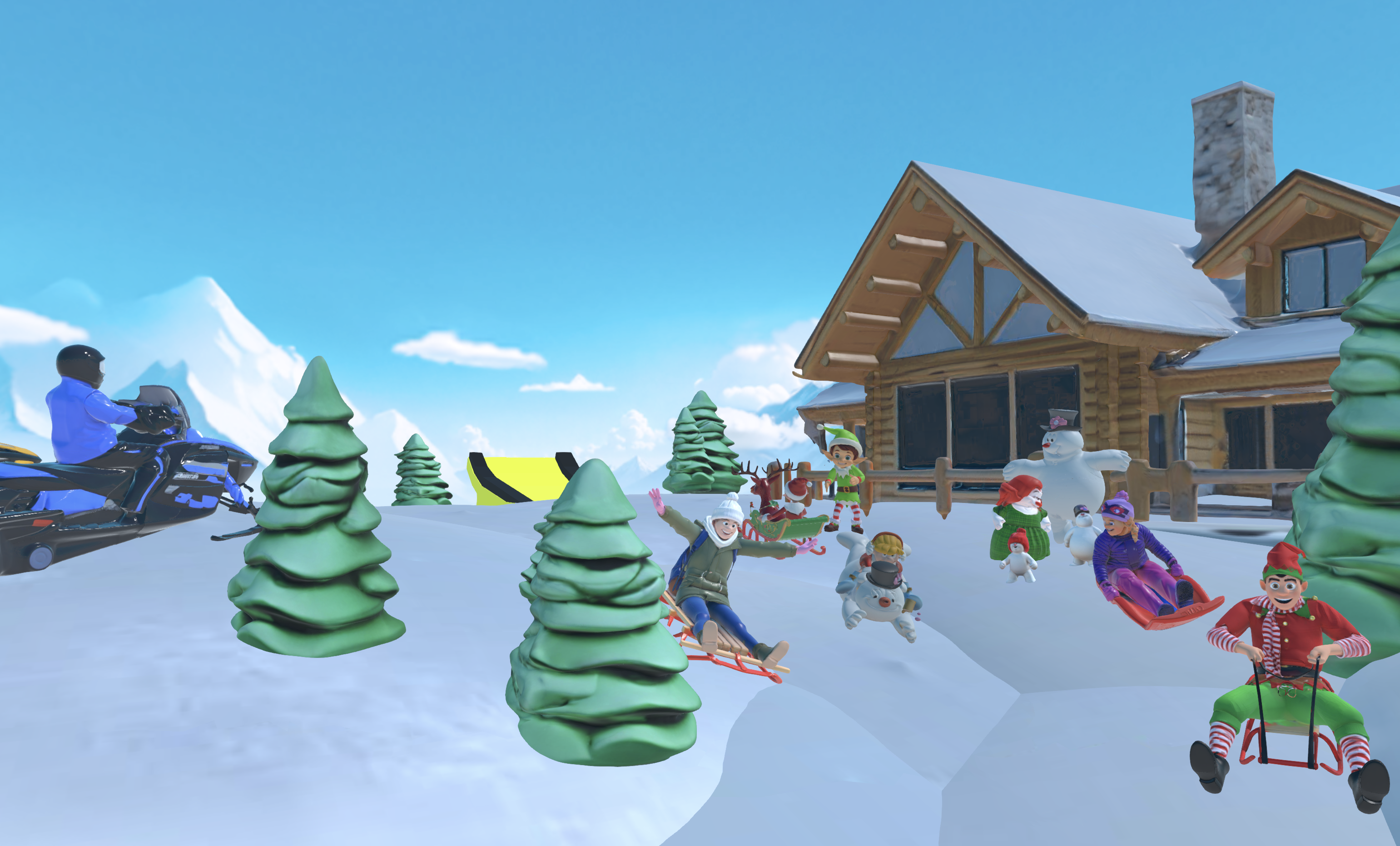
Nilo keeps polycount in a range that works in Roblox Studio and other platforms, so you do not have to chase polygon caps by hand. Its level of detail (LOD) system adjusts polygon counts automatically so assets meet Roblox’s 10K–20K polygon caps. Exports go out in Roblox’s native .rbxmx format, which packs textures and attachments into a single file. You can also export straight into a Roblox experience through an API key. Because Nilo handles scale, topology, and texture packaging for you, most of the failure modes covered above never show up.
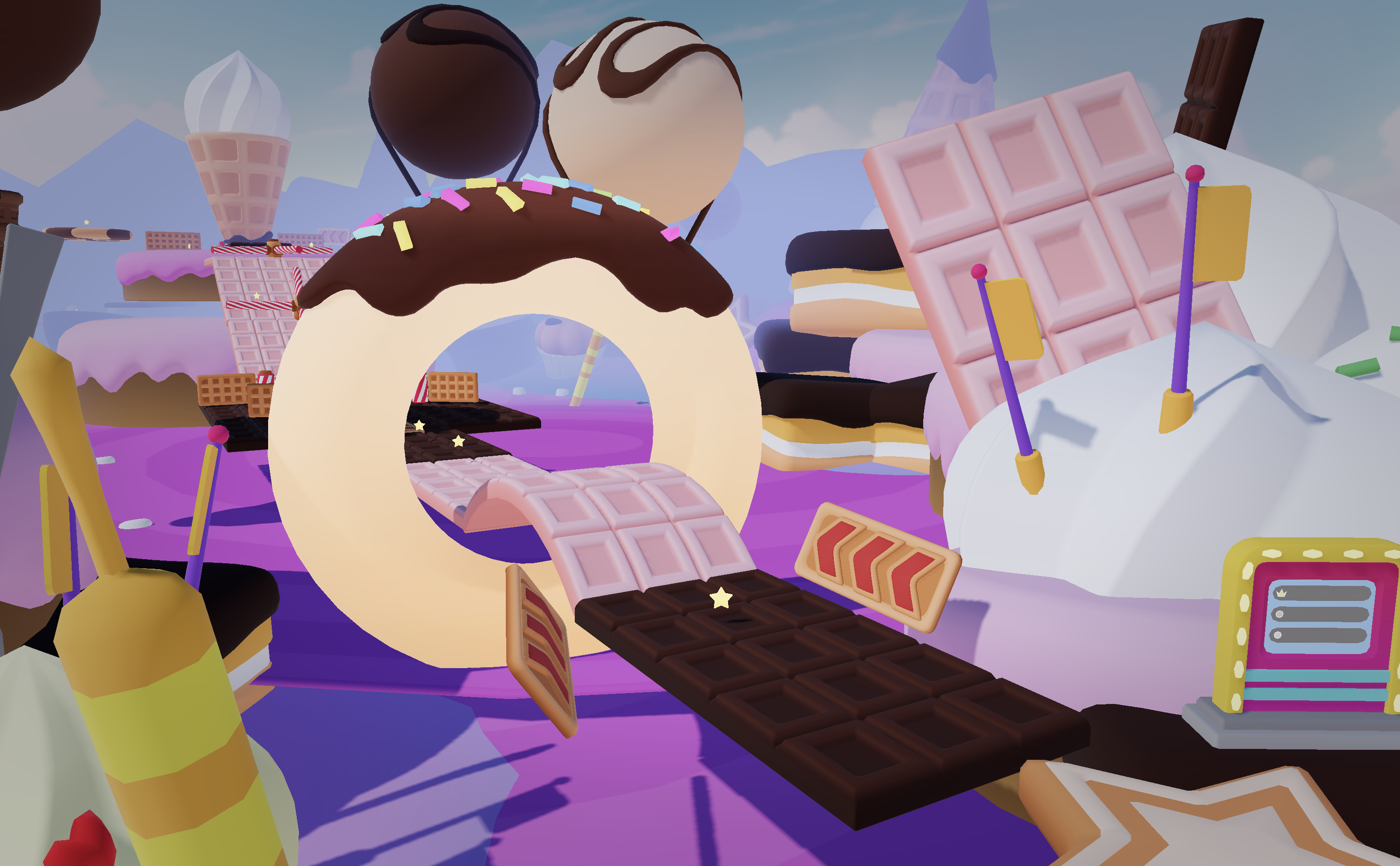
Nilo is currently in open beta and free to start with 1,000 Nilo Bits per month. In Nilo’s February 2026 survey with builders, 93% said they would recommend Nilo to a friend and 82% rated their experience as “Awesome” or “Good.”
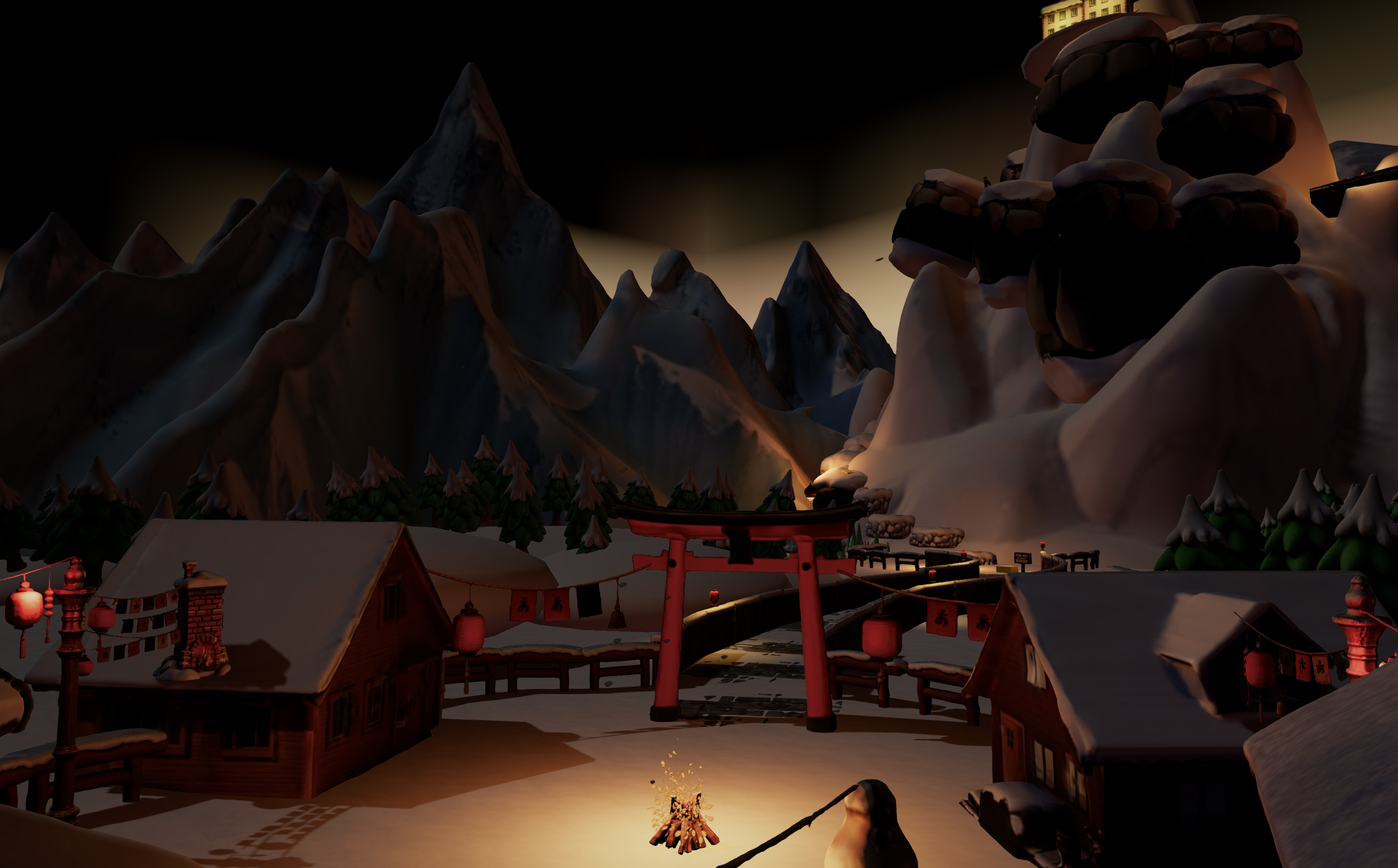
Start building Roblox-ready assets in Nilo today
Frequently Asked Questions
This quick FAQ gives you short reminders so you do not have to reread the full guide while you build.
Can Roblox Studio Import GLB Files?
Yes. Roblox Studio’s Universal Importer accepts .glb files alongside .fbx and .obj. Open it from the Home or Avatar tab with Import 3D, or press Ctrl + M. The importer handles meshes, textures, rigged models, skinning, and animation from a GLB file.
Why Is My GLB Model the Wrong Size in Roblox Studio?
The Scale Unit in Import Preview usually causes this. The importer defaults to Studs, so if you modeled in meters, a 1.76-meter character imports far too large unless you set Scale Unit to Meter. Roblox now uses a 25:7 Stud-per-meter ratio, so set the correct unit and re-import instead of resizing MeshParts.
Does GLB Support Textures in Roblox Studio?
Yes. GLB embeds textures inside the file, so they travel with the model automatically. If textures are missing, the export settings covered in the troubleshooting section are the first place to check, especially the Data > Material and Images options in Blender’s glTF exporter. If export was correct but textures still do not appear, upload the images in Asset Manager and assign them to TextureID, or build a SurfaceAppearance for PBR materials.
Is FBX or GLB Better for Roblox?
Each format fits a different job. GLB works well for most assets because it embeds textures in one file and supports animation and rigging without extra steps. FBX is helpful for complex rigged and animated characters, especially if you already use an FBX pipeline. OBJ suits static geometry with no materials or animation, so avoid it for skeletons or full PBR materials.
Can I Import an Animated GLB Into Roblox Studio?
Yes, as long as the rig and skinning follow Roblox’s rules. The rig should be in a T-pose at export time, with intact skinning. Bones need scale values of 1,1,1 and rotation values of 0,0,0, the root bone should sit at the origin with no influences, and no vertex can be influenced by more than 4 bones. If the animation imports malformed, try setting the rest pose source to Animation Editor Rig in the importer settings, which fixes a known regression from August 2026.
What Is the Fastest Way To Get a Roblox-Ready Model Without Blender?
Nilo handles generation, cleanup, and Roblox export directly in your browser. You type a description or upload a sketch, and Nilo creates a model with clean topology and automatic LOD that respects Roblox’s polygon caps. You then export to .rbxmx or send it straight into your experience through an API key, without Blender export settings or Import Preview troubleshooting.
Build your next Roblox model in Nilo, no Blender needed