Written by: Nuno Leiria, Founder & CEO @ Nilo
Skip Blender Cleanup With a Browser-Only Workflow
- ForgeGUI creates good-looking models, but the meshes often have too many triangles, broken geometry, and missing collision data that cause Roblox import issues.
- Traditional cleanup means hours of manual retopology in Blender, which ends up taking longer than the original AI generation.
- Nilo’s browser workflow replaces Blender retopology with real-time LOD controls, one-click rigging, and automatic collision setup.
- The seven-step Nilo process takes you from prompt to Roblox-ready FBX or GLB export without leaving your browser or learning complex 3D tools.
- Ready to eliminate cleanup time? Start building cleanup-free Roblox assets directly from your prompts.
Why ForgeGUI Models Still Break in Roblox Studio
ForgeGUI generates models fast, but the geometry under the surface often causes problems.
Mesh topology describes how the triangles and edges of a 3D model connect. Clean topology uses evenly distributed geometry that rigs well and runs smoothly in a game engine. Messy topology, which many AI generators produce, means dense triangulation, holes, non-manifold geometry (faces that do not connect correctly), intersecting faces, and floating mesh islands.
Retopology is the process of rebuilding a mesh with cleaner geometry. You would normally do this in Blender after getting a messy AI output. That work can take 30 minutes to several hours for each asset.
LOD means Level of Detail. It reduces polygon count at a distance so your game keeps a stable frame rate. A Roblox-ready model respects Roblox’s platform rules: a maximum of 20,000 triangles per mesh, textures at 1024×1024 or smaller, and valid collision data.
AI systems usually focus on how the surface looks, not how the geometry is built. A model can look great in a preview and still break when you try to rig, animate, or import it into a game engine. Non-manifold geometry and disconnected mesh islands often trigger warnings or failed imports. Even when a mesh stays under Roblox’s 20,000-triangle cap, you should aim much lower for solid mobile performance. The limit is a hard ceiling, not a performance goal.
That gap is exactly what Nilo closes by replacing Blender cleanup with a guided browser workflow.
The Seven-Step Nilo Workflow From Prompt to Roblox
Step 1: Create your free Nilo account in the browser. Go to nilo.io and sign up. You do not install anything or need a powerful PC. Nilo runs in your browser using WebAssembly and WebGPU. You get 1,000 free Nilo Bits each month to power AI generation. The time you save here is huge, because installing Blender and climbing its learning curve can take days.
Step 2: Describe your model with text, sketch, or reference image. In Nilo’s Workbench, type what you want, like a sword, a character, or a prop. You can also upload a sketch or a reference image. Nilo’s AI layer connects to providers such as Meshy and Tripo behind one interface, so you stay in a single tab and still get strong results. As one builder said in Nilo’s February 2026 survey, you can work “20 times faster” on models.
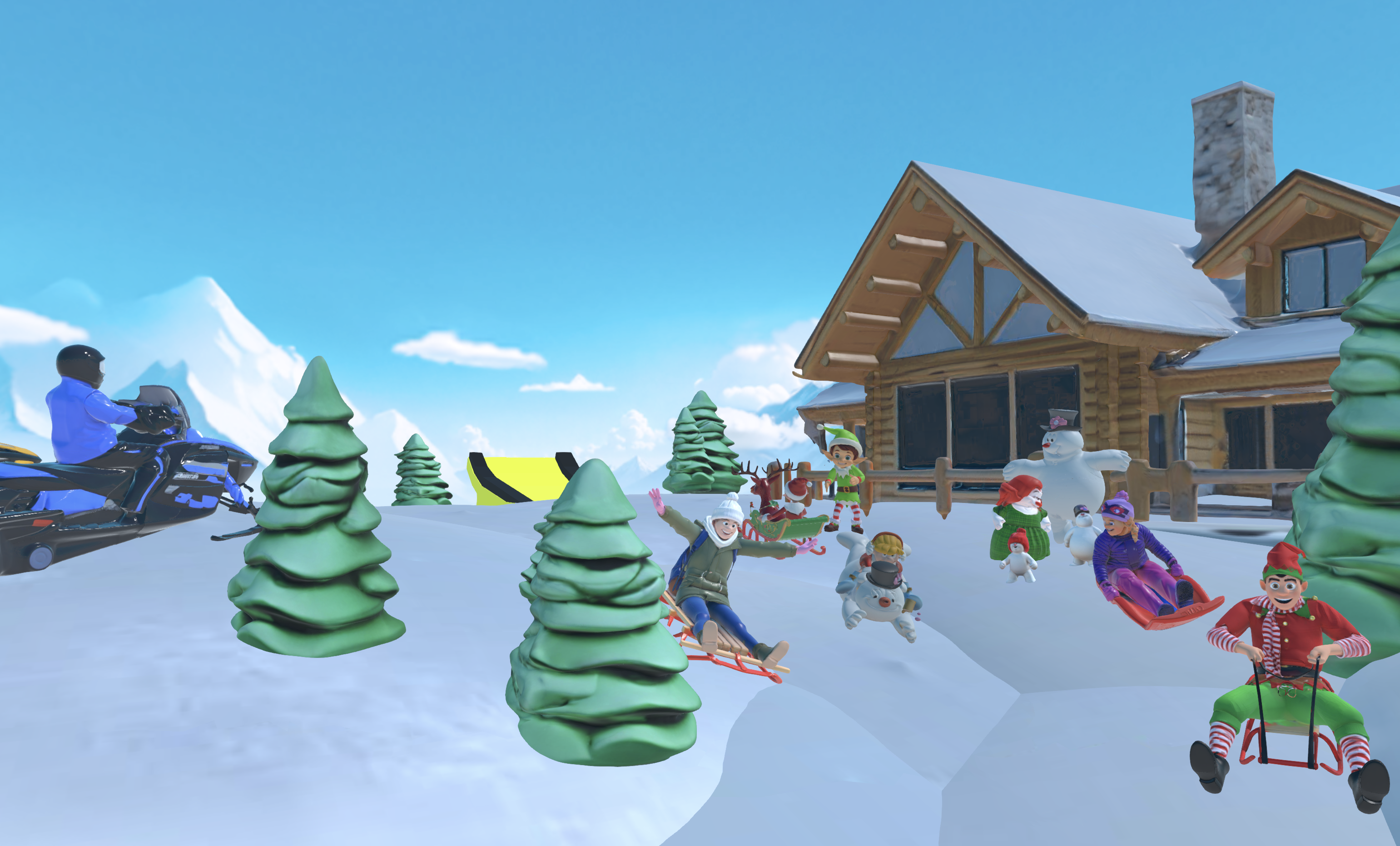
Step 3: Fix messy geometry with the real-time LOD slider. This step is where Nilo stands out compared with raw AI generators. Drag the LOD slider until you hit your target triangle count. Roblox PC assets often sit around 10,000 to 20,000 triangles, and mobile assets should stay lower. Nilo simplifies the mesh in real time and keeps the shape while cutting extra triangles. Your model then works directly in Roblox Studio. You skip Blender and manual retopology completely. Many builders save 30 minutes or more per asset here.
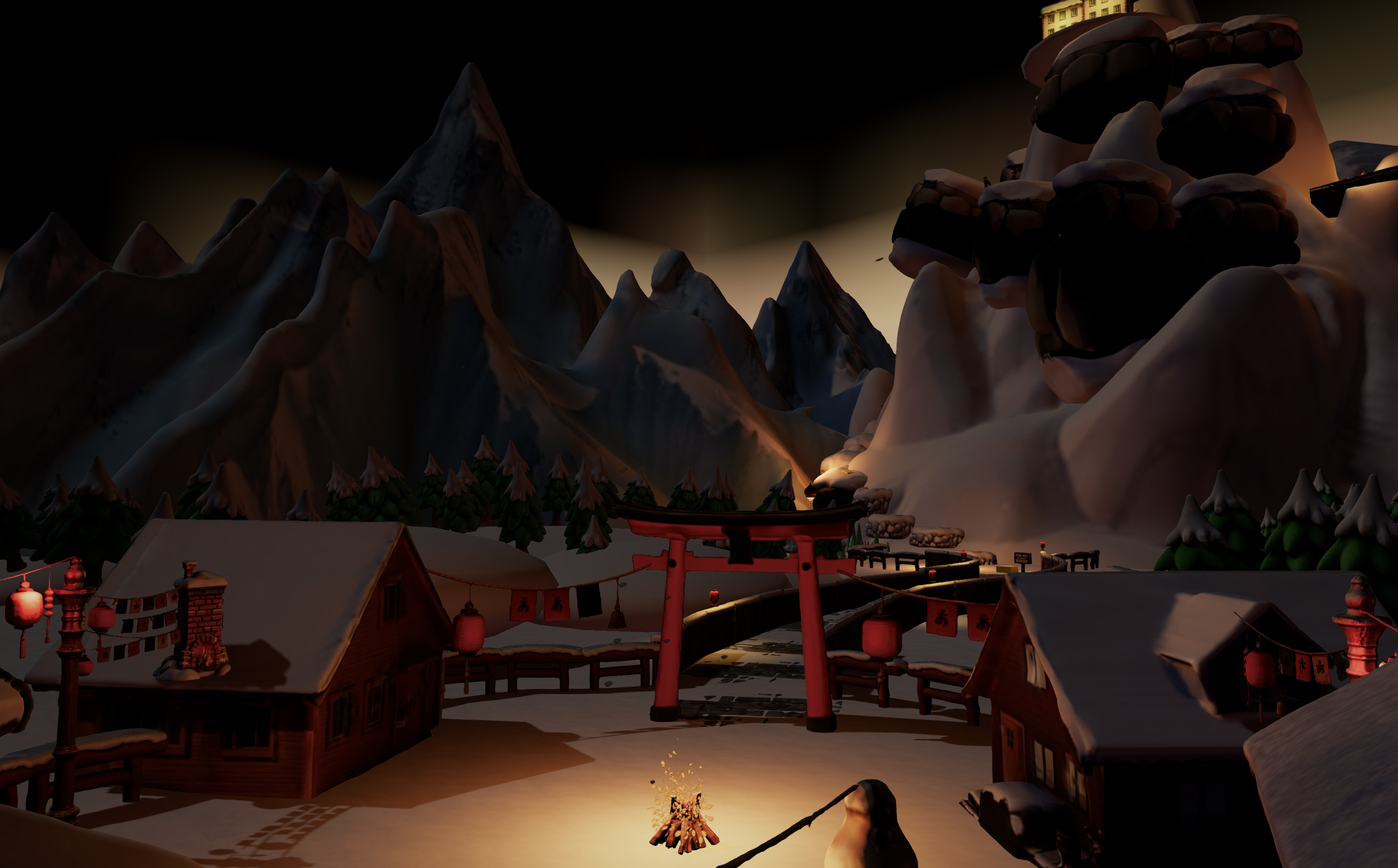
Step 4: Rig bipedal characters in a T-pose with one click. If you are working on a humanoid character, Nilo rigs it for you with a single click. Rigging adds a skeleton so the character can move and animate. Nilo focuses on bipedal characters in a T-pose, which gives you the cleanest animation results. AI meshes often have poor edge flow around joints, which normally forces you to retopologize in Blender before rigging. Nilo handles that step for you in the browser.
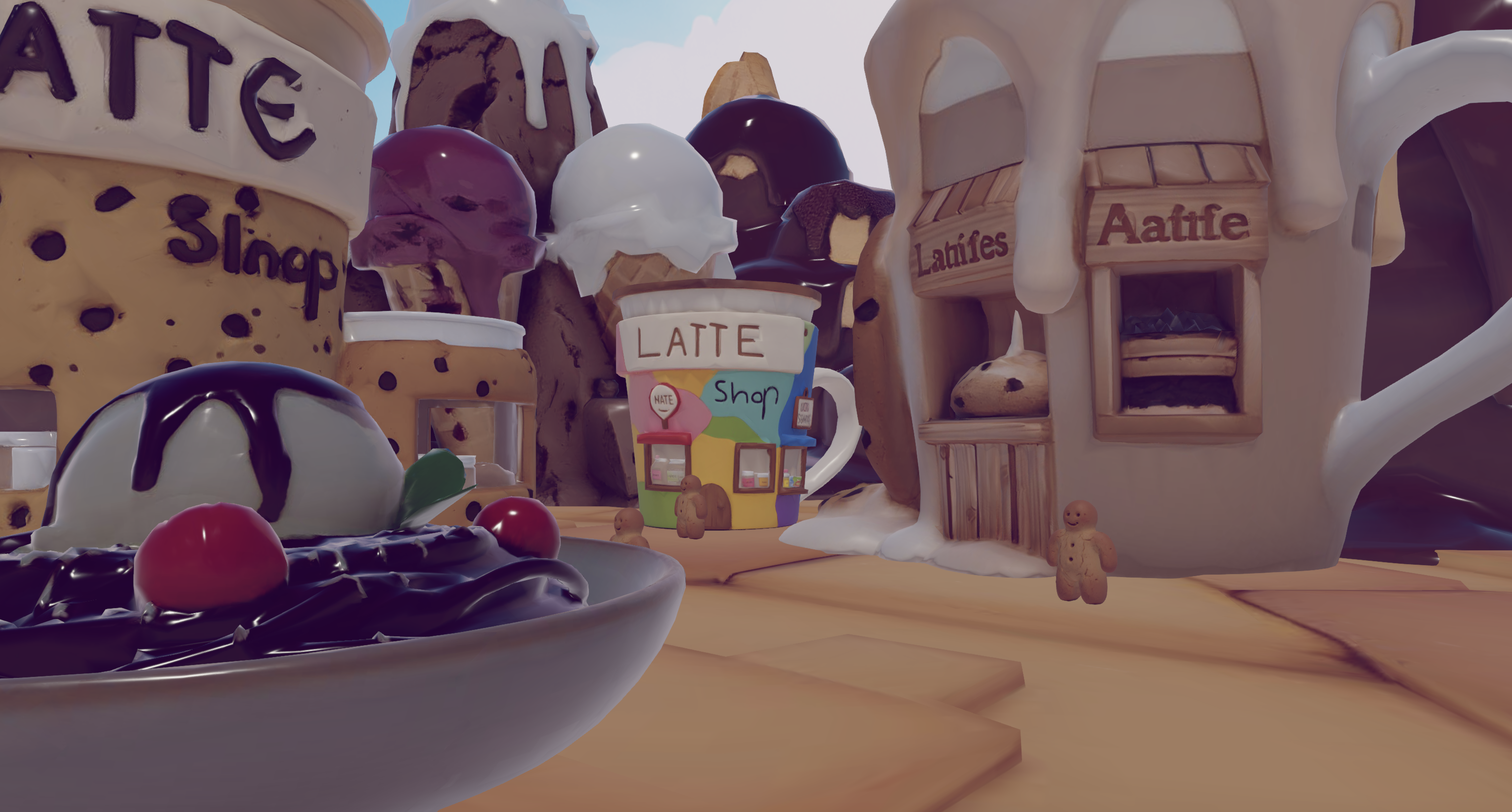
Step 5: Generate animation from a simple text prompt. Type what you want your character to do, like “walk forward,” “swing a sword,” or “idle breathing.” Nilo then creates the animation. You do not set keyframes or scrub a timeline. You just describe the motion in plain language. This approach can turn hours of keyframe work into a few minutes of prompting.
Step 6: Run the Roblox export checklist for clean imports. Before exporting, confirm your asset respects Roblox’s rules, which are the same rules ForgeGUI meshes often break. The key checkpoints are:
- Triangle count: use lower counts for mobile and up to 20,000 for PC or console
- Texture size: 1024×1024 maximum
- Collision masks: verify that collision data exists and behaves as expected
- File format: Roblox recommends FBX (primary) or glTF for rigged, animated, and other 3D assets
Step 7: Export and import straight into Roblox Studio. Click Export in Nilo, download your FBX or GLB file, then drag it into Roblox Studio’s 3D Importer. The Studio Importer supports rigged and animated assets that the older bulk importer cannot handle. Your asset comes in with clean topology, a safe triangle count, and working collision data.
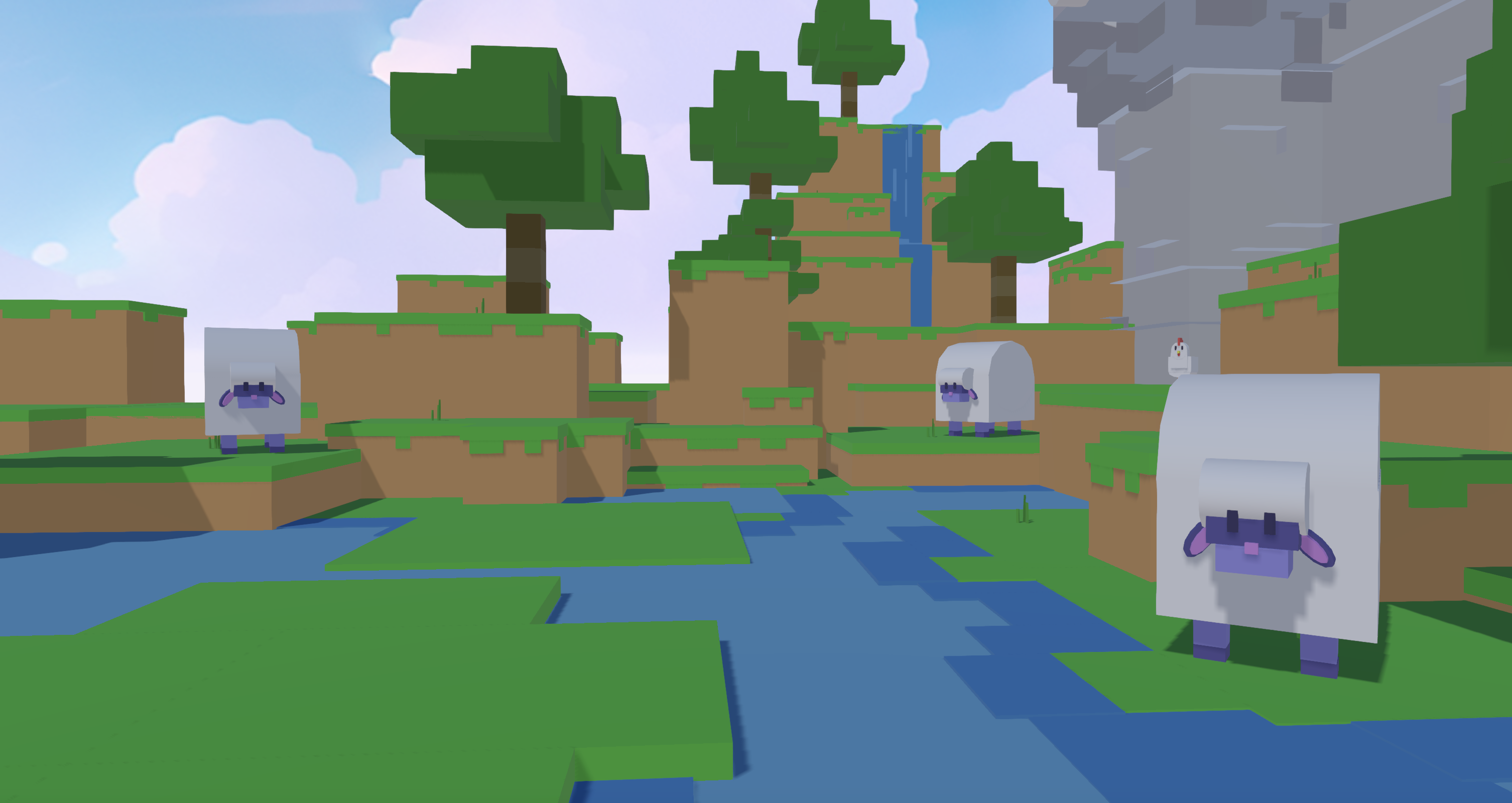
Ready to try this flow yourself? Test the seven-step workflow in your browser, with no download required.
ForgeGUI Raw Output vs Nilo’s Cleaned Meshes
| Asset Type | ForgeGUI Result | Nilo Result | Time Saved |
|---|---|---|---|
| Humanoid character | Dense triangulation, poor joint edge flow, missing collision | Reduced triangle count, one-click rigged, Roblox-ready | 30–60 minutes of Blender retopology removed |
| Prop (weapon/item) | Non-manifold geometry, floating mesh islands | Clean topology, triangle count checked under 8,000 | 15–30 minutes of manual cleanup removed |
| Environment piece | Over 20,000 triangles, inaccurate collision boundaries | LOD slider targets mobile-safe counts, collision masks included | 20–45 minutes of optimization work removed |
| Animated character | Needs Blender rigging and manual keyframe animation | One-click rig plus text-based animation generation | Hours of animation work reduced to minutes |
Fixing Common ForgeGUI-to-Roblox Issues
Uneven topology from the first prompt. If your mesh still looks rough after using the LOD slider, refine your text prompt with clearer geometry details. A phrase like “low-poly sword with flat blade” usually gives a cleaner mesh than a single word like “sword.” You can also switch between Nilo’s AI providers, such as Meshy and Tripo, to find the one that gives you the cleanest starting point for that asset type.
Missing or broken collision data. Complex mechanical objects with moving parts often come out of AI tools without accurate collision. In Nilo, check that collision masks are enabled before you export. For detailed props, collision meshes based on bounding box controls can save you hours of manual fixes later.
Vague prompts that create random-looking models. Vague prompts usually create vague models. Be specific about style, scale, and material. You might say “low-poly cartoon metal sword, hand-held size” or “realistic wooden crate, human-sized.” If the first generation misses, iterate right inside Nilo. Staying in one browser tab keeps your creative flow going.
Triangle count still too high for mobile. Mobile games need lighter meshes. Drag Nilo’s LOD slider further down and watch the live triangle count before you export. As builders in Nilo’s February 2026 survey mentioned, they no longer spend hours on simple 3D tasks because they can create usable assets in seconds.
ForgeGUI and Nilo: How They Fit Together
Is ForgeGUI free?
AI generation tools like ForgeGUI often include usage limits or paid tiers, so you should check what fits your workflow. If you create Roblox assets regularly, you can combine tools or switch to a browser-first setup. Nilo’s free Starter tier, mentioned in Step 1, includes monthly Bits plus core building features that do not use Bits at all, which makes it a practical free option for a ForgeGUI-to-Roblox pipeline.
Is ForgeGUI legit?
ForgeGUI is a real AI 3D generator that many Roblox builders use. The main issue is not legitimacy. The real problem is the amount of cleanup you still need before the models work in Roblox Studio. Dense triangulation, non-manifold geometry, and missing collision data are common across AI mesh tools, not just ForgeGUI. Any ForgeGUI workflow that skips Blender still needs a retopology step somewhere. Nilo builds that step into the browser so you keep ForgeGUI-level speed while still landing on Roblox-compatible assets.
How does ForgeGUI export to Roblox Studio?
ForgeGUI usually exports assets as PNGs, ZIPs, GLBs and more, which you can bring into Roblox Studio and other tools. The challenge is that these meshes often exceed Roblox’s performance limits or contain geometry errors that cause warnings or failed uploads. The ForgeGUI export technically works, because the file imports, but the asset often needs triangle reduction, retopology, and collision setup before it runs well in-game. Using Nilo in the middle handles those steps for you. You generate or import your idea, clean it with the LOD slider, then export a Roblox-ready FBX or GLB.
What’s the difference between ForgeGUI and Nilo?
When you compare ForgeGUI and Nilo, the biggest difference sits in what happens after generation. ForgeGUI focuses on turning a prompt into a model quickly. Nilo covers the full asset pipeline. You can generate from text, sketch, or image, clean the mesh in real time with the LOD slider, rig bipedal characters with one click, create animations from text, and export with triangle counts and collision data already checked for Roblox. Nilo runs as a standalone browser platform, so you do not install plugins or chain multiple tools. In Nilo’s February 2026 survey, most builders rated their experience as “Awesome” or “Good” and said they would recommend it to a friend.
Can you build a ForgeGUI Roblox workflow without Blender?
You can, and the seven-step Nilo workflow shows one way to do it. The classic pipeline of ForgeGUI to Blender to Roblox Studio slows you down and breaks your creative rhythm. Nilo replaces the Blender step with a real-time LOD slider and automatic topology cleanup in your browser. You stay in one tab from the first prompt to a playable asset.
Ready to Skip Blender and Stay in Flow?
The ForgeGUI to Blender to Roblox pipeline made sense when you had no other option. Nilo now gives you a browser path that handles retopology, rigging, animation, and Roblox export in one place. You stay in creative flow from your first idea to the final import.
In Nilo’s February 2026 survey, 72% of builders said Nilo makes their creative process easier “by a lot.” The platform is backed by Supercell, runs on a custom game engine, and is in open beta, so you can start using it for free today.
Experience the full ForgeGUI-to-Roblox workflow at play.nilo.io, with no download, no Blender, and no manual cleanup required.