Written by: Nuno Leiria, Founder & CEO @ Nilo
What You’ll Learn About Bitmagic Rigging
- Bitmagic uses AI to auto-rig models in one click, so you skip manual bone placement and weight painting.
- Exporting from Bitmagic to Roblox often needs extra fixes for bone naming, scaling, and polycount limits that can slow you down.
- Common post-export issues include messy topology, missing LODs, and vertex influence problems that require cleanup in Blender or Studio.
- Nilo provides a Roblox-focused pipeline with built-in retopology, LOD control, and direct export, so you avoid most external fixes.
- Start building Roblox-ready models in Nilo’s free open beta.
Bitmagic Rigging Basics for Roblox Builders
Rigging means adding a digital skeleton, a hierarchy of bones, to a 3D model so you can animate it. Without a rig, your character stays a static mesh. With a rig, it can walk, jump, and attack in your game. Bitmagic automates this step with AI, so you do not need to place bones or paint skin weights by hand.
Here is the Bitmagic rigging workflow:
- Generate or upload your model. Use Bitmagic’s text-to-3D prompt to generate a character, or upload an existing mesh. For better auto-rigging, use a clean humanoid shape in T-pose or A-pose.
- Trigger Bitmagic’s one-click AI rigging. When your model is ready, activate the auto-rig feature. Bitmagic’s AI analyzes the mesh, detects limbs and joints, and generates a skeleton automatically, so you skip manual bone placement.
- Review the auto-generated skeleton and weights. Check that the bone hierarchy looks correct. Look closely at skin weights, especially around shoulders, hips, and elbows, to see if deformations stay smooth.
- Export the rigged FBX or GLB. Download your rigged model as FBX for animated characters or GLB for a single bundled file. Both formats carry the rig and work in Roblox Studio.
This Bitmagic rigging flow stays fast and usually gives you a solid starting point for many character types without touching Blender.
How Bitmagic’s One-Click Rigging Actually Works
Bitmagic’s AI automation handles the full rigging pipeline in one step. You do not place joints, define bone hierarchies, or paint weights, because the system does that for you. Tools like Meshy and Tripo work in a similar way and often finish auto-rigging in under 30 seconds, while traditional manual weight painting can take 2 to 8 hours per character.
AI rigging removes the most repetitive parts of the workflow and helps you move faster. In practice, fully automated systems still have limits. A common pitfall is accepting the first result without testing skin weights at complex poses, especially around shoulders, hips, and elbows where bad deformation shows up first.
Bitmagic does not include manual rig editing tools or Roblox-specific bone naming. If the auto-generated skeleton does not match Roblox’s R15 hierarchy, which uses names like UpperTorso and LeftUpperArm, you need to fix it in another tool. For simple characters, the automation often gets you 80–90 percent of the way there. For complex or hero characters, you should expect some cleanup.
Exporting Bitmagic Rigs into Roblox Studio
Once you have a rigged model in Bitmagic, the next step is getting it into Roblox Studio, where several technical requirements start to matter. Roblox accepts .FBX, .OBJ, and .GLB files, with FBX or GLTF recommended for rigged or animated models. GLB also works and bundles textures into a single file.
The most common issues when exporting rigged models from Bitmagic to Roblox include:
- Scaling mismatches. Roblox uses a studs-based unit system where 1 real-world meter equals about 3.57 studs (25/7 ratio). Models exported at the wrong scale appear giant or tiny in Studio.
- Bone naming issues. Roblox requires R15 bone naming conventions for character rigs. AI-generated bone names often do not match these conventions by default.
- Triangle cap violations. Roblox limits individual meshes to approximately 10,000 triangles for batch imports and 21,000 triangles for single imports. AI-generated models often exceed this limit without extra work.
- Bone influence limits. Roblox rigged meshes limit how many bones can influence each vertex, so heavy blending can cause import errors.
- Texture resolution. Textures must be PNG, JPG, TGA, or BMP and stay at or below 4096×4096 pixels.
When you import into Roblox Studio, set Scale Unit to Stud, World Forward to Front, and World Up to Top. These settings help your AI-generated models arrive at the correct scale and orientation.
Common Problems After Exporting Bitmagic Rigs
Even when the Bitmagic workflow feels smooth, you may still hit these issues after import into Roblox Studio:
- Messy topology. AI-generated meshes typically lack the clean topology needed for smooth deformation, so you often need manual cleanup before they feel game-ready.
- Missing LODs. LOD, or Level of Detail, swaps a high-poly model for a simpler version when it moves away from the camera. Without LODs, complex models can hurt performance on mobile and lower-end devices.
- Vertex influence limit violations. Automated rigs sometimes assign more than four bone influences per vertex, which Roblox rejects during import.
- Broken animations after import. Animating a rigged model in Roblox can cause strange full-body distortion when pivot points, bone origins, or hierarchy structures do not match Roblox’s expectations.
A Roblox-Ready Workflow with Nilo
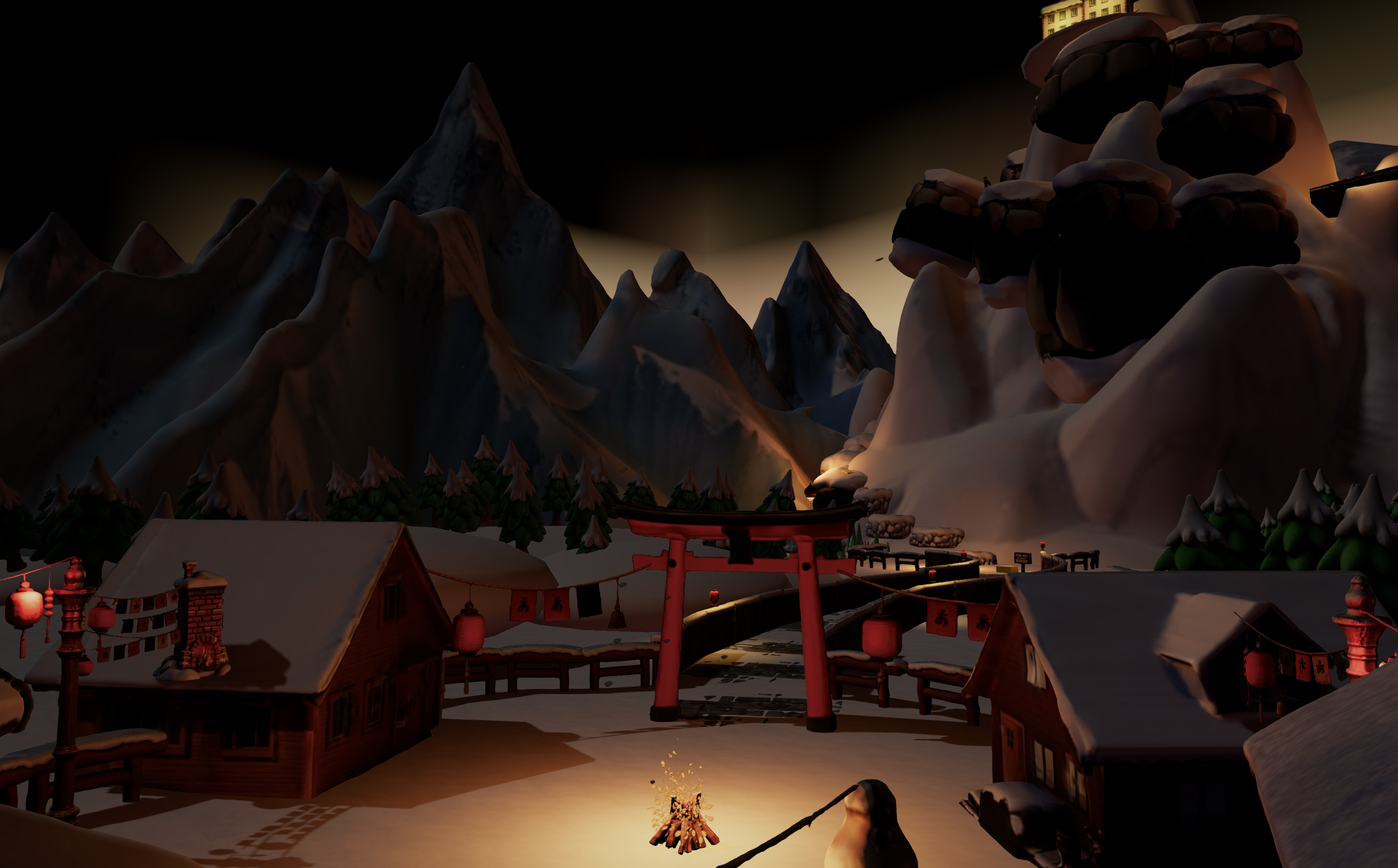
Nilo stands out when you want a Roblox-focused pipeline without constant tool-switching. Instead of generating in one tool, cleaning up in Blender, and then exporting to Studio, you handle the full workflow in one browser-based place with Nilo, with no downloads or installs.
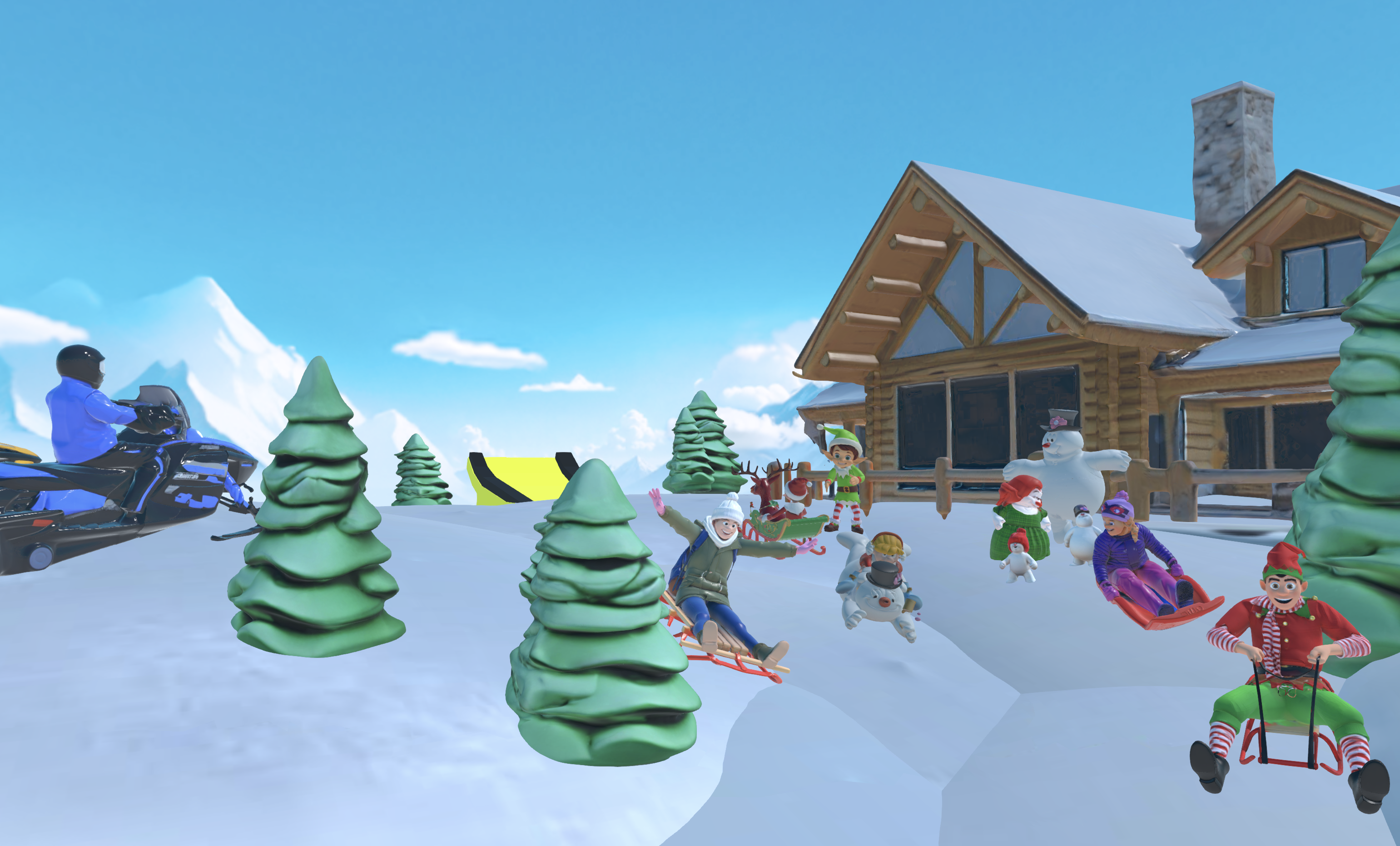
Nilo’s real-time retopology automatically cleans up AI-generated meshes and removes the messy topology that causes deformation problems. This clean topology then feeds into the LOD system, which adjusts polygon counts on the fly to keep models under the triangle cap automatically. Once your mesh is ready, one-click rigging creates a skeleton structured for Roblox, and direct FBX or glTF export sends your model straight to Studio without extra scaling, bone naming, or polycount fixes.
When you compare tools, think about whether you want Roblox-specific optimization built into the rigging step or feel fine handling scaling, bone naming, and polycount cleanup yourself after export. Bitmagic works well for fast prototyping when Roblox compatibility is not your main focus yet. Nilo fits better when you want to stay in creative flow from prompt to Roblox-ready export.
Try Nilo’s Roblox-optimized pipeline free in open beta.
How to Rig Models for Roblox in Nilo
Nilo’s rigging workflow is built specifically for Roblox builders like you. Here is how it works:
- Generate or upload your model. Type a text prompt, sketch in 2D, or upload a reference image. Nilo’s model-agnostic AI layer pulls from multiple providers, including Meshy and Tripo, so you get strong results without switching tools.
- Adjust detail with the LOD slider. Use Nilo’s real-time Level of Detail slider to bring your polygon count under Roblox’s limits. The mesh topology cleans up at the same time, so you avoid a Blender detour.
- Rig with one click. Hit the rig button. Nilo generates a skeleton, applies skin weights, and structures the rig for Roblox compatibility from the start.
- Export directly to Roblox Studio. Click Export and download an FBX or glTF file that arrives Roblox-ready in seconds. Import into Studio and start animating right away.
One builder in Nilo’s February 2026 survey said, “There are no limits on what you can create — just type, draw or add in an image and you can generate, rig, customise and place a fully 3D model within minutes.” That quote captures the difference between a tool that makes you fight polycounts and one that lets you stay in creative flow.
Bitmagic vs Nilo for Roblox Rigging
This comparison shows how the two tools line up on the things that matter most when you build for Roblox:
| Criteria | Bitmagic | Nilo |
|---|---|---|
| One-click rigging | Yes, AI auto-rigging with no manual bone placement | Yes, one-click rigging structured for Roblox compatibility |
| Retopology | Not built in; AI-generated meshes typically require post-generation cleanup | Real-time retopology built in, so you get clean topology with no manual cleanup |
| LOD control | Not included, polygon reduction needs external tools | Real-time LOD slider keeps models under the triangle cap automatically |
| Roblox export readiness | Exports FBX or GLB; bone naming, scaling, and polycount may need manual fixes for Roblox | Direct Roblox-optimized FBX or glTF export, Roblox-ready in seconds |
| Creative control | Pure generation tool with limited manual editing of rig or mesh after generation | Full asset pipeline in the browser, so you can generate, adjust, rig, animate, and export in one place; 72% of builders say Nilo makes their creative process easier by “a lot” (Nilo February 2026 survey) |
Both tools remove manual bone placement. The main difference shows up after the rig exists. Bitmagic gets you a rigged file quickly. Nilo gets you a Roblox-ready file quickly. If you enjoy handling fixes in Studio or Blender, Bitmagic can fit your style. If you want to skip cleanup and stay focused on building, Nilo’s end-to-end pipeline removes those extra steps.
Frequently Asked Questions
How long does it take to rig a model in Bitmagic?
Bitmagic’s AI auto-rigging runs quickly once your model is generated or uploaded. The full flow from prompt to rigged export usually takes a few minutes. You may still need extra time to fix bone naming, scaling, or polycount issues before the model behaves correctly in Roblox Studio.
Do I need any rigging skills to use Bitmagic or Nilo?
You do not need prior rigging experience for either tool. Both use AI to generate the skeleton and skin weights automatically. Basic knowledge of what bones do, what skin weights control, and why polycount matters still helps you spot problems faster when something looks off after import.
What export formats work best for rigged Roblox models?
As mentioned earlier, FBX or GLTF work best because they carry full skeleton and animation data. GLB is a good choice when you want textures bundled into a single file. OBJ does not support rigging or animation, so it only works for static props.
When should I choose Bitmagic over Nilo, or the other way around?
Bitmagic works well when you want fast AI-generated characters and feel comfortable handling Roblox-specific fixes such as scaling, bone naming, and polycount reduction yourself or in Blender. Nilo stands out when you want the full pipeline handled in one place, including generation, retopology, rigging, LOD adjustments, and direct Roblox export, all inside your browser.
Can I animate rigged models after exporting from these tools?
Yes. Both Bitmagic and Nilo export rigged models in formats that support animation. In Roblox Studio, you can apply animations to imported rigs using the Animation Editor. Nilo also supports AI-generated animations from text descriptions before export, so you can preview motion in the browser before sending the model to Studio.
Experience the full pipeline yourself and join Nilo’s open beta at no cost.
Conclusion
Knowing both the Bitmagic and Nilo rigging workflows gives you real options for how you build. Bitmagic automates the skeleton. Nilo automates the entire Roblox-ready pipeline. Choose the workflow that keeps you building instead of debugging. Join Nilo’s open beta and try building and playing for free.