Written by: Nuno Leiria, Founder & CEO @ Nilo
Key Takeaways for Roblox-Focused Builders
- Most aspiring Roblox builders abandon projects because of tool fragmentation, juggling separate modeling, coding, and engine tools that kill momentum.
- HypeHype offers mobile-first creation with visual scripting but limits custom 3D asset generation and flexible export for Roblox workflows.
- Unity provides professional-grade power and some no-code options, yet its steep learning curve, desktop install, and manual optimization steps block many beginners.
- Browser-based AI tools like Nilo remove many hurdles with text-to-3D generation, natural-language scripting, real-time LOD optimization, and one-click Roblox-ready exports, all in your browser.
- Join Nilo’s open beta to try friction-free 3D creation and start building your first playable world today.
AI Browser Tools for Roblox-Ready 3D Creation
A new category of tools now sits beside traditional engines and mobile-first platforms. These AI-assisted, browser-based 3D creation environments run entirely in your browser, use AI for the heavy technical work, and keep you in creative flow without downloads, installs, or years of training.
About 84% of developers now use or plan to use AI tools in their workflow, and modern browser tech like WebAssembly and WebGPU makes high-performance 3D possible without a desktop app.
Here is how Nilo, HypeHype, and Unity compare on the things that matter most when you build for Roblox:
| Feature | Nilo | HypeHype | Unity |
|---|---|---|---|
| Browser-based (no install) | Yes | Mobile app | Desktop install required |
| AI asset generation | Text, sketch, image to 3D | Limited | AI Assistant for code generation |
| No-code / low-code scripting | Natural language prompts | Visual scripting | Visual scripting + AI Assistant |
| Real-time multiplayer collaboration | Yes, share via link | Limited | Not built-in for creation |
| Roblox-optimized export | Yes, with auto LOD | No | Manual optimization required |
| Learning curve | Low, game-like interface | Low, mobile-first | High, professional-grade |
| Export formats | FBX, OBJ, STL, glTF | Limited | Multiple formats, manual setup |
Start creating in your browser with Nilo, no installs required.
3D Asset Creation Without Blender Headaches
Most aspiring builders hit a wall on modeling, not scripting. Learning Blender can take months. One builder in Nilo’s February 2026 survey said, “Picture yourself, frustrated because you spent the last 5 hours 3D modeling a shipping container. All I have to do is open Nilo and do it in 20 seconds.”
HypeHype focuses on mobile-friendly game creation with pre-built assets and templates. You can start fast, but custom 3D asset generation stays limited, so you mostly work with the existing library.
Unity does not generate 3D assets natively. You bring your own models or grab them from the Asset Store. The Unity AI Assistant helps with code, not geometry.
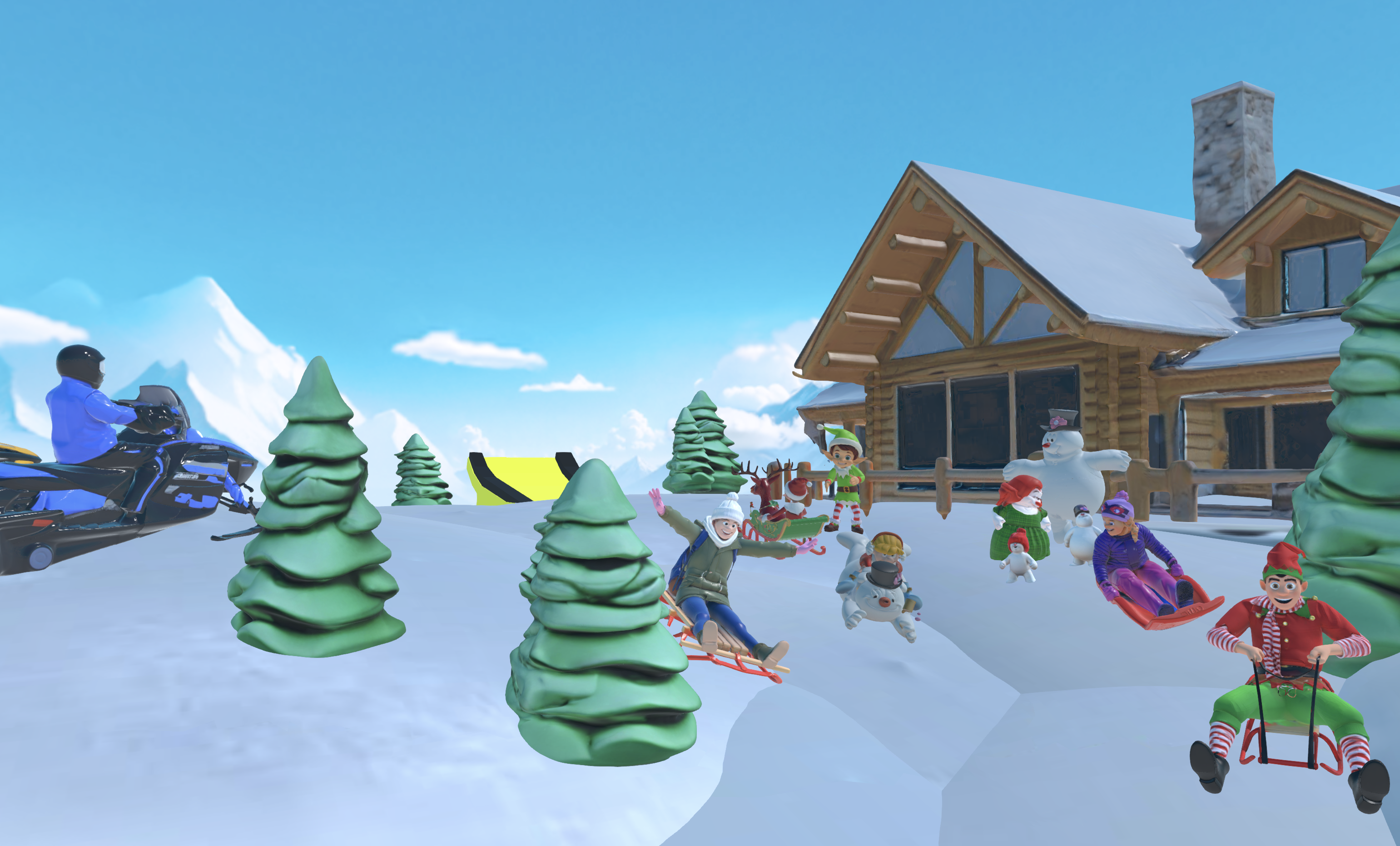
Nilo stands out here with AI text-to-3D generation for characters, props, and environments. You type what you want, sketch it, or upload a reference image, then get a 3D model in seconds. Multiple AI model providers, including Meshy, Tripo, and Cartwheel, run behind one interface so you see strong results without switching apps.
Natural-Language Scripting Instead of Code Walls
Scripting often becomes the top barrier between your idea and a playable game. You can build the world, but making it interactive usually demands code, and many projects stall there.
HypeHype uses visual scripting, so you connect logic blocks instead of typing code. That works for simple mechanics, yet it reaches a ceiling once you want deeper custom behavior.
Unity offers visual scripting plus an AI Assistant that generates C# scripts from conversational prompts, such as “create a script that makes the player jump when I press the spacebar.” This feels powerful, but you still need to attach scripts, manage components, and debug when something breaks. Multiplayer networking in Unity also stays very hard to set up with no-code tools alone.
Nilo’s vibe coding approach uses a built-in code editor that accepts natural language prompts, letting you create 3D games by talking, texting, or sending images to the AI. It generates working code with instant feedback in your 3D world. You can open the code and tweak simple values, like changing “speed = 2” to “speed = 20,” so you learn real programming concepts while you build.
World Building and Scene Assembly for Roblox-Style Worlds
HypeHype makes scene assembly fast on mobile. Its template-driven approach drops you into a playable world quickly, although spatial depth and fine-grain customization stay limited compared to desktop engines.
Unity’s scene editor feels powerful and flexible, yet you must understand GameObjects, components, prefabs, and hierarchies before you can build something meaningful. That learning curve feels steep if you come from Roblox.
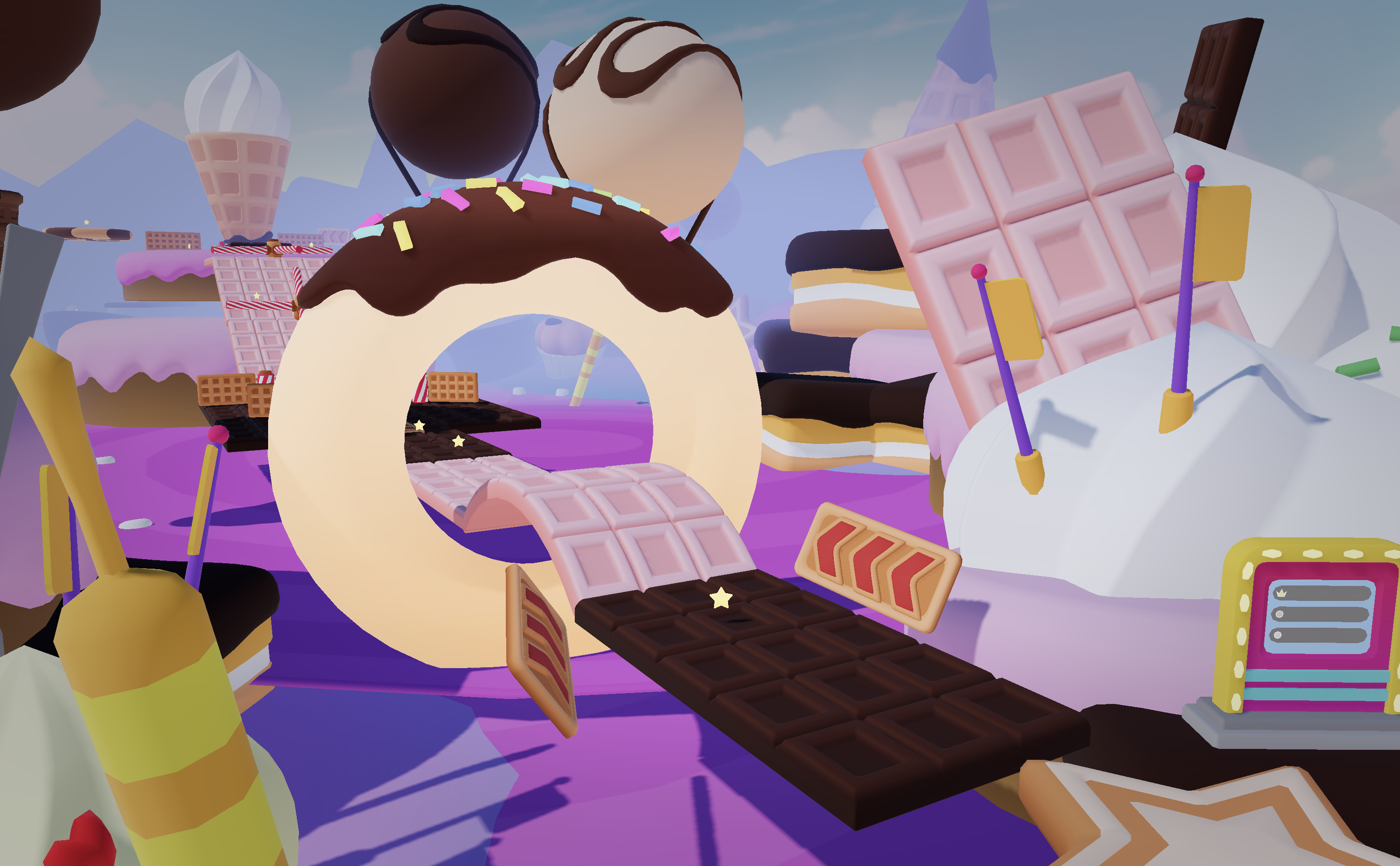
Nilo uses a radial menu for quick object creation, an inspector panel for detailed property editing, and real-time physics simulation. Everything feels interactive and dynamic by default. One builder in Nilo’s February 2026 survey said, “It helps me physically visualize any images I may have drawn and helps make my ideas actually come to life.”
Handling Roblox Performance Limits Automatically
Roblox has strict performance limits. Models usually cap at 10,000 to 20,000 polygons, which are the triangles that make up a 3D mesh, and textures max out at 1024×1024 pixels. Hitting these limits with manual or AI-generated assets creates constant stress for many builders.
HypeHype is tuned for mobile performance, but its export pipeline does not center on Roblox’s specific constraints.
Heavy performance optimization in Unity often requires custom code, because automated no-code tools struggle with precise memory management for high-end 3D graphics.
Nilo’s real-time LOD, or level of detail, system automatically adjusts polygon counts on the fly to match Roblox’s polygon caps. You stop counting triangles and focus on building worlds that run smoothly.
Building Together With Friends in Real Time
HypeHype feels social on mobile, with sharing built into the platform. Real-time co-creation, where you and your friends build at the same time in one scene, stays limited.
Unity does not include built-in real-time collaborative creation. Teams usually rely on version control systems like Git, which adds a lot of technical overhead for aspiring builders like you.
Nilo supports real-time multiplayer creation. You share a URL and start building together instantly on desktop or mobile. You can publish worlds publicly, keep private staging worlds, or clone and remix other builders’ creations, so creation feels social from the start.
Exporting Roblox-Ready Assets From One Place
HypeHype’s export options stay limited. The platform works mainly as a self-contained ecosystem, which feels fine if you build only for HypeHype’s audience but gets frustrating when you want to move assets into Roblox Studio.
Unity exports to many formats and platforms, yet moving assets from Unity into Roblox usually involves manual optimization steps. You often handle retopology, which means cleaning up a 3D mesh’s structure, resize textures, and adjust rigs.
Nilo exports to FBX, OBJ, STL, and glTF formats, which work with Roblox, Unity, Blender, VRChat, and Unreal Engine. The LOD system keeps polygon counts within Roblox’s caps before export. Nilo does not lock you in, so you can treat it as an asset creation pipeline for any platform.
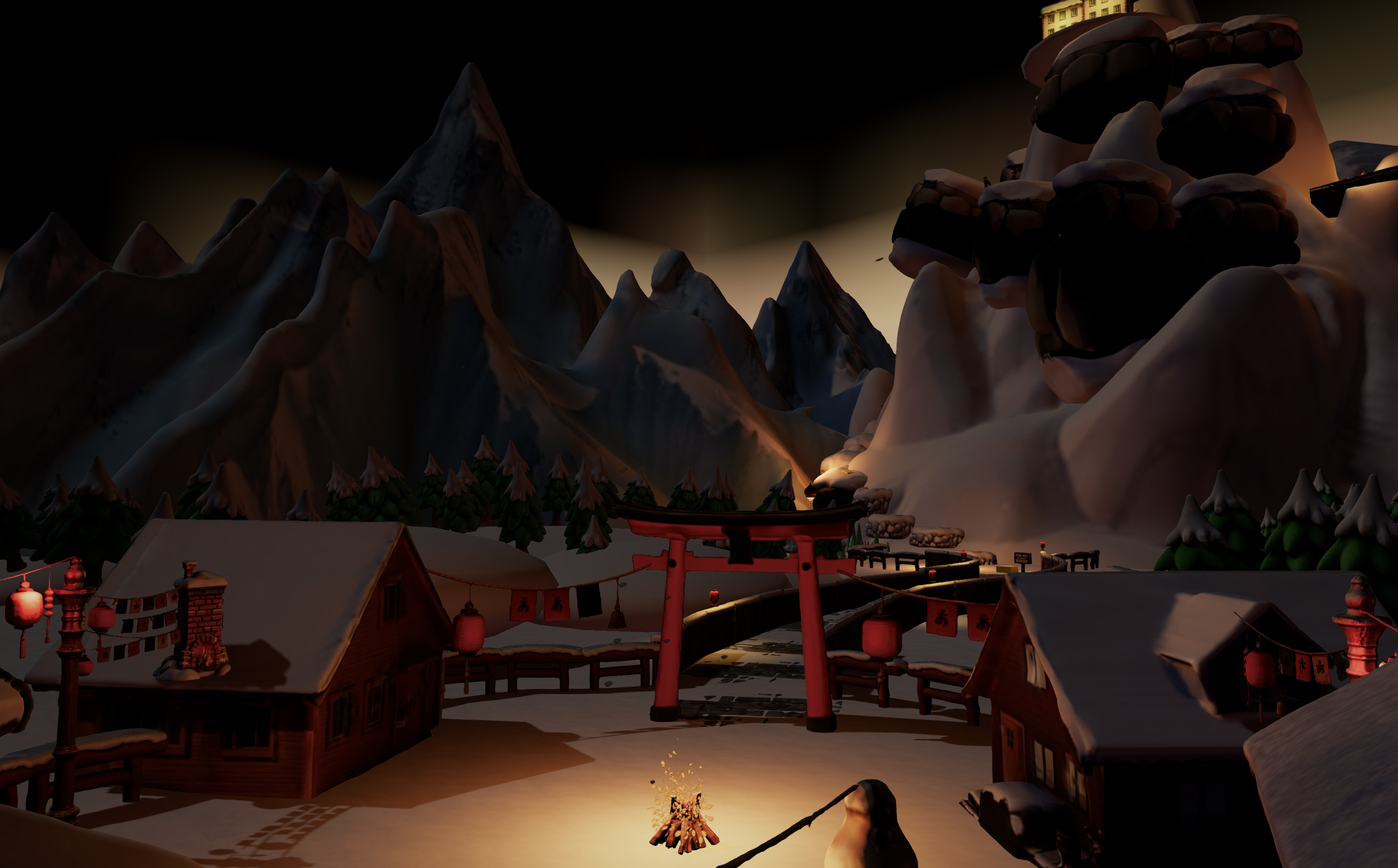
Export a Roblox-ready asset from Nilo’s open beta and test it in Studio today.
Unity’s Role for Aspiring Builders in 2026
Unity still plays a huge role in game development. About 50% of games across devices are made with Unity (per Unity’s 2022 statement), including roughly half of Steam games and about 70% of mobile games, and it dominates AR and VR content. If you are deciding whether to learn Unity, keep these points in mind:
- Ease of onboarding: Unity has a steep learning curve. Visual scripting helps, but you still spend a lot of time learning the editor before you build interactive content.
- Output quality: Unity can produce professional-grade 3D games, although reaching that quality takes serious time and practice.
- Export compatibility: Export support across platforms is strong, while Roblox-specific optimization stays manual.
- Collaboration: Unity is not built for real-time co-creation, so teams rely on external version control tools.
- Learning value: Unity teaches game development concepts that transfer well to professional workflows.
Unity recently launched Unity Studio, a web-based editor described as “an intuitive web-based editor that empowers anyone to build and share in 3D, without any coding or complex workflows.” You can evaluate it if you want Unity’s ecosystem with a lower starting barrier.
Monetization Paths on HypeHype vs Roblox
HypeHype offers a creator monetization program, but its scale and payout structure differ from Roblox’s creator economy, which pays over one billion dollars annually to creators and grows more than 30% year over year. If you want to earn through Roblox, you need to check whether HypeHype’s export pipeline supports that path and whether your target audience spends more time on HypeHype or Roblox.
When you evaluate any platform for monetization, focus on questions that protect your long-term earning potential. Start with ownership and ask whether the platform owns your creations or you do. Ownership controls whether you can export assets to Roblox Marketplace or other platforms, which shapes how you diversify revenue.
Next, look at the size and engagement of the platform’s player base, because a smaller audience usually means fewer potential buyers. Then review revenue-sharing terms and see how they change as you scale, so you avoid surprise cuts as your games grow.
Any models, skins, or UGC items you create in Nilo stay yours to publish and monetize on the Roblox Marketplace or anywhere else.
Why Unity Feels Less Aligned With New Creators
Unity is not disappearing, yet its position among aspiring builders has weakened. Several trends drive this shift.
- Layoffs and instability: Unity went through major workforce reductions in 2024 and 2025, which created uncertainty about long-term direction and support for indie creators.
- Browser engine maturity: WebAssembly, WebGPU, and web-native engines have matured a lot, so browser-based 3D creation now feels like a real alternative to desktop installs.
- AI-native competitors: Tools built from scratch with AI at the core, instead of AI added on top of older engines, give faster iteration for builders who do not need Unity’s full professional feature set.
- Audience mismatch: Unity was built for professional developers. Aspiring builders coming from Roblox and Minecraft often want tools that feel like play, not work.
Unity’s AI-assisted tier is described as a sweet spot for aspiring developers who want commercially viable 3D games, yet “commercially viable” assumes a level of commitment and time that many first-time builders are not ready to invest.
Three Starter Paths for Your First Worlds
The right tool depends on where you are today and what you want to build next. These three scenarios can help you think through your choice.
Scenario 1: You want your first playable world this weekend. You have a Roblox idea, no coding experience, and no time for installs. A browser tool with AI asset generation and vibe coding, where you describe what you want and see it appear in real time, removes nearly every barrier between now and a playable world. Nilo stands out here, because you open a browser, generate assets, build, and share a link.
Scenario 2: You already build in Roblox and feel tired of the Meshy → Blender → Roblox Studio pipeline. You know the basics, but constant tool switching kills your momentum. You should look for tools that cover the full asset workflow, including generation, optimization, rigging, animation, and Roblox-ready export in one place. Nilo’s LOD system and one-click export speak directly to this need. One builder in Nilo’s February 2026 survey said, “I like how it feels like a good game engine rather than a vibe coding tool, with easy building and a good focus on being able to export and import content.”
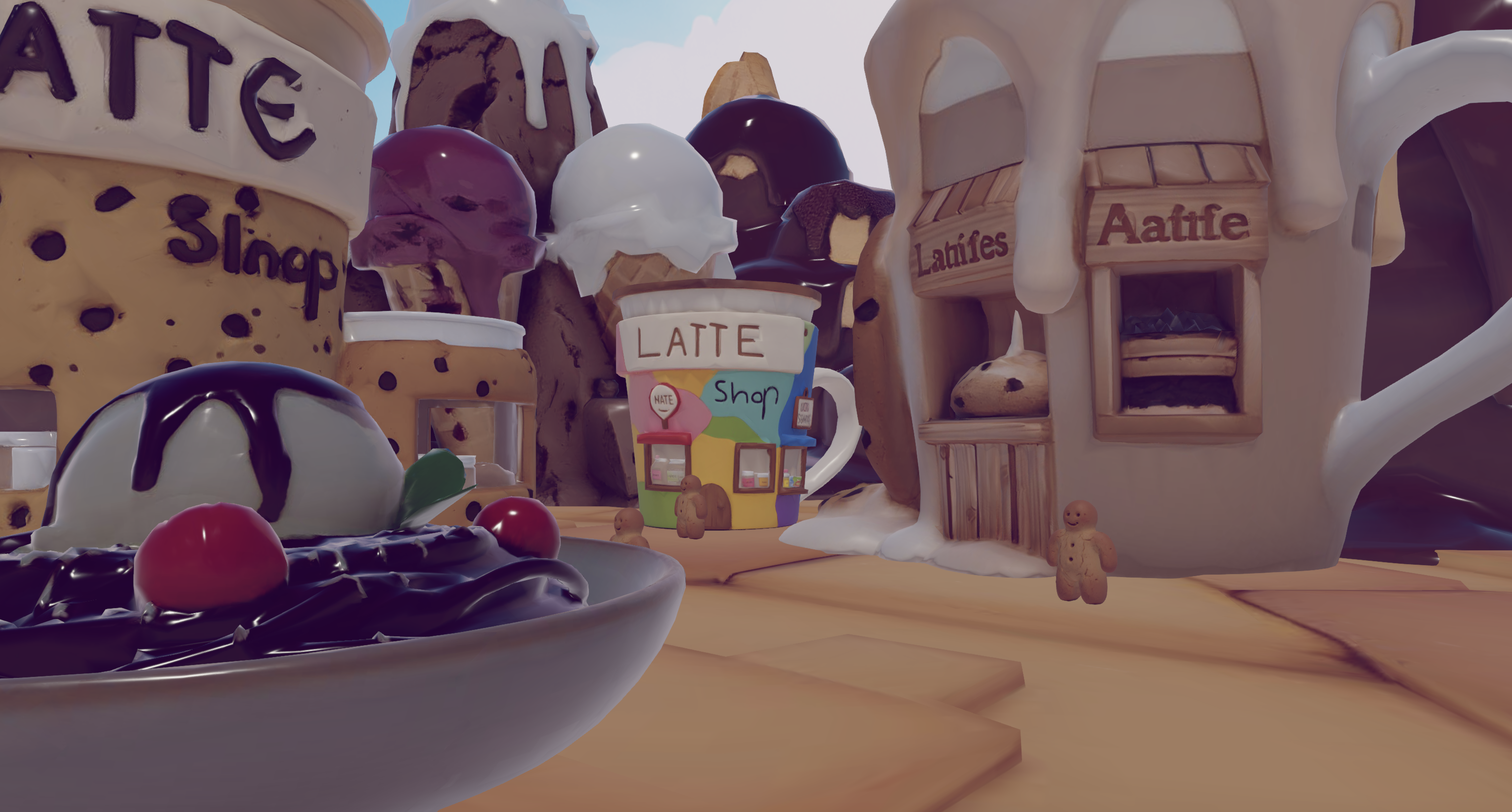
Scenario 3: You want to build with friends after school. You and two friends want to create a world together. HypeHype runs on mobile but limits deep co-creation. Unity expects everyone to install the same software and manage version control. Nilo’s real-time multiplayer creation, where you share a URL and start building together instantly, fits this scenario with almost no setup friction.
Frequently Asked Questions
What is HypeHype?
HypeHype is a mobile-first game creation platform that lets you build and share games using pre-built assets and visual scripting. It focuses on quick creation on phones and tablets with casual game styles. It feels accessible for beginners but offers less 3D depth and export flexibility than desktop engines or browser-based AI platforms.
Do I need to know how to code to use Unity, HypeHype, or Nilo?
Unity offers visual scripting and an AI Assistant that generates code from plain-language descriptions, although you still need to understand how to apply and debug that code. HypeHype uses visual logic blocks that require no typing. Nilo’s vibe coding approach lets you describe what you want in text, voice, or images and then generates working code with instant feedback in your 3D world, so you can start without scripting knowledge.
What is the real difference between browser-based and desktop game creation tools?
Desktop tools like Unity require installation, specific hardware, and setup time before you build anything. Browser-based tools run in any modern browser on most devices, with no downloads or installs. You can share a link and start building with friends instantly. Performance used to be the trade-off, but WebAssembly and WebGPU have closed much of that gap for 3D creation workflows.
Can AI-generated 3D assets actually meet Roblox’s performance limits?
AI-generated assets from tools like Meshy often ship with high polygon counts and messy mesh topology that need manual cleanup in Blender before they meet Roblox’s polygon caps, the 10,000 to 20,000 limit mentioned earlier. Nilo’s real-time LOD system adjusts polygon counts automatically, so assets are Roblox-ready on export without manual retopology. When you evaluate any AI asset tool, check whether it handles optimization for you or leaves that step on your plate.
Who owns what I create in these tools?
Ownership terms change from platform to platform. With Nilo, any models, skins, or UGC items you create stay yours to publish and monetize on Roblox Marketplace or any other platform. You should always read a platform’s terms of service before you invest serious time in creation and look closely at content ownership, licensing, and what happens to your work if you stop using the platform.
Conclusion: Pick the Tool That Keeps You Creating
HypeHype fits mobile-first, casual game creation with low setup friction. Unity gives you a serious professional engine with real no-code pathways, although its learning curve and desktop-first design slow down aspiring builders who want to move fast.
You can keep your decision simple. Judge tools by how quickly you go from idea to playable world, how well they handle Roblox’s performance requirements for you, and whether they keep you in creative flow or drag you into technical fixes.
If you want to generate, refine, rig, and export Roblox-ready assets without leaving your browser or touching Blender, Nilo stands out as a practical third option. In Nilo’s February 2026 survey, 93% of builders said they would recommend Nilo to a friend, and 82% rated their experience as “Awesome” or “Good.”
The tools that keep you building are the ones worth using, so start with the one that makes you excited to open your laptop or phone tomorrow.
Join Nilo’s open beta and try building and playing for free.