Written by: Nuno Leiria, Founder & CEO @ Nilo | Last updated: June 30, 2026
Key Takeaways for Roblox Prop Makers Like You
- AI-generated props usually need heavy Blender cleanup before they meet Roblox’s strict polygon and texture limits, which breaks your creative flow.
- Traditional multi-tool pipelines (AI generator → Blender → Roblox Studio) add friction that often leads to frustration and abandoned projects, especially for aspiring builders or already builders like you.
- Browser-based AI-assisted tools handle generation, retopology, rigging, and export in one place, so you can skip Blender for most props.
- When you compare Roblox prop makers, focus on automatic mesh cleanup, Roblox-ready export, real-time collaboration, and getting to your first export in under 10 minutes.
- Ready to skip Blender cleanup and stay in the flow? Try Nilo’s open beta and start building and playing for free.
The Friction When You Move From Playing Roblox to Making Props
You probably recognize this workflow. You generate a mesh in an AI tool like Meshy or Sloyd, download it, open Blender, manually retopologize the mesh so it stays within Roblox’s performance limits, re-export, import into Roblox Studio, see that the polycount is still too high or the textures broke, then start over.
Roblox enforces strict polygon caps, typically 10,000 to 20,000 triangles per mesh, and textures need to stay within 1024×1024 pixels. Most AI-generated meshes come out dense, asymmetrical, or with a “melted” look. Manual cleanup becomes the main job, not a side step.
As one builder described in Nilo’s February 2026 survey, “Picture yourself, frustrated because you spent the last 5 hours 3D modeling a shipping container.”
This daisy-chain of tools, AI generator → Blender → Roblox Studio, has become the default pipeline. Every handoff costs you time and knocks you out of your creative zone.
Why Cleanup Hurdles Kill Your Momentum
Retopology, the process of rebuilding a mesh’s geometry to reduce polygon count and clean up topology, is a professional skill. You spend months learning it in Blender, and even then each asset can take 30 minutes or more. If you are 11–18 and just want to design a sword or crate for your Roblox world, that feels less like a challenge and more like a brick wall.
You start a project excited, hit the technical cleanup phase, lose hours, and then walk away from the build. This pattern repeats because the tools were built for professionals who already know the pipeline, not for aspiring builders or already builders like you.
Prompt quality adds another layer of friction. Many AI generators need very precise prompts before they give you something usable. You burn time on regeneration attempts just to get a prop that does not look broken, before you even start cleanup.
AI-Assisted Browser Tools That Keep You Out of Blender
A newer group of tools now handles generation, optimization, rigging, and export inside a single browser tab. You avoid Blender, downloads, and constant tool switching. The technical pipeline fades into the background so you can focus on designing your world.
The contrast with desktop modeling software is clear. Blender is powerful but needs installation, a long learning curve, and manual work for every optimization step. Roblox Studio is where you publish and script, not where you model detailed props. Multi-tool pipelines force you to juggle file formats, export settings, and compatibility issues across several apps.
This is exactly what browser-based AI-assisted tools remove. They collapse that entire stack into one environment where generation, mesh simplification, rigging, and export all happen together. Because everything runs in the browser, you avoid hardware limits and can open a link and start building.
Jump into Nilo’s open beta if you want to try this single-browser workflow for free.
Generating and Cleaning Up 3D Assets in One Place
Most AI prop generators start from text prompts or reference images. The real challenge is the output quality, including weird geometry, random textures, and meshes that need heavy cleanup before they work well in Roblox.

Sloyd focuses on model generation and leaves optimization and export to other tools. Meshy generates quickly but usually produces meshes that still need Blender cleanup before they respect Roblox’s triangle limits mentioned earlier.
When you test any generator, check if it cleans up mesh quality for you or hands that work back to you. Also see if you can switch between different AI model providers. Some models are better for characters, others for props or environments, so a single fixed model can limit your results.
A model-agnostic interface, where you access several AI providers from one place, gives you more consistent output. Nilo brings providers like Meshy, Tripo, and others into one interface, so you can swap based on quality, style, or speed without leaving the platform. One builder in the survey said, “You can work 20 times faster than you usually work on models.”
Using Natural Language for Logic and Animation
Scripting blocks more Roblox creators than any other skill. You might have strong visual ideas but no coding background. The usual path, learning Lua, finding a scripter, or digging through Roblox Studio docs, feels slow and discouraging.
Natural language prompts, where you create 3D games by talking, texting, or sending images to the AI, change that experience. You describe what you want a prop or character to do, and the tool turns that into working logic in real time.
Pure prompt-to-game tools like Rosebud AI or Arcade AI create a full game from one prompt. They often give you limited control afterward. When you want to tweak how a single prop moves, you usually regenerate the whole thing instead of editing one detail.
When you compare tools, look for platforms that let you both talk to the AI and see the code variables it creates. That way you can accept the AI’s help, then adjust values directly, and grow your skills without starting from zero with scripting.
Building Worlds Together in Real Time
Generating one prop feels satisfying, but most of your time goes into building full scenes. You place props, adjust lighting, and shape the environment until your world feels alive.
Roblox Studio handles scene assembly well but needs installation and does not give you real-time multiplayer building. When you build with a friend, you pass files back and forth instead of sharing one live space.
Browser-based platforms can support real-time multiplayer creation. You share a URL and both of you build together instantly, on desktop or mobile. This helps when you want feedback while you build, not after you upload.
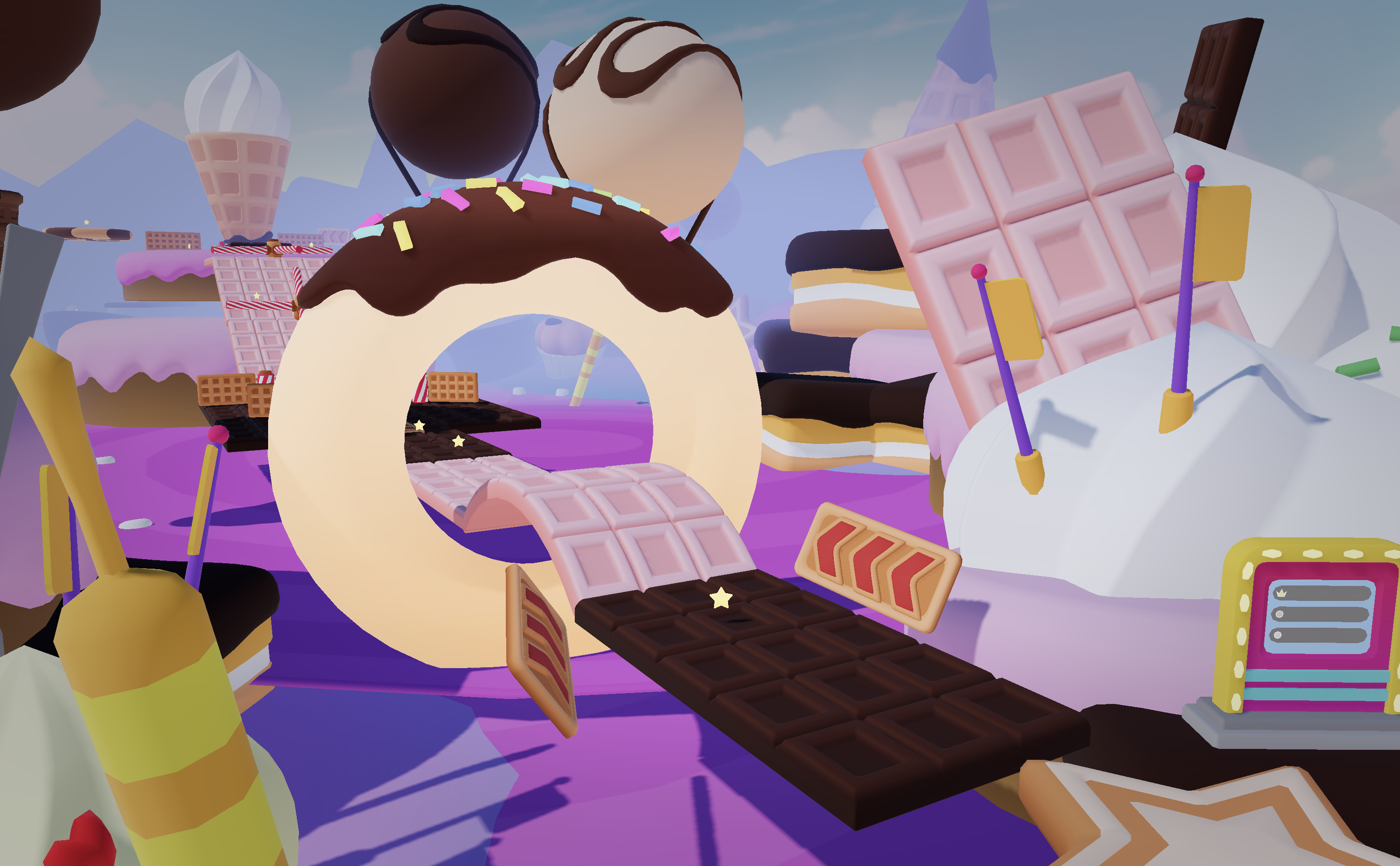
When you review world-building tools, check whether physics and collisions work by default, whether you can hit play and test your world without exporting, and whether friends can join with just a link instead of a full account setup.
Staying Under Roblox Triangle Limits With Direct Export
Roblox’s triangle caps, mentioned earlier, are where most pipelines fall apart. AI-generated meshes often blow past those limits. Manual retopology in Blender has been the traditional fix and also the biggest time sink in your workflow.
Real-time retopology, which automatically simplifies the mesh while you build, removes that step. Instead of spending 30 minutes per asset in Blender, you move a level of detail slider, set your target polygon count, and see the result before you export.
Nilo stands out here. Its real-time LOD system simplifies meshes automatically, and its export pipeline targets Roblox’s performance needs. Nilo adjusts polycount so models work directly in Roblox Studio without extra cleanup. You can export FBX, OBJ, STL, and glTF, which also work with Roblox, Unity, Blender, Unreal Engine, and VRChat.
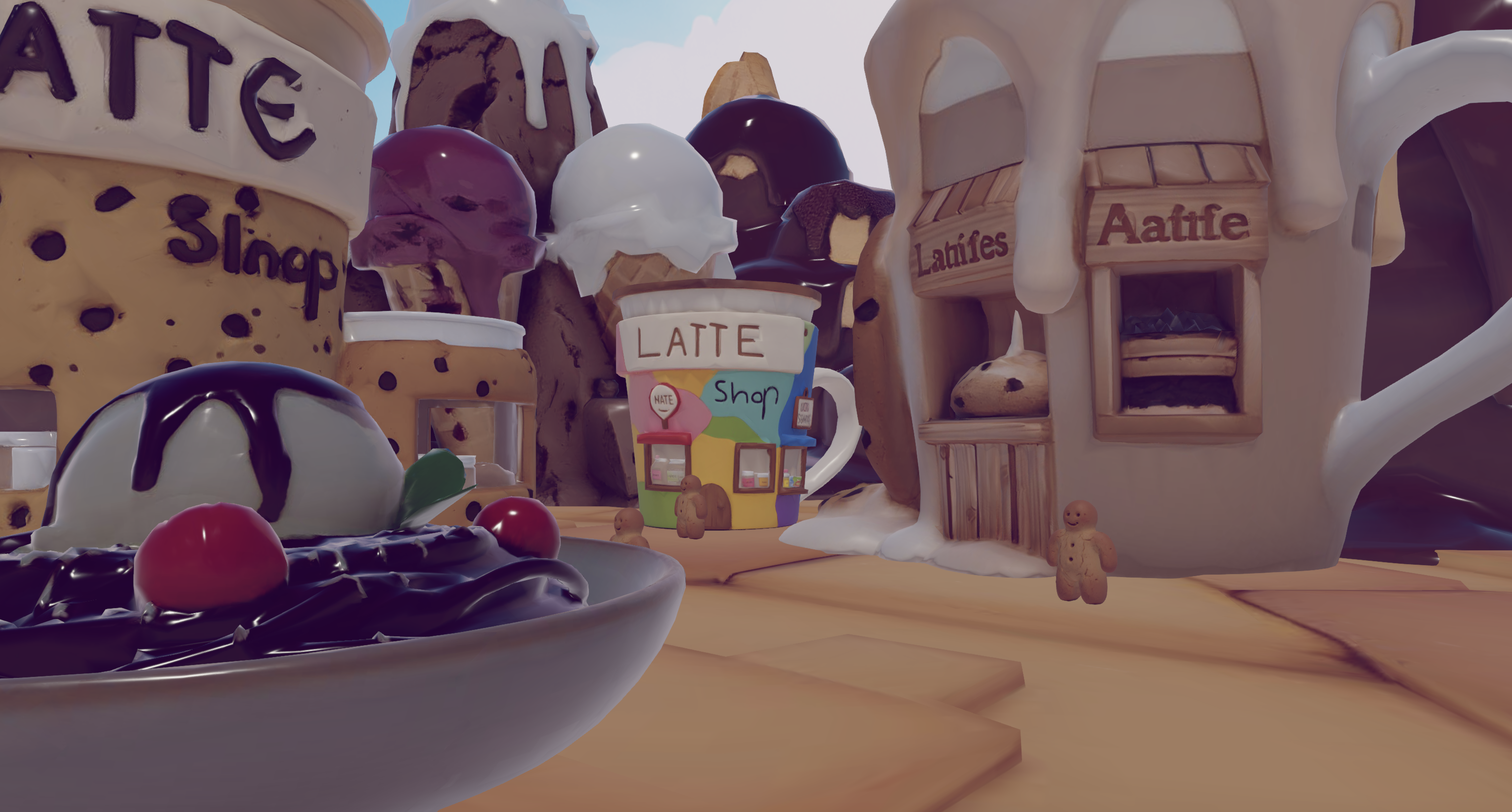
When you check export features, confirm that the tool creates Roblox-ready files by default. You should not need to lower polygon counts by hand after export. Also test whether textures, collision masks, and colors survive the trip, since those often break in multi-tool pipelines.
How to Judge Roblox Prop Maker Tools
Use these criteria when you compare Roblox prop makers, whether you are just starting or already building with friends.
- Onboarding speed: Aim to generate and export a prop in under 10 minutes on your first session. If a tool forces you through long tutorials before you make anything useful, it adds friction before you see any value.
- Topology cleanliness: Check whether the tool creates clean mesh geometry on its own or pushes you into Blender. Ask if the output passes Roblox’s triangle limits without manual cleanup.
- Export compatibility: Confirm that the tool exports FBX or glTF files that import into Roblox Studio without errors. Make sure textures, colors, and collision data stay intact.
- Performance limits: Look for tools that respect Roblox’s triangle caps during generation. A real-time LOD slider is a strong sign that the tool was built with Roblox constraints in mind.
- Collaboration: See if you can build with a friend in real time. For small teams, this cuts down file sharing and speeds up iteration.
- Learning value: Prefer tools that teach you real concepts like rigging, polygons, and mesh topology through the interface. These tools help you grow as a builder, not just as a prompt writer.
Here is a quick comparison of how traditional workflows and browser-based tools line up on these points.
- Topology cleanup: Traditional workflow uses manual Blender retopology for each asset. Browser-based tools rely on automatic mesh simplification.
- Export to Roblox: Traditional workflow needs manual format conversion and polycount fixes. Browser-based tools focus on direct Roblox-friendly export.
- Collaboration: Traditional workflow depends on async file sharing. Browser-based tools support real-time multiplayer through a shared link.
- Onboarding: Traditional workflow can take weeks to learn Blender basics. Browser-based tools let you generate your first prop in minutes with no install.
- Tool switching: Traditional workflow jumps from AI generator to Blender to Roblox Studio. Browser-based tools keep you in a single browser environment.
Frequently Asked Questions
What is a Roblox prop maker?
A Roblox prop maker is any tool that helps you create 3D objects like furniture, weapons, vehicles, or environmental details that you can import into Roblox Studio and use in a game. This includes desktop tools such as Blender, AI generators like Meshy or Sloyd, and browser-based platforms like Nilo that handle generation, cleanup, and export together.
Do I need to know Blender to make Roblox props?
You no longer need Blender for every prop. Blender has been the standard tool for fixing AI-generated meshes and lowering polygon counts before Roblox import. Browser-based platforms with real-time retopology now handle that step for you. If you can describe what you want in text or a sketch, you can generate, clean up, and export a Roblox-ready prop without opening Blender.
What is the difference between a browser-based prop maker and a desktop tool?
Desktop tools like Blender need installation, strong local hardware, and manual work for every optimization step. Browser-based tools run fully in your browser, with no downloads or setup. In practice, browser-based tools let you start building from any device, share your work with a link, and collaborate live. Desktop tools still give deeper manual control for advanced workflows, which matters more for professional pipelines than for most Roblox prop creation.
Can AI-generated props actually pass Roblox’s performance limits?
Some can, some cannot. Many AI generators create meshes that exceed Roblox’s triangle caps and need manual cleanup. Tools with built-in level of detail systems reduce polygon counts automatically so they meet Roblox’s requirements before export. When you test any AI prop maker, check whether it respects Roblox’s triangle limits during generation or leaves that job to you.
Who owns the props I create with an AI tool?
Ownership rules change from platform to platform. With Nilo, any models, skins, or UGC items you create belong to you to use, publish, and monetize, including on the Roblox Marketplace. Always read the terms of service for any tool you plan to use for commercial assets.
Choosing the Right Workflow for Your Roblox Goals
The core problem stays the same. AI-generated props appear quickly but take a long time to clean up. The multi-tool pipeline of generator, Blender, and Roblox Studio costs you hours per asset and breaks your momentum right when you feel most creative.
Browser-based AI-assisted tools respond by handling generation, retopology, rigging, and export in one place. Whether this fits you depends on your goals. If you want deep manual control over every vertex, Blender still makes sense. If you want to spend your time designing props instead of fixing polycounts, the browser-based category removes the biggest barriers.
As another builder mentioned in the survey, “There are no limits on what you can create, just type, draw or add in an image and you can generate, rig, customise and place a fully 3D model within minutes.”
Nilo is in open beta, free to use, and built for Roblox builders who want clean topology, Roblox-ready exports, and no Blender detours.