Written by: Nuno Leiria, Founder & CEO @ Nilo | Last updated: July 4, 2026
Key Takeaways
- AI-generated Roblox meshes often fail import because of messy topology and high triangle counts, but a browser workflow fixes this without Blender.
- This 7-step process walks you through account setup, AI mesh generation, retopology, rigging, export, upload, and pricing so you can sell UGC on the Marketplace.
- Nilo handles generation, LOD-based cleanup, one-click rigging, and Roblox-ready FBX export directly in your browser.
- Roblox currently requires ID verification, Premium 1000 or 2200, under 10,000 triangles, and a 300 Robux upload fee for 3D UGC items in 2026.
- Try Nilo’s browser workflow to create your first UGC item.
What “Create Sell UGC Roblox AI” Looks Like for You in 2026
In 2026, “create sell UGC Roblox AI” means you use AI tools to generate 3D accessories, clothing, and avatar items, clean them up so they meet Roblox’s technical limits, and list them on the Marketplace to earn Robux. You do all of this without pro 3D skills or a heavy desktop software stack.
Your 7-Step Workflow to Create and Sell Roblox UGC with AI
Follow these steps in order. Each one builds on the last, and you can run the whole workflow inside your browser.
Step 1: Confirm your Roblox creator account and eligibility
Start by making sure you can actually sell on the Marketplace. As of March 2026, publishing 2D avatar items requires ID verification plus an active Premium 1000 or 2200 subscription. 3D items follow similar rules, with some Plus eligibility. Log into your Roblox account, open Creator Hub, and check your subscription status. If you are not eligible yet, upgrading usually takes only a few minutes.
Step 2: Generate your first mesh in Nilo from text or sketch
Open Nilo in your browser, with no download or install. Type a description of the item you want, like “futuristic samurai helmet,” or sketch it using the sketch-to-3D pipeline. Nilo routes your prompt through multiple AI model providers, including Meshy and Tripo, behind one interface so you get a clean result without switching tools. One builder in Nilo’s February 2026 survey said, “I do not have to spend hours on 3D modeling the simplest things. Now I can use Nilo and do it in 15 seconds.”
Step 3: Clean your mesh with real-time retopology
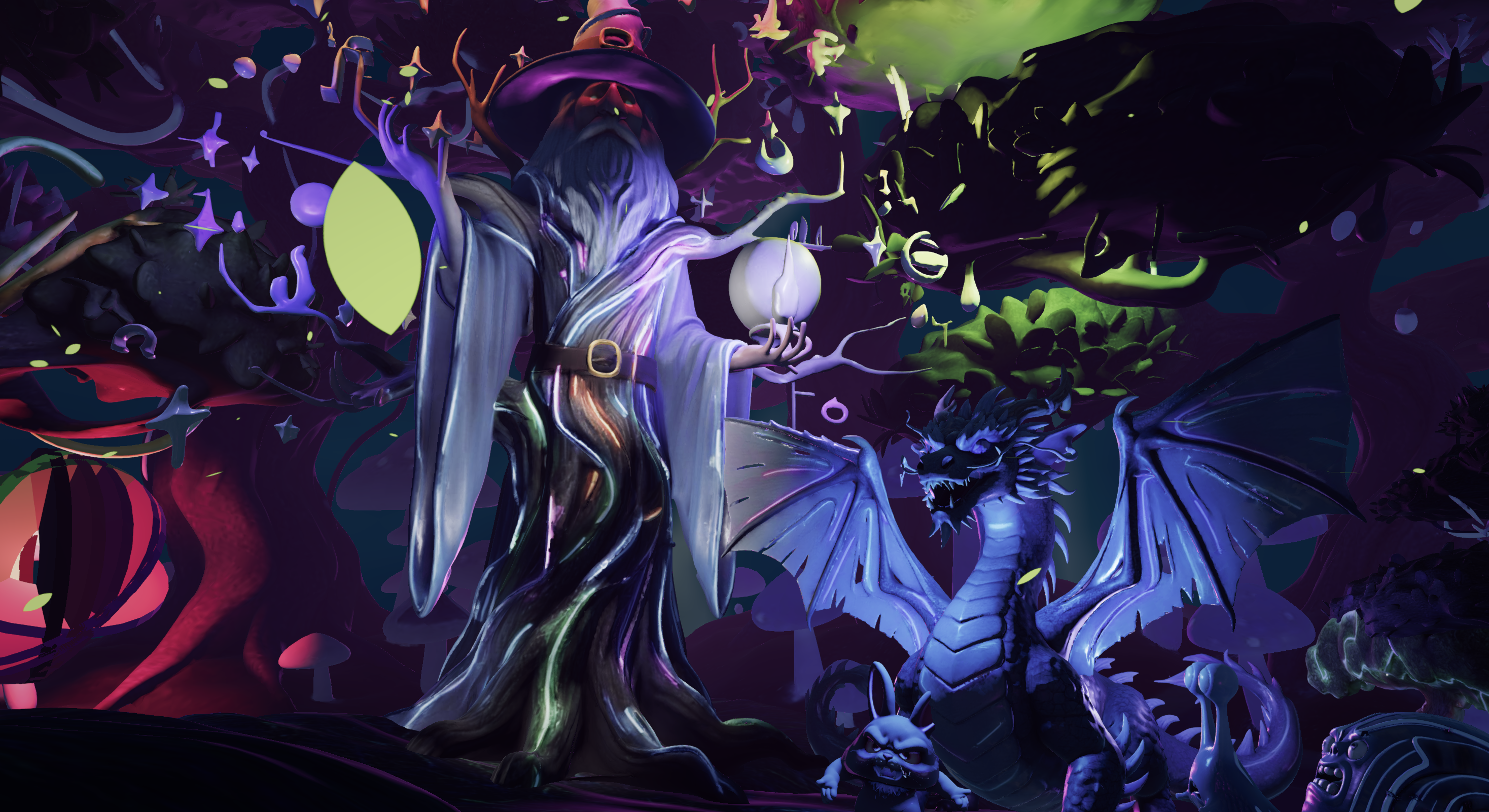
Retopology means you rebuild a mesh’s polygon structure so it stays clean, efficient, and game-ready. This matters because Roblox caps individual meshes at 10,000 triangles, and most AI-generated meshes ignore that limit. Many AI meshes ship with uneven polygon distribution that concentrates detail where you do not need it. That creates excessive density on flat surfaces, leaves curves under-supported, and leads to poor edge flow that breaks when you simplify the model. In Nilo, you move the level of detail (LOD) slider to reduce your polycount in real time. The platform handles mesh cleanup automatically so you stay within Roblox’s triangle limits, which you can review in the Measuring Success section.
Step 4: Rig and animate with one click in your browser
Rigging means you attach a skeleton to your 3D model so it can move. In pro tools, this can take hours. AI rigging workflows can cut rigging time by up to 40% compared to manual methods, and Nilo pushes that further with one-click rigging in the browser. After you rig the model, type a short description of the animation you want, like “idle bounce” or “victory wave,” and Nilo generates it. You avoid timeline scrubbing and keyframe math.
Step 5: Export Roblox-ready FBX or RBXMX with textures
Roblox Studio accepts .FBX, .GLTF, and .OBJ files for 3D models, with textures uploaded separately as .PNG, .JPG, .TGA, or .BMP. Click Export in Nilo, choose your format, and download the file. Nilo exports at the correct scale and bundles textures alongside the mesh so you do not need extra prep before import.
Step 6: Import, test, and submit your item
Open Roblox Studio, go to Asset Manager under the View tab, and import your file with the 3D Importer. Test the item in a place file to check scale, collision, and animation behavior. When everything looks right, open Creator Hub, choose the UGC program, and submit your item. Use the eligibility table in this article to confirm the current upload fee and requirements.
Step 7: Set your price, promote, and watch for your first payout
The minimum price floor for some Marketplace items is 15 Robux. Research similar items in your category, pick a competitive price, and share your listing on social media and inside Roblox communities. Track sales in Creator Hub analytics. Your first payout arrives once you reach the DevEx threshold.
Start building in Nilo’s browser editor and run through these 7 steps.
Roblox UGC Eligibility Requirements in 2026
Use this checklist before you upload anything:
| Requirement | Detail |
|---|---|
| Subscription | ID verification plus Premium 1000 or 2200 (Plus no longer sufficient for 2D avatar items) |
| 3D upload fee | 300 Robux per 3D item |
| Triangle limit | 10,000 triangles |
| Texture size | Max 4096×4096 pixels |
| File format | FBX (rigged or animated), OBJ (static), GLTF (bundled textures) |
| Head submissions | Must include caged model, eye and mouth regions, and FACS controls, usually 50 standard base poses |
| Price floor | 15 Robux minimum for certain items |
How You Actually Earn From Your Roblox UGC
Once your item is live, Roblox takes a percentage of each sale and pays the rest to you as Robux. Creators typically receive about 70% of sales revenue after Roblox’s 30% fee for most in-experience purchases. You can convert Robux to real currency through the Developer Exchange (DevEx) program when you meet the eligibility threshold.
After you understand the revenue split, you can set smart prices. Look at what similar items sell for in the Marketplace. Items with 4,000 or more favorites in the last week usually signal strong demand, so use that to spot categories worth entering. Seasonal items, like holiday themes or limited accessories, often spike in sales. UGC items often need 2–3 months to enter the Roblox algorithm, so plan seasonal drops early.
When Roblox Plus subscribers buy your items, Roblox covers the subscriber discount. You still receive your full standard revenue share, which matters if many of your buyers use Plus.
How to Choose an AI UGC Tool That Works for Roblox
Not every AI tool produces files that survive import into Roblox Studio. When you compare options, use these criteria.
Real-time retopology. Most AI meshes have uncontrolled topology that behaves badly in real-time engines. A tool that fixes topology automatically, instead of exporting a dense blob for you to repair in Blender, saves you hours per asset.
Roblox-ready export. Correct scale, UVs in 0–1 space, a single material per mesh, and clean bone transforms are hard requirements for Roblox import. Make sure the tool outputs files that meet these specs by default, not after manual tweaks.
Browser access. A browser-based tool avoids installs, hardware limits, and version issues. You can create on almost any device and share work instantly with a link.
End-to-end workflow. Tools like Meshy and Sloyd handle generation well but hand off to Blender or another app for rigging, animation, and export. This handoff costs you time as you switch between apps and learn multiple interfaces. If you want to stay in one place from prompt to Roblox-ready file, look for a platform that covers the full pipeline.
Nilo stands out here because it combines AI generation from several providers, real-time LOD-based retopology, one-click rigging, text-to-animation, and direct FBX or GLB export in your browser. Nilo keeps polycount in a range that works directly in Roblox Studio. In Nilo’s February 2026 survey, 93% of builders said they would recommend Nilo to a friend, and 82% rated their experience as “Awesome” or “Good.”
See how Nilo handles the full Roblox UGC pipeline in one place.
How to Measure Whether Your Workflow Is Working
Three clear signals tell you if your process is on track.
Clean topology within Roblox triangle limits. Before export, check your triangle count in Nilo’s LOD panel. Aim for under 5,000 triangles for props and under 10,000 for characters to stay safe across both batch and single import paths.
Successful Studio import. If your file imports into Roblox Studio without errors and appears at the right scale, your export settings are correct. If you see scale problems or missing textures, confirm that your FBX used Apply Transforms and that textures sit in the same folder as the mesh.
First Robux payout. A sale proves that your item meets real player demand. Track favorites and sales in Creator Hub during the first two weeks. If engagement stays low, review your category choice and pricing against Marketplace bestsellers.
Frequently Asked Questions
Is AI allowed in Roblox?
Yes. Roblox does not restrict how you create assets, only whether they meet technical and content standards. AI-generated items are reviewed the same way as hand-modeled ones. As long as your mesh respects the triangle limit, uses a supported file format, and follows Roblox’s community standards, you can upload and sell it.
Can I use AI to make Roblox UGC?
Yes. AI tools can generate the 3D mesh, textures, and even animations for your UGC item. The key is making sure the output meets Roblox’s technical requirements, such as under 10,000 triangles, textures at 4096×4096 or smaller, and a clean FBX, GLTF, or OBJ file. Tools like Nilo are built to produce Roblox-ready exports automatically so you skip the manual cleanup that slows down many aspiring builders using generic AI generators.
How much does Roblox take from UGC sales?
Roblox takes a percentage of each Marketplace sale, with creators typically receiving about 70% of sales revenue after the platform’s 30% fee for most in-experience purchases. You convert earned Robux to real currency through DevEx once you meet the minimum eligibility threshold. Roblox Plus subscribers who buy your items do not reduce your payout because Roblox covers the subscriber discount.
Can you create your own UGC in Roblox?
Yes, as long as you are accepted into the UGC program and meet the current eligibility rules, including ID verification plus an active Premium 1000 or 2200 subscription for 2D items. After you qualify, you create your 3D item in a modeling tool or AI platform, export it in the correct format, and upload it through Creator Hub. Nilo covers generation, cleanup, and export in your browser so you reach Creator Hub with a file that is ready to submit.
Why can’t I sell my UGC?
The most common blockers are missing ID verification, a lapsed Premium subscription, triangle counts over the import limit, wrong file format or scale, textures larger than 4096×4096 pixels, or content that breaks Roblox rules. For Head items, missing a caged model, eye or mouth regions, or FACS controls will also block submission. Use the eligibility checklist in this article before you try again.
How do you sell your own UGC on Roblox?
Create your item in an AI tool or modeling app, export it as FBX or OBJ with textures, import it into Roblox Studio to test, then submit it through Creator Hub and pay the 300 Robux upload fee. Set a price at or above the 15 Robux minimum for certain items, promote it in Roblox communities and on social media, and monitor sales in Creator Hub analytics. Seasonal items and accessories in trending categories, like layered clothing, auras, and themed hats, often perform well.
Conclusion: Ship Your First Paid UGC Item This Week
You now have a clear path from idea to paid UGC item, without spending nights fixing broken meshes in Blender.
With Nilo’s browser-based pipeline, you generate, retopologize, rig, animate, and export in a single session. You avoid installs, Blender detours, and long chains of disconnected tools that kill your momentum.
One builder in Nilo’s February 2026 survey said, “There are no limits on what you can create, just type, draw or add in an image and you can generate, rig, customise and place a fully 3D model within minutes.”
Pick one item category, run it through the 7 steps above, and get it live on the Marketplace this week.