Written by: Nuno Leiria, Founder & CEO @ Nilo
Key Takeaways for Multiplayer Builders
- HypeHype has shifted away from multiplayer 3D building toward a social life sim, so you no longer get deep real-time co-building there.
- Modern no-code multiplayer building usually follows four stages: AI-assisted asset generation, world setup with physics, live collaboration, and export to platforms like Roblox.
- Browser performance and real-time sync now work well with WebAssembly and WebGPU engines, which narrows the gap with native apps.
- When you compare tools, focus on a real game engine, authoritative server sync, WebGPU rendering, automatic LOD for exports, and built-in collaboration.
- Nilo brings these capabilities together in one browser-based platform, so you can start building and playing in your browser for free.
How Multiplayer Building Works in No-Code Tools
Multiplayer building in no-code tools means you create interactive 3D worlds with other people in real time without writing traditional code. Instead of Lua scripts or C# classes, you use visual tools, AI prompts, drag-and-drop objects, and built-in physics systems to assemble playable spaces. The experience should feel as social and immediate as playing the game itself.
In practice, no-code multiplayer building covers four steps: generating or importing 3D assets, arranging them into a world, syncing that world across multiple players in real time, and publishing or exporting the result. Each step has its own technical complexity, and many platforms only handle some of them well.
How HypeHype Changed Direction
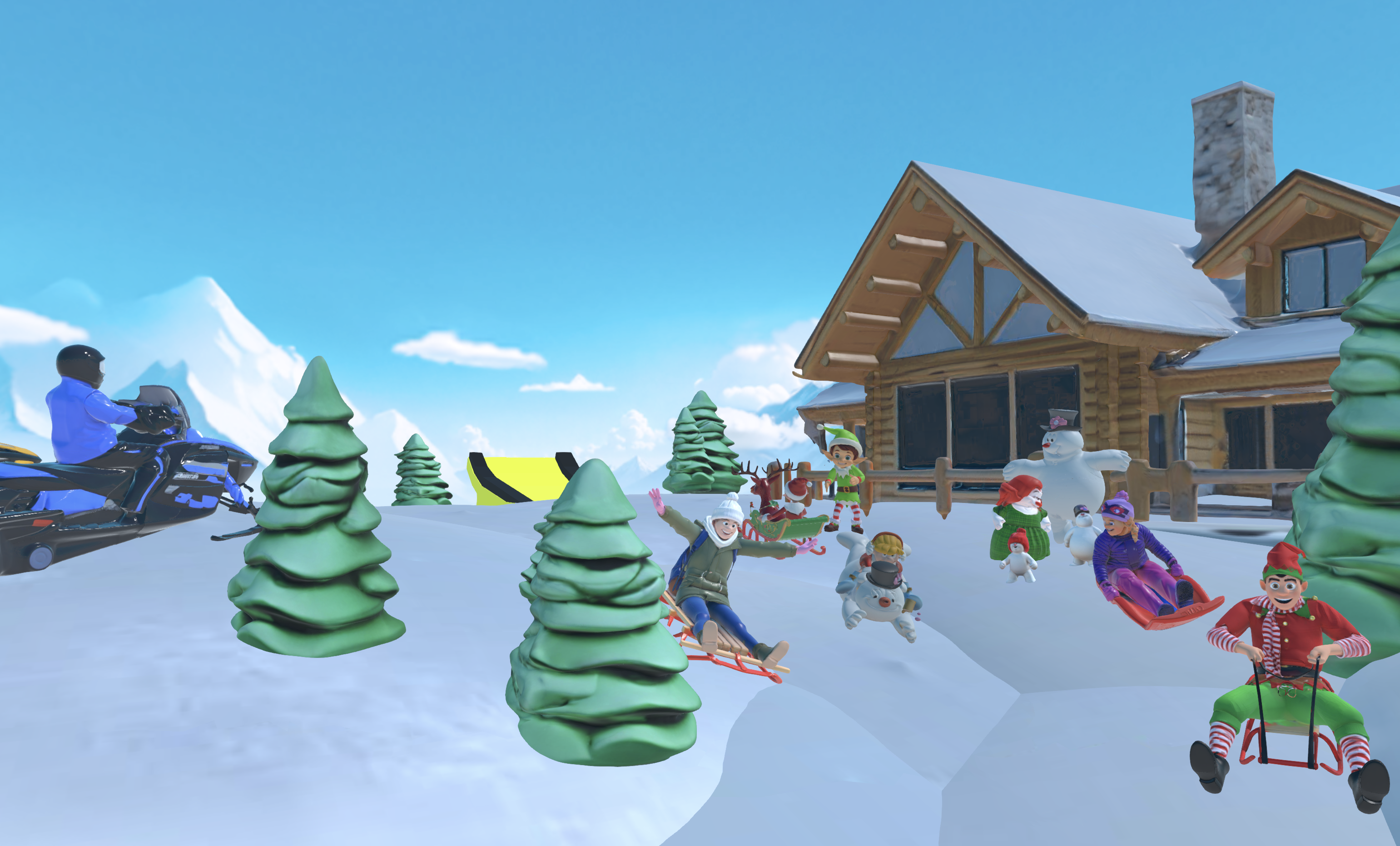
HypeHype launched as a mobile-first, no-code game creation platform that let you build and share simple 3D experiences directly from your phone. For a while, it filled a useful niche because it felt accessible, social, and low-barrier. By 2026, HypeHype’s trajectory has shifted a lot.
HypeHype released Altegro, a social life sim, and its update version 2025.05.08.2 shipped May 14, 2025. The pivot toward a social life sim, where players chat, post, and gain influence, marks a clear move away from the multiplayer 3D building tool many creators originally joined for.
If you came to HypeHype specifically for multiplayer world-building, the platform’s current direction leaves a real gap. You should understand that gap before you invest serious time in any new tool.
HypeHype Multiplayer Compared With Modern Alternatives
Before HypeHype pivoted to Altegro, its multiplayer model was mobile-centric and relatively lightweight, built for casual creation and sharing instead of deep real-time co-building. Understanding that original setup helps you see what modern alternatives now offer.
The table below compares HypeHype and Nilo across three multiplayer building criteria that matter most when you want to create with friends:
| Tool | Real-Time Sync | Browser Performance | Roblox Export |
|---|---|---|---|
| HypeHype | Pivoting to social life sim format as of 2026, original co-building scope reduced | Mobile app first, with limited browser access | No direct Roblox export pipeline |
| Nilo | Real-time multiplayer creation via Sandbox mode, with Collaborator Permissions so owners can add editors without publishing first | Custom C++ engine compiled to WebAssembly with WebGPU acceleration, runs in any browser on desktop or mobile with no download | One-click export tuned for Roblox Studio, with automatic LOD that respects Roblox’s 10K–20K polygon caps |
The browser performance gap between native apps and web tools has narrowed quickly. By April 2026, browser rendering performance was improving fast. Platforms built on WebAssembly and WebGPU, like Nilo, benefit directly from this shift.
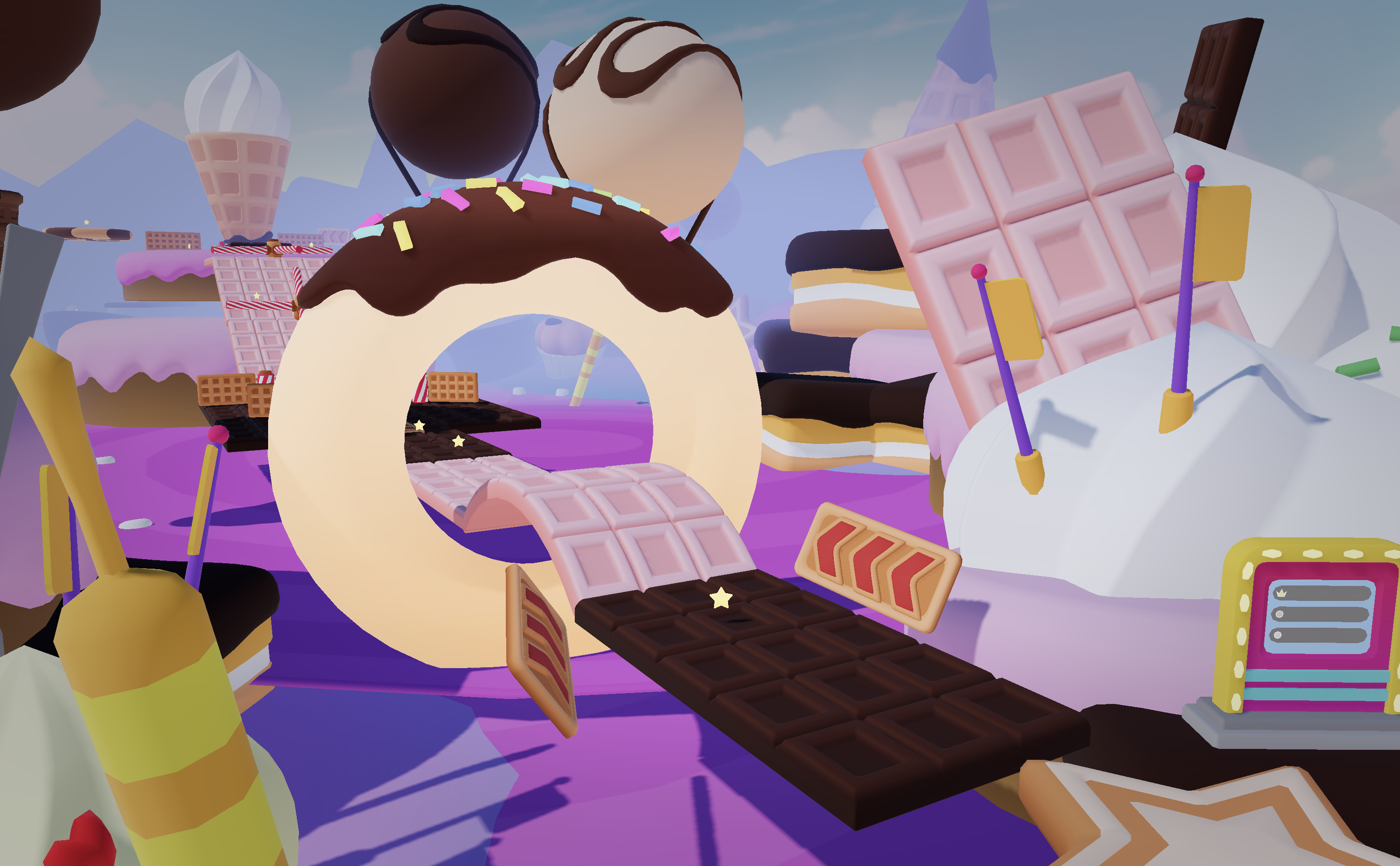
Try real-time co-building in your browser.
The Four Stages of No-Code Multiplayer Building
No-code multiplayer building usually follows the same pattern across tools like HypeHype, Nilo, and others. When you understand these stages, you can spot where a platform’s limits will slow you down.
- Asset generation. You create the 3D objects that fill your world, such as characters, props, and environments. AI tools now cut this work from days to minutes. Full model-to-export pipelines have collapsed from 3–5 days to minutes, with individual generation running in seconds.
- World setup. You arrange assets into a playable space with physics, lighting, and collision. A real game engine with actual physics simulation separates itself from a simple visual sandbox. Real 3D and multiplayer games need a scene tree, physics system, export pipeline, and debugger that pure browser no-code tools without a true engine cannot provide.
- Live collaboration. You keep your world synced across multiple builders in real time. In 2026 browser-based multiplayer, the hard part is not connecting players but keeping the game in sync and fair across participants. Tools that handle this for you remove a lot of stress.
- Publishing and export. You get your world into players’ hands by sharing a link, posting to a community feed, or exporting to Roblox, Unity, or another platform. Tools that trap your work in a walled garden limit what you can do next.
How to Evaluate Browser-Based Multiplayer Building Tools
When you compare HypeHype alternatives for multiplayer building, you should check a few core criteria before you commit serious time.
- Real game engine or just a sandbox. Many browser tools look like 3D builders but run on a thin sandbox with no physics system or scene tree. Pure browser generators cap out at small games because behind the chat is a sandbox with no real engine to read diagnostics or correct mistakes. Look for platforms that clearly explain their engine architecture.
- How real-time sync works. Ask whether the platform uses an authoritative server model, where the server runs the simulation and clients send inputs, or a peer-to-peer setup. An authoritative server model is the standard for competitive browser multiplayer because it creates a natural anti-cheat boundary. Peer-to-peer can feel lighter for casual co-building, but you should know the trade-offs.
- Browser performance limits. Check whether the tool uses WebGPU, which is newer and faster, or WebGL, which has broader compatibility. Chrome 146 added WebGPU Compatibility Mode in March 2026, expanding the WebGPU install base dramatically, so platforms using this tech are now easier to access without giving up performance.
- Roblox export that survives import. Roblox enforces strict polygon limits of 10K–20K triangles per mesh and specific texture sizes. A platform that exports FBX files without automatic optimization forces you into manual cleanup in Blender. Built-in LOD systems that handle this for you save hours.
- Collaboration built into the core. Real-time co-building, where you and a friend edit the same world at once, needs serious infrastructure that most tools skip. Check whether the platform supports simultaneous editors, permission controls, and live preview without a separate server setup.
Nilo stands out on several of these points. Nilo’s Collaborator Permissions system lets world owners add specific users as editors or viewers directly through the Main Menu without publishing first, and its Sandbox mode unlocks all editing tools for collaboration on shared worlds. The platform’s custom engine, using the WebAssembly and WebGPU architecture described earlier, handles browser performance without needing a powerful local machine.
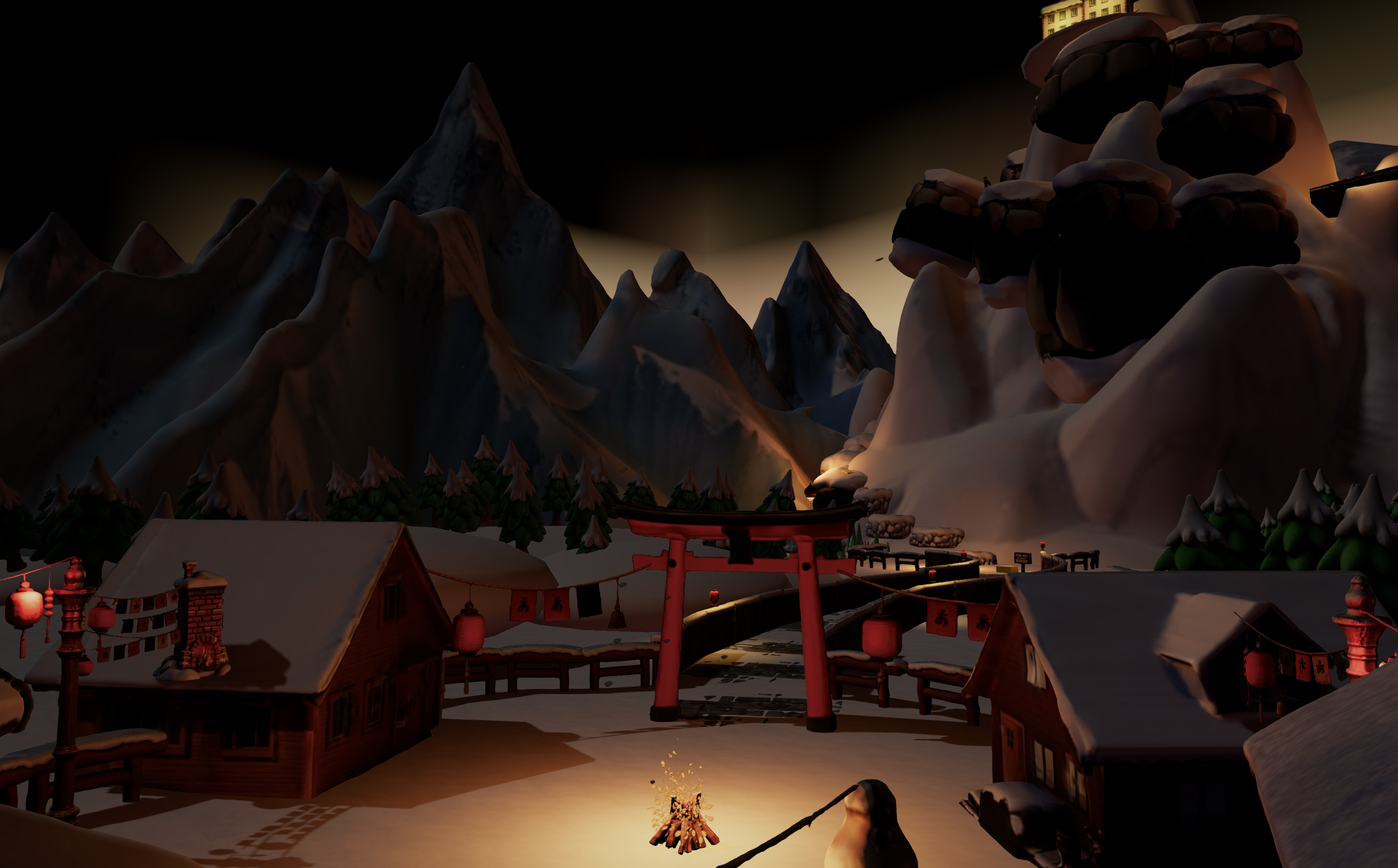
One builder from Nilo’s February 2026 survey summed it up like this: “I like how it feels like a good game engine rather than a vibe coding tool, with easy building and a good focus on being able to export and import content.”
Explore Nilo’s multiplayer tools in open beta.
Common Challenges Aspiring Builders Face in 2026
If you have tried to build a multiplayer 3D world and hit a wall, you are not the only one. These friction points show up a lot in 2026.
- Tool fragmentation. Many builders chain several tools together, generating assets in one place, cleaning them up in Blender, importing to Roblox Studio, then finding a scripter to make anything interactive. Each handoff kills momentum. As one builder said in Nilo’s February 2026 survey, “Picture yourself, frustrated because you spent the last 5 hours 3D modeling a shipping container. All I have to do is open Nilo and do it in 20 seconds.”
- Scripting barriers. Scripting still blocks a lot of game ideas from ever shipping. According to Unity’s May 2026 guide, multiplayer networking remains exceptionally difficult to implement purely through no-code or AI prompt generation, and synchronizing physics and player states across a network requires precise optimization that automated tools currently struggle to handle reliably. Platforms that let you describe behavior in plain language, while still showing you what happens under the hood, lower this barrier.
- Platform reliability. Struckd, a no-code 3D browser tool, is shutting down its studio in August 2026, and Crayta, another pure no-code 3D browser tool, shut down in 2023. Platform closures pose a real risk. Before you invest serious time, check for active development, a growing community, and a clear business model.
- Export quality. AI-generated assets often come out with messy topology, such as too many polygons, asymmetric geometry, or textures that break in Roblox. Because of this quality variance, platforms that include real-time retopology, or automatic mesh cleanup, have a clear advantage. Look for tools with this feature built in.
Frequently Asked Questions
What is HypeHype multiplayer building?
HypeHype multiplayer building means using the HypeHype platform to create and share 3D game experiences with other players without writing code. Originally, HypeHype gave you a mobile-first environment where you could assemble simple worlds and invite others to play. As of 2026, HypeHype has shifted focus toward Altegro, a social life sim, which moves away from its original multiplayer building tools.
Can I still use HypeHype to build multiplayer games in 2026?
HypeHype’s active development in 2026 centers on Altegro, its social life sim product, not on expanding its original multiplayer building features. If you want real-time co-building, AI-assisted asset creation, and direct Roblox export, you should look at alternatives that keep investing in those features. Nilo, for example, is in open beta with real-time collaboration, browser-based access, and one-click Roblox export built in.
Do I need to know how to code to build multiplayer 3D worlds?
You do not need traditional coding skills on modern no-code and AI-native platforms. Tools like Nilo include a built-in code editor that accepts natural language prompts, so you describe what you want a character or object to do in plain English, or any language, and the platform generates working code with real-time feedback in your 3D world. Many builders call this “vibe coding.” You can also tweak the actual code variables directly, which helps you learn real programming concepts while you build.
What makes a browser-based multiplayer building tool work well?
A strong browser-based multiplayer tool usually includes a real game engine underneath, not just a visual sandbox, plus authoritative server-side synchronization so all players see the same world state. It also needs WebGPU or WebAssembly-based rendering for performance without a download and a built-in LOD system that automatically adjusts polygon counts for export. Platforms that cover all of this in one place, without forcing you to jump between tools, keep you in creative flow instead of fighting technical issues.
Can I export what I build to Roblox?
Export options depend on the platform you choose. HypeHype does not have a direct Roblox export pipeline. Nilo exports to FBX, OBJ, STL, and glTF formats, with automatic optimization to meet the Roblox polygon limits mentioned earlier. You can generate an asset in Nilo, rig and animate it with one click, and export it directly to Roblox Studio, so you skip manual Blender cleanup. Nilo also exports to Unity, Unreal Engine, VRChat, and Blender if you want to keep working in other tools.
Next Steps for Builders Ready to Create Today
If you arrived here searching for HypeHype multiplayer building and discovered the platform has moved in a different direction, you now need to decide what you want from a creation tool and test alternatives against that list.
For builders who want real-time co-building, AI asset generation, and direct Roblox export in a single browser-based environment, Nilo stands out. The platform is backed by Supercell and has 9,000+ builders active on Discord, which signals ongoing support and community energy.
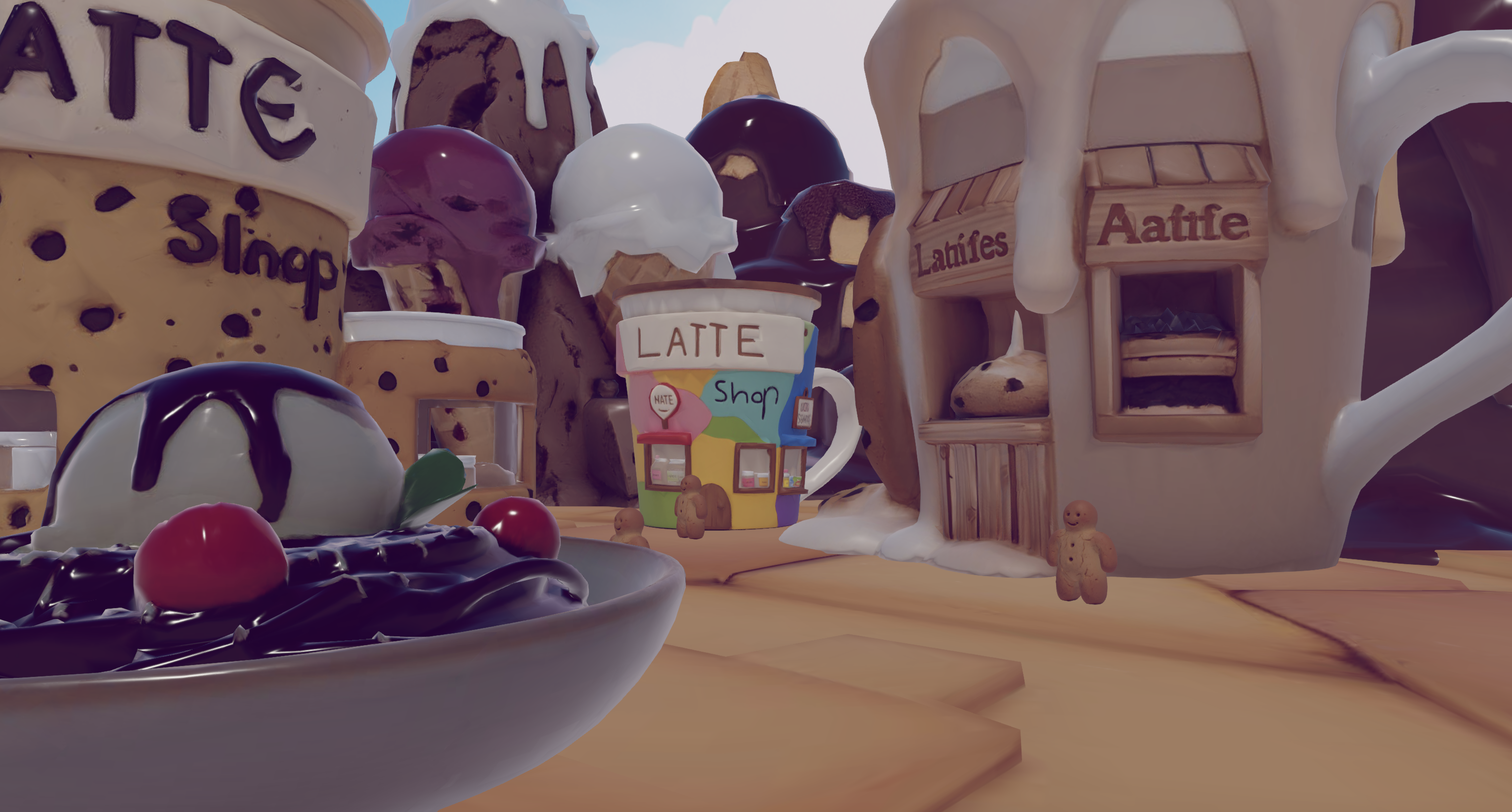
You do not need a powerful computer. You do not need to install anything. You do not need a scripter. Open a browser, share a link with a friend, and start building. As one builder put it in Nilo’s February 2026 survey, “There are no limits on what you can create — just type, draw or add in an image and you can generate, rig, customise and place a fully 3D model within minutes.”
The tools that make creation feel like play already exist. You now choose which one matches how you want to build.