Written by: Nuno Leiria, Founder & CEO @ Nilo | Last updated: July 12, 2026
Key Takeaways for Roblox UGC Builders
- Roblox UGC creators in 2026 face a 10,000-triangle limit and frequent validation failures that force repeated retopology and cleanup work in Blender.
- Traditional workflows that chain AI generators, desktop modeling tools, and Roblox Studio create friction that kills creative momentum and leads many builders to abandon projects.
- Browser-based AI tools can collapse the pipeline by generating, optimizing, rigging, and exporting assets in a single environment without desktop software.
- Key capabilities to evaluate include automatic LOD and retopology, natural-language scripting, real-time collaboration, and direct export to Roblox-compatible formats.
- Try Nilo’s open beta to see a Roblox UGC workflow that handles optimization and export for you.
Why Retopology and Validation Failures Slow You Down
Retopology and validation failures do more than annoy you, they kill projects. You might spend 30 minutes cleaning up a mesh in Blender, then hit a validation error on upload. The creative energy you started with disappears fast. Many aspiring builders or already builders like you drop UGC ideas at this point because the technical overhead feels bigger than the reward.
AI-generated meshes from tools like Meshy often ship with high triangle counts and dense topology. You then need retopology and UV cleanup in Blender before the mesh fits a reasonable polygon budget. That is technical work before you even open Roblox Studio. When this happens on every asset in your game, you spend more time fixing meshes than designing worlds.
You still need to test avatar fit, check animation clipping, verify attachment categories, and preview under different lighting conditions after AI generation, because the mesh will not always pass Roblox validation untouched. If you choose the wrong Roblox asset category before prompting, attachment-point or scale mismatches only show up during marketplace validation or in-game testing.
This hits every skill level. If you are just starting out, these errors feel like a wall. If you already build regularly, they slow your iteration speed and push back your publish date. The problem does not come from your creativity, it comes from the tool chain you are forced to use.
Jump into Nilo’s open beta and feel what a smoother pipeline is like.
AI-Assisted Browser-Based 3D Creation Tools for Roblox UGC
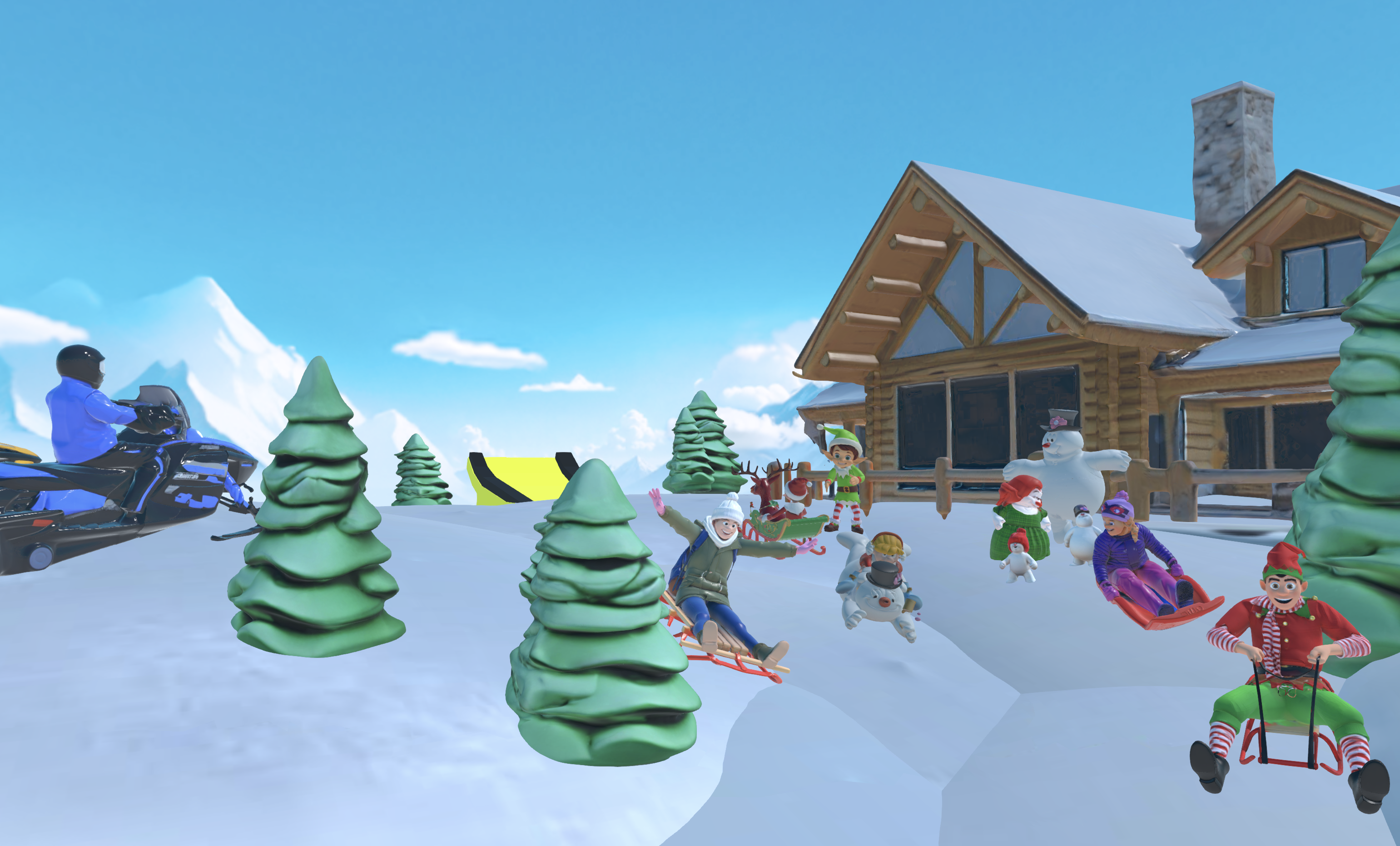
AI-assisted, browser-based 3D creation platforms now give you a different path. These tools run fully in your browser and handle generation, optimization, rigging, and export inside one workflow. You do not install anything and you do not juggle plugins.
The contrast with traditional desktop modeling feels huge. In a fragmented desktop workflow, you move assets between separate applications, such as an AI generator, Blender for cleanup, and Roblox Studio for testing. Each tool has its own learning curve, file format rules, and failure points. If cleanup time exceeds the time required to build an asset by hand, the workflow is inefficient; the right measure is total time-to-in-engine, not time-to-first-mesh.
Browser-based AI tools collapse that pipeline into one place. Traditional desktop-based 3D modeling for a single game character often takes several days to weeks of skilled artist time for modeling, UV unwrapping, texturing, and rigging. Browser-based AI tools cut the initial generation step down to minutes and remove hardware setup. Strong tools in this category go further. They focus on clean, Roblox-ready assets that pass validation without extra steps, not just fast first drafts.
Explore Nilo’s browser-based workflow and see how it changes your build time.
Key Capabilities You Should Look For in Roblox UGC Tools
3D Asset Generation and Cleanup That Match Roblox Rules
The main challenge with AI-generated assets is the gap between what the tool gives you and what Roblox accepts. AI-generated meshes often fail in game pipelines at the retopology stage because geometry-first outputs use triangulated, swirling topology that bakes badly, deforms poorly, and resists clean LOD creation. LOD, or level of detail, controls how a mesh simplifies as it moves away from the camera, which matters a lot for Roblox performance.
Nilo stands out by handling retopology for you. You generate a character, prop, or environment from a text prompt, a sketch, or a reference image. Nilo’s real-time LOD system then adjusts the polygon count on the fly so it fits Roblox limits. In Nilo’s February 2026 Survey, one builder said, “I do not have to spend hours on 3D modeling the simplest things. Now I can use Nilo and do it in 15 seconds.”

Tools like Meshy and Sloyd also support browser-based generation. Meshy generates low-poly assets in about 10–60 seconds and exports directly to Roblox, Unity, and Unreal. Sloyd’s parametric, procedural generation produces clean, low-poly, game-ready props by default, which keeps cleanup light and avoids the heavy retopology tax you see with dense AI outputs. The tradeoff is focus. Both tools center on asset generation and do not cover rigging, animation, world building, or export optimization in the same place.
Natural-Language Scripting Instead of Raw Code Walls
Scripting often becomes the biggest barrier when you want to move from static items to interactive UGC experiences. Most AI asset tools ignore this step and stop after mesh generation.
Nilo stands out with a built-in code editor that accepts natural language prompts. You type, talk, or send an image that describes what you want, and working code appears with real-time feedback in your 3D world. Nilo calls this “vibe coding.” You can also open the code, tweak variables, and learn real programming concepts while you build. You do not need Lua knowledge and you do not need to chase down a separate scripter.
World Building Inside the Same Browser Tab
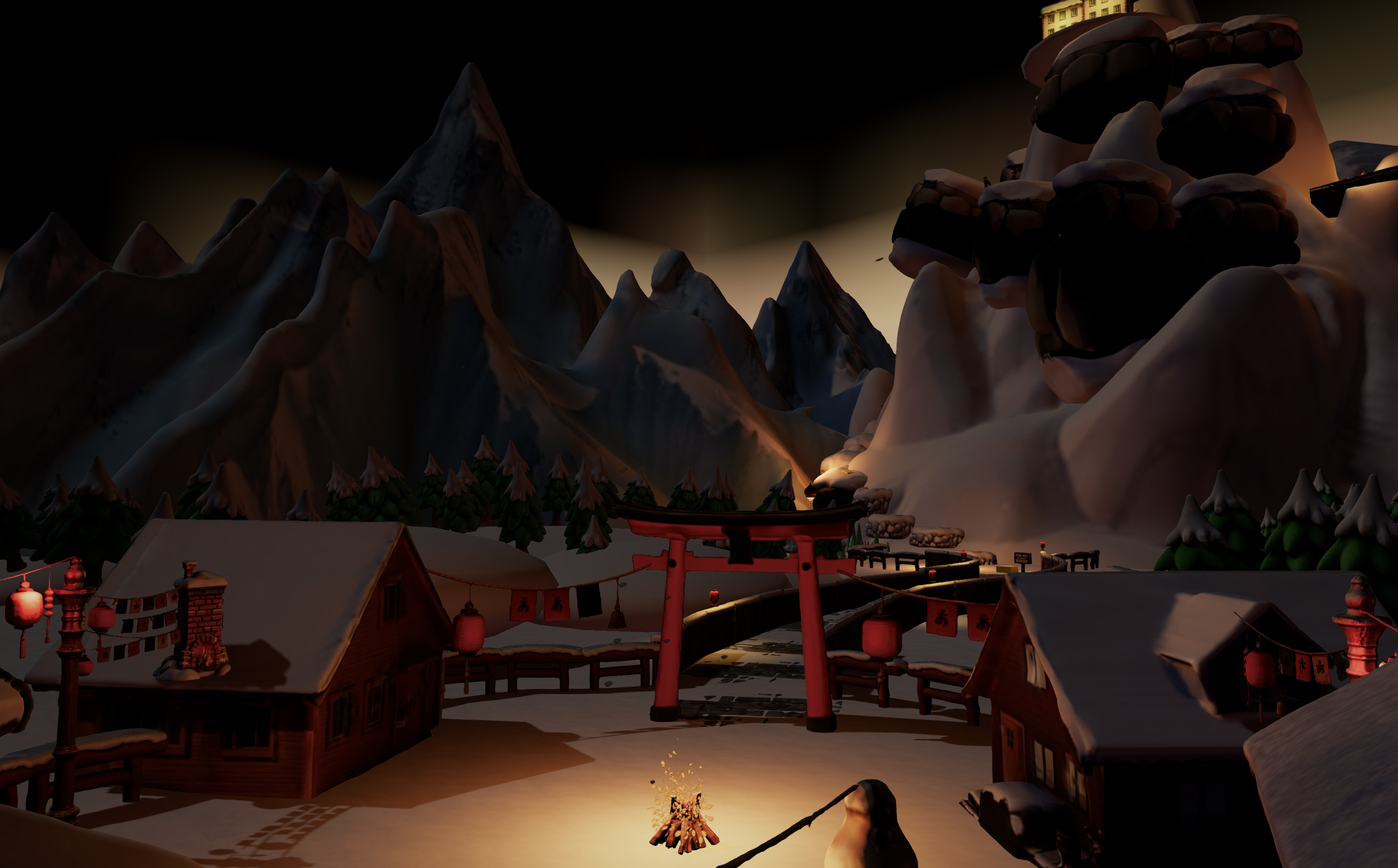
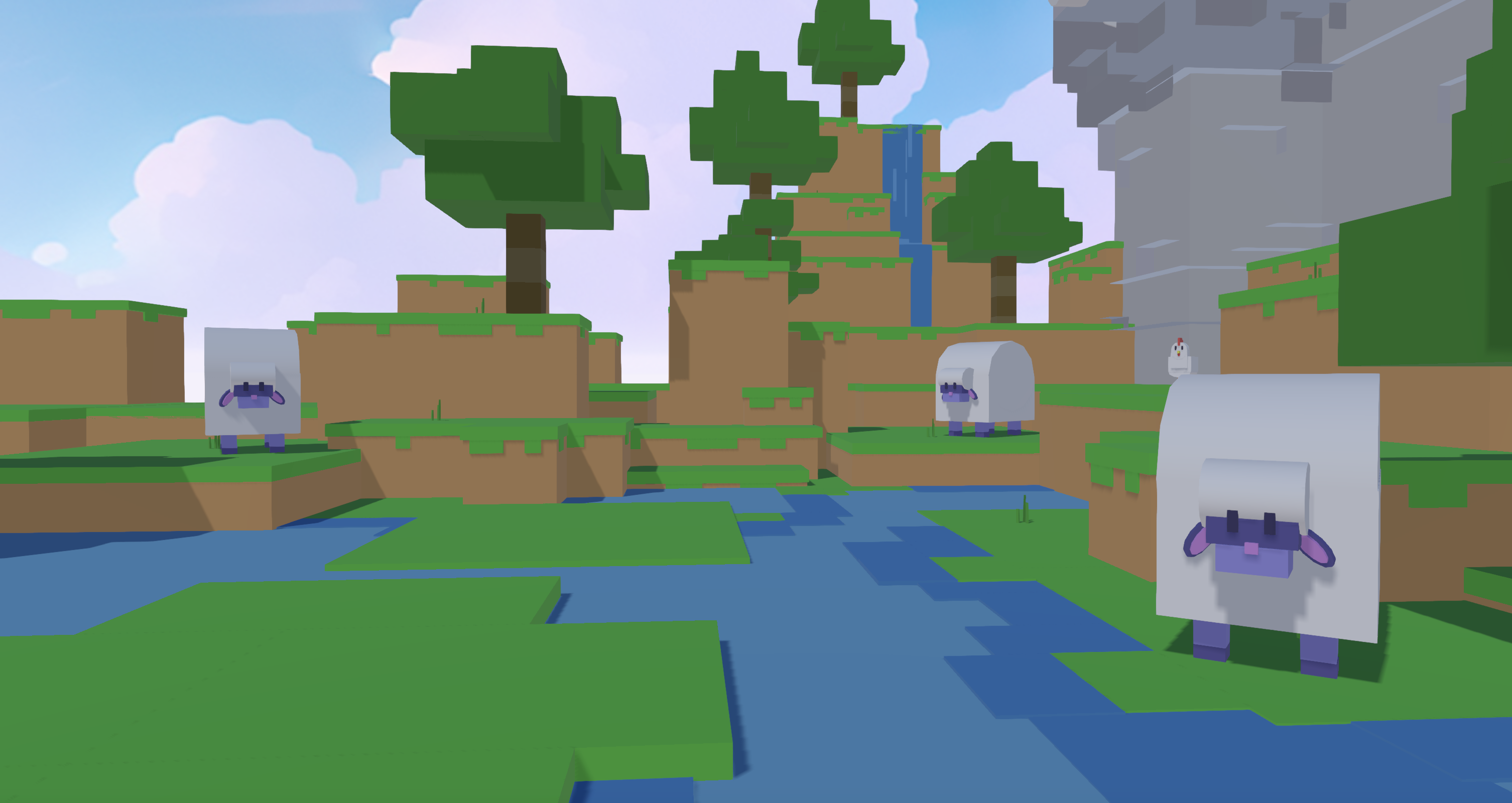
Many Roblox UGC tools stay focused on single assets. Nilo instead lets you drop your generated assets into a 3D world in the same browser tab. You can then share a link, invite friends, and playtest together in real time. Physics runs automatically, so objects move, collide, and react without extra setup. This helps you see how an accessory or prop behaves in a real game space before you export it.
Built-In Optimization for Roblox Performance Limits
Roblox currently enforces a 10,000-triangle limit on standard imports, including batch imports via Asset Manager, and a 21,000-triangle limit previously applied only to the now-deprecated Avatar Importer. Humanoid characters usually work best when they stay under similar triangle counts, not counting accessories. Textures must be PNG, JPG, TGA, or BMP with a maximum resolution of 4096×4096 pixels.
Nilo builds these constraints into the export workflow. You use an LOD slider to set your polygon count before export, and the platform keeps you inside Roblox’s limits. Meshy also offers a Roblox target-platform setting that optimizes output for Roblox triangle, texture, and material constraints before export. That feature helps, although you still manage the rest of the pipeline in other tools.
Real-Time Collaboration With Friends
Creating UGC alone can feel slow and isolating. Nilo supports real-time multiplayer creation, so you share a URL and build together with friends on desktop or mobile. No one needs to install anything. Other tools in this space, including Meshy and Sloyd, focus on single-user asset generation and do not include collaborative world-building spaces.
Export Formats That Travel Across Engines
Roblox accepts .fbx, .gltf, and .obj files for 3D models in Studio, and .fbx or .gltf support rigged, skinned, or animated models. Nilo exports to FBX, OBJ, STL, and glTF, which covers all Roblox-required formats. These formats also work with Unity, Unreal Engine, Blender, and VRChat, so your assets stay portable.
Test Nilo’s export options in the open beta and move a model into Roblox Studio.
How To Evaluate Roblox UGC Tools Without Getting Overwhelmed
When you compare Roblox UGC creation tools, start with how quickly you can get moving. Onboarding ease comes first. If you can generate your first asset without watching a tutorial, you are more likely to keep going. Browser-based tools with no installation usually feel lighter than desktop apps like Blender or Roblox Studio.
Once you clear that first hurdle, look at output quality. Check whether the generated mesh passes Roblox triangle and texture limits without manual cleanup. Inspect at two checkpoints: inside the generator, where you check polycount and topology, and after engine import, where you verify scale, pivots, materials, collision, and LOD behavior. This step tells you how much hidden work the tool creates.
Next, confirm export compatibility. Make sure the tool exports FBX for rigged models and OBJ or GLB for static geometry, then run a quick test import into Roblox Studio. Without a clean export, even perfect meshes stay stuck.
After that, think about performance limits. Check whether the tool enforces or helps you stay inside Roblox’s triangle caps and texture limits automatically. If you must track every number by hand, your iteration speed will drop. Collaboration needs come next. If you want to build with friends, look for real-time multiplayer creation instead of single-user generators.
Finally, consider learning value. Some tools teach you concepts like rigging, polygons, and mesh topology through the interface. Others hide everything behind a black box. If you want to grow as a creator, pick a tool that shows you what is happening under the hood.
Use Nilo’s free open beta to try these evaluation steps on a real project.
Practical Scenarios: How You Might Choose Between Tools
The new builder wants to create a hat for the Roblox marketplace. They try Meshy, generate a mesh in under a minute, then realize they need to retopologize it in Blender and fix the texture atlas before it passes Roblox validation. The technical overhead feels discouraging. A browser-based tool like Nilo that handles optimization automatically and lets them playtest the hat on an avatar before exporting turns that wall into a short step.
The aspiring builder is working on a full UGC item pack with five weapons, three accessories, and two character skins. They need consistent style, fast iteration, and Roblox-ready exports. Sloyd’s Roblox-optimized base meshes and separate accessory generation can produce assets that import cleanly into Roblox Studio, which makes it a strong option for clean low-poly props. Nilo stands out in this case because it handles the full pack in one environment, from generation through optimization, rigging, animation, and export.
The expert builder leads a team project and needs real-time collaboration, shared assets, and exports for both Roblox and Unity. Creators often prioritize assets that move into Roblox Studio quickly without extra paid steps and avoid cleanup that cancels out time saved. For this builder, the evaluation follows the earlier principle: how fast assets move from generation into a working engine scene, plus whether the tool supports real-time collaboration. Nilo’s integrated pipeline and multiplayer creation environment align well with those needs.
Spin up a Nilo project with friends and see how it fits your team workflow.
Frequently Asked Questions
What is retopology and why does it matter for Roblox UGC?
Retopology means rebuilding a 3D mesh so it has clean, organized polygons, usually with a lower count that works better in a game engine. AI-generated meshes often ship with dense, tangled topology that breaks Roblox triangle limits and triggers validation failures on upload. Retopology fixes that, but doing it by hand in Blender can take 20–30 minutes per asset. Tools that handle retopology automatically, such as Nilo’s real-time LOD system, remove that step for you.
Do I need to know Blender to create Roblox UGC in 2026?
You do not always need Blender now. Browser-based AI tools let you generate, optimize, rig, and export Roblox-ready assets without opening Blender at all. Blender still helps a lot for advanced topology work and custom UV mapping. For most UGC items, such as accessories, props, and character skins, a tool like Nilo can handle the technical requirements automatically. If you want deeper control, Nilo exports to standard formats that you can open in Blender.
What is the difference between a browser-based UGC tool and a Roblox plugin?
A Roblox plugin runs inside Roblox Studio and extends what Studio can do, so you still need Roblox Studio installed and open. A browser-based tool like Nilo runs in any browser tab as a standalone platform. You create and optimize your asset in Nilo, then export it to Roblox Studio as an FBX, OBJ, or GLB file. You skip plugins and you do not need desktop software to get started.
What are Roblox’s triangle and texture limits for UGC items?
As covered in the optimization section, Roblox enforces a 10,000-triangle limit on standard imports, with textures capped at 4096×4096 pixels in PNG, JPG, TGA, or BMP formats. Exceeding these limits causes validation failures that block your upload. Nilo’s LOD slider and automatic optimization help you stay inside these rules before you export.
Can I sell assets I create in Nilo on the Roblox Marketplace?
Yes. Any models, skins, or UGC items you create in Nilo belong to you. You can use, publish, and monetize them on the Roblox Marketplace or anywhere else. Nilo does not lock your work into a closed system. You export assets in standard formats and take them where you want. Roblox’s creator economy pays over $1 billion annually to creators and is growing over 30% year over year, so efficient UGC production can open real opportunities.
Conclusion: Focus on Workflow, Not Just Features
Friction in Roblox UGC creation, such as retopology, validation failures, and constant tool-switching, comes from workflow problems, not from a lack of ideas. The AI generator → Blender → Roblox Studio pipeline adds technical overhead that slows you down at every level and often stops projects before they ship.
AI-assisted, browser-based creation tools respond to this by handling optimization, rigging, and export in one place. When you compare options, focus on how fast you can move assets into a working engine scene, how well the tool enforces Roblox performance limits, which export formats it supports, and whether it matches the collaborative, iterative way you want to build. Nilo stands out as an integrated option that covers generation, real-time retopology, one-click rigging, vibe coding, and direct Roblox export in your browser with no installation. In Nilo’s February 2026 Survey, 93% of builders said they would recommend Nilo to a friend, and 72% said it makes their creative process easier by “a lot.”
Stop fighting polycounts and tool friction. Join Nilo’s open beta, build a small world, and see how it feels to stay in flow.