Written by: Nuno Leiria, Founder & CEO @ Nilo
Key Takeaways
- Traditional desktop tools like Roblox Studio create friction for new creators with installs, scripting requirements, and fragmented workflows.
- Browser-based 3D creation tools remove setup barriers and let you start building directly in a tab without downloads or hardware limits.
- AI-assisted platforms combine modeling, scripting, performance tuning, and export in one place, so you avoid juggling multiple tools.
- Key capabilities to check include asset generation quality, natural-language scripting, automatic Roblox optimization, real-time collaboration, and export formats.
- Nilo delivers an AI-native browser platform that generates Roblox-ready assets and supports vibe coding — join the open beta to start building for free.
Why Installs, Scripting, and Extra Tools Slow You Down
The main blockers between your idea and a playable game come from the tools, not from you.
First, you hit the install wall. Roblox Studio needs a desktop download and a computer strong enough to run it. That instantly locks you out if you are on a school Chromebook or a shared family laptop.
Next, you run into scripting. To make anything interactive in Roblox Studio, like a door that opens or a coin that disappears, you need to write Lua code. Many aspiring builders and already builders like you say this is the number one barrier. You can picture the world in your head and even build it, but without code your world just sits there.
Then you face tool fragmentation. Building a single game asset the traditional way often means this: generate a rough model in an AI tool like Meshy, clean up the geometry in Blender, adjust the polygon count by hand, export to the right format, import into Roblox Studio, fix the rig, and hope nothing breaks. Each handoff is a chance to lose momentum, and many projects stall here.
One builder in the February 2026 Nilo survey put it like this: “Picture yourself, frustrated because you spent the last 5 hours 3D modeling a shipping container. All I have to do is open Nilo and do it in 20 seconds.”
This is not a skill problem. It is a tool problem. These workflows were never designed for builders who want to move fast, stay creative, and keep building feeling like play.
Start building without installs or extra tools by joining Nilo’s open beta for free.
AI Browser Tools That Remove Roblox Studio Friction
These friction points around installs, scripting, and scattered tools have created demand for a different kind of setup. A new category of AI-assisted browser-based 3D creation tools removes many of these barriers entirely.
AI-assisted browser-based 3D creation tools let you build directly in your browser, use AI for the heavy technical work, and export game-ready assets without touching a separate application.
Here is how this category compares to traditional desktop engines across five connected dimensions.
Accessibility. Desktop engines like Roblox Studio and Unity require installation, specific hardware, and sometimes paid licenses for advanced features. Browser-based tools open with a link. You should be able to start building on almost any device, desktop or mobile, without spending a bunch of money or time on setup.
Creation flow. Traditional tools split modeling, rigging, animation, and coding across different apps. AI-native browser tools bring these steps into one place. You generate, refine, rig, animate, and export in a single flow, which keeps your focus on the game instead of on file management.
Collaboration. Desktop engines usually expect slower team workflows with version control and file sharing. Browser tools feel closer to multiplayer. You share a link, your friends join, and you build together in real time, similar to inviting someone into a game session.
Performance. Early browser tools struggled with 3D performance. Technologies like WebAssembly, which runs high-performance code in the browser, and WebGPU, which brings near-native graphics, changed that. Nilo’s custom engine uses both and delivers game-quality performance without a download.
Portability. Browser tools run on any device with a modern browser. Desktop engines stay tied to specific operating systems and hardware. If you switch devices often or share computers, this portability keeps your projects moving.
Comparing Key Capabilities Across Browser Tools
When you compare browser-based 3D creation tools, focus on six core capability areas. Each one affects how fast you move from idea to playable experience.
3D asset generation and refinement. You want models that are usable, not just close to your prompt. Many AI tools output meshes with too many polygons, broken geometry, or textures that fall apart up close. Nilo connects to several AI model providers, including Meshy, Tripo, and Cartwheel, behind one interface so you can switch between them without leaving the platform. Many other tools generate assets quickly but leave you cleaning up the mess in Blender.

Scripting alternatives and natural-language logic. You need your world to react to players without writing code from scratch. Nilo’s built-in code editor accepts natural language prompts, so you can create 3D games by talking, texting, or even sending images to the AI. It then shows the results live in your world, which builders call “vibe coding.” PlayCanvas and Unity’s web editor still expect traditional coding skills. Rosebud AI focuses on code generation but does not include a full game engine. Natural language logic helps you start fast, and you can refine prompts to get more precise behavior.
World building and scene assembly. You are not just placing single props. You are shaping full environments. Nilo combines procedural world-building tools, AI generation, a radial menu for quick object creation, and real-time physics so everything feels interactive by default. Spawn uses a canvas-style editor that focuses on instant generation. Canvas tools feel simple at first but often give you less spatial depth and control.
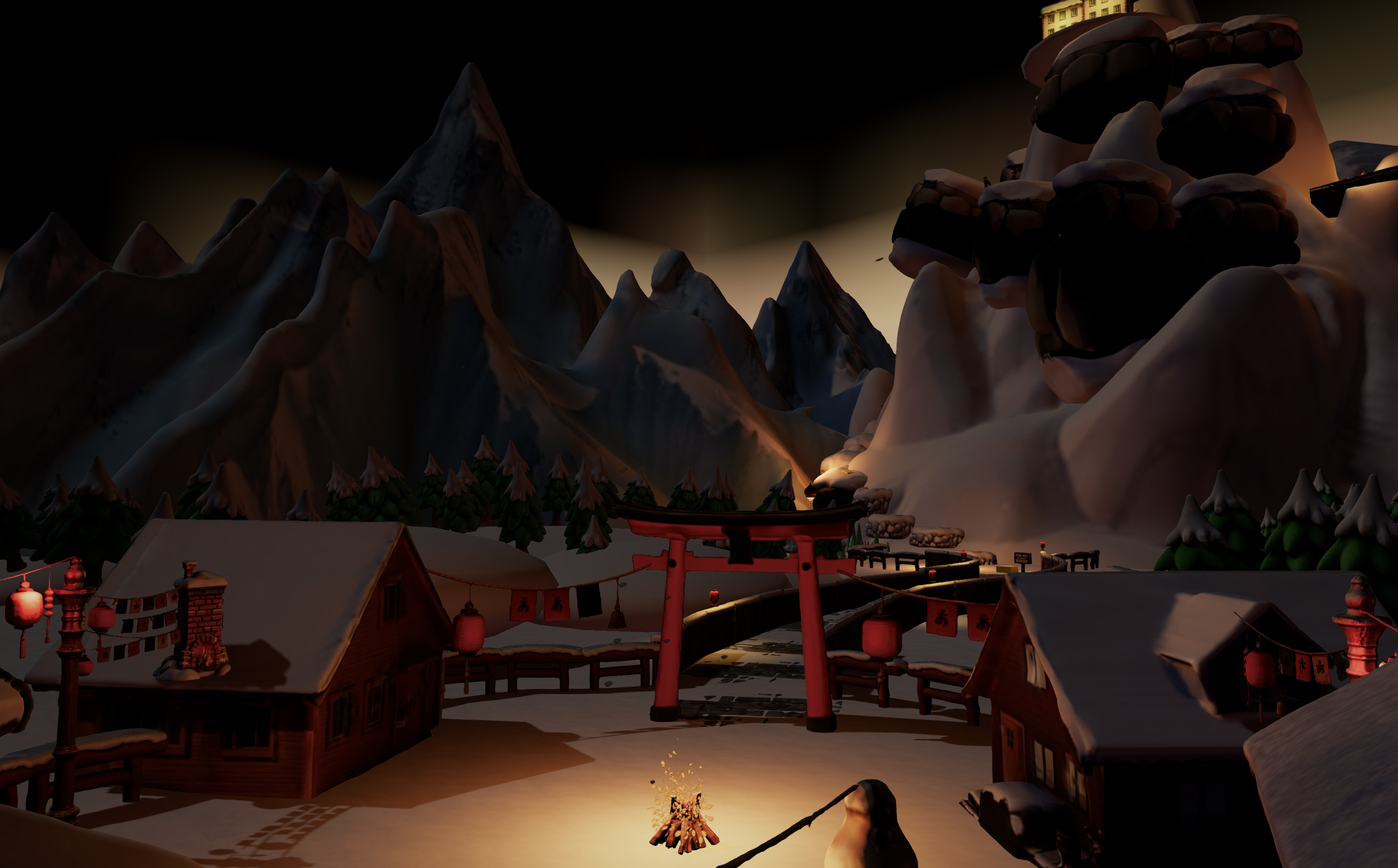
Optimization and performance constraints. Roblox caps assets at about 10K–20K polygons and 1024×1024 textures. If you go over those limits, your model may not load or will lag. Nilo’s level of detail system adjusts polygon counts in real time, so you stay within Roblox’s limits without counting triangles by hand. Many other tools leave this step entirely to you.
Collaboration and sharing. You probably want to build with friends without dealing with confusing file versions. Nilo supports real-time multiplayer creation, so you share a link and anyone can join and build with you on desktop or mobile. PlayCanvas supports teams but leans toward professional studio workflows. Rosebud AI and Spawn do not yet offer full real-time collaborative building.
Export and interoperability. You eventually need your creations inside Roblox Studio or another engine. Nilo exports to FBX, OBJ, STL, and glTF, which work with Roblox, Unity, Blender, VRChat, and Unreal Engine. The platform avoids a walled garden approach. Some builders report occasional export data loss, such as missing collision masks or colors, which usually resolves with a quick re-export and remains an active improvement area.
| Tool | Browser Access | AI Assistance | Roblox Export |
|---|---|---|---|
| Nilo | Yes, no install required | Multi-model AI (text, sketch, image to 3D; vibe coding) | Yes, LOD-optimized, Roblox-ready |
| PlayCanvas | Yes, browser-based engine | Limited AI integration | Via standard formats, no dedicated Roblox optimization |
| Unity Web Editor | Partial, browser editor with desktop engine | Growing AI tooling, not AI-native | Via FBX/OBJ, no Roblox-specific optimization |
| Rosebud AI | Yes, browser-based | AI-native with code generation focus | Limited, no dedicated Roblox export pipeline |
Explore these capabilities hands-on by joining Nilo’s open beta and building your first scene.
How to Pick the Right Browser Tool for Your Goals
Your situation, device, and goals shape which tool fits you best. You can walk through a simple sequence when you compare options.
Start with onboarding ease. See whether you can start building in under five minutes without a tutorial. Look for tools that teach ideas like “rig,” “mesh,” and “polygon” through the interface itself instead of sending you to a long documentation page.
Then check output quality. Once you are building, pay attention to whether the AI gives you assets you can drop into a scene right away. Clean topology and consistent textures save you hours of cleanup and keep you focused on design.
Confirm export compatibility. After you have something you like, make sure you can actually use it where you want. If you build for Roblox, check that the tool exports FBX or OBJ and respects Roblox’s polygon caps automatically.
Test performance limits. Next, push the scene a bit. Add more objects and see whether the tool still runs smoothly on your device. Browser tools vary a lot here, so look for WebGPU or WebGL support as a sign of stronger rendering.
Match collaboration to your plans. Think about whether you want to build solo or with friends. If collaboration matters, look for real-time multiplayer building instead of simple file sharing.
Look for learning value. Finally, decide how much you want to learn about game development itself. The strongest tools let you see and tweak the logic, like changing a “speed = 2” value to “speed = 20” and watching the result live, so you grow your skills while you build.
Real-World Scenarios for Choosing Nilo or Other Tools
Scenario 1: First-time creator. You have never built a game before and want something playable this weekend. You need zero setup, AI that handles modeling and logic, and instant sharing. Nilo’s browser environment, vibe coding editor, and one-click sharing support exactly this kind of first project. In the February 2026 Nilo survey, one builder said, “It lets my imagination free and let loose instead of having to plan out a whole blueprint on what to make with my past modeling tools.”
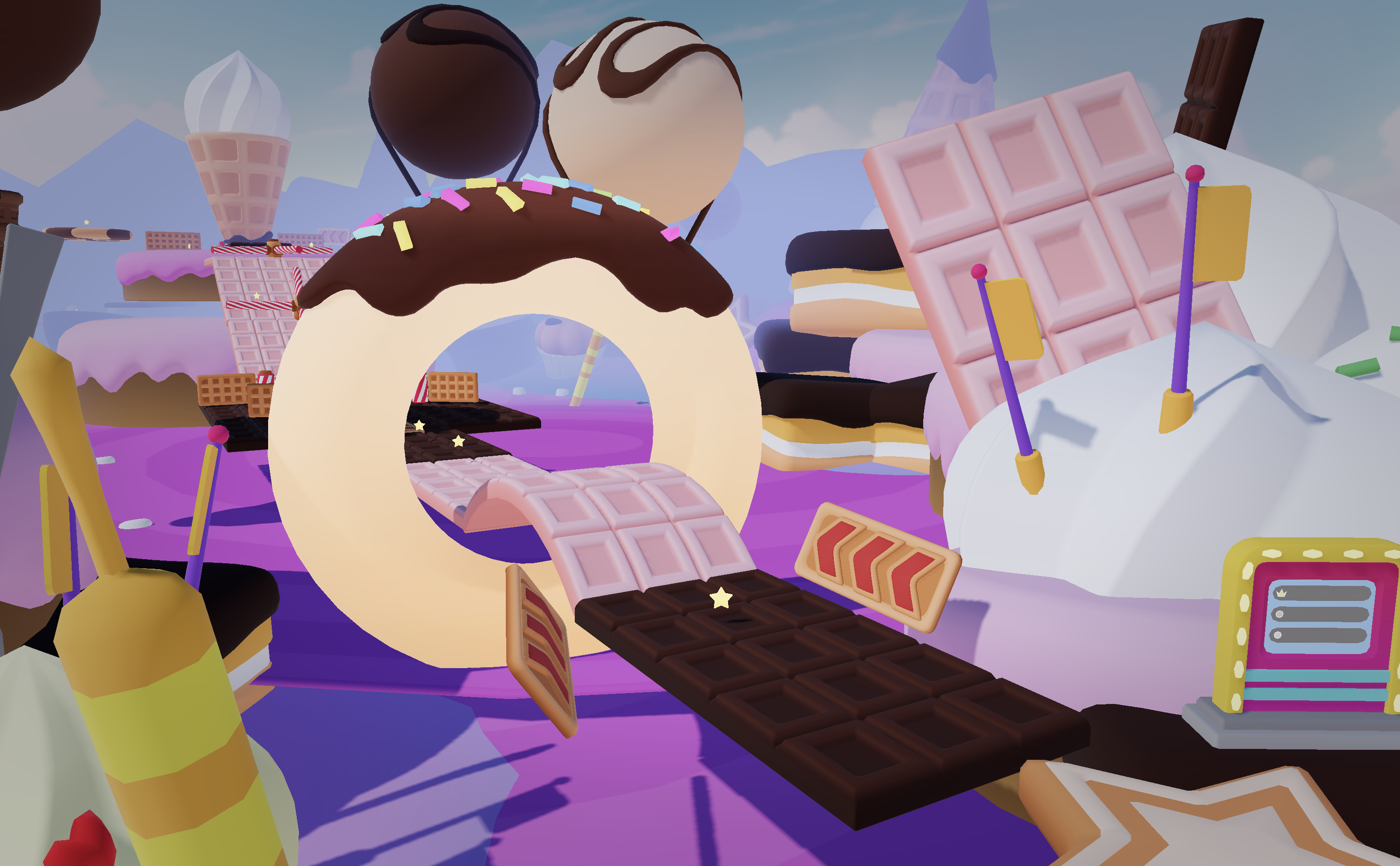
Scenario 2: Roblox-focused builder. You already use Roblox Studio but spend too much time fixing AI assets in Blender. You need Roblox-ready assets with automatic LOD optimization and direct export to Roblox Studio. Nilo’s asset pipeline, from generate to optimize, rig, animate, and export, aims to replace the Meshy → Blender → Roblox Studio chain with one smoother workflow.
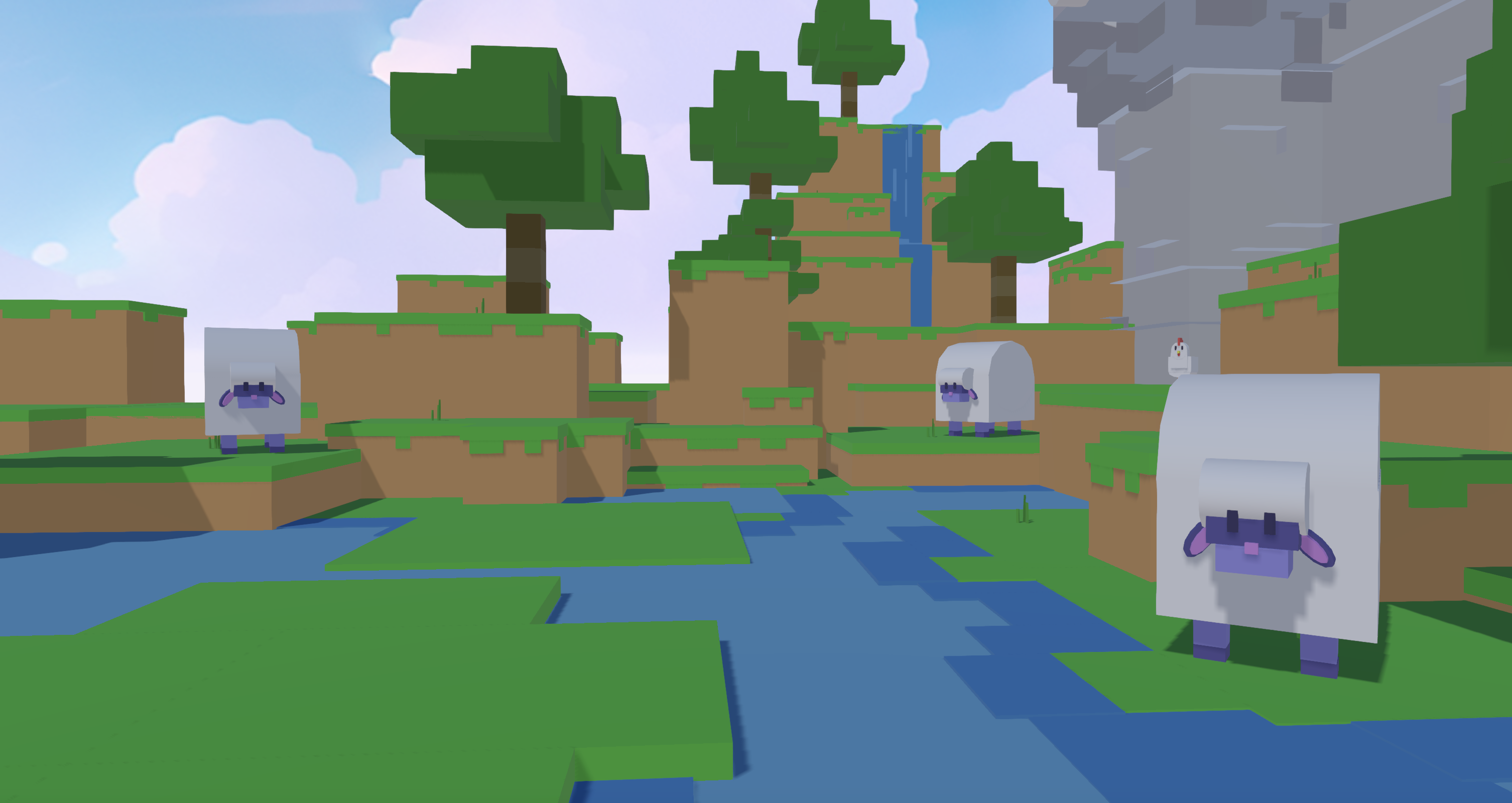
Scenario 3: Quick-prototyping team. You and a couple of friends want to test a game idea fast without passing files around. You need real-time collaborative building. Nilo lets multiple builders work in the same world at once, share via link, and publish quickly, so you avoid version control headaches.
Invite your friends and start a shared world today by joining Nilo’s open beta.
Frequently Asked Questions
What exactly is a browser-based 3D creation tool?
As described earlier, this kind of tool runs entirely in your web browser with no download or installation. Technologies like WebAssembly and WebGPU now make it possible to run game-quality 3D experiences in a tab, similar to how Figma brought pro design tools to the web for 2D work.
Do I need to know how to code or use Blender to get started?
No. Nilo is built so you can describe what you want through text, a sketch, or an image, and the AI generates it. The vibe coding editor lets you add game logic by typing what you want in plain language instead of writing Lua or JavaScript. You can still open the actual code and tweak variables if you want to learn.
How is a browser-based tool different from Roblox Studio?
Roblox Studio is a desktop app that needs installation, a capable computer, and scripting knowledge for interactivity. Browser-based tools open with a link on almost any device. Nilo focuses on exporting Roblox-ready assets with automatic polygon optimization, so you can build in Nilo and still publish on Roblox. You treat it as a faster creation environment, not a replacement for the Roblox platform.
What are the limits of AI-assisted creation?
AI generation moves fast but does not always nail the result on the first try. You may regenerate an asset, adjust a prompt, or refine details after the first pass. Vibe coding works well for common behaviors and may need extra iteration for very complex interactions. Because Nilo is model-agnostic, you can switch AI providers for different tasks, and your results improve as those models improve.
Who owns what I create in Nilo?
Everything you create in Nilo belongs to you. You can export models, skins, and other assets in standard formats and use them anywhere. That includes publishing on the Roblox Marketplace, importing into Unity or Unreal Engine, or selling them as UGC items. Nilo avoids a walled garden approach so your creativity, not the platform, sets the limit.
Conclusion: Match Your Tools to How You Want to Build
The core challenge stays the same: moving from playing games to building them still feels harder than it should. Desktop workflows, scripting requirements, and scattered tools slow you down and drain your energy before you ship anything.
AI-assisted browser-based 3D creation tools offer a practical way around that friction. The right choice for you depends on your goals, your device, and how much technical detail you want to handle yourself. If you build for Roblox and want to skip Blender cleanup, Nilo’s asset pipeline stands out. If you prototype with friends and want zero setup, a browser-first approach fits how you already hang out online.
The February 2026 Nilo survey found that 72% of builders say Nilo makes their creative process easier “by a lot,” alongside the quotes you saw earlier. These numbers and stories point to the same thing: tools feel better when they match how you actually think and work.
Creation should feel like play, and modern browser tools are finally catching up to that idea.
Join Nilo’s open beta, build your first world in the browser, and see how different it feels.