Written by: Nuno Leiria, Founder & CEO @ Nilo | Last updated: July 16, 2026
Key Takeaways for You as a Roblox Builder
- AI-assisted 3D creation helps you move from playing games to building them by turning text prompts into 3D models instead of forcing you into complex pro tools.
- Traditional workflows make you bounce between Meshy, Blender, and Roblox Studio, which breaks your creative flow and burns time on manual cleanup.
- Nilo brings generation, cleanup, rigging, animation, vibe coding, and export into one browser tab, while handling Roblox polygon rules and rigging needs for you.
- Vibe coding lets you describe game logic in plain language and see working code change your 3D world in real time.
- Ready to cut tool-switching friction from your workflow? Join Nilo’s open beta and try building and playing for free.
The Four Stages of an AI-Assisted Roblox Workflow
Every game asset you create passes through four stages: generation, optimization and rigging, logic and animation, and export. Most builders today jump between a different tool for each one, such as Meshy for generation, Blender for cleanup, a separate code editor for scripting, and then Roblox Studio for export. That daisy-chain kills creative momentum fast.
AI tools can reduce asset creation time by 60–85% in focused workflows such as picture-book illustration, but measured savings in professional 3D and archviz pipelines usually land around 20–35%, and about 90% of game developers already use AI in some part of their work. The shift is real. The biggest remaining friction now comes from tool-switching between stages. Browser-based, AI-native environments have reached the point where you can handle the full pipeline in one place, similar to how a single developer can move from prompt to playable build in an afternoon instead of a week.
Stage 1: Asset Generation for Roblox-Ready Models
Asset generation is where you turn an idea into a 3D object. You type a description, upload a sketch, or send a reference image, and the AI builds the model. Most standalone generators like Meshy or Tripo output meshes that need hand retopology before they are ready for animation or shipping. Roblox caps assets at 10,000–20,000 triangles, while raw AI output often has more than 50,000 triangles, which means hours of Blender cleanup before anything reaches your game.
To solve this cleanup problem, Nilo stands out by hiding multiple AI model providers, including Meshy, Tripo, Cartwheel, and Nano Banana, behind one interface. You switch between models based on quality, style, and speed without leaving the platform. As one builder put it in Nilo’s February 2026 survey: “I do not have to spend hours on 3D modeling the simplest things. Now I can use Nilo and do it in 15 seconds.” That shift turns a single generator into a full, integrated workflow.
Start generating Roblox-ready assets in your browser by joining Nilo’s open beta for free.
Stage 2: Cleanup, Optimization, and One-Click Rigging
Once you have a model, you need to bring it within Roblox’s polygon limits and rig it so it can move. Rigging means attaching a skeleton to a mesh so characters can walk, jump, and animate. Traditional workflows often take days in professional tools and rely on manual weight painting, where you tell the software how each bone influences nearby geometry.
You can skip that retopology grind. Nilo’s real-time LOD system adjusts polygon counts on the fly, automatically bringing meshes within Roblox’s polygon limits. One-click rigging sets up the skeleton in seconds. AI-enhanced rigging workflows can cut rigging time by up to 98% compared to fully manual methods, and Nilo pushes this further by keeping the whole process inside one browser tab. You stay in creative flow instead of exporting files, opening Blender, fixing topology, re-exporting, and hoping the rig survives the transfer.
Stage 3: Vibe Coding, Logic, and Animation
This stage is where many builders hit a wall. Scripting often becomes the number one barrier to game creation. You have the world built and the characters rigged, but nothing moves or reacts without code. The usual answer is learning Lua for Roblox or finding a scripter to partner with, which takes time you might not have.
Vibe coding removes that barrier. Nilo’s built-in code editor accepts natural language prompts in any language. You type or speak what you want a character to do, and the editor generates working logic with real-time feedback in your 3D world. You do not need a separate scripter. You can also see and tweak the actual variables, such as changing “speed = 2” to “speed = 20”, so you learn real programming concepts while you build. As one Nilo Creator described it: “You made me enjoy vibe-coding. The code assistance works almost flawlessly, other experiences have just been frustrating at best.”
Animation follows the same pattern. You type a text prompt that describes a movement, and Nilo generates the animation. Real-time multiplayer collaboration lets you and your friends build and playtest together by sharing a link, with no downloads and no setup, so creation feels as social as playing.
Stage 4: Exporting Assets and Moving Into Roblox Studio
The final stage is getting your work into Roblox. Nilo exports to FBX, OBJ, STL, and glTF, which work with Roblox Studio, Unity, Unreal Engine, Blender, and VRChat. The LOD system keeps polygon counts within Roblox’s caps automatically, so you avoid manual mesh decimation before upload.
Made with Nilo assets already appear in projects across the community. In Nilo’s February 2026 survey, 93% of respondents said they would recommend Nilo to a friend, with 82% rating their experience as “Awesome” or “Good” and 72% saying Nilo makes their creative process easier by “a lot.” Full game publishing features are in active development. Right now, Nilo stands out as a fast, precise way to create Roblox-ready assets, and it is moving toward full game creation and publishing.
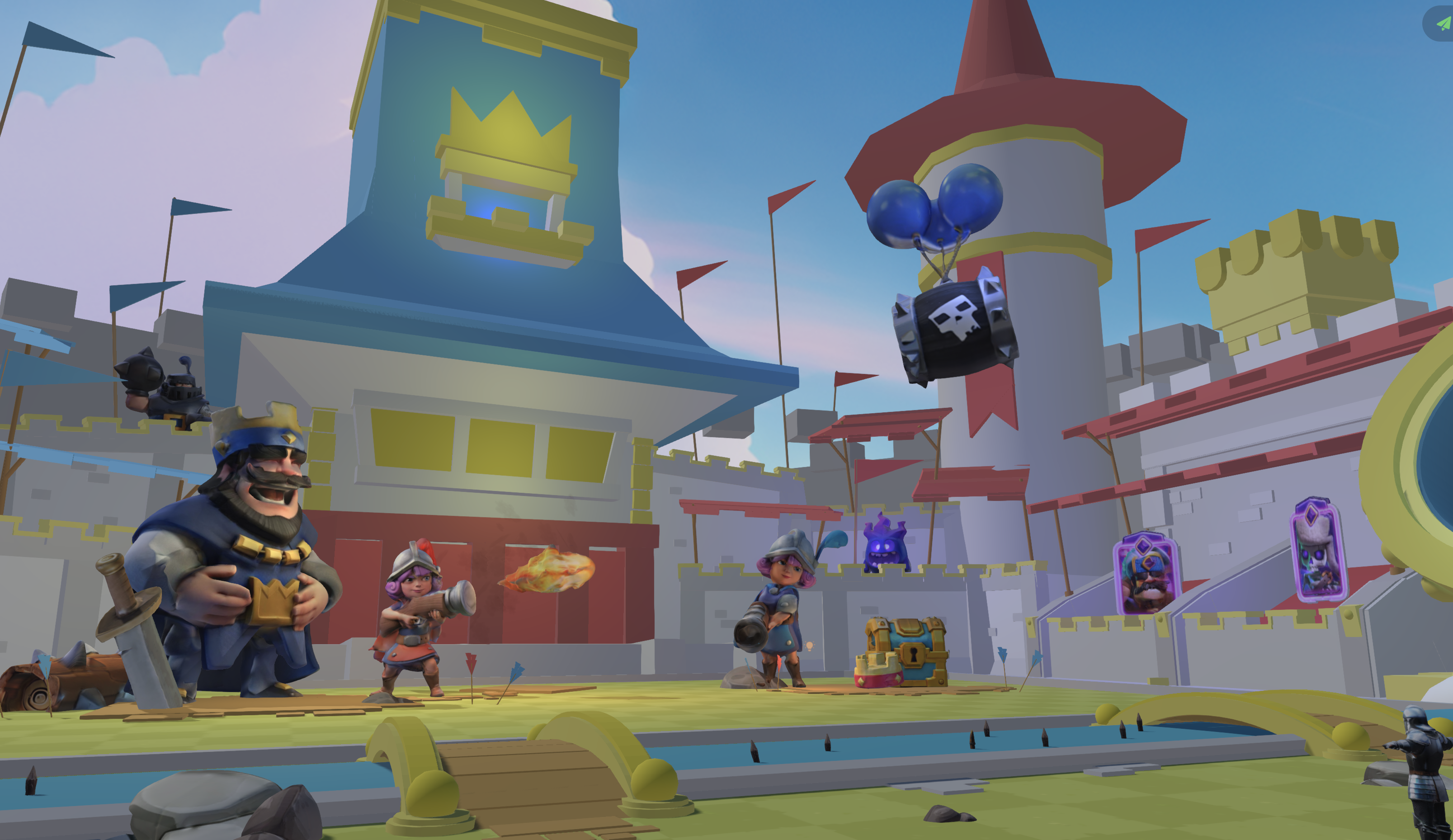
Export your first optimized asset to Roblox Studio by trying Nilo’s beta at no cost.
How to Choose the Right AI Game Development Tools
When you compare AI game development tools, focus on how quickly you can start without prior experience, how much creative control you keep over outputs, whether the tool covers the full pipeline or only one stage, whether collaboration is built in, and whether exports connect cleanly to your target platform. Use the table below as a starting framework, then test each tool against your own workflow.
| Tool | Ease of Use | Full Pipeline (Gen → Export) | Browser-Based & No Install |
|---|---|---|---|
| Nilo | Designed for aspiring builders and already builders like you, no Blender or scripting required | Generation, retopology, rigging, animation, vibe coding, and Roblox export in one environment | Yes, runs on any device through the browser with zero downloads |
| Roblox Studio | Professional-grade with a steep learning curve for scripting and 3D modeling | Game engine only, needs external tools for 3D asset creation | No, desktop install required |
| Unity | Professional-grade, and Unity Muse adds AI assistance inside the editor | Full engine with AI tools, but requires significant setup and prior knowledge | No, desktop install required, with a browser editor in development |
| Blender | Very powerful but can take months or years to learn well | Focused on modeling and rigging only, not a game engine | No, desktop application |
| Rosebud AI | Fast path to a first playable result, focused on code generation | Prompt-to-game output, limited to 2D with no editable scene tree or Steam export | Yes, browser-based |
| Sloyd | Clean parametric generation that works well for props | Asset generation only, and weaker on complex organic models | Yes, browser-based |
When you test tools yourself, prioritize clear questions such as: does it output Roblox-compatible polygon counts without manual cleanup, can you rig and animate without switching apps, is collaboration built in, and does it feel like building or like fighting a dashboard.
Common Roblox AI Challenges and How Integrated Platforms Help
Three problems show up again and again when you try to use AI tools for Roblox creation.
The first problem is messy AI output. Many generators are tuned for attractive preview renders and usually output high-polygon meshes that need optimization for game use. Standalone tools like Meshy produce fast results, but the cleanup work lands on you. Integrated platforms that include real-time retopology and LOD handling keep that work invisible.
The second problem is scripting anxiety. You might have strong ideas and solid building skills but feel blocked because you cannot code. Vibe coding, where you describe what you want in plain language and see it work instantly in your 3D world, removes that barrier without forcing you to learn Lua or find a scripter.
The third problem is solo-creation isolation. Game creation feels more fun with friends, yet many tools are built for one person working alone. Real-time multiplayer collaboration, where you share a link and start building together on desktop or mobile, brings the social energy of playing back into the creation process and keeps you in creative flow instead of stopping to manage files or versions.
Beginner Workflow: Your First Roblox-Ready Asset in One Tab
If you want to go from zero to a Roblox-ready asset without switching tools, follow this practical sequence.
- Open your browser and go to nilo.io, with no download or install needed.
- Type a text prompt or upload a sketch to generate your first 3D model using Nilo’s AI generation tools.
- Use the LOD slider to bring your model’s polygon count within Roblox’s triangle caps automatically.
- Click once to rig your character, and Nilo attaches a skeleton and prepares it for animation in seconds.
- Type a text prompt to generate an animation, describe the movement you want, and see it applied in real time.
- Use the vibe coding editor to add game logic, type what you want to happen, and watch it work live in your world.
- Invite a friend to build with you by sharing your world link.
- Export your asset as FBX or GLB and import it directly into Roblox Studio.
Frequently Asked Questions
What exactly is vibe coding, and do I need any coding experience to use it?
Vibe coding means building game logic by describing what you want in plain language, typing or speaking to the AI instead of writing code manually. You might say “make this character jump when the player presses space” and the editor generates working logic instantly, with real-time feedback visible in your 3D world. You do not need any prior coding experience. You can also see the actual code variables and tweak them directly, such as changing “speed = 2” to “speed = 20”, which gives you a low-pressure way to start learning real programming concepts.
How does Nilo handle Roblox’s strict polygon limits?
Roblox’s triangle caps mentioned earlier can be hard to hit when you use raw AI output. Many generators create meshes far above those limits, which usually means manual cleanup in Blender before anything reaches your game. Nilo’s built-in LOD system adjusts polygon counts automatically with a slider, bringing your model within Roblox’s requirements without external tools. When you export, the file already arrives optimized and ready for Roblox Studio.
Can I use Nilo if I’ve never built anything before?
Yes. Nilo is designed for builders at every stage, from someone who has only played Roblox to experienced creators who want to speed up their workflow. The interface feels playful and intuitive, with a radial menu for quick object creation and AI help throughout. You generate assets by typing, sketching, or uploading images. You add logic by describing what you want. The platform teaches concepts like rigging, polygons, and mesh topology through the UI itself, so you learn while you build instead of studying first.
Is Nilo a replacement for Roblox Studio?
No. Nilo acts as a Roblox workflow accelerator. You create, optimize, rig, and animate assets in Nilo’s browser environment, then export directly to Roblox Studio with one click. You can think of it as the creation layer that removes friction before your assets reach Roblox. Full game publishing inside Nilo is in active development, but today Nilo focuses on the asset creation pipeline that many Roblox builders struggle with most.
What are the ethical considerations when using AI-generated assets for Roblox games?
Any models, skins, or UGC items you create in Nilo are yours to use, publish, and monetize on the Roblox Marketplace or anywhere else. When you use AI generation tools, keep records of the prompts and source images you used, especially for commercial projects. Avoid reference images that include copyrighted characters or logos without permission. Roblox’s community standards and Terms of Service still apply to anything you publish on their platform, so review those before uploading AI-generated content to the Roblox Marketplace.
Ready to Build Without the Friction?
The four stages of an AI-assisted workflow, generation, optimization and rigging, logic and animation, and export, do not need to live in four different apps. The tool-switching between Meshy, Blender, a code editor, and Roblox Studio often kills your creative momentum more than the actual complexity of building.
Nilo Creators already build Roblox-ready characters, props, environments, and animated assets in minutes instead of hours. As the survey results show, Nilo users feel their creative process getting much easier. Backed by Supercell and built from scratch as an AI-native game engine for the browser, Nilo stands out as a place where aspiring builders and already builders like you are showing up.
Your ideas deserve tools that keep up with them. Start in your browser, generate your first asset, rig it with one click, vibe code your first game mechanic, and export it to Roblox, all without leaving one tab.
Join Nilo’s open beta and try building and playing for free.