Written by: Nuno Leiria, Founder & CEO @ Nilo | Last updated: July 17, 2026
Key Takeaways
- Most AI game maker no code tools only produce flat 2D demos because they lack a real 3D engine, physics, and export options.
- You usually hit three major walls: scripting requirements, complex 3D modeling, and fragmented tool workflows that kill creative momentum.
- Real 3D creation needs six core capabilities: clean asset generation, natural language logic, hands-on world building, automatic optimization, real-time collaboration, and standard format exports.
- To evaluate tools, check onboarding ease, output quality, export compatibility, performance handling, collaboration support, and learning value, not just generation speed.
- Nilo combines a real game engine with browser-based creation so you can build, refine, and export real 3D worlds, try Nilo for free.
The Problem: From Playing 3D Games to Creating Them
Switching from player to creator sounds simple at first, but three walls usually stop you before you ship anything.
The first wall is scripting. Roblox Studio, Unity, and Unreal Engine all need code before anything becomes interactive. Learning Lua or C# from scratch takes months, and most tutorials assume you already know the basics.
The second wall is 3D modeling. Blender is powerful, yet it can take years to feel comfortable. As one builder described it in Nilo's February 2026 Survey: "Picture yourself, frustrated because you spent the last 5 hours 3D modeling a shipping container."
The third wall is tool fragmentation. A single Roblox asset can require Meshy for generation, Blender for cleanup, and Roblox Studio for import, three separate tools, three separate learning curves, and a workflow that kills creative momentum every time you switch.
See how Nilo removes these barriers and start building in your browser for free.
How These Barriers Slow Momentum and Burn Builders Out
These three walls, scripting requirements, 3D modeling complexity, and tool fragmentation, do more than slow you down. They stop projects entirely. According to Nilo's February 2026 Survey, 72% of builders said Nilo makes their creative process easier "by a lot," which shows how much friction the standard workflow creates.
Collaboration suffers too. Most creation tools feel like single-player experiences. You build alone, hit a scripting problem, search for a partner, wait, lose the thread of your idea, and eventually abandon the project. The games that inspired you to create were multiplayer, yet the tools that should help you create them usually are not.
Optimization anxiety adds another layer. Roblox caps assets at 10,000–20,000 polygons, the number of flat surfaces that make up a 3D model. Lower counts mean faster performance. Worrying about triangle counts while trying to design a world feels like trying to write a story while counting every word. The creative flow breaks completely.
AI Game Maker 3D: The Gap Between Prompt-Only Tools and Real Engines
Pure browser-based prompt-only tools like Rosebud AI generate instant 2D web games from natural language prompts, so you can create 3D games by just talking, texting, or even sending images to the AI. These tools usually lack a real engine, scene tree, or debugger, so they cannot reliably handle complex 3D physics, logic, or multiplayer. That gap shapes what you can actually ship across five key areas.
Accessibility. Prompt-only tools feel easy at the start but hit a ceiling fast. You describe a game and get something playable in seconds. The moment you try to change anything specific, the whole thing often breaks. Real 3D engines give you hands-on control inside the world so you can adjust details without restarting.
Creation flow. Browser AI generators convert a text prompt into a small playable web game in seconds, yet the results stay small, browser-bound, and limited in 3D capabilities. Engine-backed tools let you build, tweak, and iterate without starting over every time you change your idea.
Collaboration. Most prompt-to-game tools feel like single-session experiences. Real 3D engines with multiplayer support let you build with friends in real time, which matches how you probably want to create.
Performance. Current no-code AI tools struggle with heavily optimized 3D scenes that contain thousands of objects on screen at once. A real engine handles polygon optimization, level of detail (LOD, a system that automatically reduces mesh complexity at distance), and physics without asking you to manage every detail.
Portability. Prompt-only tools typically output web pages. Browser prompt-to-play AI tools produce 3D-looking web demos but cannot export native desktop builds for platforms like Steam. For Roblox builders, export compatibility with FBX, OBJ, and GLB formats is non-negotiable.
No Code Game Maker 3D: Core Capabilities You Actually Need
You should check for six core capabilities when you evaluate any AI game maker no code tool for 3D creation.
3D Asset Generation and Refinement
Text-to-3D and sketch-to-3D generation should produce clean topology, the structure of a 3D mesh, so you avoid Blender cleanup. Most AI-generated 3D assets from standard tools require post-processing steps such as retopology, UV cleanup, or PBR channel verification before becoming production-ready for real-time engines. A strong tool handles these steps automatically.

Natural Language Logic Creation (Vibe Coding Game Engine)
Vibe coding means you create game logic by just talking, texting, or sending images to the AI, so you do not need scripting knowledge. Look for tools where the AI writes the code and the engine executes it directly on the live project. Generation alone is not enough though. You also need to see and edit the underlying variables so you can understand what the AI created and adjust it yourself. That is how you actually learn while building.
World Building and Scene Assembly
You need hands-on spatial tools, not just a chat interface. Physics simulation should run in real time so your world feels alive. Objects should move, collide, and react without manual wiring for every interaction.
Optimization and Performance Constraints
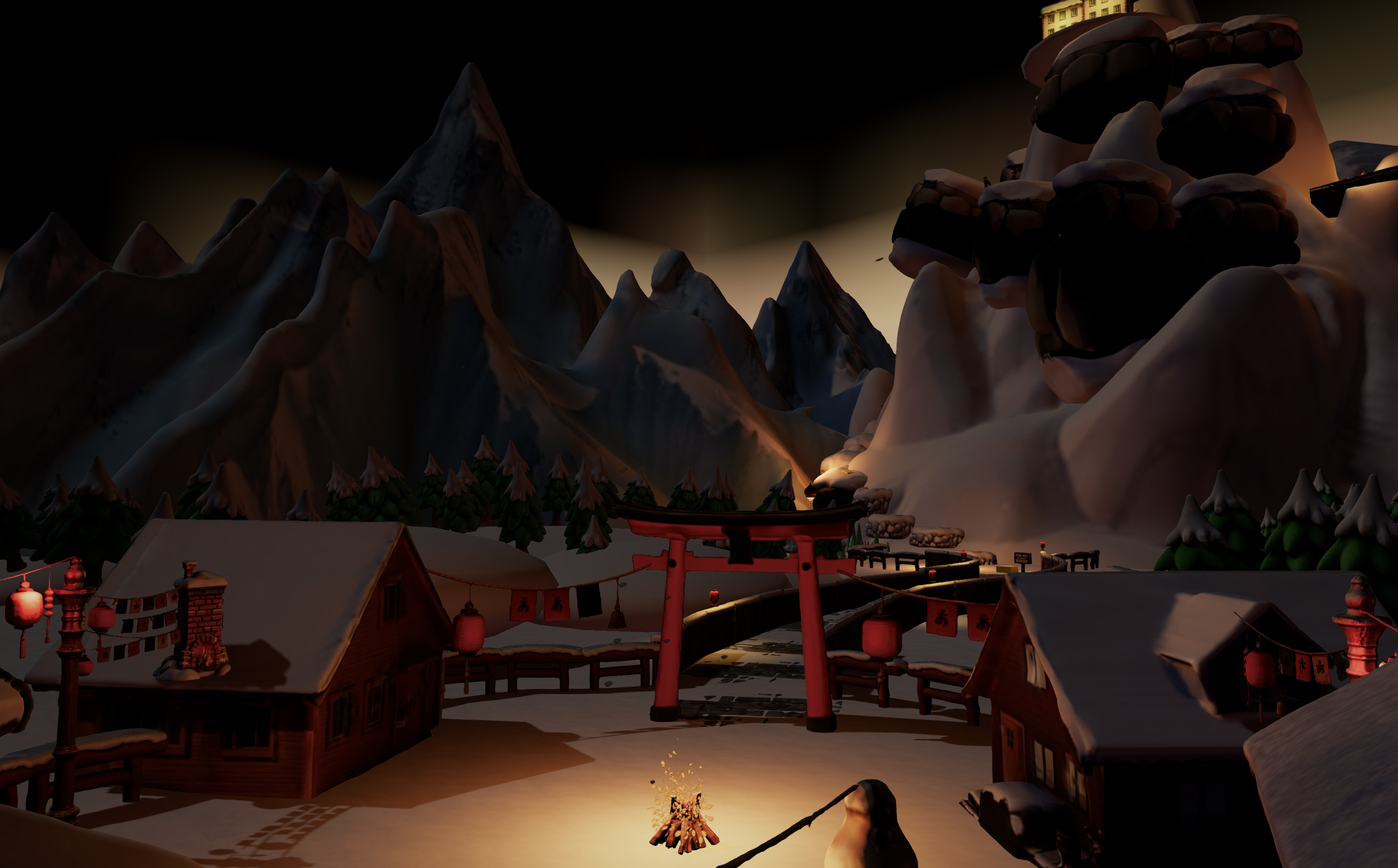
For Roblox export, polygon counts must stay within platform limits. A real-time LOD system that automatically adjusts mesh complexity on the fly removes this burden from you entirely.
Collaboration and Sharing
Real-time multiplayer creation, building together with friends via a shared link, is a feature most prompt-only tools skip entirely. When creation is not social, it starts to feel like work instead of play.
Export and Interoperability
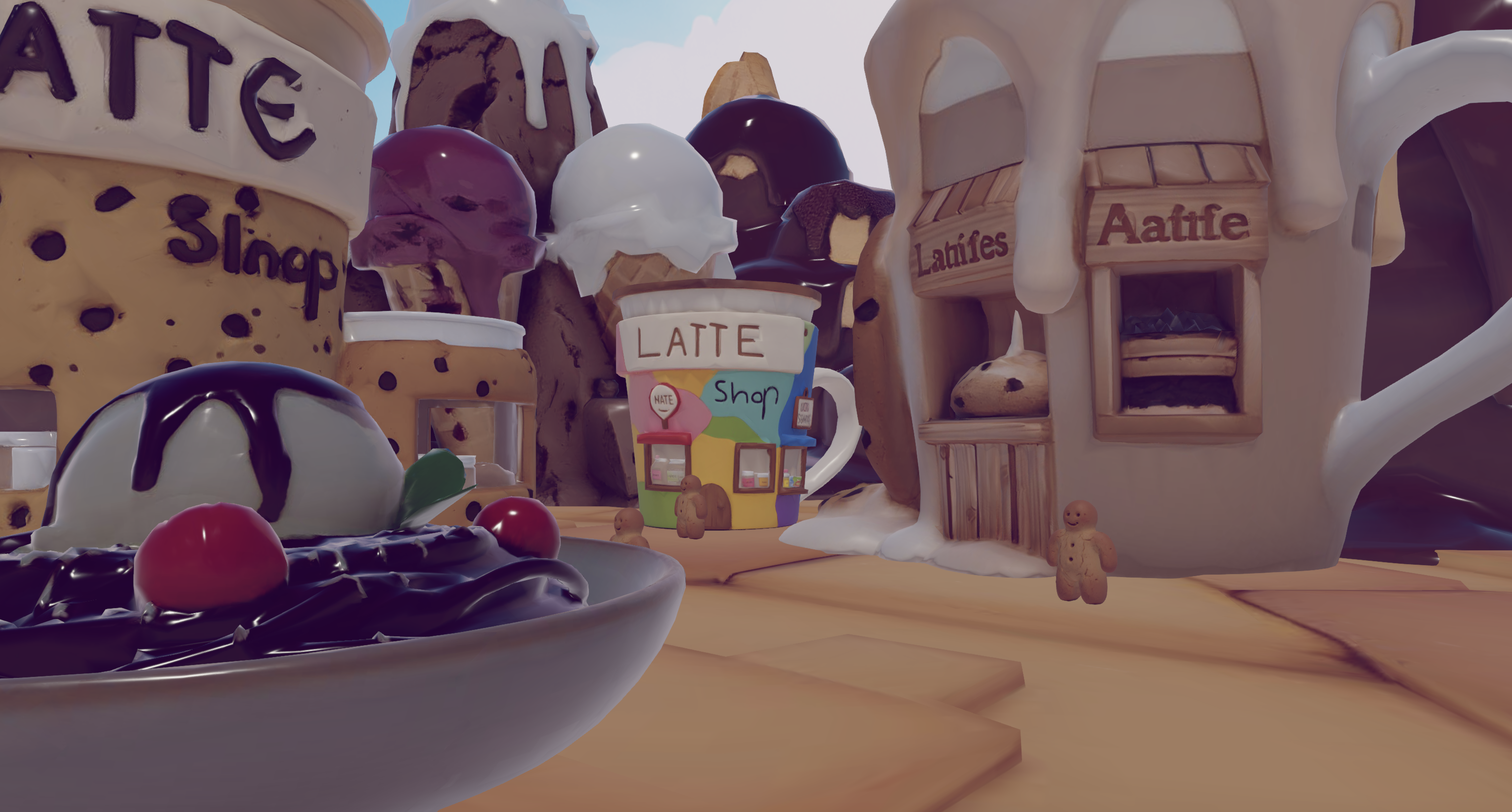
Any serious 3D tool should support the standard formats mentioned earlier, so you stay compatible with Roblox Studio, Unity, Unreal Engine, and Blender.
2026 3D Capability Matrix
| Capability | Prompt-Only Tools (e.g., Rosebud AI) | Nilo |
|---|---|---|
| 3D asset generation | Limited or 2D-focused | Text, sketch, and image-to-3D |
| Real-time physics | Basic or absent | C++ physics via WebAssembly |
| Vibe coding (natural language logic) | Prompt-only, no editable code | Natural language plus editable variables |
| LOD / polygon optimization | Not available | Real-time LOD slider |
| Multiplayer collaboration | Not available | Real-time, link-based |
| Export formats | Web page only | FBX, OBJ, STL, glTF |
| Roblox-ready export | Not available | Optimized for Roblox's polygon caps |
| Browser-based | Yes | Yes, no install required |
5-Step Browser Workflow for 3D Creation
- Generate your asset. Type a description, upload a sketch, or send a reference image. The AI produces a 3D model in seconds.
- Optimize the mesh. Use the LOD slider to bring polygon counts within Roblox's performance limits automatically, so you skip Blender for this step.
- Rig and animate. One-click rigging attaches a skeleton to your model. Describe the animation you want in plain language and the AI generates it.
- Build your world. Drag assets into a 3D scene. Add physics, logic, and interactions using natural language prompts. Invite friends to build with you via a shared link.
- Export and publish. Download in FBX, OBJ, STL, or glTF format. Import directly into Roblox Studio, Unity, or any compatible platform.
Try this full workflow yourself in Nilo's open beta.
Rosebud AI Alternative: How to Evaluate Any Tool
You can use a simple checklist when you compare tools like Rosebud AI, Sloyd, Lemonade.gg, Nilo, or anything else.
- Onboarding ease. You should be able to create something real in under 10 minutes without a tutorial.
- Output quality. The 3D asset should look clean instead of needing hours of manual cleanup.
- Export compatibility. The tool should export FBX or GLB files that open correctly in Roblox Studio or Unity.
- Performance limits. The tool should handle polygon optimization automatically instead of forcing you to manage it yourself.
- Collaboration needs. You should be able to build with a friend in real time instead of always working alone.
- Learning value. The tool should teach you real concepts like rigging, mesh topology, and physics instead of hiding everything behind a black box.
Nilo stands out on this checklist because it combines a real game engine, built on C++ physics compiled to WebAssembly with WebGPU graphics, with a creation experience designed to feel like play, not work. As one builder noted in Nilo's February 2026 Survey: "I like how it feels like a good game engine rather than a vibe coding tool, with easy building and a good focus on being able to export and import content."
Three Builder Scenarios: Picking a Workflow That Fits You
First-time creator. You have never used a 3D tool before and you want to make something playable without spending weeks learning software. Look for a browser-based tool with no install, a guided first experience, and real-time physics so your world feels alive immediately. The key decision is whether the tool lets you build hands-on or only generates something and hands it to you.
Roblox-focused builder. You already build in Roblox Studio, but you feel tired of the Meshy → Blender → Roblox Studio pipeline. You need automatic LOD optimization, clean topology on export, and FBX compatibility. The key constraint is Roblox's polygon caps. Any tool you use should handle optimization before export, not after.
Collaborative team. You and your friends want to build together. You need real-time multiplayer creation, not just asset sharing. The key detail is whether everyone can join via a link without downloading anything. Tools that require installation create friction that kills collaborative sessions before they start.
Nilo's browser-based 3D creation platform supports all three scenarios. You can generate and refine Roblox-ready assets without extra steps, build with friends in real time via shared links, and run everything in the browser with no install required.
Frequently Asked Questions
What does "no code game maker 3D" actually mean?
A no code game maker 3D is a tool that lets you build playable 3D games and worlds without writing traditional programming code. Instead of typing scripts in Lua or C#, you use visual tools, drag-and-drop interfaces, or natural language prompts. You describe what you want in plain language and the AI generates the logic for you. The 3D part matters because many no-code tools only produce 2D games. A true 3D no-code tool includes a real physics engine, 3D asset generation, and export to standard formats like FBX or GLB.
Do I need any skills to start building 3D games with AI?
You do not need prior coding or 3D modeling experience to get started. If you can describe what you want in text, a sketch, or a reference image, a good AI game maker can generate assets, rig characters, and create game logic for you. As you experiment, you naturally pick up real concepts like polygon counts, rigging, and physics. Nilo is designed so that you learn these concepts through building, not by reading long documentation.
What's the difference between Nilo and a tool like Rosebud AI?
Rosebud AI generates a playable web game from a text prompt. The experience feels fast and accessible, but the output runs only in a browser tab with no real engine underneath, no multiplayer, and no export to Roblox or other platforms. Nilo works as a game engine first. You stay inside a 3D world, building hands-on, with real physics, real-time collaboration, and one-click export to Roblox Studio in FBX or GLB format. The AI in Nilo acts as your co-pilot. It generates assets, writes logic, and animates characters, while you stay in control of the build. That is the "Iron Man, not Wall-E" difference, you get superpowers instead of a chair while AI does everything.
Can I actually export what I build to Roblox?
Yes. Nilo exports to FBX, OBJ, STL, and glTF formats, all compatible with Roblox Studio. Nilo's built-in LOD system automatically adjusts polygon counts to stay within the platform's limits, so your assets pass performance checks without manual cleanup. You can also export rigged and animated characters, not just static props. Nilo is not a walled garden. Everything you create can move to Roblox, Unity, Unreal Engine, Blender, or any other platform that accepts standard 3D formats.
Is Nilo free to use?
Yes. Nilo is currently in open beta and free to access. The Starter tier includes 1,000 Nilo Bits per month, the credits used to power AI generation, export, and creation features. Many core building tools require no Bits at all. You can also earn more Bits through Nilo Rewards by referring friends and building within the community. In Nilo's February 2026 Survey, 93% of builders said they would recommend Nilo to a friend, which signals that the free experience delivers real value.
Conclusion: Build What's in Your Head
Most AI game maker no code tools stop at 2D demos because they do not have a real 3D engine underneath. They generate something fast, yet they cannot refine meshes, handle real physics, support multiplayer collaboration, or export Roblox-ready assets. That gap explains why builders like you keep hitting walls.
Real 3D creation requires six things: asset generation with clean topology, natural language logic, hands-on world building, automatic optimization, real-time collaboration, and standard format export. When you evaluate any tool, use those six criteria instead of only checking how fast it generates a demo.
Nilo stands out as a browser-based option that combines a real game engine with an experience designed to feel like play. As one builder put it in Nilo's February 2026 Survey: "There are no limits on what you can create — just type, draw or add in an image and you can generate, rig, customise and place a fully 3D model within minutes."
The world in your head deserves more than a 2D demo. Join Nilo's open beta and try building and playing for free with the AI game maker no code platform built for real 3D worlds.