Written by: Nuno Leiria, Founder & CEO @ Nilo | Last updated: June 29, 2026
Key Takeaways for Mobile Roblox Builders
- You can now create Roblox assets entirely in a mobile browser without Roblox Studio or Blender.
- Main blockers on mobile include polygon limits, rigging complexity, and reliance on desktop-only tools.
- Choosing a tool means checking for real-time retopology, Roblox-safe exports, and one-click rigging.
- Nilo tackles these issues with browser-based AI generation, automatic cleanup, and instant rigging for Roblox-ready assets.
- Create a free Nilo account and start building Roblox assets directly from your phone.
Why Building Roblox Assets on Mobile Feels So Hard
If you only have a phone and want to build Roblox assets, you hit a wall fast. Roblox Studio needs a desktop. Blender, the open-source 3D modeling tool many pros use, takes months to learn and only runs on desktop hardware. Even if you find an AI tool that generates a 3D model, you still have to clean up the mesh, reduce the polygon count, rig the character so it can move, and export in a format Roblox accepts. That long chain of steps, often called daisy-chaining tools, kills your creative momentum.
Roblox enforces strict performance limits: assets must stay under 10,000–20,000 triangles, and textures must not exceed 1024×1024 pixels. Desktop builders use Blender to manually retopologize, or rebuild the mesh with fewer, cleaner polygons, before every export. On mobile, that step had no real equivalent until browser-based tools started to close the gap.
This technical barrier compounds the fragmentation problem. You often need one app to generate, another to clean up, another to rig, and a desktop to export. If you build on mobile, you end up hiring someone else or waiting until you can reach a computer.
How to Choose a Mobile Roblox Asset Tool
You can evaluate any mobile Roblox asset tool by walking through five checks in order.
Mobile browser support. First, confirm it runs fully in a phone browser without an app install. Tools that require desktop software remove mobile-only builders like you from the start.
Real-time retopology. Once you know it works in the browser, check if it reduces polygon counts automatically while you work. If you still have to open Blender later and fix the mesh by hand, the tool will not fit a real mobile workflow.
Roblox polygon limits. This retopology step matters because Roblox enforces a triangle cap. Your tool should respect that limit automatically so your exports do not fail or cause lag in-game.
Export formats. After that, look at export options. Roblox Studio accepts FBX and OBJ. If a tool only exports a custom format, you add extra friction. Aim for tools that support FBX, OBJ, STL, or glTF.
One-click rigging. Finally, check rigging. Manual rigging can take hours in pro tools. A mobile-first workflow needs rigging to happen with a single tap so you can stay focused on ideas instead of technical steps.
Nilo for Roblox Creators on Mobile
Nilo stands out as a browser-based AI platform built specifically for Roblox creators like you. You can generate 3D characters, weapons, and props in seconds using sketches or text prompts, and Nilo keeps polygon counts low enough so models work in Roblox Studio without extra cleanup. You avoid installing software, learning Blender, or sitting at a desktop.

Nilo runs on a custom game engine with C++ physics compiled to WebAssembly and WebGPU graphics. This is the same kind of browser technology shift that let Figma bring professional design to the web. You tap a link on your phone, the editor opens in your browser, and you start building.
The free tier includes 1,000 Nilo Bits per month, which are credits for AI generation, rigging, and export. Core building features do not use Bits, so you can move pieces around and experiment freely. In a February 2026 survey with builders, 93% said they would recommend Nilo to a friend, and 82% rated their experience as “Awesome” or “Good.”
One builder from that survey put it directly: “There are no limits on what you can create, just type, draw or add in an image and you can generate, rig, customise and place a fully 3D model within minutes.”
See how fast you can build your first asset with Nilo.
Step-by-Step: Build Your First Asset in Nilo on Mobile
This is the full mobile workflow from phone browser to Roblox-ready file.
Step 1: Open your browser. Go to nilo.io on any iOS or Android browser. You do not need to download an app. Switch to landscape mode for more workspace, because that makes the inspector panel and radial menu easier to use on a small screen.
Step 2: Generate your asset. Type a text prompt that describes what you want, like a sword, a character, or a prop. You can also sketch it directly in 2D and let Nilo refine it with AI. Nilo’s model-agnostic layer pulls from multiple AI providers, including Meshy, Tripo, and Nano Banana, behind one interface so you get strong results without jumping between apps.
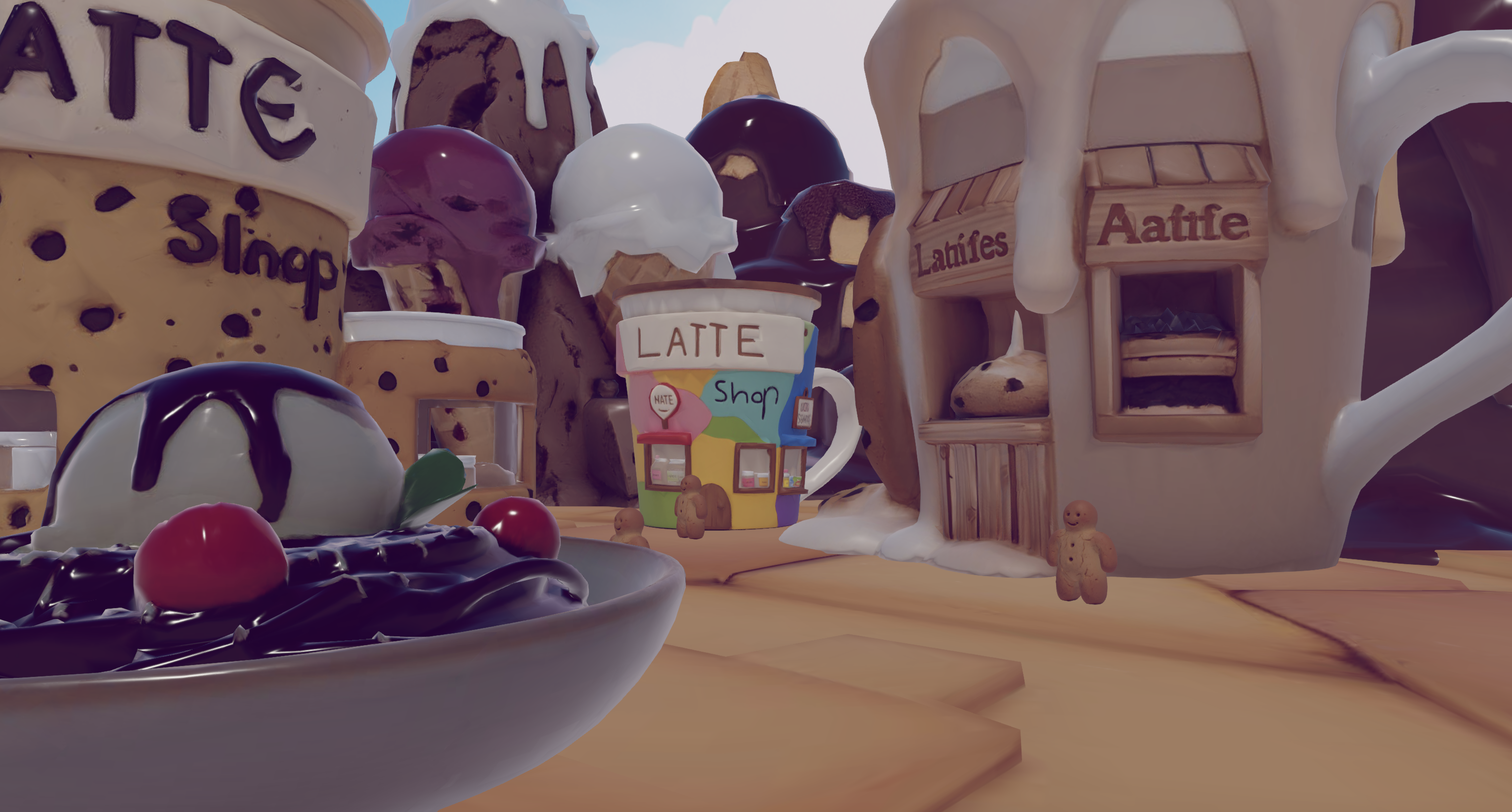
Step 3: Adjust the level-of-detail (LOD) slider. LOD is a system that automatically simplifies your mesh’s polygon count. Drag the slider until your triangle count fits Roblox’s limits. Nilo handles retopology in real time, so you do not need Blender for this step.
Step 4: Rig with one click. Tap the rig button and Nilo attaches a skeleton to your model automatically. A process that can take hours in Blender now finishes in seconds on your phone.
Step 5: Export. Choose FBX or glTF and download the file. Then import it into Roblox Studio on any device. The file arrives already tuned for Roblox, so you can focus on how it looks and behaves in your game.
iOS and Android tips. Watch your polygon count before exporting, because the inspector panel shows it live. Stay in landscape mode while you work. If your browser slows down, close other tabs. Nilo’s WebGPU engine is efficient, but mobile RAM still has limits.
How Nilo Fixes Common Mobile Tech Problems
Texture size limits and polygon counts cause most of the pain for mobile builders.
Roblox caps textures at 1024×1024 pixels. Nilo generates textures inside that limit by default, so you do not upload an oversized file and then see an error in Roblox Studio.
Polygon counts are handled by the real-time LOD system. Instead of exporting a 200,000-triangle mesh and then spending 30 minutes in Blender reducing it, you drag a slider in Nilo and watch the mesh simplify live. Builders in the February 2026 survey highlighted the time savings: “I do not have to spend hours on 3D modeling the simplest things, now I can use Nilo and do it in 15 seconds.”
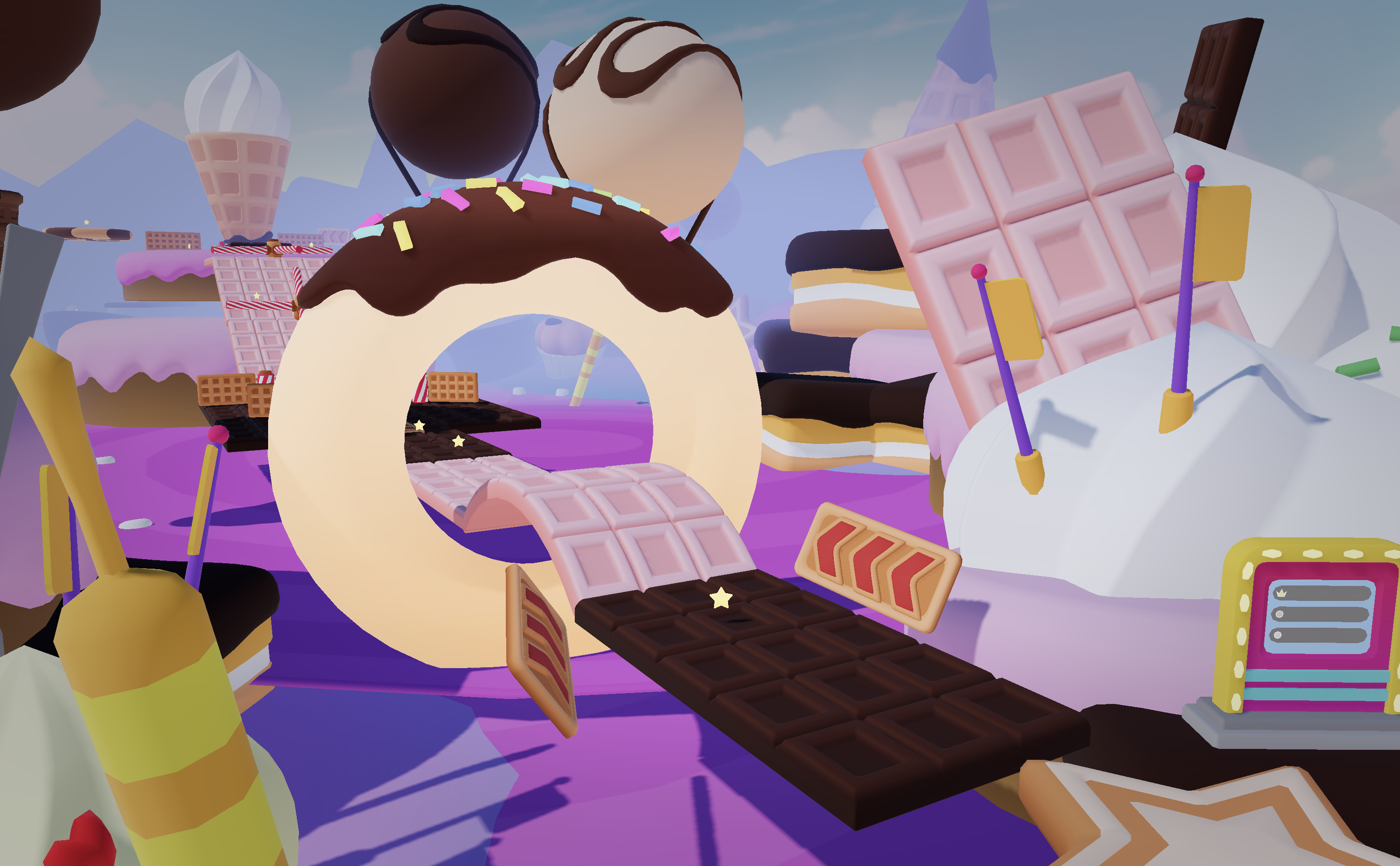
Both problems that once made mobile asset creation feel impossible now sit inside the same browser tab where you build the asset.
Hiring Platforms vs Building Yourself on Mobile
When you search for help creating Roblox assets on mobile, most results point to hiring platforms like Fiverr or the Roblox Developer Forums. You can compare that path with building assets yourself in a browser tool like Nilo.
| Factor | Hiring Platform | Self-Building in Nilo | Desktop Tools (Blender + Roblox Studio) |
|---|---|---|---|
| Cost | Variable; freelance rates typically start at $10–$50+ per asset | Free tier with 1,000 Nilo Bits/month | Free software; requires desktop hardware |
| Speed | Hours to days depending on freelancer availability | Minutes from prompt to export | Hours to days including retopology |
| Creative Control | Low, you describe and someone else decides | High, you iterate in real time with direct input | High, but requires months of Blender practice |
| Mobile Access | Yes, you can message a freelancer from your phone | Full creation workflow in any mobile browser | No, Roblox Studio and Blender require desktop installation |
Hiring platforms add cost and reduce your creative control. Desktop tools demand hardware and training time you might not have. A browser tool lets you move fast, keep ownership of the result, and iterate as many times as you want without paying for each revision.
Frequently Asked Questions
Can I really create Roblox-ready assets entirely from my phone?
Yes. Nilo runs in any modern mobile browser, so you avoid app downloads and desktops. You generate an asset with a text prompt or sketch, adjust the LOD slider to match Roblox’s polygon rules, rig it with one tap, and export an FBX or glTF file. The whole workflow stays in a single browser tab. Builders in Nilo’s February 2026 survey reported finishing assets in 15–20 seconds that used to take hours in Blender.
What export formats does Nilo support, and are they compatible with Roblox Studio?
Nilo exports FBX, OBJ, STL, and glTF. Roblox Studio accepts FBX and OBJ directly. You download the file from Nilo, open Roblox Studio on any device, and import it. The model arrives already tuned to meet Roblox’s polygon and texture requirements mentioned earlier, so you do not need extra cleanup before use.
What did builders say about Nilo in the February 2026 survey?
The February 2026 survey mentioned earlier also found that 72% said Nilo makes their creative process easier “by a lot.” Builders described the speed advantage clearly: “You can work 20 times faster than you usually work on models.” They also highlighted creative freedom: “It lets my imagination free and let loose instead of having to plan out a whole blueprint on what to make with my past modeling tools.”
Do I need to know how to code or use Blender to build assets in Nilo?
No. Nilo handles retopology, rigging, and optimization for you. You describe what you want in text, a sketch, or an uploaded image, and Nilo generates it. If you want to add interactivity to your world, Nilo includes a built-in code editor that accepts natural language prompts, so you type or talk about what you want the object to do and Nilo writes the code. Blender skills are not required at any point in the mobile workflow.
Start Building Roblox Assets on Your Phone Today
Roblox Studio will not run on your phone, and Blender needs a desktop and a lot of practice. Hiring platforms cost money and hand your creative vision to someone else. A browser-based workflow in Nilo removes those three barriers so you can generate, clean up, rig, and export Roblox-ready assets directly from any phone browser, for free.
Builders already use Nilo to create custom characters, weapons, props, and full asset packs, then export them straight into Roblox Studio. The February 2026 survey summed it up: “The sky’s the limit. Whatever you can think you can make.”
Your phone is already in your hand. Your next Roblox asset sits one browser tab away.
Open Nilo in your browser and start creating now, no download and no wait.