Written by: Nuno Leiria, Founder & CEO @ Nilo
Key Takeaways for Your Roblox Asset Workflow
- ForgeGUI is an AI platform that generates Roblox-ready thumbnails, icons, and GUI sets from text prompts, so you skip hours of manual design.
- The tool focuses on 2D visual assets and does not include retopology, LOD systems, rigging, or direct 3D export for game-ready geometry.
- Heavy iteration on ForgeGUI burns through credits quickly, which makes it harder to use for large 3D asset pipelines.
- When you need 3D characters, props, or environments, Nilo stands out with automatic polygon cleanup, one-click rigging, and smooth Roblox Studio export.
- Start Nilo’s open beta and test building and playing for free.
Why ForgeGUI Matters for Roblox Creators in 2026
ForgeGUI is an AI design platform for game creators that uses AI to generate thumbnails, icons, GUI sets (the menus, HUDs, and buttons players see on screen), and 3D assets from text prompts. You type what you want, and ForgeGUI sends back production-ready visual assets in seconds.
You search its documentation because the promise feels real. You skip long design sessions and get Roblox-ready visuals fast. ForgeGUI is tuned for Roblox and avoids common problems with general AI tools, like weird character proportions or textures that do not match Roblox’s style. That Roblox focus is why it has a strong following on the Roblox DevForum.
Once you move beyond GUI and thumbnails into real 3D asset creation, the documentation gets thin, because the tool’s focus stays narrow by design. This guide shows you where ForgeGUI shines, where it falls short for 3D work, and which tools you can add when you need a full 3D asset pipeline.
Try Nilo’s browser 3D tools and start building and playing for free.
ForgeGUI’s Core Features for Roblox Visuals
ForgeGUI’s current feature set covers these areas:
- GUI and HUD generator: Generate complete UI sets in one pass, including inventory panels, health bars, skill icons, shop interfaces, and buttons, directly from a text prompt.
- Thumbnail and icon maker: Generate full 1920×1080 game thumbnails and 1080×1080 square game icons. You can pick between cinematic Blender GFX with volumetric lighting or a cartoony high-CTR style.
- Coding assistant: Use the built-in helper to support scripting and development tasks that sit next to your visual work.
- Asset catalog: Free-tier generations may be added to a public asset catalog, while paid-plan generations stay private by default.
- 3D Creator tool: Use the 3D asset generator to create models you can bring into games including Roblox.
- One-click export to Roblox Studio: Export as PNG, bulk ZIP, or push assets directly to Roblox Studio through a plugin.
Prompt Structures That Get Better ForgeGUI Results
You get strong results from ForgeGUI when your prompts are clear and specific. Use these simple patterns for the most common tasks in 2026.
For thumbnails and icons: Describe the scene with characters, setting, mood, and action. Adding “cartoony high CTR style” gives you the bright, bold, clean look used by top-performing Roblox games. Example: “Two blocky Roblox characters fighting on a lava island at sunset, dramatic lighting, cartoony high CTR style.”
For GUI sets: Start broad, then isolate parts. Example: “A premium fantasy shop UI with dark background, gold accents, item slots, and a claim button.” Then follow up with: “Isolate the gold rounded rectangle claim button as a transparent PNG.”
For style references: Use ForgeGUI to explore options before you lock in a direction. Example: “Show me 5 different style variations of a fantasy RPG health bar design, for reference only.”
You can move from prompt to tested thumbnail in Roblox very quickly. Export images at power-of-two dimensions, such as 128, 256, 512, or 1024 pixels, for the cleanest display inside Roblox Studio.
Where ForgeGUI Falls Short for 3D Assets
ForgeGUI gives you a free tier for testing, but every generation costs credits. If you like to iterate a lot and try many prompt variations, your credits disappear fast. That limit feels tight when you build a full game and need dozens of assets.
The bigger limitation is scope. ForgeGUI is a GUI and visual asset tool. When you need actual 3D geometry, such as a character mesh, a weapon prop, or an environment piece, the workflow starts to break down because several key systems are missing.
- No real-time retopology: Retopology cleans up a 3D mesh so it has the right polygon structure for animation and game engines. Roblox limits a single mesh to 20,000 triangles, and AI-generated models frequently exceed this threshold, which triggers import errors. ForgeGUI does not fix this for you.
- No LOD system: LOD, or level of detail, adjusts polygon counts based on camera distance. This system is critical for keeping Roblox games smooth on lower-end devices. ForgeGUI does not include built-in LOD tools.
- Export friction: Moving AI-generated 3D assets into Roblox usually means extra export steps like FBX, OBJ, or glTF, plus polygon reduction, UV setup, and PBR material checks that you avoid when you stay inside a single browser-based 3D environment.
- No rigging: AI-generated character meshes often lack edge flow that works well for rigging and animation, which causes strange bending around joints. ForgeGUI does not include a rigging workflow.
These points do not attack ForgeGUI. They simply describe what it does not try to do. ForgeGUI handles GUI and thumbnails. For full 3D asset creation, you need a tool that is built for that job.
When It Makes Sense to Add Nilo to Your Stack
Once your workflow moves from GUI design into 3D asset creation, Nilo, a browser-based 3D creation platform built specifically for Roblox builders, covers the parts ForgeGUI does not handle.
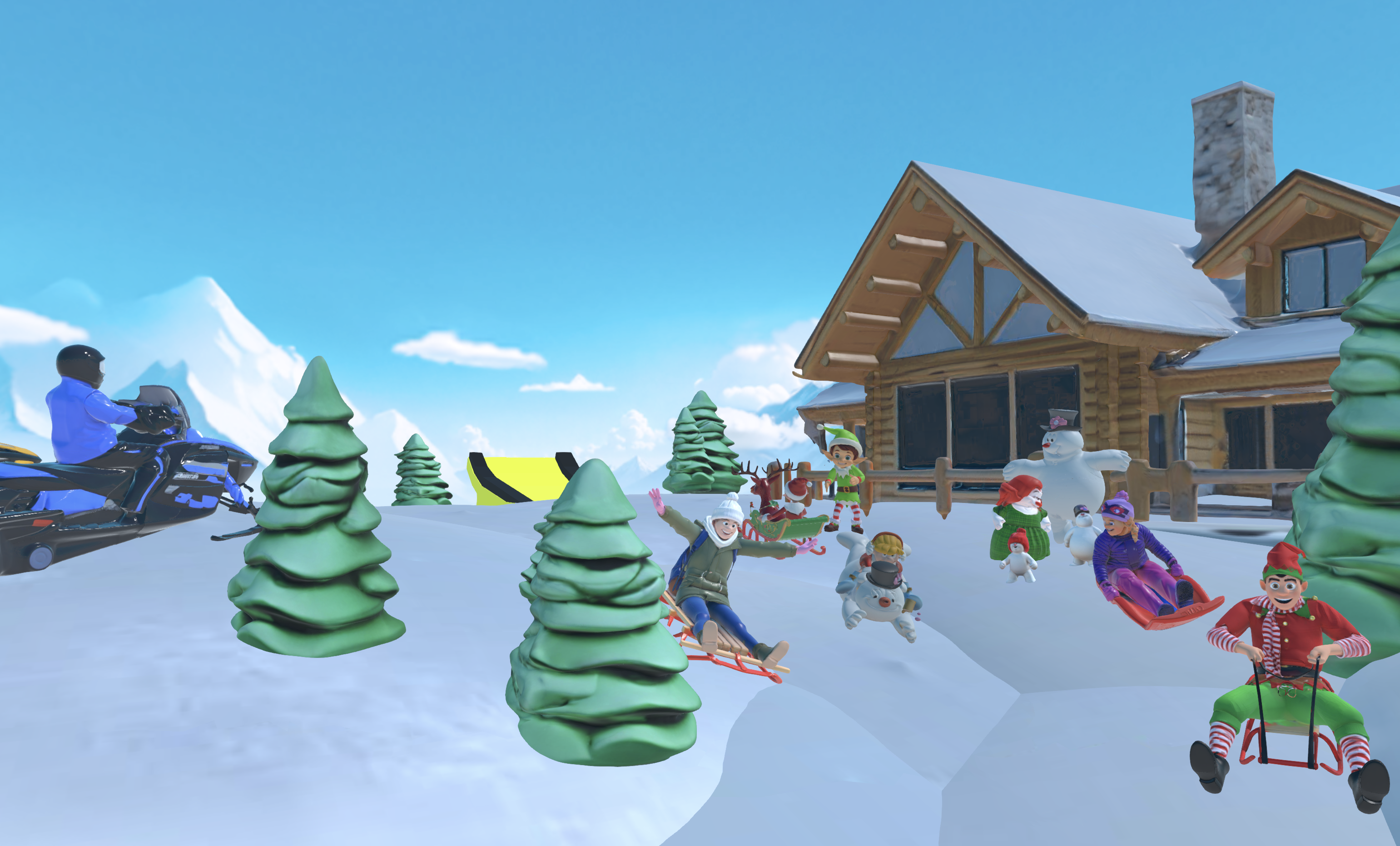
Here is how the difference looks in practice:
| Workflow Step | ForgeGUI | Nilo |
|---|---|---|
| GUI and thumbnail generation | Yes, core feature | Not the focus |
| 3D asset generation from text prompt | 3D Creator tool available | Generate characters, weapons, and props in seconds via sketch or prompt |
| Retopology and polygon optimization | Manual, external tools required | Real-time, automatic, with an LOD slider built in |
| Polygon optimization | Manual reduction required | Automatic compliance with Roblox limits |
| Character rigging | Not included | One-click rigging for bipedal characters in T-pose |
| Export formats | PNG, ZIP, Roblox Studio plugin | FBX, OBJ, STL, glTF, compatible with Roblox, Unity, Blender, and Unreal Engine |
| Browser-based, no install | Yes | Yes |
Builders who switched often talk about time saved. One said, “I do not have to spend hours on 3D modeling the simplest things. Now I can use Nilo and do it in 15 seconds.” (Nilo February 2026 Survey). Another builder shared, “Picture yourself, frustrated because you spent the last 5 hours 3D modeling a shipping container. All I have to do is open Nilo and do it in 20 seconds.” (Nilo February 2026 Survey).
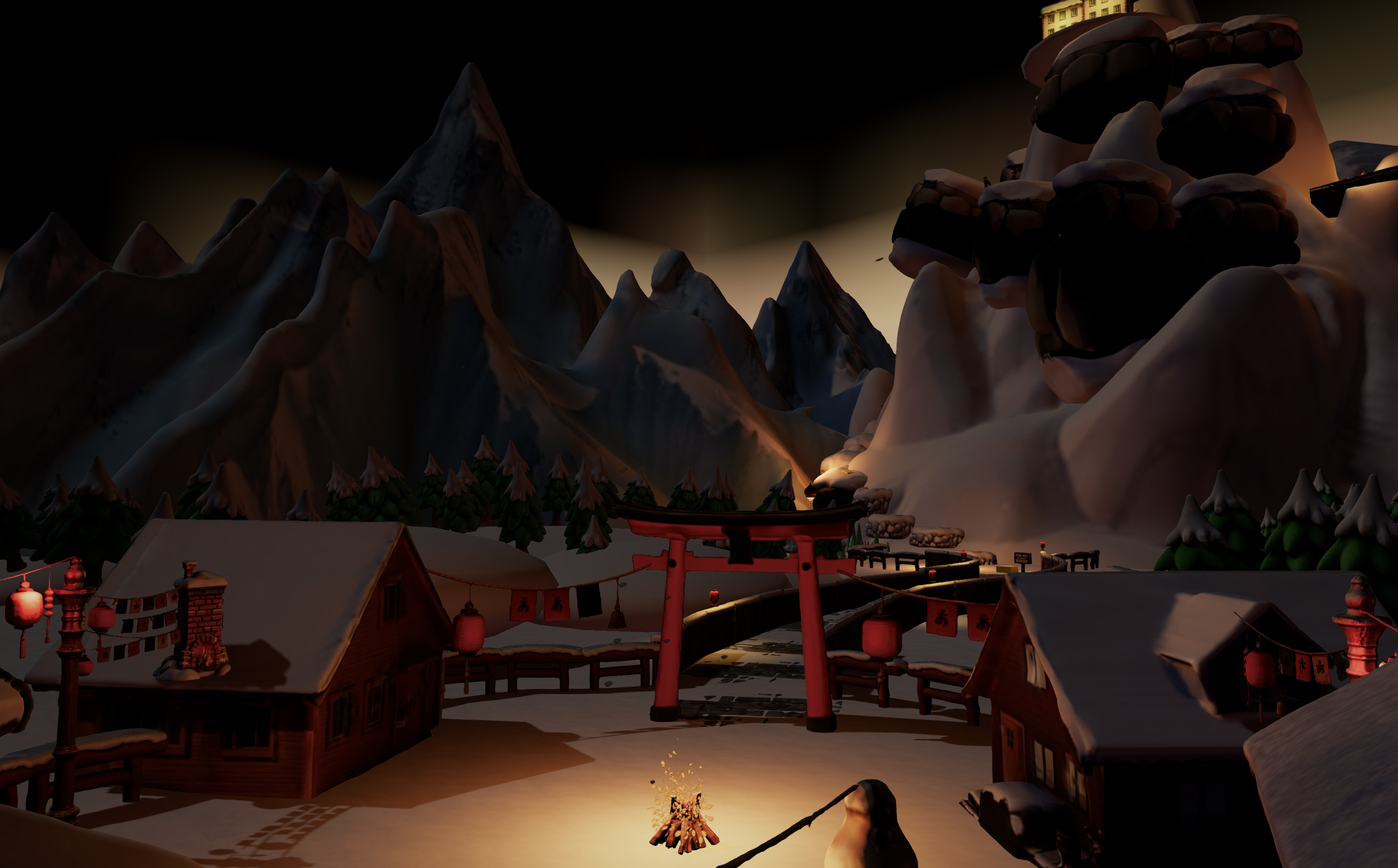
Nilo’s model-agnostic AI layer, which sits on top of providers including Meshy, Tripo, and other tools, means you keep using one interface while the underlying models improve. As those models get better, Nilo’s output improves with no extra work from you. In a February 2026 survey with builders, 93% said they would recommend Nilo to a friend.
Nilo does not replace ForgeGUI’s GUI and thumbnail workflow. You reach for Nilo when you need game-ready 3D assets without the retopology grind, credit burn, and export friction that come from stitching together several tools.
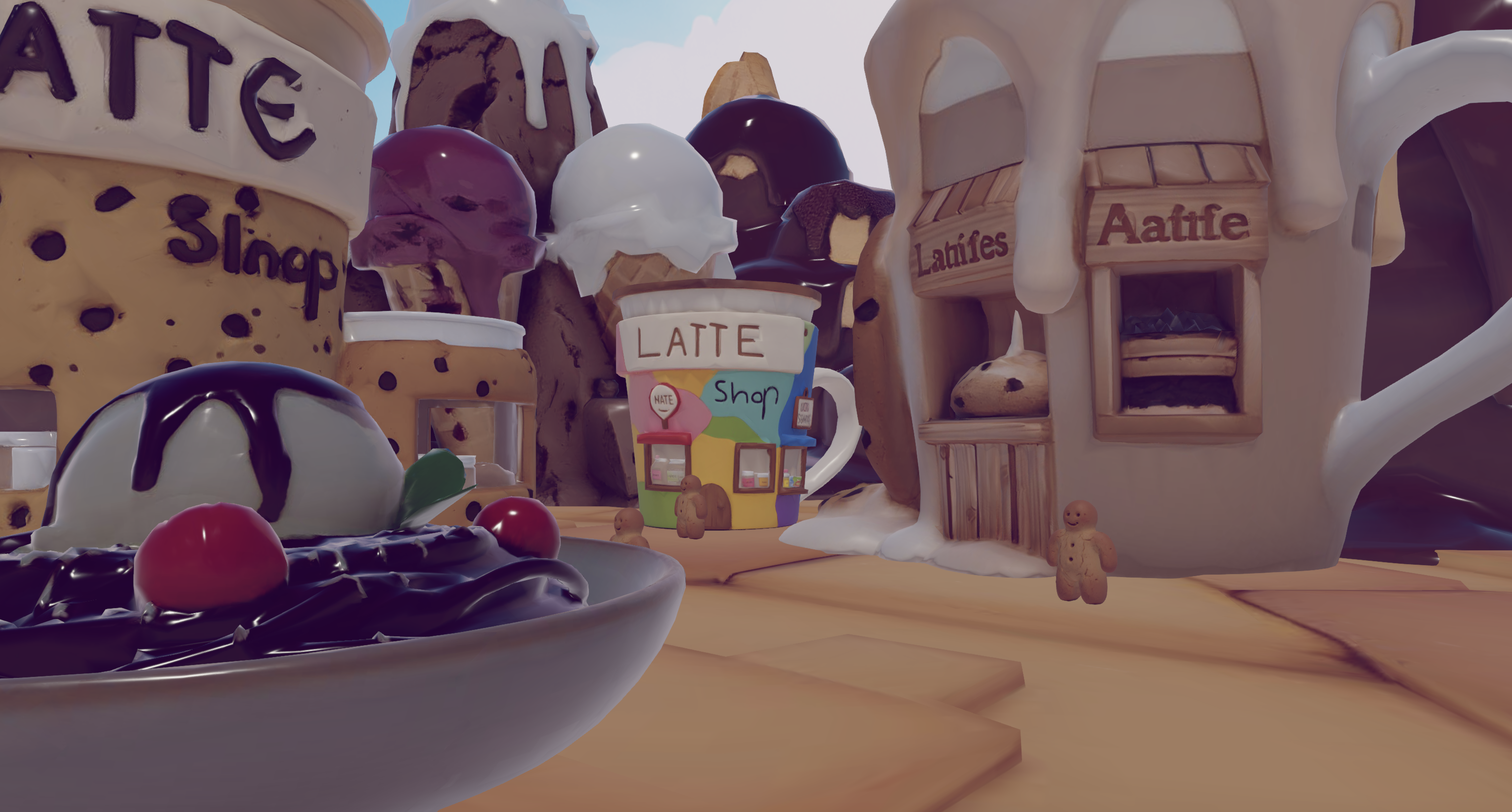
Start creating 3D assets in Nilo’s open beta and see how it fits your Roblox projects.
Frequently Asked Questions
Is ForgeGUI free?
ForgeGUI offers a free tier that lets you test the platform. Each generation consumes credits, so the free tier works well for exploring the tool but can feel tight during heavy iteration. Paid plans give you more credits and keep your generations private by default, while free-tier generations may be added to ForgeGUI’s public asset catalog.
What is ForgeGUI for Roblox specifically?
ForgeGUI is purpose-built for Roblox creators. Its thumbnail and icon generator creates assets that stay readable at small sizes inside the Roblox ecosystem. It also generates full in-game UI designs, including menus, HUDs, inventory screens, and shop interfaces, directly from text prompts. You can use these assets in your Roblox games, advertising, and monetization flows.
Is ForgeGUI a Roblox plugin?
ForgeGUI is an AI design platform for game developers available both as a web platform at forgegui.com and as a Roblox Studio plugin. The plugin integration lets you push assets straight into Roblox Studio without manual download and upload steps. The main creation experience still happens on the ForgeGUI website.
What is ForgeGUI’s AI feature set?
ForgeGUI uses AI to generate thumbnails, icons, GUI sets, and 3D assets from text prompts. ForgeGUI’s AI handles the full visual pipeline, from promotional assets to in-game interfaces, using text prompts and optional reference images to guide the output. The platform also includes a coding assistant. Its AI is tuned for Roblox-specific visuals, which makes it more reliable for Roblox work than general-purpose image generators.
What should I use alongside ForgeGUI for 3D assets?
ForgeGUI handles GUI and thumbnails well. For 3D asset creation, such as characters, props, and environments, you need a tool that covers retopology, polygon optimization, rigging, and direct FBX or glTF export. Nilo is one option worth testing. It runs in the browser, generates 3D assets from text prompts or sketches, automatically optimizes polycount for Roblox’s 20K triangle limit, and includes one-click rigging for bipedal characters. It is free to start in open beta. Other tools in this space include Meshy and Tripo, though those usually require manual retopology and Blender cleanup before assets are Roblox-ready.
Next Steps for Your Roblox Asset Pipeline
ForgeGUI and Nilo solve different problems in your workflow. If your current bottleneck is thumbnails, icons, and GUI design, ForgeGUI’s prompt-based flow is fast and Roblox-specific. If your bottleneck is 3D asset creation, and you want clean, rigged, Roblox-ready geometry without long Blender sessions, Nilo is worth trying on a real project.
The most practical move is to test both on tasks you already need to ship. Use ForgeGUI on a thumbnail or HUD from your current game. Use Nilo on a 3D prop or character you have been avoiding because the retopology felt like too much work. The right mix of tools is the one that keeps you building instead of fixing.
Join Nilo’s open beta and try building and playing for free.