Written by: Nuno Leiria, Founder & CEO @ Nilo
Key Takeaways
- ForgeGUI is an AI asset and UI generator that exports PNG, ZIP, and GLB files. Unity is a full game engine that builds and scripts complete games in C#.
- The comparison “ForgeGUI vs Unity” creates a category mismatch. Each tool solves different problems, and many creators use both together.
- Roblox creators do not need Unity. Roblox experiences are built in Roblox Studio with Luau scripting, and ForgeGUI can supply assets for that workflow.
- You can combine ForgeGUI and Unity by generating assets in ForgeGUI, exporting as GLB, and importing them into a Unity project.
- Nilo offers a browser-based option that handles generation, optimization, rigging, animation, and export in one place for Roblox creators.
The Problem: “ForgeGUI vs Unity” Misses the Real Choice
“ForgeGUI vs Unity” shows up everywhere, but the tools do different jobs. ForgeGUI generates assets and UI. Unity builds full games. You choose between them based on what you want to ship, not because one replaces the other.
Your real decision depends on your platform. Roblox projects follow one path. Standalone PC, console, or mobile games follow another. This guide walks you through both so you can pick a setup that fits how you like to build.
What ForgeGUI and Unity Actually Are
ForgeGUI’s documentation presents it as an AI-powered tool for game developers that generates high-quality game assets quickly. It works across multiple platforms including Roblox, Fortnite (UEFN), Minecraft, Unity, and Unreal Engine, and it generates thumbnails, icons, and in-game UI designs such as HUDs and menus from text prompts or reference images. Those assets leave the tool in PNG, ZIP, or GLB formats. In other words, ForgeGUI is not a game engine. It feeds assets into game engines.
Unity is a game engine. You use it to build and script games across PC, console, and mobile. It uses C# as its scripting language. Unity also has a browser-based editor called Unity Studio, which is positioned as intuitive. However, Unity’s core product remains professional-grade and is designed for developers with technical experience.
For a deeper look at what ForgeGUI generates and where to watch out, see ForgeGUI Features: What It Generates and Where to Watch Out. The table below summarizes what each tool is, what you use it for, and how it moves files in and out.
| Tool | What It Is | Primary Use | Export Formats |
|---|---|---|---|
| ForgeGUI | AI design platform for game creators | Generate game assets, UI, thumbnails, and icons from prompts or reference images | PNG, ZIP, GLB |
| Unity | Game engine with C# scripting | Build and script games across PC, console, and mobile | Imports FBX, OBJ, PNG, and other standard formats via its built-in importers. GLB is supported by Unity Studio rather than the core Unity Editor’s built-in importers. |
| Nilo | Browser-based AI-native 3D creation platform | Generate, optimize, rig, animate, and export game-ready 3D assets, with a focus on Roblox creators | FBX, OBJ, STL, glTF, and RBXMX (Roblox’s native format that packs textures and attachments into one file) |
How Legit ForgeGUI Feels in Actual Use
Many creators search “Is ForgeGUI legit?” before trying it. ForgeGUI is a real AI asset and UI generation tool. It does not act as a full game engine, and it does not replace Unity or Roblox Studio. Whether it feels worth it depends on how you use it in your pipeline.
ForgeGUI’s FAQ states that assets are “fully yours” with full commercial use rights, so you can use, modify, distribute, or sell what you generate in your games. It also states that free generations may be public with consent, while paid generations are private by default. These are the platform’s own stated terms. Always check the current documentation before relying on them for a commercial project.
Community threads have raised concerns about ForgeGUI. One Roblox DevForum thread alleged that a ForgeGUI example image closely matched an existing game’s thumbnail. A ForgeGUI representative replied that generation logs showed the image came from the tool, and the thread reached 38,000 views before being closed. The “scam” label you might see on forums reflects skepticism, not a confirmed fraud finding.
The safest path is simple. Read ForgeGUI’s docs, test it on a small project, and confirm the current terms before you ship a commercial game with its assets.
How ForgeGUI and Unity Pricing Work
ForgeGUI’s FAQ describes a credit-based model. You start free and upgrade as your needs grow. Credits act as the currency when you generate assets. The DevForum post notes that each generation costs 3–5 credits, depending on what you generate. For current pricing tiers and credit amounts, check ForgeGUI’s official pricing page, since numbers change over time.
Unity’s pricing uses a different structure. Unity Personal is free for individuals and small organizations with less than $200,000 USD in revenue and funds raised in the last 12 months. Businesses above that threshold must use a paid plan such as Unity Pro, and some non-games or non-entertainment customers cannot use Unity Personal at all. Always confirm details on Unity’s official site, because thresholds and pricing have shifted in recent years.
Many AI asset tools follow similar credit-based free tiers. For example, Meshy’s free tier offers 100 credits per month (roughly 20 textured 3D models), and its Pro plan runs $20/month. You usually get enough credits to explore, then pay once you iterate heavily.
Whether You Actually Need Unity To Make Your Game
Roblox creators do not need Unity. Roblox experiences are built in Roblox Studio and scripted in Luau, which comes from Lua 5.1. Unity sits outside that workflow.
Here is how the fork breaks down for you:
- Building a Roblox experience: Use Roblox Studio and script in Luau. Roblox Studio is a free desktop application that runs on Windows and macOS. Unity does not enter this pipeline.
- Building a standalone game for PC, console, or mobile: Use a full game engine like Unity and script in C#. Unity handles multi-platform publishing that Roblox Studio does not cover.
Roblox’s internal infrastructure uses C++, but you never touch C++ as a creator. You write Luau instead. If someone told you to learn C# to make a Roblox game, that mixes up Roblox and Unity.
How To Use ForgeGUI and Unity Together
You can absolutely combine ForgeGUI and Unity in one workflow. Many indie teams do this today.
- Generate an asset such as a character, prop, or UI panel in ForgeGUI using a text prompt or reference image.
- Export it in a standard 3D format. GLB works well because GLB packages the mesh and textures into a single file and connects to Unity, Unreal Engine, Blender, and three.js.
- Import the file into Unity. Unity’s asset workflow accepts files added to the project’s Assets folder. It supports a wide range of formats, including GLB (via the glTFast importer), FBX, OBJ, and PNG.
- Build your game logic, scripting, and scenes in Unity around the imported assets.
This setup works, but you juggle multiple tools, formats, and cleanup steps. You also handle polycount and texture limits yourself.
If you prefer one place for generation, cleanup, rigging, animation, and export, Nilo stands out for builders who want creation to feel like play. Nilo is a browser-based 3D creation platform that lets you generate assets from text, images, or sketches, rig and animate characters with one click, and create game logic using natural language prompts. You can describe what you want by talking, typing, or sending images to the AI. Nilo exports to FBX, OBJ, STL, glTF, and RBXMX, which works with Roblox, Unity, Blender, VRChat, and Unreal Engine. Everything runs in your browser. In Nilo’s February 2026 survey, 93% of builders said they would recommend Nilo to a friend, and 82% rated their experience as “Awesome” or “Good.”
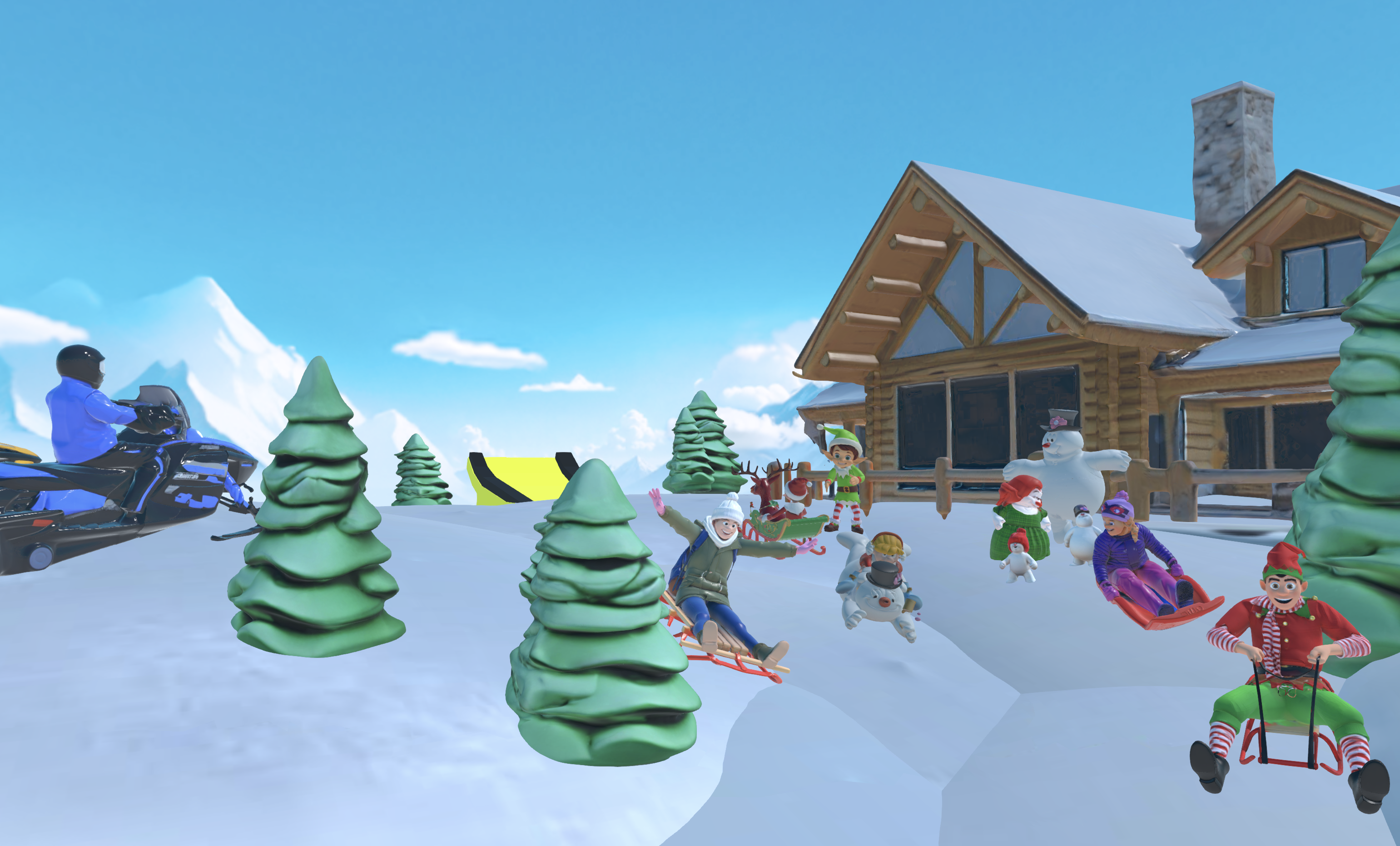
Watch Nilo’s open beta in action to see asset generation, cleanup, and Roblox export in a single tab.
Generate Your First Asset in Nilo’s Browser Beta
ForgeGUI vs Unity for Roblox Builders
Most people searching this comparison build for Roblox first, then think about other engines later. Here is how each tool fits that reality.
- ForgeGUI for Roblox: ForgeGUI generates AI-powered thumbnails, icons, UI designs, and 3D assets that you can bring into a Roblox project. ForgeGUI’s FAQ confirms assets can be used across Roblox, UEFN, Unity, and more. It acts as an asset source, not a Roblox development environment.
- Unity for Roblox: Unity does not build Roblox experiences. Roblox games live in Roblox Studio. If someone suggests Unity for Roblox development, they are mixing up engines.
- Nilo for Roblox: Nilo focuses on Roblox creators. Its LOD (level of detail) system adjusts polygon counts in real time to help meet Roblox’s polygon caps. You can export in RBXMX format, or connect your Roblox account and send creations straight into a Roblox experience via API key. The RBXMX export works without a paid subscription.
Nilo speeds up your Roblox workflow instead of replacing Roblox Studio. You still publish and script your full experience in Roblox Studio. Nilo handles asset creation, cleanup, rigging, and export so you spend more time designing worlds and less time wrestling polycounts. As one builder said in Nilo’s February 2026 survey, “I do not have to spend hours on 3D modeling the simplest things. Now I can use Nilo and do it in 15 seconds.”
For more detail on ForgeGUI and ForgeUI for Roblox GUI work, see ForgeGUI vs ForgeUI: How to Pick Your Roblox GUI Tool.
Export Roblox-Ready Assets From Nilo’s Open Beta
What To Do Next Based on Your Goal
Use your main goal as the guide for your tool stack.
- You want to build a Roblox game: Start in a browser-based creation platform like Nilo so you avoid installs and Blender. Your assets then export directly to Roblox Studio. Unity does not need to be part of this setup.
- You want a standalone game for PC, console, or mobile: Learn Unity and pair it with an AI asset tool such as ForgeGUI or Nilo to speed up asset creation. The ForgeGUI → GLB → Unity import workflow works well for this.
- You just need assets such as thumbnails, UI, or props: An AI generator like ForgeGUI or Nilo covers that need. Evaluate them on export compatibility, licensing terms, and whether the output meets your platform’s polygon and texture requirements.
If you are working with a $0 budget and a laptop, a browser-based tool that handles generation, cleanup, and export in one place gives you the lowest-friction path to a playable Roblox experience. You avoid heavy installs and can focus on building.
Frequently Asked Questions
How Much Does ForgeGUI Cost?
ForgeGUI uses a credit-based model where you start free and upgrade as your needs grow. Credits act as the currency when you generate assets, and each generation costs a set number of credits depending on what you create. For current tier pricing and credit amounts, check ForgeGUI’s official pricing page directly, since figures change and third-party sources can go out of date.
Is ForgeGUI Safe?
Safety questions usually focus on account security, payment handling, and data privacy. The best way to judge this is to read ForgeGUI’s own terms of service and privacy documentation before you create an account or enter payment information. Avoid relying on summaries from third parties for legal or privacy decisions.
Do You Need Unity to Make a Roblox Game?
Roblox experiences are built in Roblox Studio and scripted in Luau. Unity is a separate game engine used for standalone games on PC, console, and mobile. The two tools serve different purposes and do not overlap in the Roblox workflow.
Can You Use ForgeGUI and Unity Together?
You can. Generate your asset in ForgeGUI, export it as a GLB or PNG, then import it into Unity through the project’s Assets folder. Unity supports a wide range of import formats including GLB (via the glTFast importer), FBX, OBJ, and PNG. Many indie developers follow this pattern when they want AI-generated art inside a Unity project.
Is There a Roblox AI UI Creator App?
Yes. ForgeGUI generates UI designs such as menus, HUDs, inventory screens, and shop interfaces from text prompts, and Roblox developers use it for that work. Nilo focuses on asset and world creation in the browser, with export directly to Roblox Studio in RBXMX format. Each tool covers a different part of the Roblox creation flow.
Does Roblox Use Lua or C++?
Creators script in Luau, which comes from Lua 5.1. Roblox’s internal infrastructure uses C++, but you do not write C++ as a creator. You write Luau instead. Roblox Studio’s script editor supports Luau with autocompletion, syntax highlighting, and type checking.
What Is the Best AI Tool for Roblox UI?
Standards in this space still evolve quickly. When you evaluate AI tools for Roblox UI, look at export compatibility, licensing, and how much cleanup the output needs. Check whether the format works in Roblox Studio, whether you get commercial use rights on the plan you choose, and whether the assets respect Roblox’s performance limits. Test each tool on a real UI asset before you commit to a subscription.
Conclusion: Match Your Tools to Your Goal
ForgeGUI and Unity play different roles. ForgeGUI focuses on assets and UI. Unity focuses on building and publishing complete games. Your goal decides which one you reach for first, and Roblox-first builders usually stay inside Roblox Studio for core development.
If you want to move from idea to Roblox-ready asset without juggling a pile of tools, Nilo stands out as a browser-based option that covers generation, optimization, rigging, animation, and export in one place. You can open a tab and start building without downloads, installs, or polycount headaches.
For more background on what ForgeGUI is and how it fits into a Roblox workflow, see What Is ForgeGUI? What Roblox Builders Should Know.
Start Building in Nilo’s Open Beta