Written by: Nuno Leiria, Founder & CEO @ Nilo | Last updated: June 26, 2026
Key Takeaways for Aspiring Roblox Creators
- Roblox Studio and tools like Blender create steep barriers for you because of installation, Lua scripting, and complex 3D modeling workflows.
- AI-assisted browser-based 3D creation tools remove many of these hurdles by handling asset generation, retopology, and code creation automatically, with no downloads or deep technical skills required.
- Key capabilities to look for include text-to-3D generation, natural-language “vibe coding,” real-time physics, automatic optimization, and real-time multiplayer collaboration.
- You should evaluate tools on onboarding speed, output quality, export compatibility with Roblox, and whether the platform teaches real development concepts instead of hiding everything behind AI.
- Nilo combines these features in one browser-based platform, so you can join Nilo’s open beta and start building and playing for free.
How Roblox Studio Barriers Kill Your Momentum
Scripting is the single biggest barrier. You have a great game idea and strong building instincts, but the moment you need something to move, react, or respond to a player, you hit code. Tutorials leave you confused. Documentation reads like it was written for computer science graduates. You either search for a scripter to partner with, which takes weeks, or you try to learn Lua from scratch again and again until burnout wins.
3D modeling adds another layer of friction. Builders describe spending five hours modeling a single shipping container in Blender, only to find it does not meet Roblox’s strict performance limits (10K–20K polygons per mesh, 1024×1024 texture caps). Then they spend another hour manually reducing the polygon count before the asset is usable.
The result is predictable. Builders burn out, drop worlds mid-build, and cycle through failed attempts for years. The tools that were supposed to help you create become the very things that kill your momentum.
AI-assisted browser-based tools change this by handling the technical work automatically so you can stay focused on designing. These tools deserve a closer look because they reshape how you start, learn, and finish projects.
What AI-Assisted Browser-Based 3D Tools Actually Are
AI-assisted browser-based 3D creation tools run entirely in your web browser, with no installation, and use artificial intelligence to handle the technical parts of game creation. They generate 3D assets, optimize geometry, write code, and rig characters. You describe what you want, and the tool builds it.

This category differs from two older approaches.
Traditional desktop engines like Roblox Studio, Unity, and Unreal Engine are powerful but require installation, high-performance hardware, and significant technical training. They were designed for professional developers, not aspiring builders like you who are moving from playing to creating.
Prompt-to-game wrappers like Rosebud AI, Bitmagic, and Arcade AI generate a game from a text prompt, then mostly stop there. You cannot easily go inside the world and tweak things hands-on. When something breaks, you wait for a regeneration instead of fixing it yourself.
AI-assisted browser-based 3D creation tools sit between these two extremes. You get the accessibility of a browser tool with the hands-on control of a real game engine.
Here is how these approaches compare across five dimensions.
Accessibility: Browser-based tools require no download and work on many devices. Desktop engines require installation and capable hardware. Prompt-to-game tools are accessible but offer limited hands-on control.
Creation flow: Browser-based AI tools keep everything in one place. You generate, refine, rig, animate, and export without switching apps. Desktop engines usually require daisy-chaining multiple tools such as Meshy, Blender, and Roblox Studio. Prompt-to-game tools generate quickly but offer little iterative control.
Collaboration: Browser-based tools often let you share a link and build together in real time. Desktop engines rely on file sharing and version management. Prompt-to-game tools are typically single-builder experiences.
Performance: Browser-based tools built on WebAssembly and WebGPU now deliver near-native game performance. Desktop engines still have an edge for very high-end graphics. Prompt-to-game tools vary widely.
Portability: Browser-based tools export to standard formats such as FBX, OBJ, and glTF that work with Roblox, Unity, and Unreal Engine. Desktop engines are often tied to their own ecosystems. Prompt-to-game tools may lock assets inside the platform.
Key Capabilities You Should Look For
Fast 3D Asset Generation and Cleanup
Text-to-3D generation sits at the core of this category. You type what you want and get a 3D model in seconds. Stronger tools also support sketch-to-3D, where you draw in 2D, refine with AI, then drag the result into your world. Many also support image-to-3D, where you upload a reference image and generate from it.
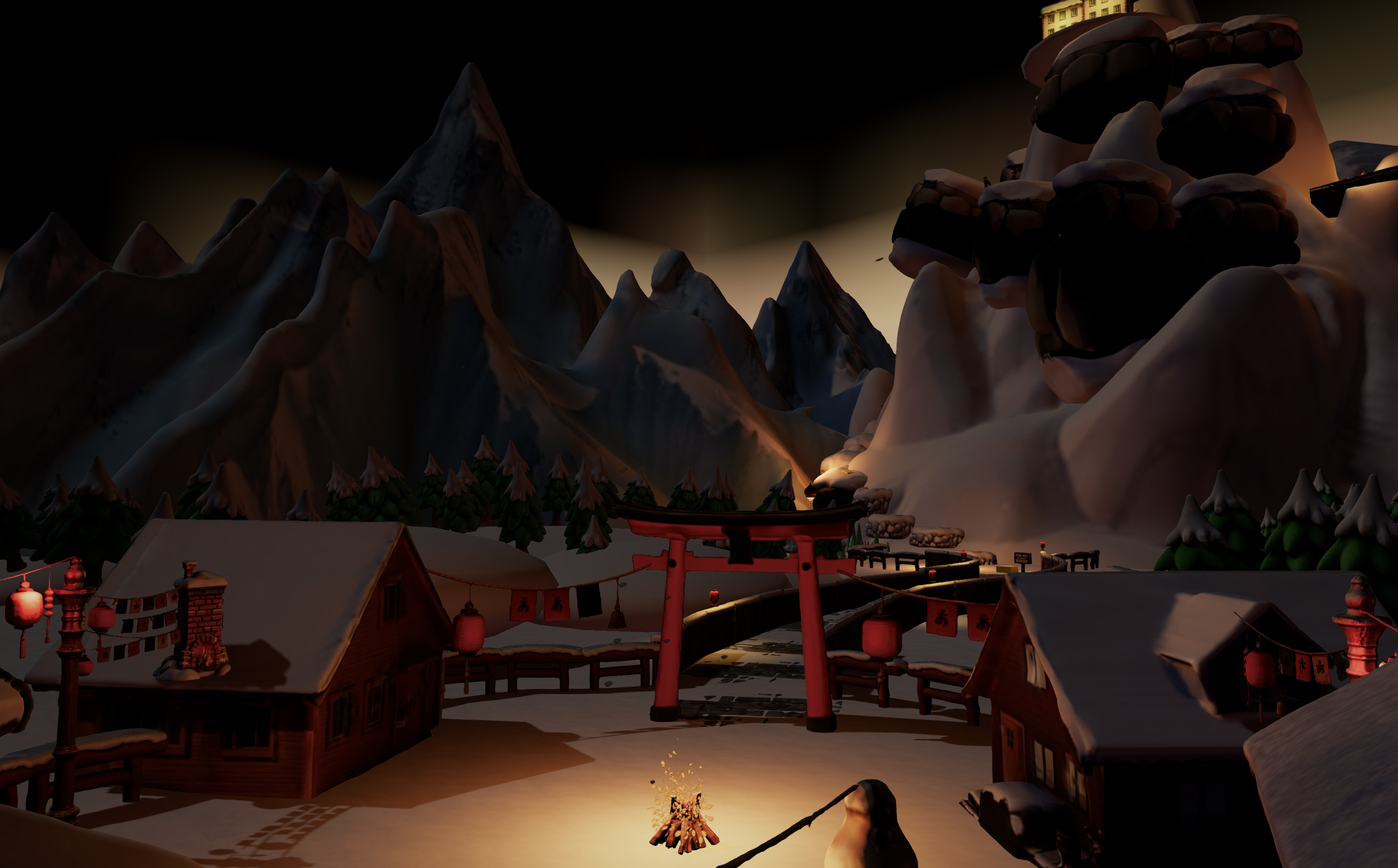
You should watch the trade-off between speed and quality. Some tools give you fast generation but messy geometry that still needs manual cleanup. Look for tools that include automatic retopology built into the generation step. Retopology cleans up a mesh’s geometry so it meets platform performance limits without extra Blender work.
Natural-Language Logic Creation With Vibe Coding
Vibe coding means you create game logic by talking, texting, or even sending images to the AI. You do this without scripting knowledge. Instead of writing Lua or JavaScript, you describe what you want, such as “make this door open when a player walks near it,” and the tool generates working code instantly.
The strongest implementations show you the actual code variables so you can tweak them directly. You might change “speed = 2” to “speed = 20” and see the result. This teaches real programming concepts while you create, instead of hiding everything behind a black box.
World Building, Physics, and Scene Assembly
You should look for tools where physics simulation runs in real time. Objects move, collide, and react without complex manual setup. A radial menu for quick object creation and an inspector panel for detailed property editing signal a tool designed for hands-on building instead of pure prompt generation.
Handling Optimization and Performance Limits
These polygon limits mentioned earlier, the 10K–20K cap, explain why optimization matters so much. Tools that include a real-time LOD (level of detail) system, which automatically adjusts polygon counts on the fly, remove this stress by handling optimization for you. Without that support, you end up manually counting triangles before every export.
Real-Time Collaboration and Sharing
Real-time multiplayer creation, where you and a friend build in the same world simultaneously by sharing a link, changes how building feels. Most desktop engines and many prompt-to-game tools do not support this kind of live collaboration.
Export and Interoperability With Roblox
Standard format export, such as FBX, OBJ, STL, and glTF, means your assets work in Roblox Studio, Unity, Unreal Engine, Blender, and VRChat. You should avoid tools that lock your creations inside their own ecosystem.
Use this quick checklist when you evaluate any tool in this category:
- Does it run in the browser with no installation?
- Does it generate 3D assets from text, sketches, and images?
- Does it include automatic retopology and LOD optimization?
- Does it support vibe coding with natural-language game logic?
- Does it support real-time multiplayer creation?
- Does it export to FBX, OBJ, or glTF for use in Roblox Studio?
- Does it rig and animate characters without external tools?
Start building in Nilo’s browser-based engine with no download required.
How You Can Evaluate These Tools
Onboarding ease: You should be able to generate your first asset in under five minutes without reading documentation. If the tool forces a tutorial before you can do anything, that adds friction.
Output quality: Check whether the generated geometry meets Roblox’s polygon limits without manual cleanup. Test both a character and a prop. Look for clean meshes instead of artifacts and random spikes.
Export compatibility: Export a rigged character and import it into Roblox Studio. Confirm that the rig applies correctly. Check that animations work without full-body deformation errors and that colors and collision masks survive the export.
Performance limits: See whether the tool handles optimization automatically or expects you to manage polygon counts manually.
Collaboration needs: If you want to build with friends, confirm that real-time multiplayer creation is supported, not just asset sharing after the fact.
Learning value: Choose tools that teach you real game development concepts such as rigging, mesh topology, and physics through the interface instead of hiding everything behind AI.
Three Real Builder Situations and What Matters Most
Scenario 1: You Are New and Cannot Get Started
You have watched dozens of Roblox Studio tutorials. You downloaded Blender twice and uninstalled it both times. Every time you try to make a custom character, you hit a wall. The modeling feels too complex, the retopology is confusing, and you have not even reached scripting yet.
At this stage, your priority is removing every barrier between imagination and a working 3D object. A browser-based tool with text-to-3D generation and automatic optimization lets you generate a character, rig it with one click, and drag it into a world before frustration sets in. Nilo stands out here because it handles retopology automatically and exports Roblox-ready assets without extra steps, so you spend your time designing instead of debugging.
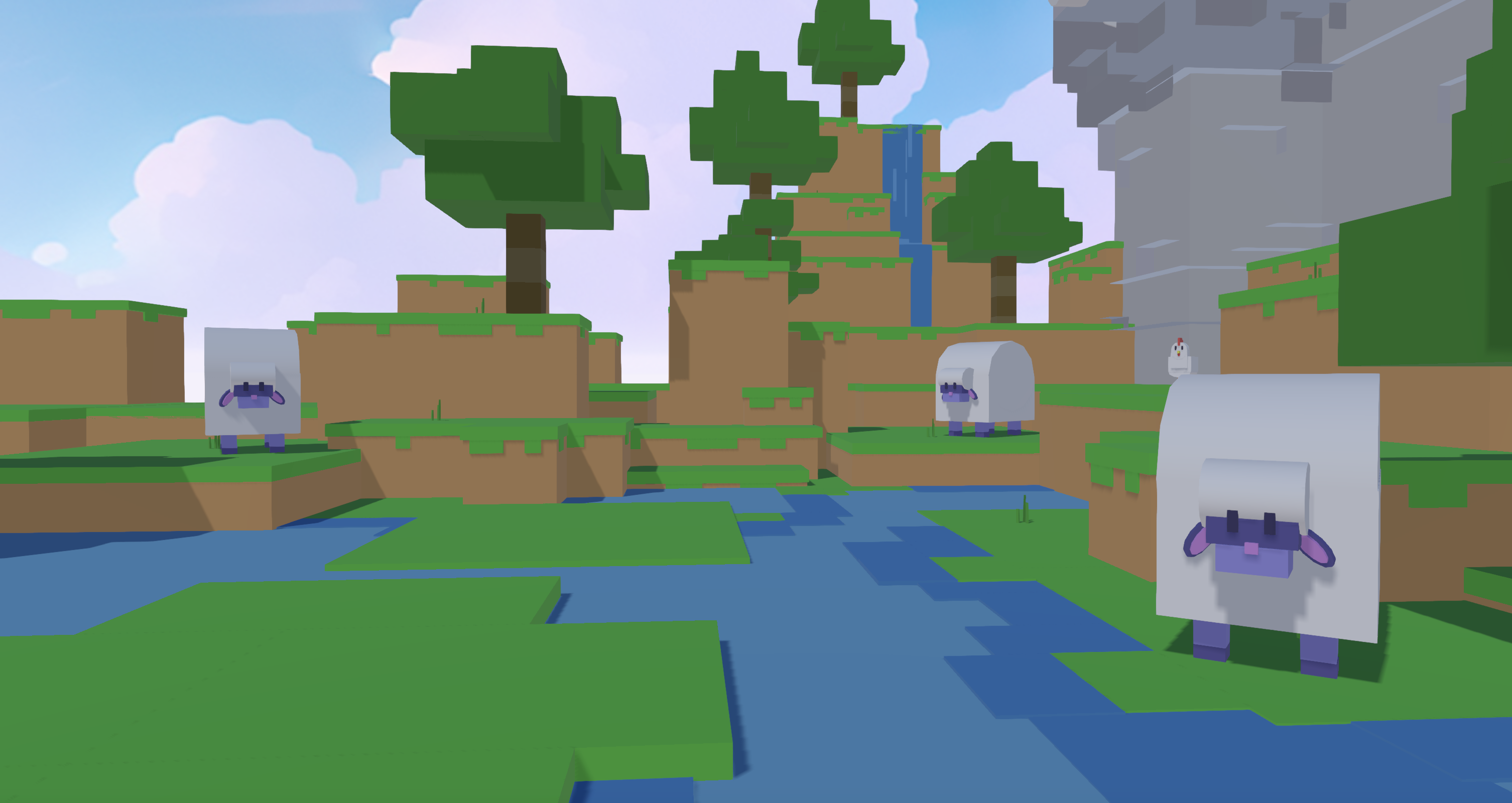
Try Nilo’s text-to-3D tools and see how fast you can go from idea to character.
Scenario 2: You Build Worlds but Scripting Blocks You
You can build environments. You know how to use Roblox Studio’s terrain tools and you have assembled some solid maps. The moment you want a door to open, a tycoon mechanic to work, or an NPC to move, you get stuck.
You may have tried to find a scripter to collaborate with, but coordinating across Discord takes weeks and the project stalls. For you, vibe coding, where you create game logic by describing what you want in plain language, becomes the unlock. Tools that support natural-language code generation with real-time 3D feedback let you add interactivity without learning Lua.
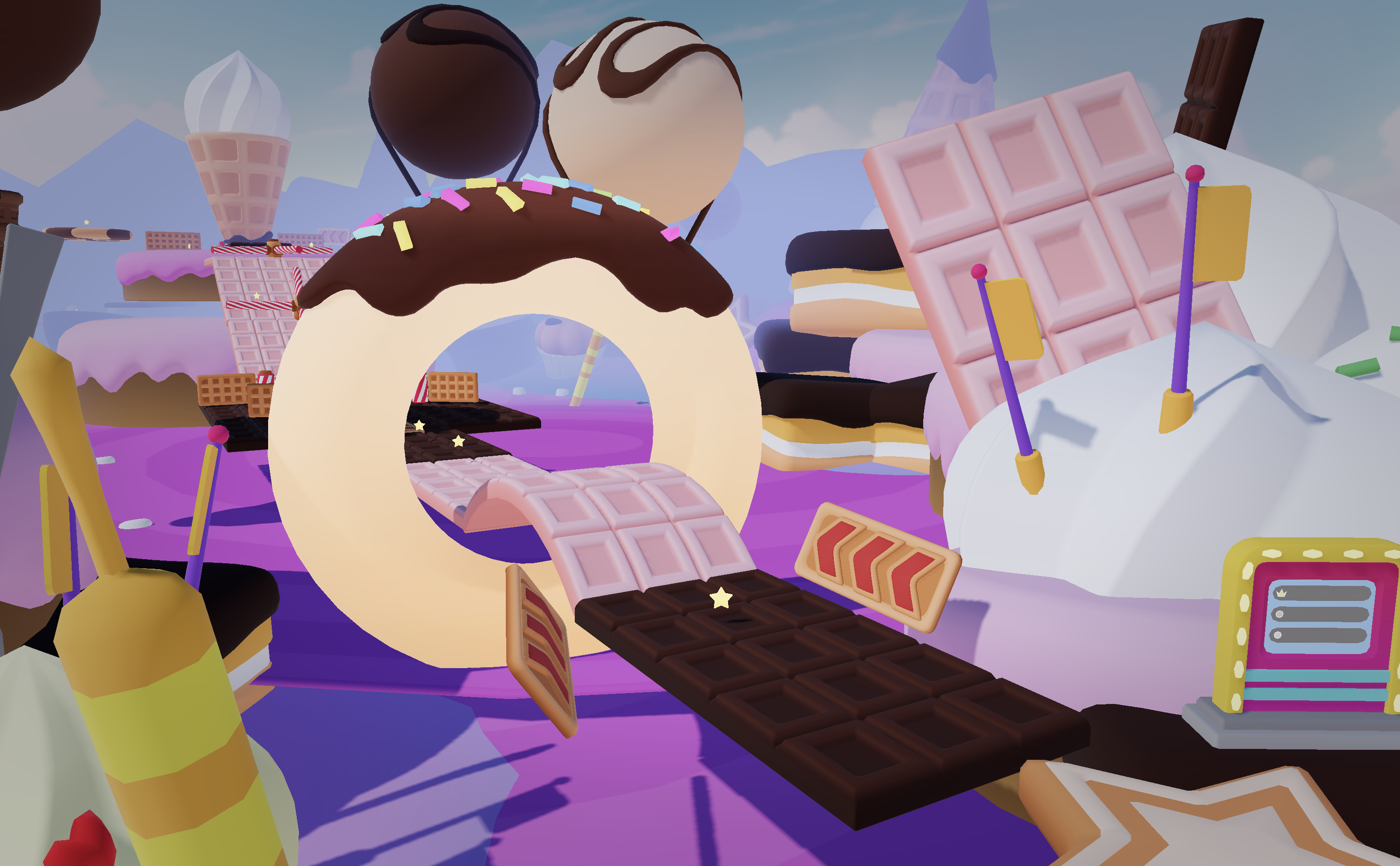
According to Nilo’s February 2026 Survey, 72% of builders say Nilo makes their creative process easier by “a lot”. That signals that this vibe coding approach works well for builders at exactly this stage.
Experience vibe coding in Nilo and add interactivity without touching Lua.
Scenario 3: You Are Experienced and Tired of Tool-Switching
You already ship Roblox work. You know Blender well enough to get by. Your workflow still feels like a mess. You use Meshy for generation, Blender for cleanup, Roblox Studio for assembly, and a separate code editor for scripting.
Every tool switch breaks your momentum and introduces new errors. You deal with rig components not applying correctly, pivot errors on accessories, and colors missing on export. At this stage, your priority is a single end-to-end pipeline.
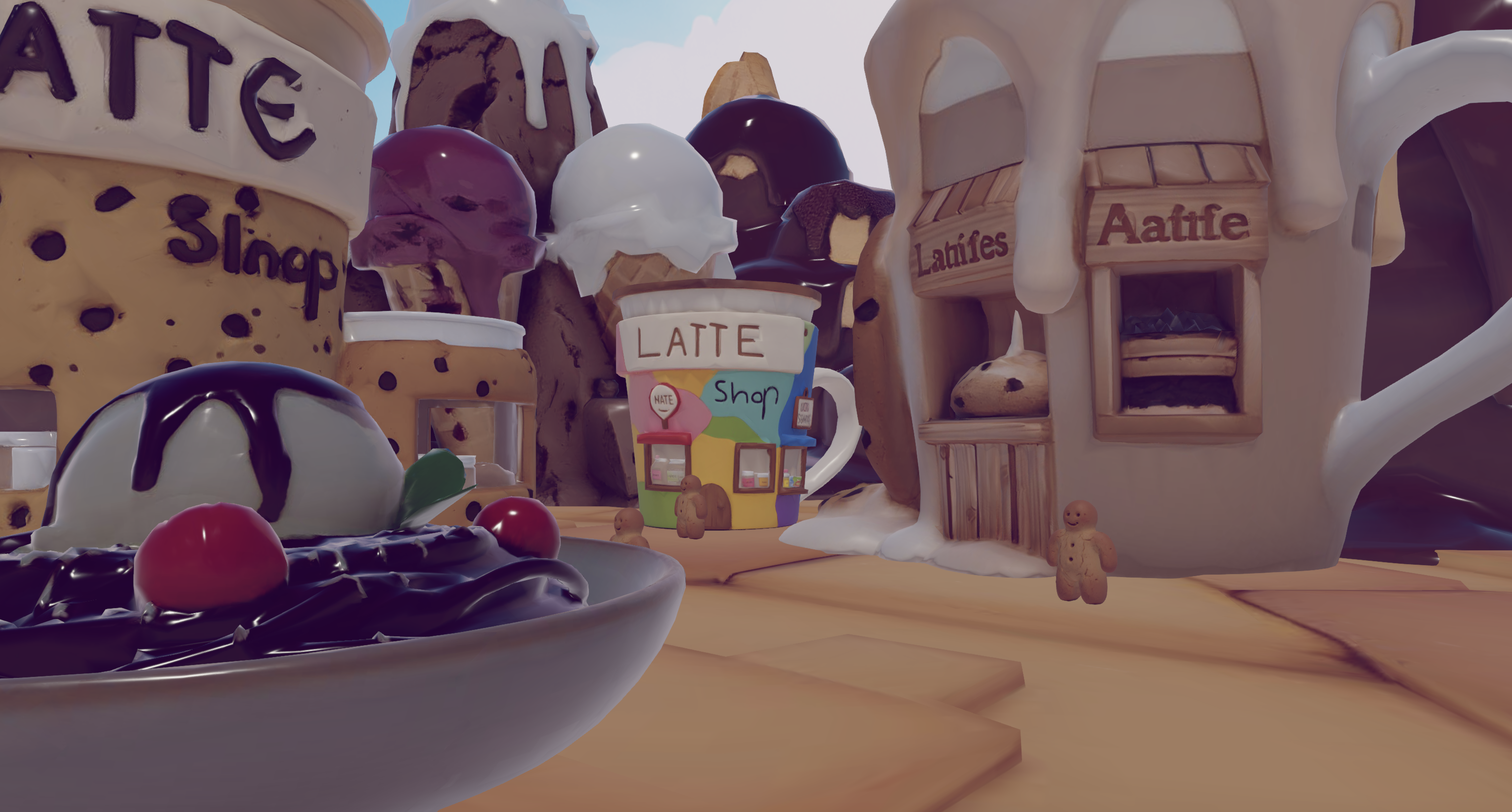
As one builder noted in Nilo’s February 2026 Survey, “I like how it feels like a good game engine rather than a vibe coding tool, with easy building and a good focus on being able to export and import content.” Nilo stands out for expert builders because it combines generation, retopology, rigging, animation, coding, and export into one workflow without forcing you to abandon Roblox Studio entirely.
Streamline your pipeline in Nilo’s unified creation environment.
Frequently Asked Questions
What is a browser-based 3D creation tool, and how is it different from Roblox Studio?
A browser-based 3D creation tool runs entirely in your web browser, with no download, no installation, and no high-performance computer required. Roblox Studio is a desktop application that needs installation and a capable machine to run smoothly. Browser-based tools like Nilo use technologies called WebAssembly and WebGPU to deliver real game engine performance directly in the browser. You open a link and start building.
The other key difference is AI integration. Browser-based AI tools can generate 3D assets, write game logic, and optimize meshes automatically. Roblox Studio does not include these capabilities natively.
Do I need to know how to code to use these tools?
You do not need coding knowledge to start. The strongest tools in this category support vibe coding. You describe what you want your game to do in plain language, in English, Spanish, or another language, and the AI generates working code instantly. You see the results in your 3D world in real time.
If you want to learn, tools like Nilo show you the actual code variables so you can tinker and understand what is happening. Coding knowledge becomes optional instead of a hard requirement.
Can I still use Roblox Studio if I build assets in a browser-based tool?
Yes. Browser-based tools that export to standard formats such as FBX, OBJ, STL, and glTF are fully compatible with Roblox Studio. You create and optimize your assets in the browser tool, then export and import directly into Roblox Studio.
Nilo’s LOD system automatically keeps polygon counts within Roblox’s 10K–20K limits before export, so you do not need to optimize manually. Your assets arrive in Roblox Studio ready to use.
What are the limits of AI-generated 3D assets?
AI generation has improved significantly, but it still has limits. Common issues include geometric defects, asymmetry, unpredictable textures, and a “melted” appearance on complex shapes. Quality varies depending on which AI model is used and how precise your prompt is.
Tools that connect to multiple AI providers and let you switch between models for quality, style, and speed give you more control. Real-time retopology and a level of detail slider help fix quality issues without manual Blender work. You should choose a tool that gives you creative control over the output instead of forcing you to accept whatever the AI generates.
Is real-time multiplayer creation actually useful?
Real-time multiplayer creation, where you and a friend build in the same world simultaneously by sharing a link, feels very different from solo work. Instead of working alone and sharing files afterward, you build together the same way you play together.
This matters especially if you are an aspiring builder who finds solo creation isolating and burns out when there is no one to share the process with. The same survey mentioned earlier found that 93% of builders would recommend Nilo to a friend. That suggests the social, collaborative experience is a real differentiator, not just a feature on a spec sheet.
Conclusion: Pick the Workflow That Protects Your Creative Energy
The core problem stays the same. The tools available to aspiring builders were built for professionals. Roblox Studio, Unity, and Blender are powerful, but they were not designed for someone who grew up playing Minecraft and now wants to start creating.
AI-assisted browser-based 3D creation tools respond to this gap. They remove the installation barrier, the scripting barrier, the Blender cleanup barrier, and the tool-switching barrier in one workflow. The right tool for you depends on where you are in your builder journey and what you need most, whether that is faster asset generation, vibe coding for game logic, real-time collaboration, or a clean export pipeline for Roblox.
Nilo stands out in this category because it combines real-time retopology, vibe coding, one-click rigging, multiplayer creation, and direct Roblox export in a single browser-based environment built specifically for builders like you. It behaves like a game engine first, not a prompt-to-game wrapper. You stay inside the world, building hands-on, with AI as your co-pilot.
As one builder put it in Nilo’s February 2026 Survey, “There are no limits on what you can create — just type, draw or add in an image and you can generate, rig, customise and place a fully 3D model within minutes.”
That is what creative momentum feels like. Join Nilo’s open beta and try building and playing for free.