Written by: Nuno Leiria, Founder & CEO @ Nilo | Last updated: June 28, 2026
Key Takeaways
- Browser-based tools let you generate, clean up, rig, and export Roblox-ready 3D assets without installing Roblox Studio.
- Roblox Studio stays desktop-only, so browser workflows help you keep your creative flow and avoid desktop friction.
- Strong tools handle polygon limits, real-time retopology, one-click rigging, and export in FBX, glTF, or OBJ formats.
- Nilo offers an end-to-end browser pipeline that generates, optimizes, rigs, and exports assets ready for Roblox Studio in one tab.
- Try Nilo today to build and export Roblox assets directly in your browser.
Why Roblox Studio Stays Desktop-Only
Roblox Studio is a desktop app for Windows and macOS. It depends on direct access to your operating system, local file storage, GPU drivers, and platform-specific rendering pipelines that browsers cannot fully match yet.
Studio runs compiled native code, uses local Lua scripting, and relies on hardware-accelerated graphics that historically need desktop-level access. Even with WebAssembly and WebGPU growing fast, Roblox has not released a browser-native version of Studio as of mid-2026.
You have two paths if you want to create assets for Roblox. You install Studio on a desktop machine, or you build a browser-based workflow that gets your assets Roblox-ready before you ever open Studio. Now you can look at what those browser options actually give you and where they fall short.
Start creating Roblox assets in your browser today, no install needed.
Browser Workarounds Roblox Creators Commonly Use
Several workarounds exist if you want to avoid desktop installs. Cloud virtual machines can stream a full desktop to your browser, but they add lag, need account setup, and often cost money. You still run Roblox Studio, just on someone else’s computer.
Tools like PromptBlox let you generate assets from text prompts, but they focus on generation only. You still need to fix mesh topology, handle retopology, and rig characters by hand before they work well in Roblox.
The main issue with most workarounds is simple. They solve one part of the pipeline and force you to chain tools together. You generate in one place, clean up in Blender, rig somewhere else, then import into Studio. Every handoff breaks your creative momentum and makes the process feel like work.
Skip tool chains and test a single-browser workflow with Nilo.
How You Can Judge Browser-Based Roblox Creation Tools
Clear criteria make it easier to pick tools that actually help you ship assets.
Polygon limits. Roblox caps most assets at 10,000–20,000 triangles, so every model you create has to fit inside that limit to import cleanly. Look for tools that either auto-adjust to those limits or give you simple controls to change polycount before export. Without that, you hit import failures whenever your model goes over the cap.
Real-time retopology. Retopology means automatically cleaning a mesh so it has neat, efficient geometry. Without this, AI-generated models often look melted or lopsided and can fail Roblox performance checks. A good tool fixes that in real time while you work.
One-click rigging. Rigging adds a skeleton so a 3D model can move and animate. In pro tools like Blender, rigging a character can take hours. Look for tools that let you rig with one click so you can focus on ideas instead of bone hierarchies.
Export formats. Roblox Studio accepts .fbx, .gltf, and .obj files. A tool that exports in these formats keeps your assets usable in Roblox and also in engines like Unity, Unreal, or Blender.
No-install access. A true browser tool loads when you open a URL. If you have to download clients or installers, the tool adds friction and slows you down.
Collaboration. Real-time multiplayer creation, where you and your friends build in the same world at the same time, turns building into a social experience instead of a solo grind.
Now you can see how these criteria apply to real tools, starting with a platform that covers all of them in one workflow.
See how Nilo meets these criteria in your browser, free.
Nilo’s End-to-End Browser Workflow for Roblox Assets
Nilo stands out as a no-install browser platform that handles the full Roblox asset pipeline in one place. You can generate 3D characters, weapons, and props in seconds from sketches or text prompts, then adjust polycount so models work in Roblox Studio without extra cleanup.

Nilo’s custom game engine runs in your browser using WebAssembly and WebGPU. These are the same core technologies that made tools like Figma possible for 2D design, now used for 3D. You avoid downloads, hardware requirements, and sketchy installers.
Nilo feels different from tools like PromptBlox or Sloyd because it covers the whole flow. You generate, tune detail with a real-time LOD slider, rig with one click, preview in a live 3D world, and export straight to Roblox Studio. You stay in a single browser tab from idea to export.
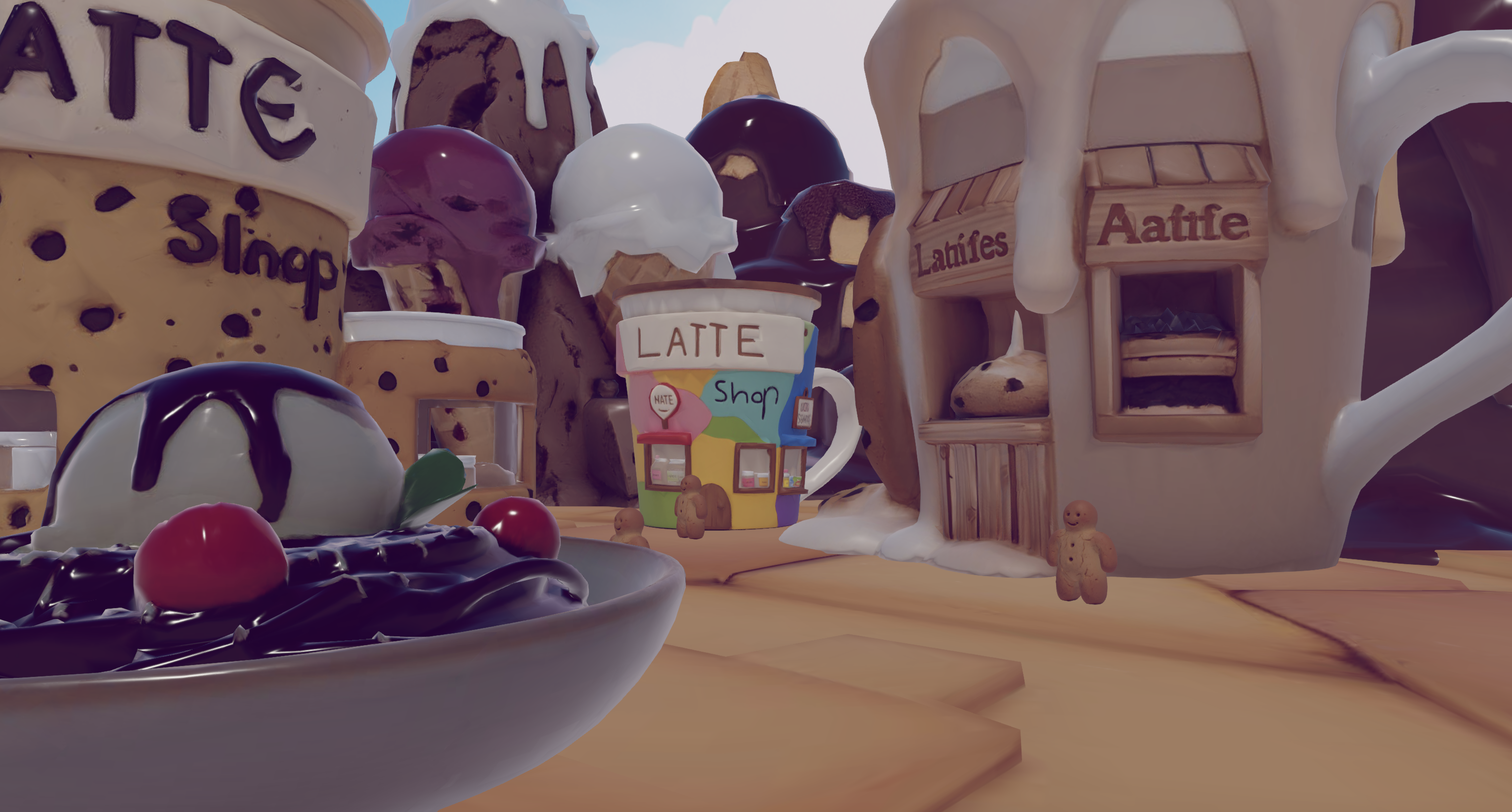
Nilo also supports vibe coding. You describe what you want in plain text or send an image, and Nilo turns that into working game logic in real time. You do not need Lua scripting knowledge to start building.
In Nilo’s February 2026 survey with builders, 93% said they would recommend Nilo to a friend and 82% rated their experience as “Awesome” or “Good.” One builder said, “I do not have to spend hours on 3D modeling the simplest things. Now I can use Nilo and do it in 15 seconds.”
Try building and playing in Nilo’s open beta and see how fast you can ship an asset.
Other Browser Tools and How They Compare
Different tools can fit different parts of your workflow, and each one comes with trade-offs.
PromptBlox focuses on text-to-asset generation inside the Roblox ecosystem. It works well for quick concepts but does not include real-time retopology or one-click rigging. You usually still open Blender for cleanup before assets feel Roblox-ready.
Sloyd offers AI 3D model generation with style controls. It creates clean geometry for props and environments, but it stays focused on generation. You do not get rigging, animation, or a direct Roblox export pipeline.
Lemonade.gg is an AI assistant that plugs into Roblox Studio. If you already feel comfortable in Studio and just want AI help there, it can be useful. You still need Studio installed, and you stay tied to that environment.
When you compare these tools, check whether they handle retopology automatically, rig characters without Blender, and export in formats Roblox Studio accepts. Also count how many separate tools you need to touch before you get a finished asset.
Test Nilo alongside these tools and feel which flow keeps you building instead of context switching.
Quick Nilo Workflow From Idea to Roblox-Ready Asset
You can move from idea to Roblox-ready asset in Nilo without leaving your browser.
Step 1: Open your browser and go to play.nilo.io. Sign up and you appear inside the 3D environment right away, with no heavy setup.
Step 2: Generate your asset. Use the radial menu to start a new object. Type a natural language prompt, like “a wooden sword with a leather grip,” or upload a sketch or reference image. Nilo’s model-agnostic AI layer pulls from providers such as Meshy, Tripo, and Cartwheel to match your style and speed needs.
Step 3: Adjust your polycount. Use the LOD slider to bring your triangle count inside Roblox’s 10,000–20,000 range. Real-time retopology cleans the mesh for you, so you skip a Blender detour.
Step 4: Rig your model. Click once to add a skeleton rig. For characters, this makes them ready for animation. Nilo supports AI-generated animations from text, so you type what you want the character to do and Nilo creates the motion.
Step 5: Preview in your Nilo world. Drop the asset into a live 3D environment and walk around it. Physics and collisions work in real time. Share a link to invite friends to build with you, with no extra setup for them.
Step 6: Export. One click downloads your asset in FBX, glTF, OBJ, or STL format. Your file is ready for Roblox Studio or any other platform you use.
As one builder said in Nilo’s February 2026 survey, “There are no limits on what you can create — just type, draw or add in an image and you can generate, rig, customise and place a fully 3D model within minutes.”
Follow these six steps yourself in Nilo’s open beta and export your first Roblox-ready asset.
Exporting Clean Assets From Nilo to Roblox Studio
Once your asset is tuned and rigged in Nilo, export takes a single click. Nilo generates FBX or glTF files with clean topology and polygon counts already inside Roblox’s limits, so you avoid most import errors inside Studio.
Open Roblox Studio, choose Import 3D, and select your downloaded file. Because Nilo’s LOD system already simplified the mesh, the asset passes Roblox’s performance checks without extra tweaks.
For rigged characters, the exported FBX includes the skeleton hierarchy Roblox Studio expects. Textures export at 1024×1024, which matches Roblox’s standard cap, so you avoid texture size errors on upload.
Nilo does not lock you in. Assets you create are yours to use, publish, and monetize on the Roblox Marketplace or anywhere else you build.
Common Roblox Import Issues and Simple Fixes
Polycount too high after export. If Roblox blocks your import, return to Nilo and move the LOD slider toward lower detail. Aim for under 10,000 triangles for accessories and props, and under 20,000 for larger environment pieces.
Rig errors in Studio. Rig problems usually come from pivot point mismatches. Before export, check that your model is centered at the origin in Nilo’s inspector. If a hat or accessory attaches in the wrong spot, confirm the attachment point is set correctly before you export.
Prompt gives unexpected results. Vague prompts create vague models. Instead of “a sword,” try “a short iron sword with a crossguard and worn leather handle, low poly style.” Specific prompts get you closer to your idea on the first generation and cut down on re-rolls.
Missing colors or collision data on export. If collision masks or colors do not carry over, re-export using FBX instead of OBJ. FBX keeps more material and collision data for Roblox Studio’s importer.
How to Tell If Your Browser Workflow Works
The clearest sign that your browser-based workflow works is simple. Your assets pass Roblox’s import checks on the first try and look like what you imagined.
Track your iteration speed, from first prompt to exported file. Builders using Nilo report moving from hours of Blender work to under a minute per asset. In Nilo’s February 2026 survey, 72% of builders said Nilo makes their creative process easier “by a lot.” If your current setup is not saving you that kind of time, your tools may be holding you back.
Also track how many times you regenerate the same asset. If you re-roll five or six times, your prompts may need more detail, or the tool’s retopology may not suit your asset type. Aim for clean first-generation results with very little cleanup.
Builder satisfaction matters as much as speed. If creation feels like a grind, with constant polycount fights, rig debugging, and tool switching, your workflow still needs work. Use the 93% recommendation rate and strong ratings from Nilo’s survey as a benchmark and ask yourself whether you would recommend your current setup to another builder.
FAQ
Can I run Roblox Studio in a browser?
No. Roblox Studio is a desktop-only app that you install on Windows or macOS. It depends on native system access for rendering, scripting, and file management that browsers cannot fully match. You can still create and export Roblox-ready assets in a browser with tools like Nilo, then import them into Studio on a desktop.
Are browser-based exports actually compatible with Roblox Studio?
Yes, as long as the tool exports in FBX or glTF and keeps polygon counts inside Roblox’s 10,000–20,000 triangle range. Nilo’s LOD system handles polygon tuning automatically, and its exports include the skeleton hierarchy and texture sizes Roblox Studio expects. Always check your triangle count before export to avoid import errors.
Do I need to know how to rig a character to use Nilo?
No. Nilo adds a full character rig with one click, so the work that usually takes hours in Blender happens for you. You can also generate animations by typing what you want the character to do. You do not need rigging knowledge or Blender experience.
Is Nilo free to use?
Yes. Nilo’s open beta is free at play.nilo.io. The Starter tier includes 1,000 Nilo Bits per month, which are credits for AI generation, export, and creation. Many core building features use no Bits at all. You can also earn more Bits through Nilo Rewards by inviting friends and building with the community.
What’s the difference between Nilo and a prompt-to-game tool like Rosebud AI?
Prompt-to-game tools like Rosebud AI create a full game from a text description, but your hands-on building time stays limited. Nilo works as a game engine first. You stand inside a live 3D environment where you build, tweak, collaborate, and playtest in real time. AI supports your creativity instead of replacing it. Nilo also includes a full Roblox export pipeline with real-time retopology, one-click rigging, and LOD controls, which prompt-to-game tools do not provide.