Written by: Nuno Leiria, Founder & CEO @ Nilo | Last updated: July 26, 2026
Key Takeaways for Aspiring 3D Builders
- Traditional 3D game creation forces you to juggle several pro tools and complex skills, which slows you down or stops you completely.
- AI-assisted, browser-based 3D tools let you skip installs, scripting, and manual asset cleanup so you can focus on ideas.
- When you compare tools, pay attention to accessibility, smooth creation flow, real-time collaboration, performance, and export options.
- Nilo stands out with built-in retopology, natural-language coding, real-time physics, automatic LOD controls, and direct Roblox export.
- Jump into Nilo’s open beta and start building and playing in your browser for free.
Why 3D Creation Feels So Hard Right Now
Creating a single game today usually means managing a modeling tool, a code editor, a game engine, and game design basics, all as separate skills. Classic no-code 3D browser tools have mostly disappeared: Crayta shut down in 2023, Struckd is closing its studio in August 2026, and PlayCanvas now expects JavaScript. That shift leaves many aspiring builders like you daisy-chaining tools such as Meshy, Blender, and Roblox Studio, then losing momentum every time you switch.
The emotional cost hits hard. You burn out, drop projects, and restart the same ideas again and again. Traditional 3D modeling from scratch can take 150–200 hours of skilled artist time per real-time game character. That work covers high-poly sculpting, retopology, UV unwrapping, texturing, and rigging. You go through all of that before you even touch game logic.
Three big shifts now make this problem feel solvable. Generative AI lowers the skill barrier. WebAssembly and WebGPU let complex tools run at near-native speed inside a browser tab. A generation of aspiring builders like you grew up in 3D worlds and feel ready to create your own. These shifts have created a new type of tool built specifically to remove the walls you keep hitting.
AI-Assisted, Browser-Based 3D Creation Tools
AI-assisted, browser-based 3D creation tools remove two huge blockers: installs and scripting. You open a link, describe what you want, and start building in the same place. This category combines asset generation, world building, and export into one continuous flow so you stay in the zone.
Browser Access and Device Flexibility
The tool should run in a browser with no download. You should be able to share a link and have a friend join instantly. Any tool that demands a heavy install or high-end hardware cuts off a lot of aspiring builders and makes it harder to build with friends.
End-to-End Creation Flow
The strongest tools keep you in one environment from idea to export. Constantly switching between apps breaks your focus and often kills projects. A smooth flow lets you go from prompt to playable scene without bouncing through extra software.
Real-Time Collaboration
The games you love are multiplayer, and your creation tools should feel that way too. Look for real-time collaboration so you and your friends can build together in the same world instead of passing files around.
Performance on Real Devices
Browser-based 3D always has limits. Mobile browsers handle fewer polygons per scene, while desktop browsers can support more than 1,000,000 polygons per scene at 60 FPS with an optimized pipeline on iGPU hardware. A built-in LOD system that lowers polygon counts on distant objects protects you from lag without forcing you into manual cleanup.
Portability and Export Options
Your work should not stay trapped in one tool. You want to export to Roblox, Unity, or other platforms you actually use. Export compatibility decides whether your worlds live beyond this one editor.
Test this kind of browser-based flow yourself in Nilo’s open beta and see how it feels.
Core Capabilities You Should Look For
3D Asset Generation and Cleanup
AI-assisted tools promise 3D models from text or image prompts. AI tools can cut first-pass asset creation down to minutes instead of 20–40 hours of manual work. Most AI-generated assets still need retopology, UV cleanup, and texture checks before they feel ready for a real game.
Nilo stands out here with real-time retopology built into the platform. You generate a model and Nilo cleans the topology and adjusts the polygon count to fit Roblox’s 10K–20K triangle caps, so you skip the Blender detour. In Nilo’s February 2026 survey, 93% of builders said they would recommend Nilo to a friend, and 82% rated their experience as “Awesome” or “Good.” One builder summed up the time savings: “Picture yourself, frustrated because you spent the last 5 hours 3D modeling a shipping container. All I have to do is open Nilo and do it in 20 seconds.” Nilo’s model-agnostic AI layer connects to providers like Meshy, Tripo, Cartwheel, and others behind one interface, so you do not need to jump between apps.

Tools such as Sloyd and Lemonade.gg focus mainly on asset generation. They help you get models quickly but do not always cover optimization and export. Meshy also generates assets fast, although many outputs still need manual retopology before you can safely use them in Roblox.
Natural-Language Logic Creation
Scripting often blocks aspiring builders more than any other skill. Natural-language code editors, or vibe coding, let you describe what you want in plain text or with an image. The tool then turns that into working game logic. A common 2026 loop looks like this: describe a small game, play it, then ask for one change at a time, such as a higher jump or a new respawn rule.
Nilo’s code editor accepts natural language prompts in any language, including English and Spanish, and shows changes live in your 3D world. You can open the actual code, tweak variables like “speed = 2” to “speed = 20,” and pick up real programming concepts while you build. Rosebud AI also supports vibe coding but does not include a full scene editor or strong 3D depth. One Nilo builder said, “You made me enjoy vibe-coding. The code assistance works almost flawlessly, other experiences have just been frustrating at best.”
Try vibe coding in Nilo and watch your changes appear instantly in your world.
World Building and Scene Assembly
You also need a way to turn loose assets into a real world. Strong browser-based tools offer procedural world building, quick object placement through a radial menu, and real-time physics so things move and collide without extra wiring. Simpler tools often limit you to dropping pre-made objects into a scene with very little spatial control.
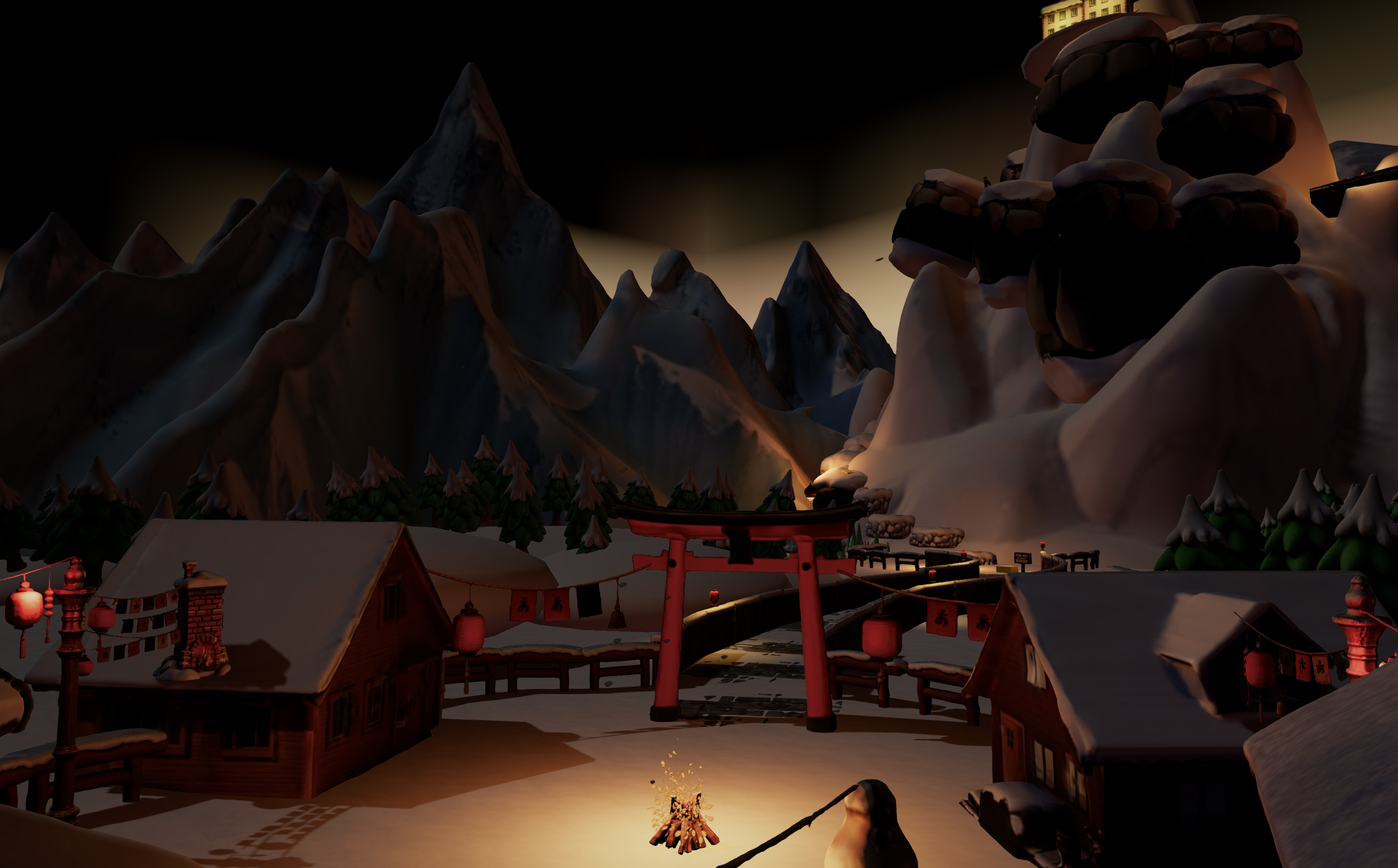
Nilo’s world-building environment runs physics by default, so objects move, bump, and react as soon as you place them. GDevelop added 3D physics in late 2024 and a 3D editor in early 2025. It works well if you like visual event sheets, although it usually needs more setup than prompt-driven tools.
Automatic Optimization and Performance
Dynamic LOD switching can cut GPU load in scenes packed with detailed assets. Without it, you hit Roblox’s polygon caps and end up with laggy exports. Many AI tools output meshes with very high polygon counts, which forces you into manual reduction before export.
Nilo’s LOD system handles this with a simple slider. You drag it, watch the polygon count change in real time, and keep your focus on design instead of triangle math.
Collaboration and Social Building
Real-time multiplayer creation, where you and your friends build together through a shared link, still feels rare. Most tools act like single-player editors. PlayCanvas offers a collaborative cloud editor but mainly targets professional developers and expects JavaScript. Nilo supports real-time multiplayer creation on desktop and mobile, with Discord and Telegram integration, so building a game feels more like hanging out.
Export and Interoperability Across Platforms
Rosebud creates games that run in a browser window and can also export to external platforms such as Windows executables for Steam. Nilo exports to FBX, OBJ, STL, and glTF, which work with Roblox, Unity, Unreal Engine, Blender, and VRChat. The Roblox exporter focuses on Roblox’s needs and applies automatic LOD optimization so you stay within polygon caps at export.
The table below shows how Nilo, Rosebud AI, and GDevelop compare on a few core features that shape your day-to-day building experience.
| Capability | Nilo | Rosebud AI | GDevelop |
|---|---|---|---|
| Browser-based, no install | Yes | Yes | Desktop app, publishes to gd.games |
| Real-time 3D physics | Yes | Limited real-time 3D physics because it lacks a full game engine and deep 3D support | Yes, real-time 3D physics (based on Jolt) added in early 2025 with GDevelop 5.5 |
| Natural-language coding | Yes | Yes | Visual event sheets only |
| Roblox export | Yes, with auto-LOD | Exports to external platforms, including Windows for Steam | No |
How To Choose a 3D Browser Tool That Fits You
When you compare browser-based 3D tools, move through the same steps you would follow in a real project. Start with what helps you finish your first build, then think about long-term growth.
- Ease of onboarding: First, check whether you can create something in your first session without a tutorial. Look for in-app guidance and clear menus instead of a blank screen that expects you to know every shortcut.
- Output quality: After you make something, look at how clean the assets feel. Try a simple character or prop, then check polygon counts and textures so you know whether the AI gives you game-ready results or extra cleanup work.
- Export compatibility: Once you like what you built, confirm that you can send it to the platform you care about, such as Roblox or Unity. Make sure exports include rigging and animation data, not just geometry.
- Performance limits: Next, ask how the tool handles heavy scenes. A built-in LOD system protects you from polygon caps. Without it, you will probably need extra optimization tools.
- Collaboration needs: If you plan to build with friends, check for real-time multiplayer creation instead of simple world sharing. True collaboration lets everyone edit and playtest together.
- Learning value: Finally, think about how much you want to learn. Some tools teach concepts like rigging, mesh topology, and physics. Others hide everything. Tools that reveal more over time help you grow from “trying this out” to “I know what I am doing.”
Match the tool to where you are right now. A first-time builder needs fast feedback and almost no friction. A more experienced builder needs strong export control and collaboration. As Nilo’s February 2026 survey showed, builders value tools that feel smooth, social, and fast to learn.
Explore Nilo’s open beta if you want to test this kind of workflow on your own projects.
Practical Scenarios You Might Recognize
Scenario 1: First-time Roblox builder, simple obby. You want moving platforms and a finish line but have never scripted. A browser-based tool with vibe coding lets you say “add a moving platform that goes left and right every two seconds” and watch it work. You skip Lua, skip long tutorials, and skip waiting for a scripter.
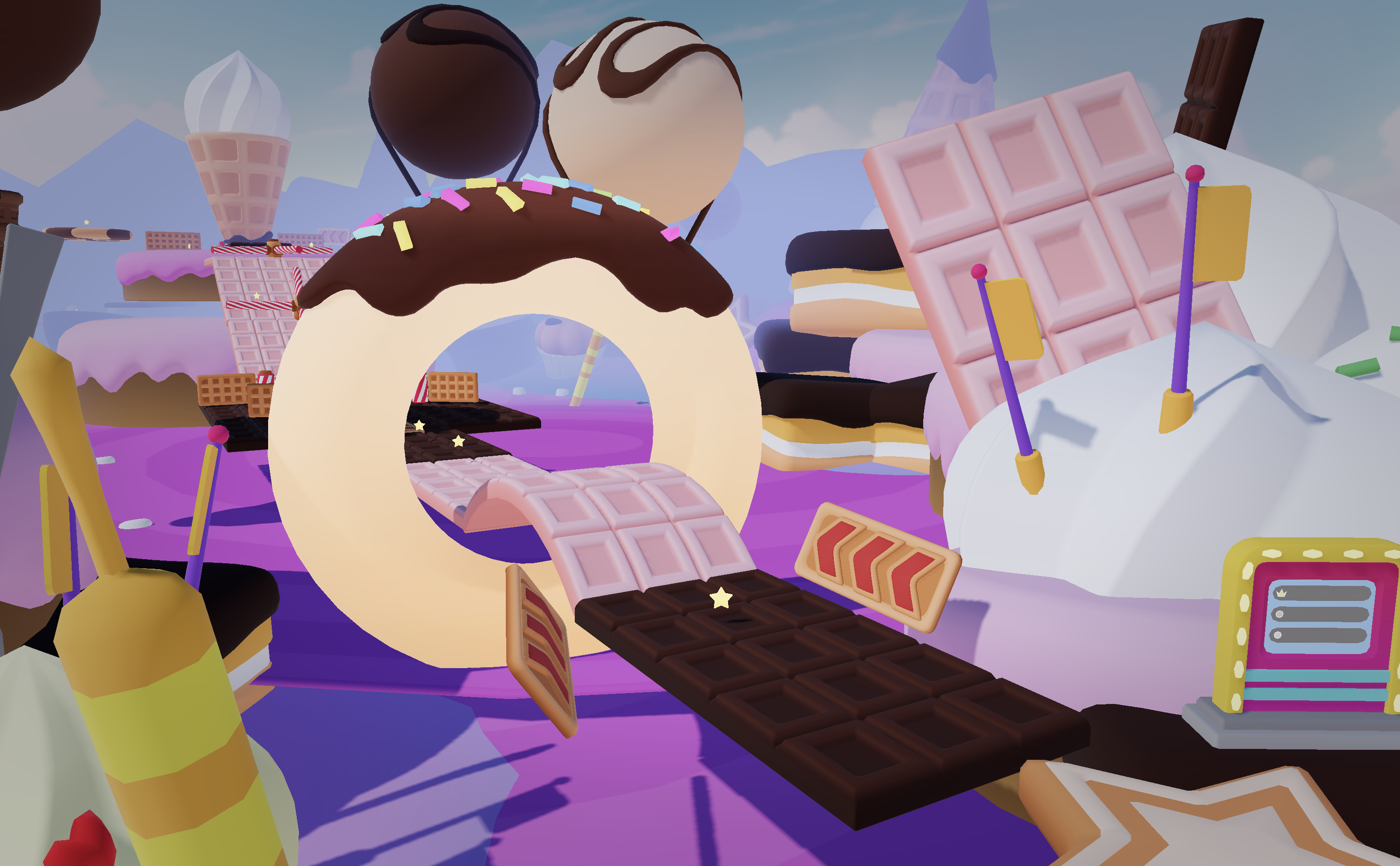
Scenario 2: Small friend group, roleplay world. Three friends want to prototype a fantasy RP map after school. A tool with real-time multiplayer creation and link sharing lets everyone join the same world, place assets, and playtest together. You avoid file sharing, version conflicts, and installs on every device.
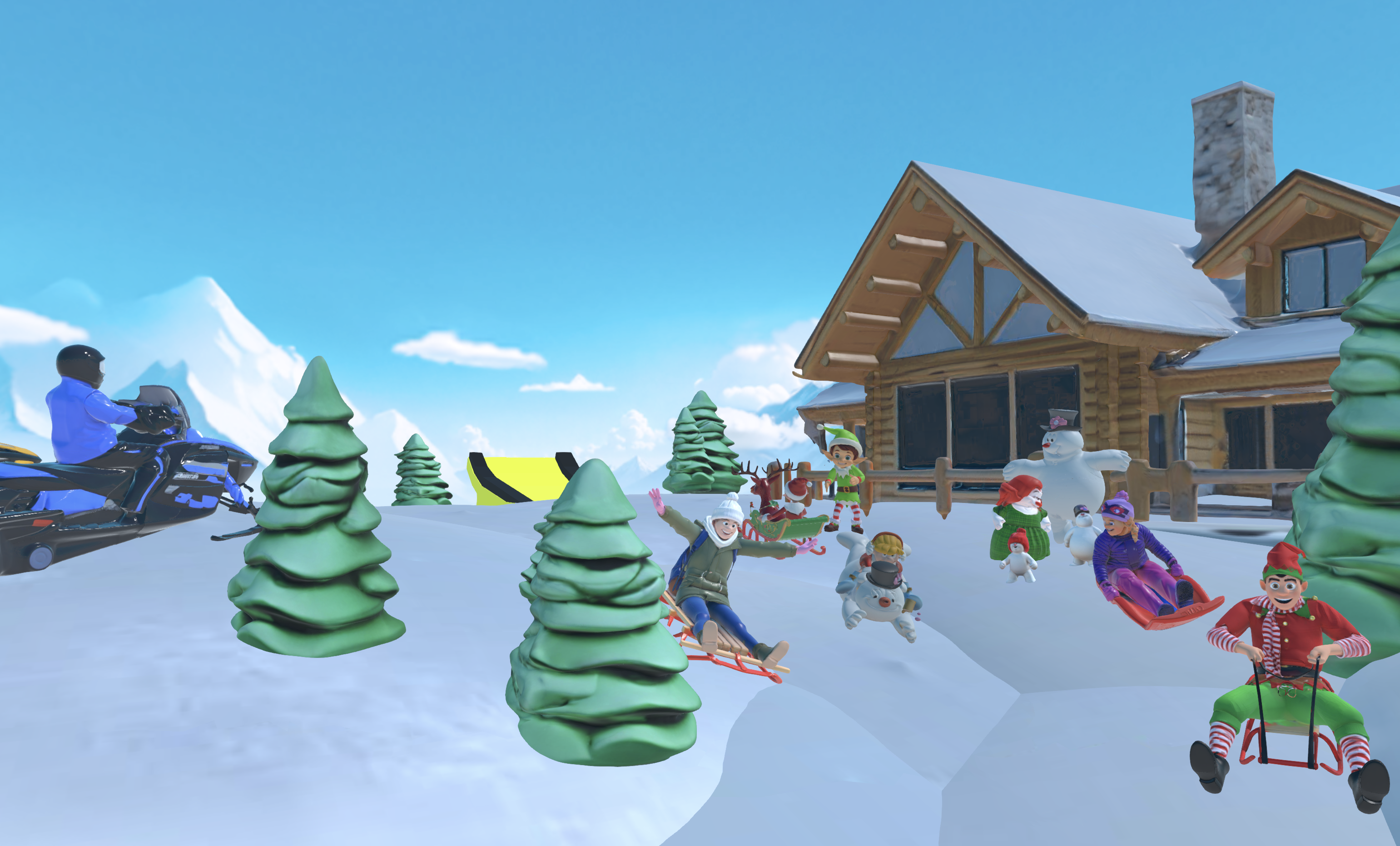
In both situations, the right tool keeps your idea moving. The wrong tool turns a 20-minute spark into a three-day technical grind.
Open Nilo in your browser and try one of these scenarios with your own twist.
Frequently Asked Questions
What is a browser-based 3D game maker?
A browser-based 3D game maker runs entirely in your web browser with no download or installation. It lets you create, build, and sometimes publish 3D games or worlds from a link. Strong tools bundle asset generation, world building, physics, and export in one place.
Do I need to know how to code to use these tools?
You do not need coding skills with the current wave of AI-assisted tools. Vibe coding lets you describe what you want in plain text or with an image, and the AI turns that into working logic. Some tools also show you the underlying code so you can tweak variables and learn at your own pace.
How is a browser-based tool different from Roblox Studio or Unity?
Roblox Studio and Unity are professional desktop apps that need installation, stronger hardware, and scripting knowledge before you can make anything interactive. Browser-based tools run through a link on almost any device, often include AI help for assets and code, and aim to get you building in minutes instead of months.
What are the limits of AI-generated 3D assets?
AI-generated assets can show geometric issues, asymmetry, or uneven textures, sometimes called the “AI lottery.” They also often ship with too many polygons for smooth gameplay. Tools with built-in retopology and LOD systems handle this for you. Tools without those features usually push you toward manual cleanup in Blender or similar software.
Can I export what I make to Roblox or other platforms?
Export options vary by tool. Some browser-based tools lock you into their own ecosystem. Others, like Nilo, export to FBX, OBJ, STL, and glTF, which work with Roblox, Unity, Unreal Engine, Blender, and VRChat. Always check export formats before you commit, and confirm that rigging and animation data travel with the model.
Conclusion: Turning Ideas Into Playable Worlds
Wanting to build a 3D game and running into walls with installs, scripting, or messy AI assets feels frustrating but very common. AI-assisted, browser-based 3D tools exist to lower those walls so you can focus on your ideas. The right choice depends on your goals, your current skills, and whether you care most about Roblox export, real-time collaboration, or deep world building. Choose the tool that lets you build the world you already see in your head and share it with friends as fast as possible.