Written by: Nuno Leiria, Founder & CEO @ Nilo | Last updated: June 24, 2026
Why Building Roblox Assets in Your Browser Changes Everything
- Traditional Roblox tools slow you down with downloads, Lua scripting, and manual retopology that kill your creative momentum.
- Browser platforms using WebAssembly and WebGPU now give you near-native 3D performance without installing desktop software.
- A simple 5-step browser workflow lets you generate, rig, vibe-code, and export Roblox-ready assets in minutes.
- When you compare tools, focus on automatic polygon reduction, one-click rigging, mobile support, and no-code logic.
- Nilo combines these features in one browser platform, so you can start building and playing in the open beta for free.
To see how a browser tool actually removes friction, walk through a full workflow that takes you from idea to Roblox export without leaving your browser.
5-Step Browser Workflow: Build a Roblox-Ready Asset in Minutes
This workflow keeps everything in your browser. No downloads, no Blender, no scripting. Imagine you are 12 and building your first obby prop, a glowing checkpoint gate.
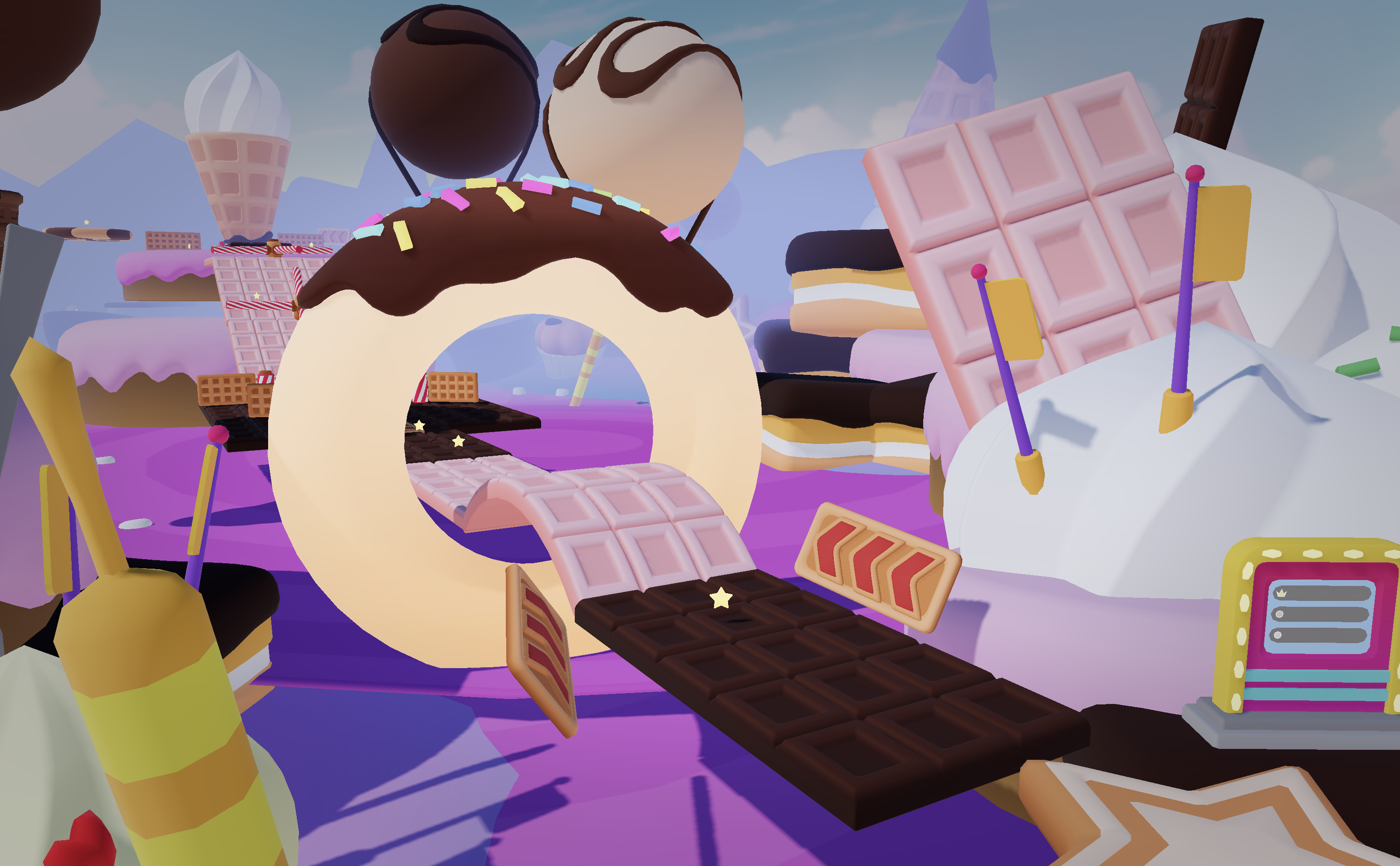
- Open your browser and create a new world. Go to play.nilo.io and start a new world instantly. You skip installs and account setup friction. Nilo runs on desktop and mobile browsers using WebAssembly and WebGPU, so performance stays smooth even on mid-range hardware.
- Generate or sketch your model. Type a prompt like “glowing sci-fi gate with neon blue trim” or draw a rough sketch directly in the browser. Nilo’s AI layer pulls from multiple providers, including Meshy, Tripo, and Cartwheel, and returns a 3D model in seconds. You can switch providers or refine with an image reference without leaving the platform. One builder in Nilo’s February 2026 survey said: “There are no limits on what you can create, just type, draw or add in an image and you can generate, rig, customise and place a fully 3D model within minutes.”
- Use real-time retopology and one-click rigging. Move the LOD (level of detail) slider and the tool automatically reduces the polygon count to Roblox-safe levels, so you skip manual Blender cleanup. If your asset needs a rig, one click adds the skeleton that lets a character or object move. Tasks that usually take hours in pro tools now take seconds.
- Add simple interactive logic with vibe coding. Vibe coding means you tell the AI what you want in plain language. You avoid Lua and syntax errors. Type “make the gate glow when a player touches it” or say it out loud. The code editor generates working logic instantly, and you see the result in your 3D world in real time. You can also open the code and tweak variables directly, like changing “glow_intensity = 2” to “glow_intensity = 10”, so you learn real programming ideas without the usual frustration.
- Export with Roblox-safe LOD and upload to Roblox Studio. Click Export, choose FBX or GLB, and download a file that already respects Roblox’s polygon caps. Import it into Roblox Studio and start using it right away. Nilo keeps polycount in range so models work directly in Roblox Studio and other platforms without extra cleanup.
This full path, from blank browser tab to Roblox-ready export, takes minutes instead of hours. Browser-native performance in 2026 gives you real game-engine power without a download.
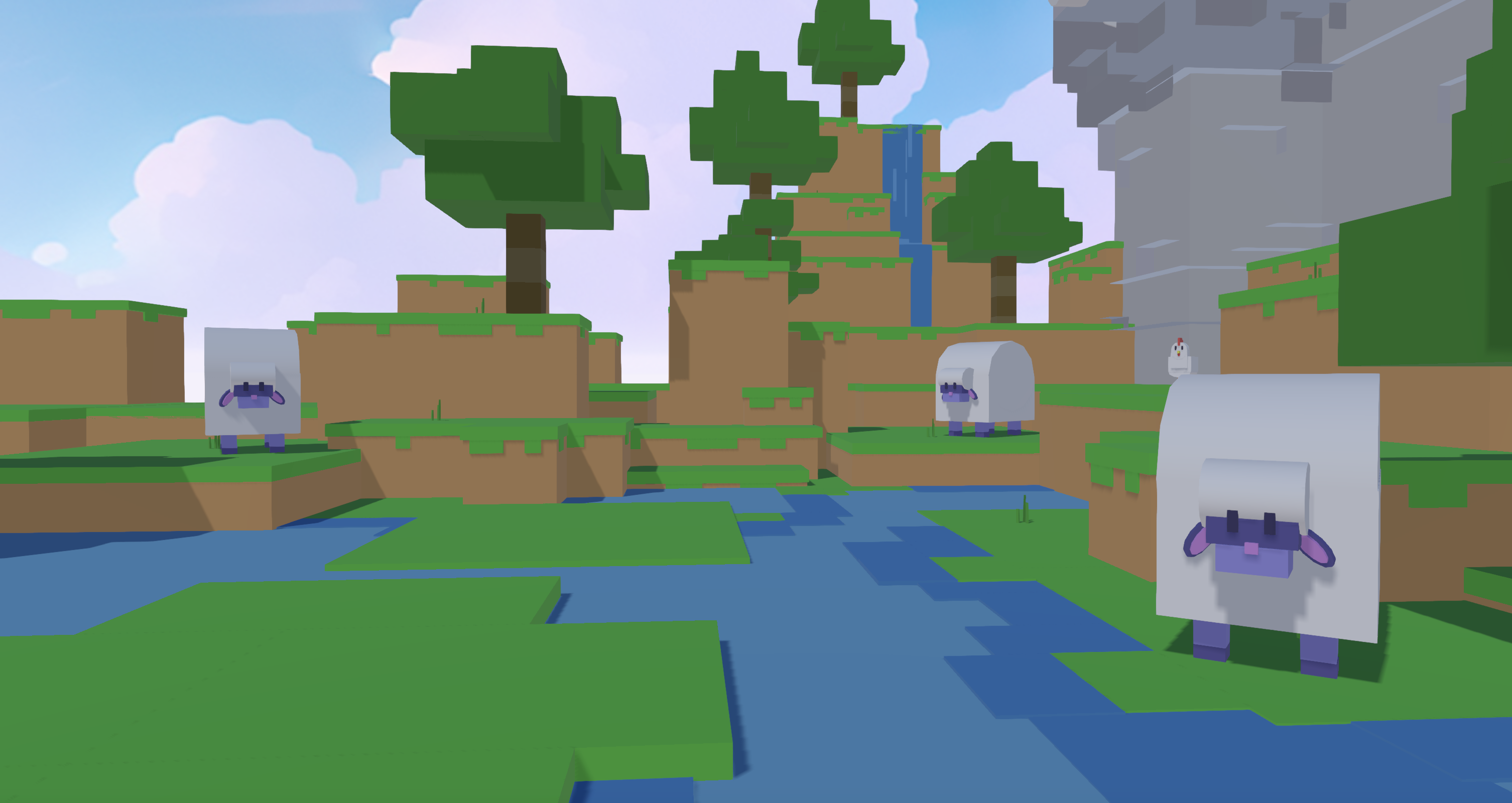
Try this workflow yourself in Nilo’s open beta, it is free to join.
How To Evaluate Browser-Based Roblox Game Builders
You should test browser tools with the same asset you plan to use in a real Roblox game. These checks build on each other and show you where a tool helps or slows you down.
- Polygon limits and retopology. Generate a character model and check the triangle count. Roblox caps meshes in a 10K–20K triangle range, so if the tool does not automatically reduce your model to that level, you will need to clean it up manually in Blender. That extra step defeats the point of a simple browser workflow.
- Rigging quality. After you confirm the polygon count is Roblox-safe, test whether the rig actually works. Export a rigged character and import it into Roblox Studio. See if it deforms correctly when animated, or if you get full-body warping and pivot errors that break your game.
- Export formats. Check that the tool exports FBX, OBJ, STL, or glTF. These formats plug into Roblox Studio and most other engines you might want to try next.
- Mobile browser support. Open the tool on your phone and try a small build. A real browser builder should load and function on mobile, not force you back to a desktop.
- Real-time collaboration. Share a link with a friend and build at the same time. You should both join without downloads and see each other’s changes live.
- No-code logic. Add a simple interaction, like a door that opens or a platform that moves. You should be able to do this without writing a single line of code, while still having the option to peek under the hood later.
Running these tests with a real asset gives you a clear picture of how each tool fits your style and your goals.
Browser Roblox Tools Compared: Nilo, Roblox Studio, Unity, and More
Each tool fits a different way of building. Use this overview to match the platform to how you like to create.
Nilo stands out as a browser platform focused on Roblox-ready assets. It combines AI text-to-3D generation, real-time retopology, one-click rigging, vibe coding, and Roblox-friendly export in a single flow that stays in your browser. It runs on a custom game engine with C++ physics compiled to WebAssembly and WebGPU graphics, so you get real performance, not a simple viewer. You can playtest assets in a live 3D world before exporting.

Roblox Studio is the official tool and tightly connected to the Roblox ecosystem. It is powerful and builder-forward once you learn it. The trade-off is clear. You need a desktop download, it does not run in the browser, and every interactive element depends on Lua scripting knowledge. It is not AI-native and does not include retopology for imported meshes.
Unity now offers a browser-based editor called Unity Studio that aims to feel more accessible. Unity’s strength comes from its pro-grade engine and huge asset library. The trade-off is the weight of years of pro workflows. The core product was built for professional teams, not for aspiring builders like you who move from playing to creating.
Blender is the standard for 3D modeling and retopology. It is free and extremely deep. The trade-off is the learning curve and setup. Blender does not run in the browser, does not act as a game engine, and is not AI-native. You use it mainly for the retopology step, not for a full Roblox creation pipeline.
PlayCanvas is a browser-based game engine with solid WebGL performance. Snapchat now owns it, and it sits between pro and consumer audiences. It does not include AI generation, built-in retopology, or a Roblox-focused export path, so you handle those parts elsewhere.
Rosebud AI runs in the browser and supports vibe coding. It focuses on generating games from text prompts. The trade-off is depth. It does not sit on a full game engine, so 3D depth and hands-on building feel limited. It behaves more like a generation tool than a full creation space.
Sloyd generates 3D models in the browser from text prompts. It feels fast and focused. The trade-off is scope. It works as an asset generator only, with no rigging, no animation, no vibe coding, and no Roblox-specific export tuning.
The table below compares how each tool handles four key abilities for Roblox asset creation: export readiness, rigging automation, browser access, and real-time polygon cleanup.
| Tool | Roblox Export Readiness | One-Click Rigging | Runs in Browser | Real-Time Retopology |
|---|---|---|---|---|
| Nilo | Yes, LOD slider with polygon-capped export | Yes | Yes | Yes |
| Roblox Studio | Native, but no AI retopology | No | No, desktop download required | No |
| Unity | Partial, manual optimization needed | No | Partial (Unity Studio, limited) | No |
| PlayCanvas | Manual, no Roblox-specific pipeline | No | Yes | No |
Real Builder Results from Nilo’s February 2026 Survey
Nilo’s February 2026 survey showed that 93% of builders would recommend Nilo to a friend. In the same survey, 82% rated their experience as “Awesome” or “Good,” and 72% said Nilo makes their creative process easier by “a lot.” These answers came from active builders using the platform, not from a marketing panel.
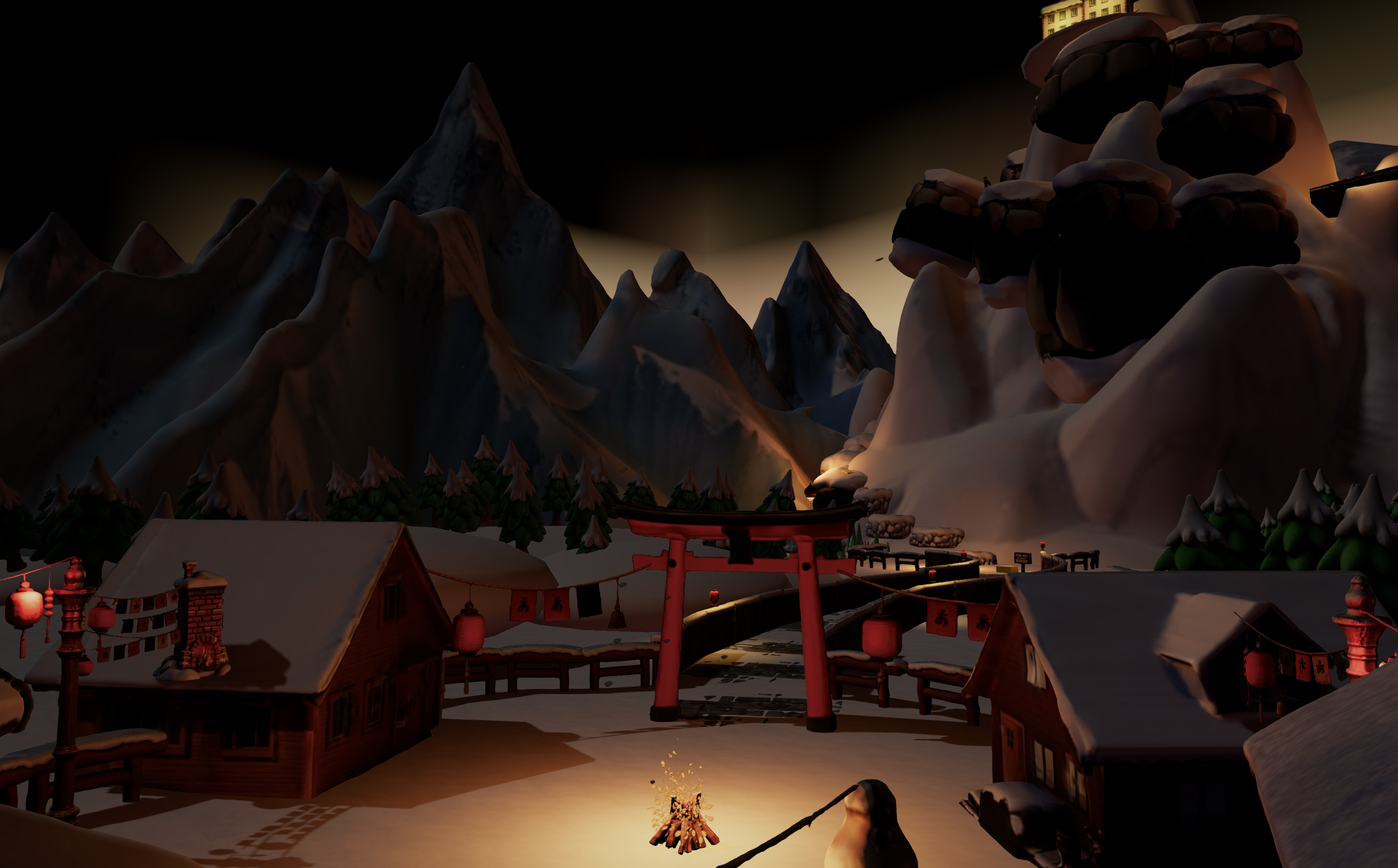
The quotes line up with the four things builders care about most. On speed: “I do not have to spend hours on 3D modeling the simplest things, now I can use Nilo and do it in 15 seconds.” On creative control: “It lets my imagination free and let loose instead of having to plan out a whole blueprint on what to make with my past modeling tools.” On the single-tool workflow: “I like how it feels like a good game engine rather than a vibe coding tool, with easy building and a good focus on being able to export and import content.” On rapid iteration: “You can work 20 times faster than you usually work on models.”
Nilo’s community has grown to 9,000+ builders on Discord, driven by organic interest, with more than 1M monthly social views across TikTok, YouTube Shorts, and Instagram Reels. Supercell backs the platform, and their Head of Investments said: “Their approach to making game creation as enjoyable as gameplay itself really stood out. Nilo has the potential to open up game development to a whole new generation of builders.”
See why 93% of builders recommend Nilo, join the open beta for free.
Frequently Asked Questions
Do I need to know how to code or use Blender to build in Nilo?
No. Nilo handles the technical work so you can focus on designing. If you can describe what you want with a text prompt, a sketch, or a reference image, Nilo can generate it, rig it, and animate it. For interactive logic, vibe coding lets you type or speak what you want in plain language, and the AI generates working code instantly. You never need to write Lua or open Blender.
How does Nilo make sure my assets work in Roblox without breaking the polygon limit?
Nilo includes an LOD (level of detail) slider that adjusts the polygon count of your model in real time. You drag the slider until the count falls within Roblox’s polygon limits, the 20K cap mentioned earlier, then export. The file comes out Roblox-ready, so you skip manual cleanup and Blender retopology sessions.
Can I build and play with friends in Nilo?
Yes. Nilo supports real-time multiplayer creation. You share a link and your friends join your world on desktop or mobile, with no download on their side. You can build together, playtest assets live, and iterate in the same session. The social feel you know from playing games now applies to making them.
Is Nilo free to use?
Yes. Nilo is in open beta and free to join. The Starter tier includes 1,000 Nilo Bits per month, which are the credits used for AI generation, export, and creation features. Many core building tools use no Bits at all. You can also earn more Bits through Nilo Rewards by referring friends and building with the community.
Does Nilo only work for Roblox, or can I export to other platforms?
Nilo exports to standard 3D formats, including FBX, OBJ, STL, and glTF. These formats work with Roblox, Unity, Unreal Engine, Blender, VRChat, and most other 3D platforms. Nilo does not lock you in. You can treat it as an asset creation pipeline and move files anywhere, or you can build and publish full playable worlds directly inside Nilo.
Ready to Build Your First Asset Right Now?
You can start without downloading anything, hiring a scripter, or spending an afternoon in Blender fixing polygon counts. Open a browser tab, generate your first Roblox-ready asset, and export it today.
Nilo’s open beta is live, the workflow is free, and a community of more than 9,000 builders is already sharing ideas. Your idea deserves tools that keep you building instead of blocking you.
Start building your first Roblox asset in Nilo’s open beta today.