Written by: Nuno Leiria, Founder & CEO @ Nilo
Key Takeaways
- Traditional Roblox Studio prop workflows force you to juggle multiple plugins, each with its own UI and compatibility risks, which drains your creative momentum.
- Fragmented tools add mental load, slow down how fast you can try ideas, and make it harder to collaborate across friends, teams, and devices.
- Integrated browser-based 3D platforms pull generation, retopology, rigging, and export into one continuous, install-free workspace.
- These platforms automatically respect Roblox’s performance limits (triangle counts, textures, bone weights) while supporting real-time multiplayer creation and export to multiple engines.
- Nilo combines multimodal AI generation, real-time retopology, and one-click Roblox export in a browser-based workspace — start building and playing in your browser for free.
The Hidden Cost of Plugin Workflows
Plugin friction costs you creative energy, not just time. Every minute you spend fixing a plugin conflict or re-learning a tool’s interface is a minute you are not placing props, shaping environments, or testing your ideas. If you are still learning, this constant context switching hurts even more. You are trying to absorb game design basics, spatial thinking, and performance rules at the same time, and scattered tools add a whole extra layer of work that has nothing to do with actually building.
Collaboration gets harder as well. When you build with a friend, they need the same plugins installed, at the same versions, set up the same way. A plugin that works on your machine might break after a Roblox Studio update on theirs. Memory leaks and synchronization bugs in Studio plugins are documented problems that can crash long building sessions right when you are in the zone.
Iteration speed is what keeps your projects alive. You need to try something, see it, and change it fast. Fragmented plugin workflows slow that loop down. Many builders say they drop projects not because they run out of ideas, but because the process wears them out. The industry is reacting to this. Roblox itself is moving toward agentic, AI-assisted creation inside Studio, which shows that even the platform sees how much friction builders face. This recognition points to a broader shift already underway, where new platforms rethink the whole creation flow instead of adding more plugins on top.
Explore Nilo’s browser workspace and feel the difference in your first build session.
Why Integrated Browser-Based 3D Platforms Feel Different
A new type of platform now handles generation, optimization, rigging, and export in one continuous browser-based environment. You do not install anything, manage plugins, or worry about version conflicts. You open a link and start building.
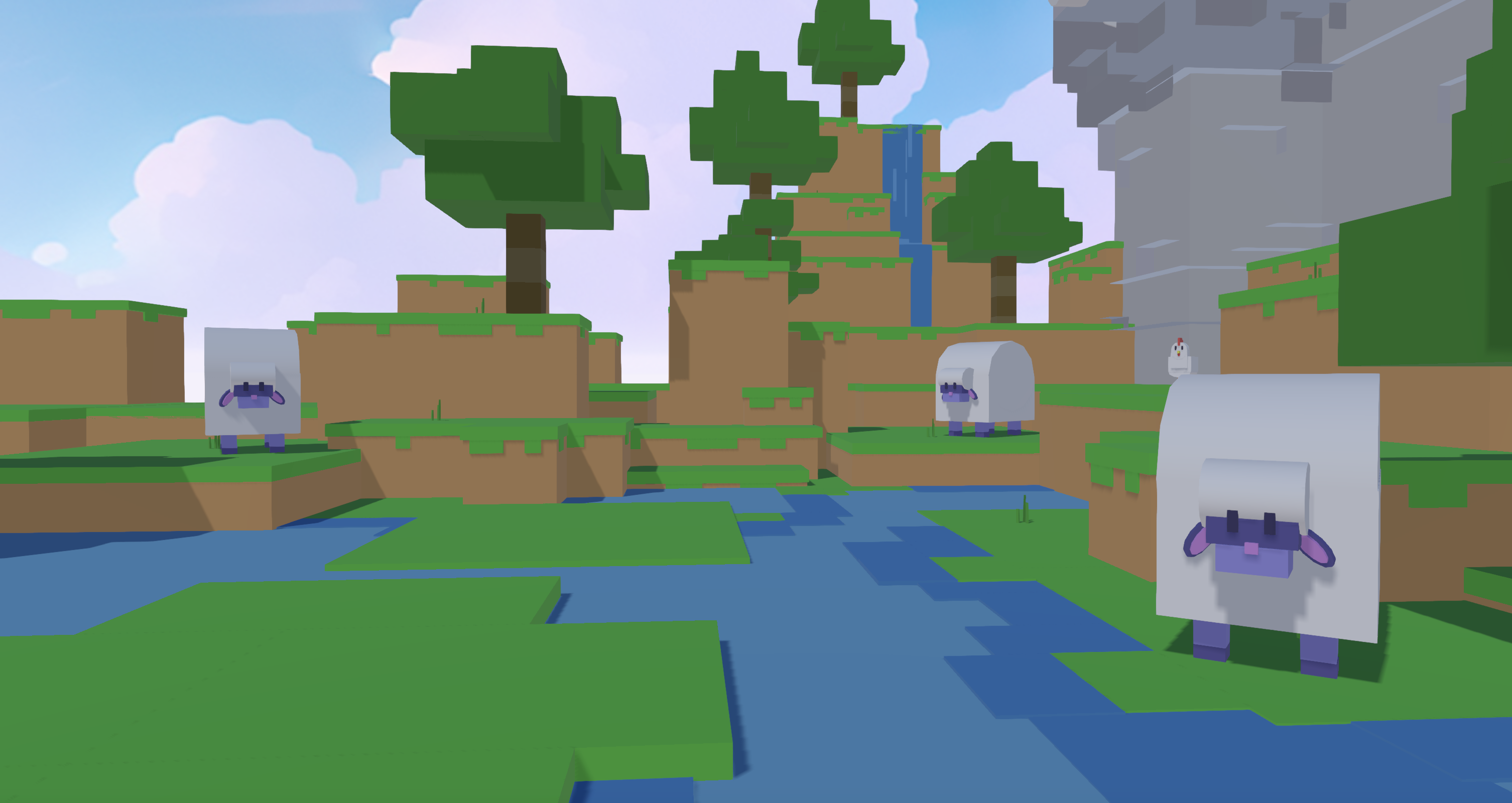
This shift mirrors what happened in 2D design when Figma moved serious tools into the browser. WebAssembly and WebGPU now make that same move possible for 3D creation.
These platforms differ from traditional workflows across five key dimensions, and each one removes a specific pain you probably feel today.
Accessibility: Roblox Studio needs a desktop install and a decent machine. Blender has a steep learning curve that can take months. Integrated browser platforms run on almost any device, desktop or mobile, with no setup. You share a link, and you are in the same space.
This easy access sets up a smoother creation flow. Creation Flow: In a plugin workflow, you bounce between Roblox Studio, external modeling tools like Blender, and several plugins, each with its own interface. Integrated platforms keep generation, refinement, rigging, animation, and export in one place, so you stay focused on your world instead of your tool stack.
Collaboration: Plugin-based workflows are mostly solo. Browser-based platforms can support real-time multiplayer creation, so you and your friends build together just by sharing a URL.
Performance: Roblox enforces strict asset limits. Individual meshes are typically limited to around 10,000 triangles, Roblox supports up to 4096×4096 pixel texture resolutions for assets, and rigged meshes have constraints on bone influences per vertex. Integrated platforms with built-in LOD, which is a system that reduces polygon counts based on distance or export target, handle these rules for you automatically.
Portability: Assets from integrated platforms export to standard formats such as FBX, OBJ, and GLB. These work with Roblox, Unity, Unreal Engine, Blender, and VRChat, so your creations can move with you as your skills grow.
Generation and Refinement Without Blender Headaches
Prop creation usually breaks down at the gap between what you imagine and what you can actually build. Roblox Studio’s native tools are fine for combining basic shapes, but detailed props like lanterns, crates, or fantasy weapons usually require Blender skills that take serious time to learn.
AI text-to-3D tools changed that, but they introduced new trade-offs. Tools like Meshy can generate models quickly, yet most AI-generated assets still need retopology, UV cleanup, and PBR channel checks before they are ready for production. Retopology means rebuilding a mesh so it is clean, efficient, and game-ready. Doing this by hand in Blender is exactly the kind of slow, technical work that kills your creative flow.
Sloyd takes a different path. It generates props from text prompts or parametric templates with controls for polygon counts and quad-based meshes, which are easier on game engines. It focuses on prop generation, but it does not cover the full path from idea to Roblox export in one continuous flow.
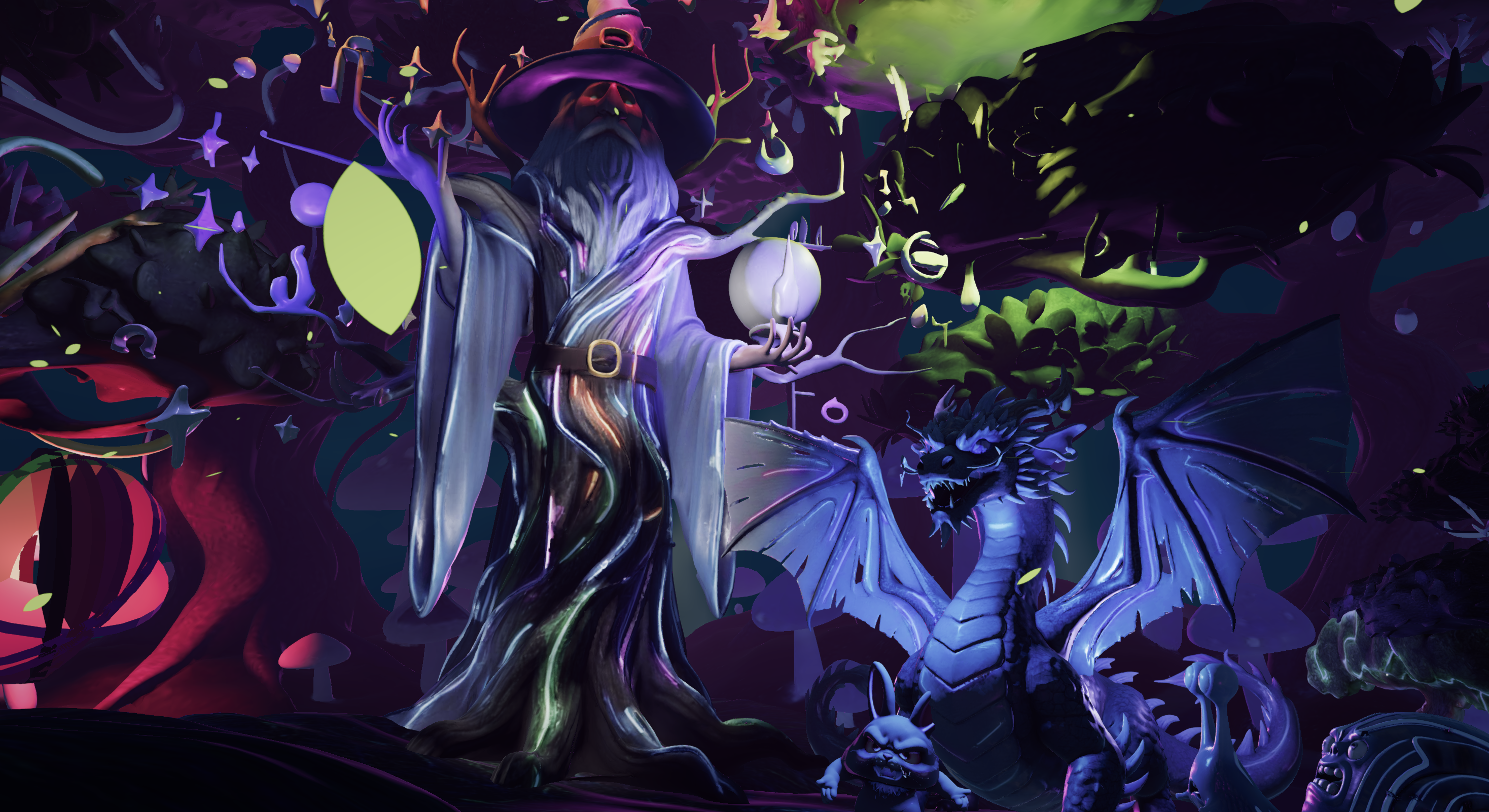
Nilo stands out by combining multimodal generation, including text prompts, sketches, and reference images, with real-time retopology. The platform cleans up meshes automatically and gives you Roblox-ready topology without a Blender detour. As one builder put it in Nilo’s February 2026 survey, “I do not have to spend hours on 3D modeling the simplest things, now I can use Nilo and do it in 15 seconds.” Nilo’s model-agnostic AI layer connects to providers such as Meshy, Tripo, Nano Banana, and Cartwheel behind one interface, so you get strong output without hopping between tools.
Start generating Roblox-ready props in seconds with Nilo’s open beta.
Natural-Language Logic and Faster World Building
Placing a prop is only the first step. You also want it to react, like opening when a player walks near it, spawning particles, or reacting to physics. In Roblox Studio, that means Lua, which is a real programming language with strict syntax. If you are not a scripter yet, this can feel like the biggest wall between you and a playable game.
Natural language code editors help you climb that wall. These tools let you create game logic by talking, typing, or even sending images to the AI. Instead of writing game.Players.LocalPlayer.Character, you type “make the door open when a player gets close” and the editor generates working code. Nilo’s built-in vibe coding editor does this with real-time feedback. You see changes instantly in your 3D world and can tweak the actual variables, like changing “speed = 2” to “speed = 20,” so you learn real programming concepts while you build.
For world building, integrated platforms also help with prop placement, scattering, and environment design in ways that go beyond single-purpose plugins. Terrain plugins like Surface Studio support biome-based prop distribution and post-placement editing, but warn that raycast-based placement can generate over 1 million raycasts for a 64×64 chunk. That is a heavy performance cost during generation. Browser-based platforms with procedural world-building tools approach this differently and avoid stacking that kind of per-plugin overhead.
Optimization, Collaboration, and Export in One Flow
Getting a prop into Roblox means more than picking the right file format. You also need to respect performance limits, especially because many Roblox players use mobile devices. Your props need clean topology, reasonable triangle counts, simple collision meshes, and textures that are not too heavy.
Here is a like-for-like comparison of how different approaches handle key optimization needs:
| Requirement | Roblox Studio + Plugins | Blender + Manual Workflow | Nilo |
|---|---|---|---|
| Triangle count limits | Manual, you must check | Manual retopology required | LOD slider handles this automatically |
| Texture resolution up to 4096×4096 px | Manual, you must resize | Manual export settings | Textures adjusted on export |
| Bone influences per vertex | Not handled by plugins | Manual weight painting | One-click rigging respects limits |
| Export formats accepted by Roblox | FBX, OBJ, GLB | FBX, OBJ, GLB | FBX, OBJ, STL, glTF |
Collaboration looks very different across these options. Plugin-based workflows do not offer native real-time co-building. Nilo supports real-time multiplayer creation, so you share a URL and build together on desktop or mobile. For export, Nilo’s assets work with Roblox, Unity, Unreal Engine, Blender, and VRChat, which turns it into a flexible pipeline tool instead of a closed ecosystem.
How You Can Evaluate Integrated 3D Tools
When you compare integrated platforms, focus on how each one fits your actual building flow.
Onboarding speed: You should be able to generate your first prop and export it to Roblox in under 10 minutes without watching a tutorial. If that does not happen, the tool adds friction.
Output quality: Check whether the generated mesh needs manual cleanup in Blender before it meets Roblox’s triangle and topology rules. Look for tools with built-in retopology or LOD controls so you can stay in one place.
Export compatibility: Confirm that the tool exports FBX or GLB, which Roblox Studio accepts for rigged and animated models. Make sure the scale is correct, so one unit equals one Roblox stud and your props do not import as giants or tiny dots.
Performance limits: Props for Roblox should follow triangle count guidelines for both environment assets and characters. Check whether the tool shows triangle counts while you create, instead of only after export.
Collaboration: See if multiple builders can work in the same environment at the same time. This becomes more important as your projects and teams grow.
Learning value: Choose tools that teach you real concepts like rigging, mesh topology, and LOD through the interface. Platforms that explain what they are doing help you grow as an aspiring builder or as an already active builder.
Test these criteria yourself inside Nilo’s browser-based workspace, no install needed.
Real-World Scenarios for Builders Like You
The first-time creator: Imagine you are 13, you have played Roblox for three years, and now you want to build your first obby with custom props such as a crumbling stone arch, scattered barrels, and a glowing checkpoint. In a plugin workflow, you would hunt for separate tools for prop generation, placement, and alignment, then figure out how to get a custom mesh into Studio at all. With an integrated browser platform, you open a tab, type “crumbling stone arch,” get a 3D model in seconds, adjust the triangle count with a slider, and export straight to Roblox Studio. Your arch appears in your world in under five minutes.
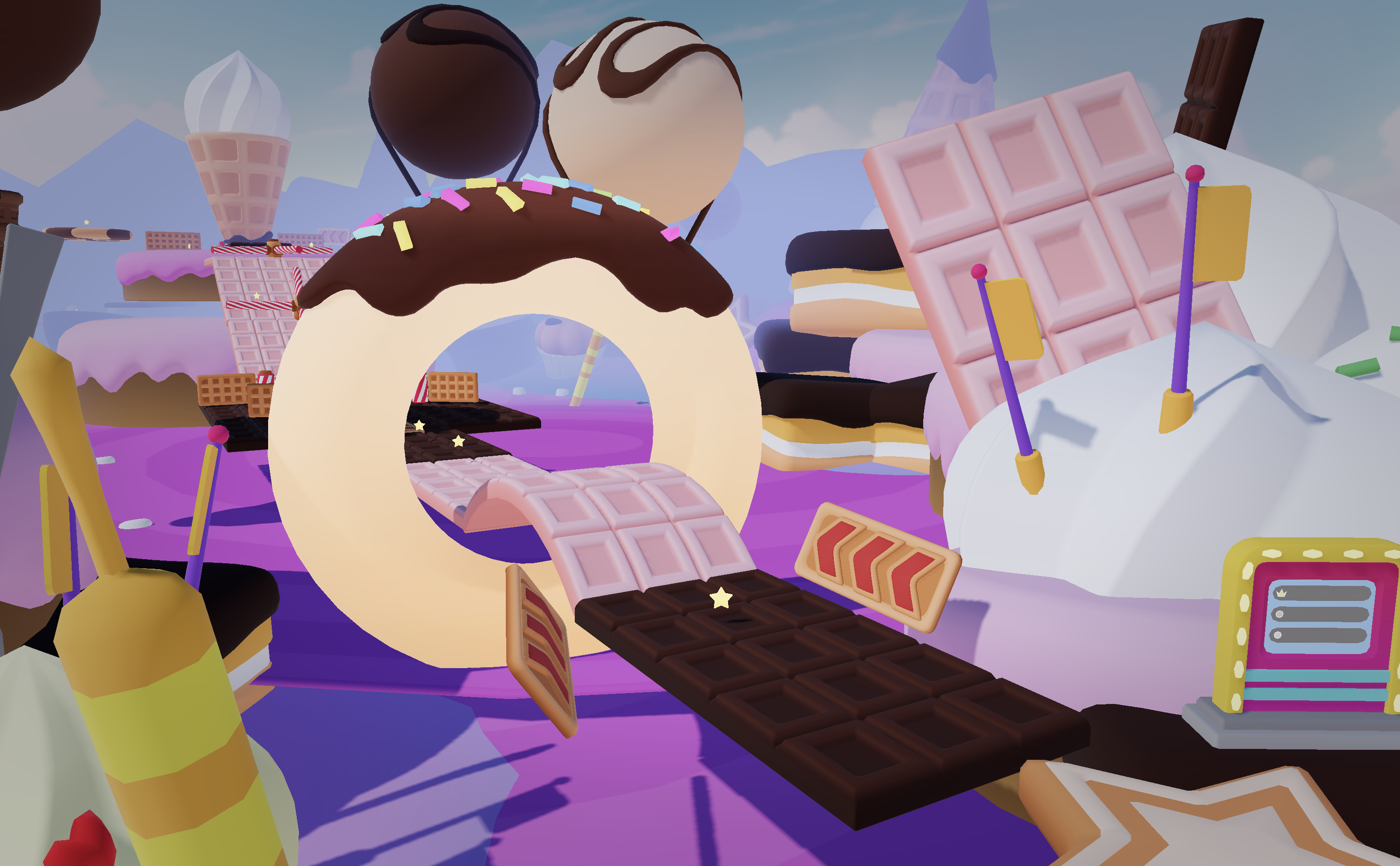
The Roblox-focused builder: Maybe you have been building for two years and feel comfortable in Roblox Studio, but custom props still push you into Blender, and every hour there is an hour not spent building your game. The time savings from integrated tools become very real here. Instead of spending hours modeling a shipping container in Blender, you describe it once and get a Roblox-ready asset in under a minute. A platform with real-time retopology and one-click Roblox export lets you stay in creative flow instead of bouncing between apps.
The collaborative team: Picture you and two friends building a fantasy RPG map. One of you handles terrain, one focuses on props, and one scripts interactions. In a plugin workflow, keeping asset versions and plugin setups aligned across three machines turns into a constant headache. With a browser-based platform that supports real-time multiplayer creation, all three of you share one environment. You build, playtest, and iterate together without sending files back and forth.
Frequently Asked Questions
What are Roblox Studio prop plugins, and why do builders use them?
Roblox Studio prop plugins are add-ons from the Creator Store that extend Studio’s built-in tools for placing, aligning, scattering, and editing props in a scene. Common examples include F3X for advanced object manipulation, Archimedes for curve-based placement, and Brushtool for scattering objects across terrain. Builders use them because Roblox Studio’s native tools do not cover every placement and alignment case, but each plugin adds its own interface and possible compatibility issues.
Do I need to know how to use Blender to create custom props for Roblox?
Traditionally, yes. Creating custom 3D props for Roblox meant learning Blender or a similar modeling tool, which can take months. Integrated browser-based platforms like Nilo change this by handling generation, retopology, and optimization for you. You describe what you want with text, a sketch, or an image, the platform generates a Roblox-ready mesh, and you export it directly. You do not need Blender for the main workflow, although you can still use it for advanced polish if you want.
What are Roblox’s performance limits for props and assets in 2026?
Roblox enforces performance limits for meshes, textures, and rigged models to keep experiences smooth, especially on mobile devices. Roblox supports up to 4096×4096 pixel texture resolutions for assets. Meshes have triangle count limits, and rigged meshes have constraints on bone influences per vertex. Props should follow triangle count guidelines for environment pieces and characters. Collision meshes should stay simple by using CollisionFidelity settings like Box or Hull, which helps physics run smoothly.
Can I use browser-based asset tools alongside Roblox Studio, or do I have to choose one?
You can and should use both. Browser-based platforms like Nilo act as asset creation pipelines that feed into Roblox Studio. You generate and optimize props in the browser, export them as FBX or GLB, and then import them into Studio. Nilo does not replace Roblox. It speeds up the parts of your workflow that slow you down today, while you keep using Roblox Studio for final scene assembly and scripting.
What is the difference between a prop plugin and an integrated browser-based platform?
A prop plugin adds one specific capability to Roblox Studio, such as scattering, alignment, or curve building, and it needs Studio to be installed and running. An integrated browser-based platform handles the full asset creation pipeline, including generation, retopology, rigging, animation, and export, in a single environment that runs in any browser. The main difference is scope and friction. Plugins stack extra tools onto Studio, while integrated platforms replace the multi-tool chain with one continuous workflow.
Choosing Your Next Step as a Roblox Builder
Managing multiple Roblox Studio prop plugins fragments your workflow and breaks the creative momentum that makes building fun. Each plugin solves one problem while adding its own interface, compatibility risk, and learning curve, which often leaves you managing tools instead of building worlds.
Integrated browser-based 3D asset platforms respond to this by pulling generation, optimization, rigging, and export into one continuous flow with no installs, no plugin conflicts, and no forced Blender detours. Your ideal setup depends on where you are right now. If you feel comfortable in Roblox Studio and mainly want stronger prop generation, a focused tool like Sloyd might fit. If you want to remove the multi-tool chain entirely and stay in creative flow from first idea to Roblox export, an integrated platform deserves a close look.
Nilo stands out in this space for builders who want Roblox-ready assets without heavy technical overhead. You get real-time retopology, a model-agnostic AI layer, one-click rigging, and direct export to Roblox Studio, all inside a browser-based environment that feels closer to playing a game than operating complex software. In Nilo’s February 2026 survey, 93% of builders said they would recommend it to a friend. The platform is in open beta and free to try.
Try vibe coding and Roblox-ready prop generation in Nilo’s open beta today.