Written by: Nuno Leiria, Founder & CEO @ Nilo
Key Takeaways for You as a Builder
- Astrocade is a free browser platform that turns plain-language prompts into fully playable games with no coding.
- Its one-pass prompt-to-game flow feels fast at first, but limited control after generation makes detailed iteration slower.
- If you care about Roblox or precise 3D control, you gain more from tools that keep you inside a live 3D world with built-in cleanup and export.
- When you compare AI creation tools, look at accessibility, real-time editing, collaboration, performance, and export support for platforms like Roblox or Unity.
- Ready to try an AI-native 3D engine in your browser? Join Nilo’s open beta and start building for free.
The Problem: Turning Your Ideas into Playable Worlds
If you grew up in Roblox or Minecraft, you already know what a great game feels like. You have ideas and can picture the world you want to build. The hard part is turning that picture in your head into something real and playable.
Text-only generation tools promise to close that gap instantly. You type a prompt and get a game. For a first attempt, that feels exciting. The moment you want to change something specific, add a mechanic, or refine an asset, the workflow slows down. You end up prompting and waiting again, with limited control over what comes out.
That friction is the core problem. The shift from player to creator should feel energizing, not like hitting a wall every time you try to iterate.
Why This Friction Kills Your Momentum
This friction directly kills creative momentum. When you have an idea and the tools slow you down, the energy drains fast. Direct single-pass prompt-to-game generation achieves only around 30% average quality on playability benchmarks. Many generated games end up with unresponsive controls, missing state transitions, or win conditions that never trigger. You only notice these problems when someone actually plays the build.
Waiting for AI output, re-prompting when results miss the mark, and having no real-time control over the 3D environment all slow down learning. Raw AI-generated assets commonly require manual refinement steps including mesh repair, retopology, UV correction, and texture calibration before they are usable. That is a lot of technical overhead when you mainly want to design and test ideas quickly.
Tools that keep you inside a playable 3D environment, where you build, tweak, and see changes in real time, tend to keep your creative energy alive longer.
Start building in a live 3D world today, right in your browser and free.
AI Browser 3D Tools: What You Actually Get
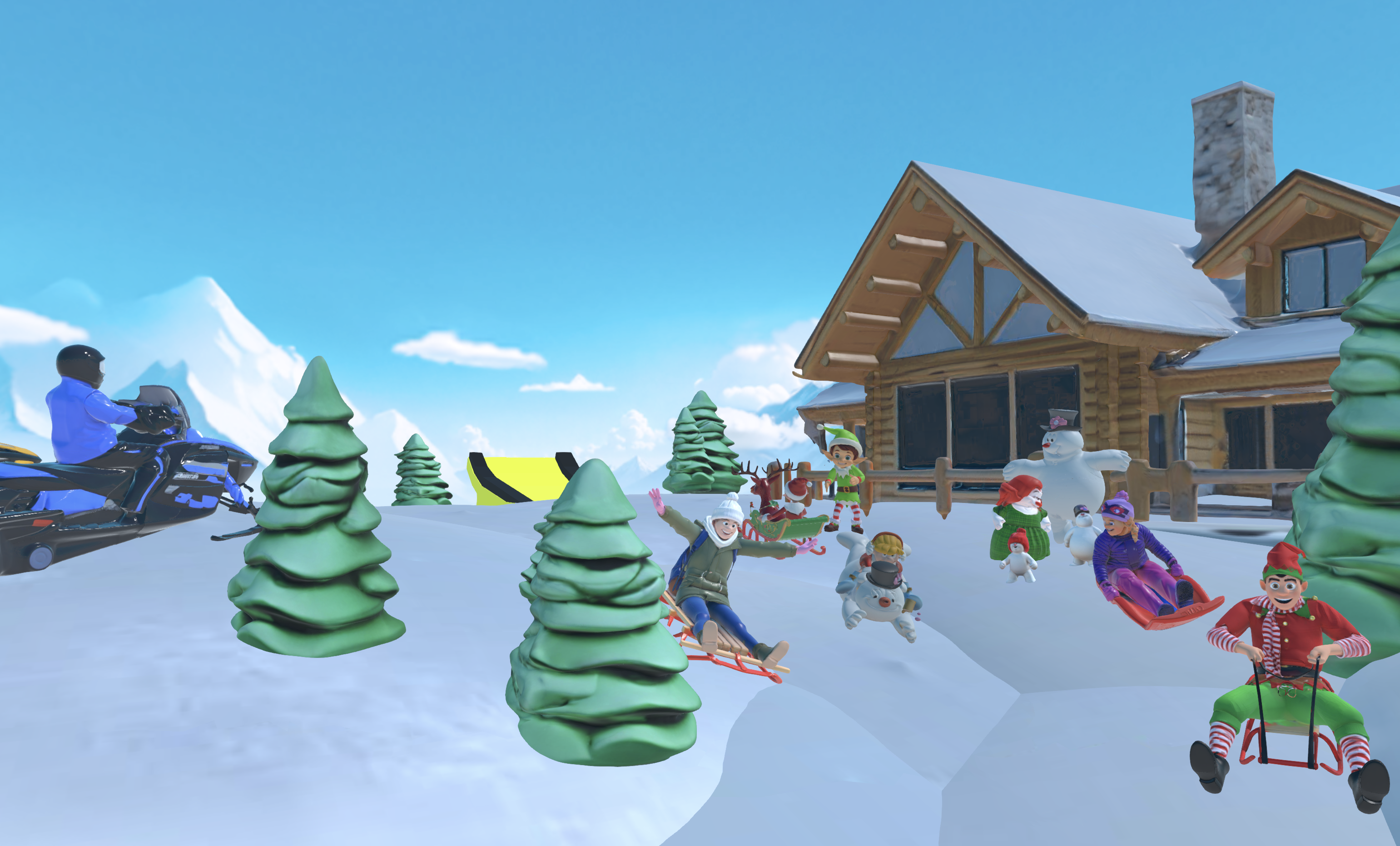
AI-assisted browser-based 3D creation tools let you build interactive 3D worlds directly in your browser, with AI helping at every step. The AI can generate assets, write code, and handle performance work. You avoid installs, downloads, and expensive hardware.
When you look at tools in this category, focus on a few clear dimensions.
- Accessibility: Check whether it runs in the browser on everyday devices, or needs a download and powerful computer.
- Flow: See if you can stay inside a playable 3D environment while you build, or if you must leave the tool to see results.
- Collaboration: Decide whether you want to build with friends in real time by sharing a link, or work solo.
- Performance: Look at how the tool handles polygon counts and optimization. Automatic handling saves you from manual cleanup.
- Portability: Confirm that you can export your work to Roblox, Unity, or other platforms instead of being locked inside one ecosystem.
What These Tools Handle Well and Where They Struggle
You make better choices when you know exactly what AI-assisted creation tools handle and where they fall short.
3D asset generation: Most tools can turn a text prompt or image into a 3D model. The challenge is quality. Many AI 3D tools produce inconsistent topology that may require cleanup and have limited control over fine details or precise mechanical structures. Tools that connect to multiple AI providers behind one interface give you more chances to get a usable result.
Natural-language logic creation (vibe coding): Vibe coding means you tell the AI what you want your game to do in plain language, by typing or speaking, and it generates working code instantly. Different tools give very different levels of real-time feedback, so test how quickly you can see and adjust behavior.
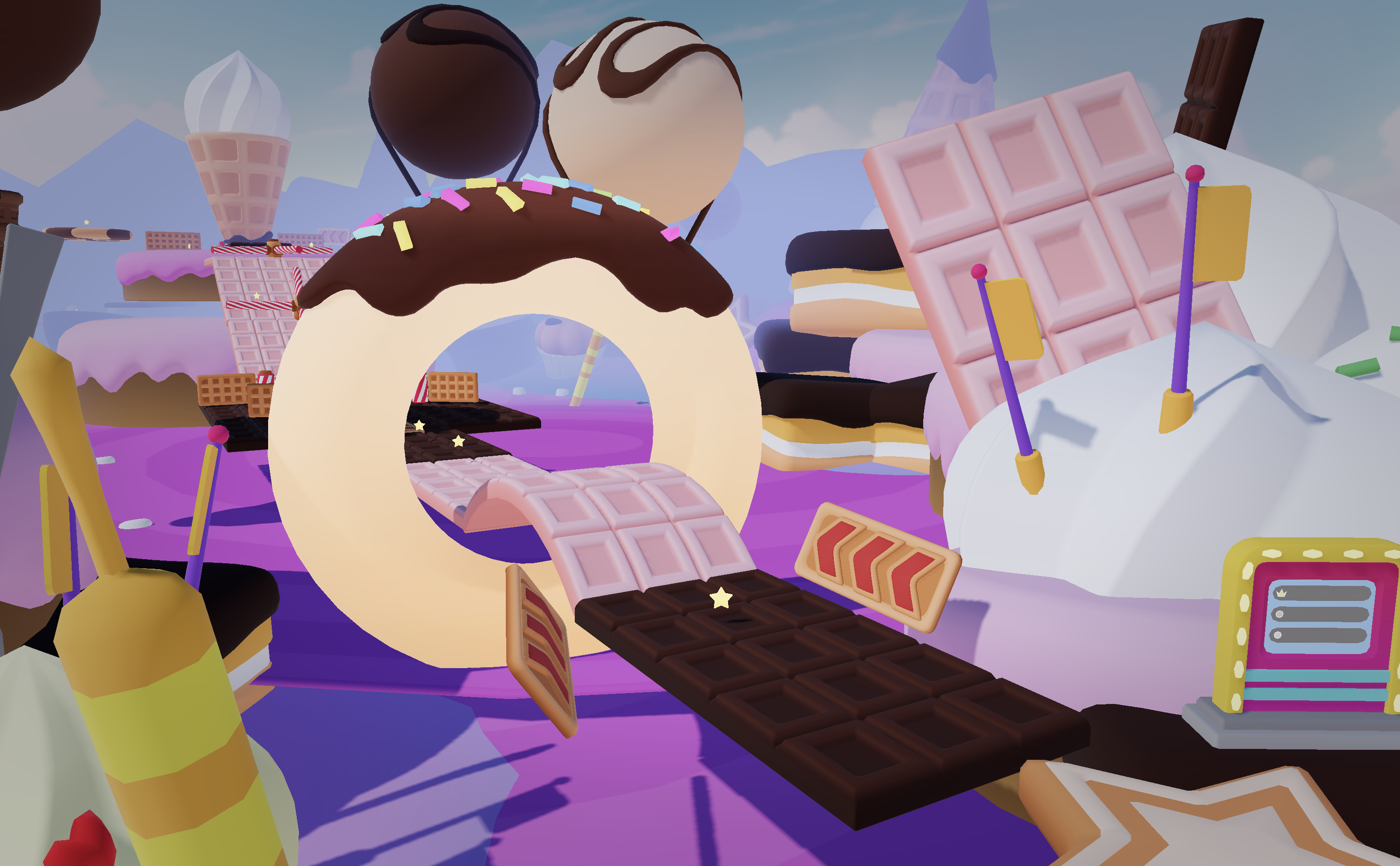
World building: Some tools give you a hands-on 3D environment where you place, move, and test objects in real time. Others create a full scene from a single prompt and then give you only light control over individual elements afterward.
Optimization: Platforms like Roblox cap assets at around 10,000 to 20,000 polygons. Tools with a built-in LOD system that automatically reduces polygon counts protect you from the manual cleanup mentioned earlier. Many tools still leave this work to you.
Collaboration: Real-time multiplayer creation, where you and a friend build in the same world at the same time, is still rare. Most tools assume a single builder.
Export: Builders on Reddit often worry about whether a tool gives them a portable project file before they invest serious time. Check if a tool exports to standard formats like FBX, OBJ, or glTF, and test whether those files open cleanly in Roblox Studio, Unity, or Blender.
How to Evaluate AI Creation Tools for Your Workflow
When you compare AI-assisted creation tools, move from basic usability to deeper needs.
Start with onboarding. See if you can reach a playable result in your first session without a tutorial, and whether in-app guidance helps you along. Once you are creating, look at output quality. Check if generated assets look consistent and clean or if they need heavy manual fixes.
If the quality feels good, test export compatibility. Confirm that the tool exports to the formats your target platform, such as Roblox or Unity, expects. After that, explore performance limits. Find out whether the tool handles polygon optimization automatically or if you must manage triangle counts yourself.
Then match the tool to your collaboration needs. If you want to build with friends, verify that real-time multiplayer creation is available. Finally, think about learning value. Decide whether you want a tool that teaches real game development concepts like rigging, mesh topology, and physics, or one that hides those details.
Three Real Situations and Which Approach Fits
First-time creator: You want to go from zero to a playable game as fast as possible. A prompt-to-game tool like Astrocade gets you there quickly with no setup. The trade-off is limited control, so every specific change means another prompt and another wait. A browser-based 3D environment like Nilo takes a bit more early exploration but keeps you in control of every element from the start.
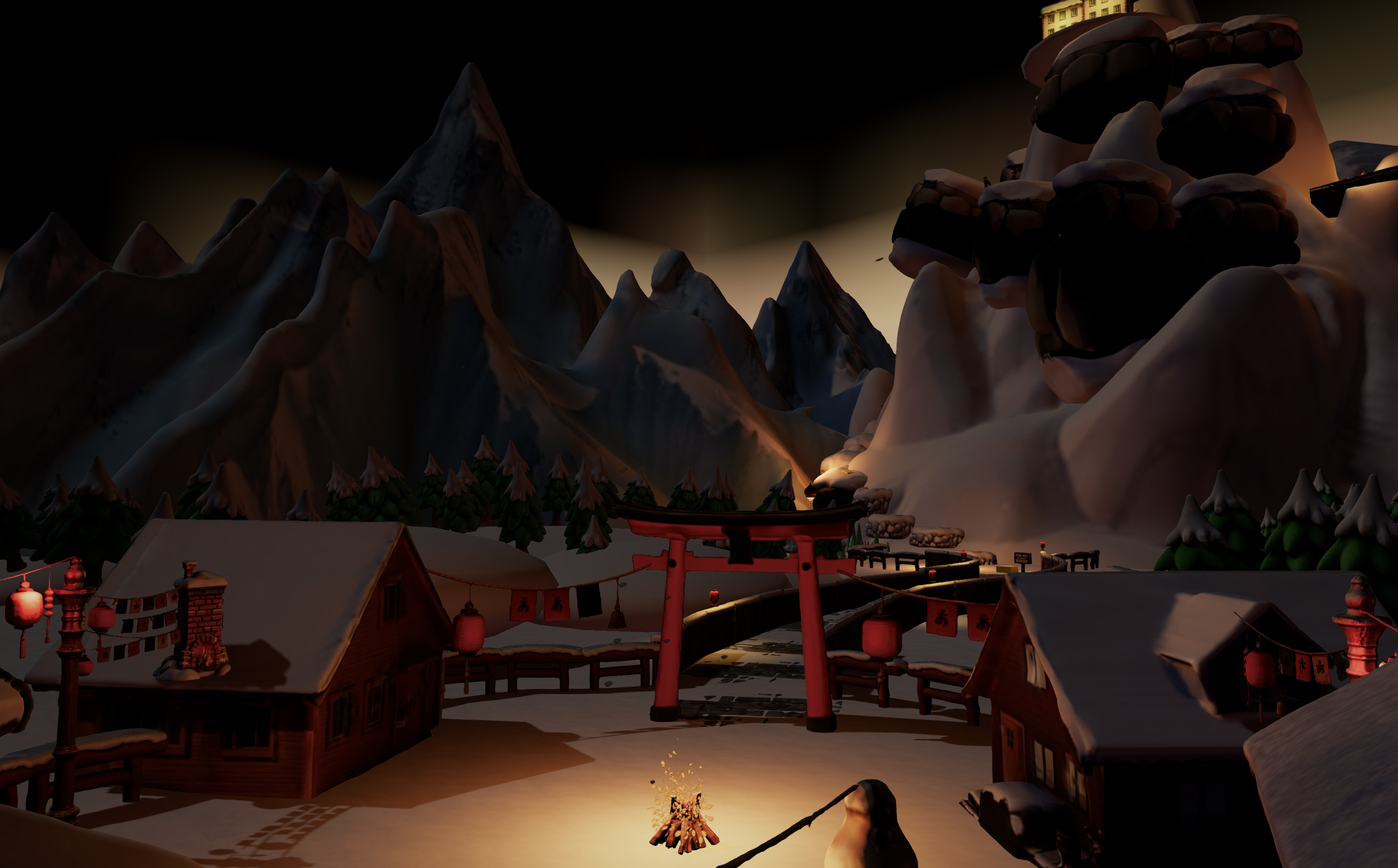
Roblox-focused builder: You are building assets or worlds for Roblox and need clean exports that respect the polygon limits described earlier. Prompt-to-game tools usually do not handle Roblox-specific optimization. A tool with a built-in LOD system and direct Roblox export, such as Nilo, removes the Blender cleanup step entirely.
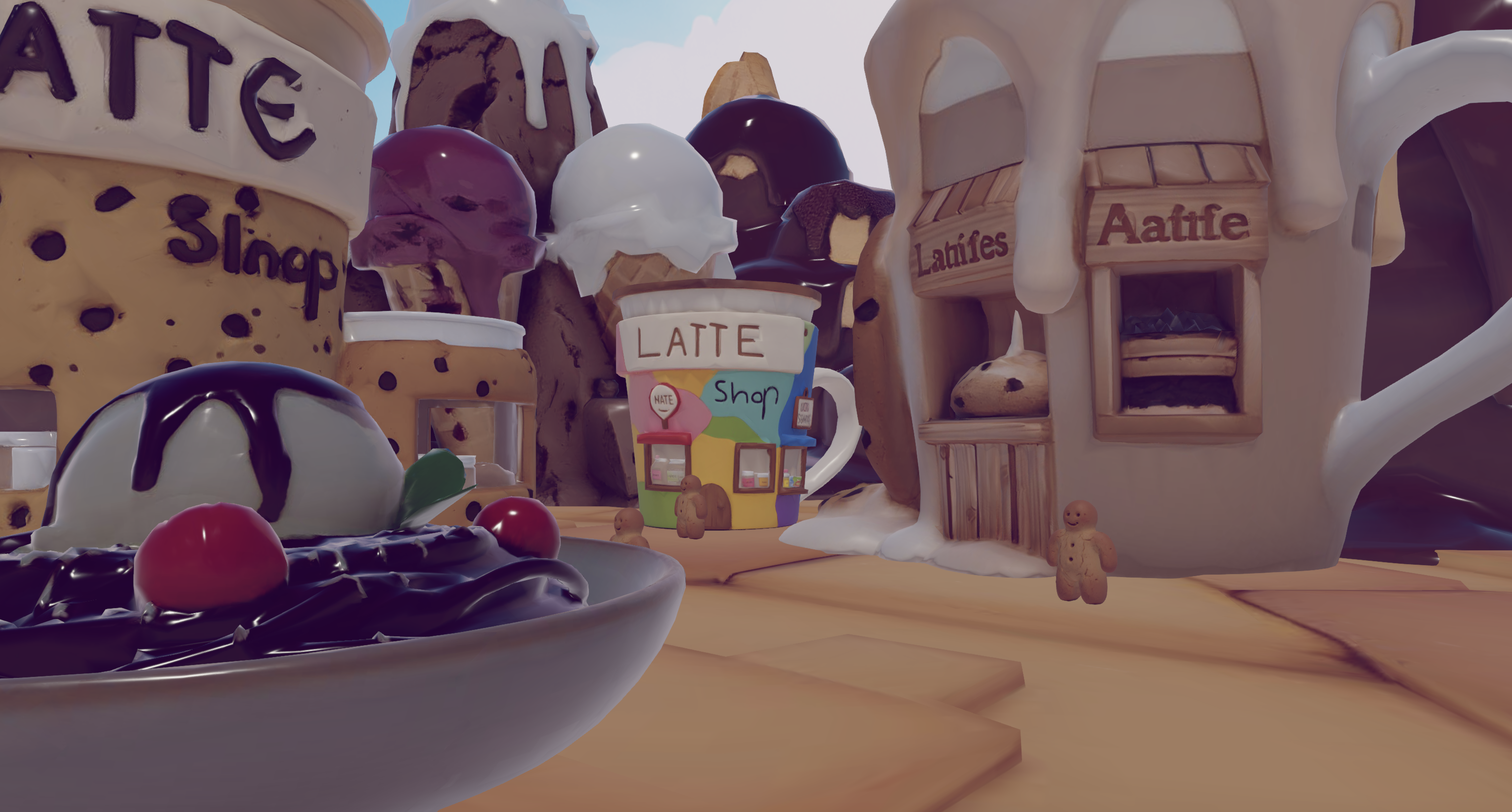
Collaborative team: You want to build with friends in real time. Most prompt-to-game tools are single-builder. Look for a platform that supports real-time multiplayer creation through a shared link, so your whole team can work in the same world at once.
Build with your friends in real time. Share a link and start creating together for free.
Astrocade Pricing: What You Get for Free
Astrocade operates as a free, cloud-hosted web platform focused on casual and user-generated content games. You can sign up, generate games from text prompts, and publish them to the social feed without paying. The platform targets game fans and creators who want to make games using only their imagination, with no coding.
How Astrocade Turns Prompts into Games
Astrocade translates natural-language descriptions into executable game mechanics. From a single prompt, it can generate movement physics, collision detection, scoring systems, character sprites, environment tiles, UI elements, background music, sound effects, and level layouts. Its AI agent, AstroBrain, automatically generates and integrates art, animation, background music, and game mechanics in one pass.
Thousands of games are published daily and reach Astrocade's audience for playtesting and feedback. Astrocade ranks games using metrics such as median playtime, and underperforming games can be delisted after the initial trial period. Builders track performance through a creator analytics dashboard that shows significant plays, median playtime, and drop-off curves.
The main limitation of this approach is control. Astrocade's prompt-to-game approach has documented limits around game complexity, variable asset quality, and an evolving platform. After a game is generated, iterating on specific elements usually means re-prompting instead of directly editing inside a 3D environment.
Astrocade vs Nilo for Roblox-Focused Builders
The table below compares Astrocade and Nilo across four dimensions that matter when you want to create and export 3D content.
| Dimension | Astrocade | Nilo |
|---|---|---|
| Creation approach | Prompt-to-game: you describe your idea and the AI generates a complete playable experience in one pass, with limited hands-on editing afterward. | Game-engine-first: you build inside a live 3D environment with AI helping at each step. You generate assets, vibe code logic, place objects, and playtest in real time without leaving the world. |
| Roblox export and optimization | Not designed for Roblox-specific export. | Built-in LOD system automatically adjusts polygon counts to meet the Roblox limits discussed earlier. One-click export to FBX, OBJ, STL, and glTF works with Roblox Studio, Unity, Blender, and Unreal Engine, so you skip manual retopology. |
| Real-time multiplayer creation | Social feed for sharing and playing published games, but no real-time co-building with friends in the same world. | Real-time multiplayer creation on desktop or mobile. You share a link and build together instantly. In the Nilo February 2026 Survey, 93% of builders said they would recommend Nilo to a friend. |
| Browser performance | Cloud-hosted, browser-based platform optimized for hyper-casual and casual games, now including more advanced 3D experiences alongside 2D. | Custom game engine with C++ physics compiled to WebAssembly, WebGPU graphics, and custom QUIC-based networking. This setup brings high-end 3D performance to the browser with no downloads. |
As one builder put it in the Nilo February 2026 Survey: “I like how it feels like a good game engine rather than a vibe coding tool, with easy building and a good focus on being able to export and import content.”
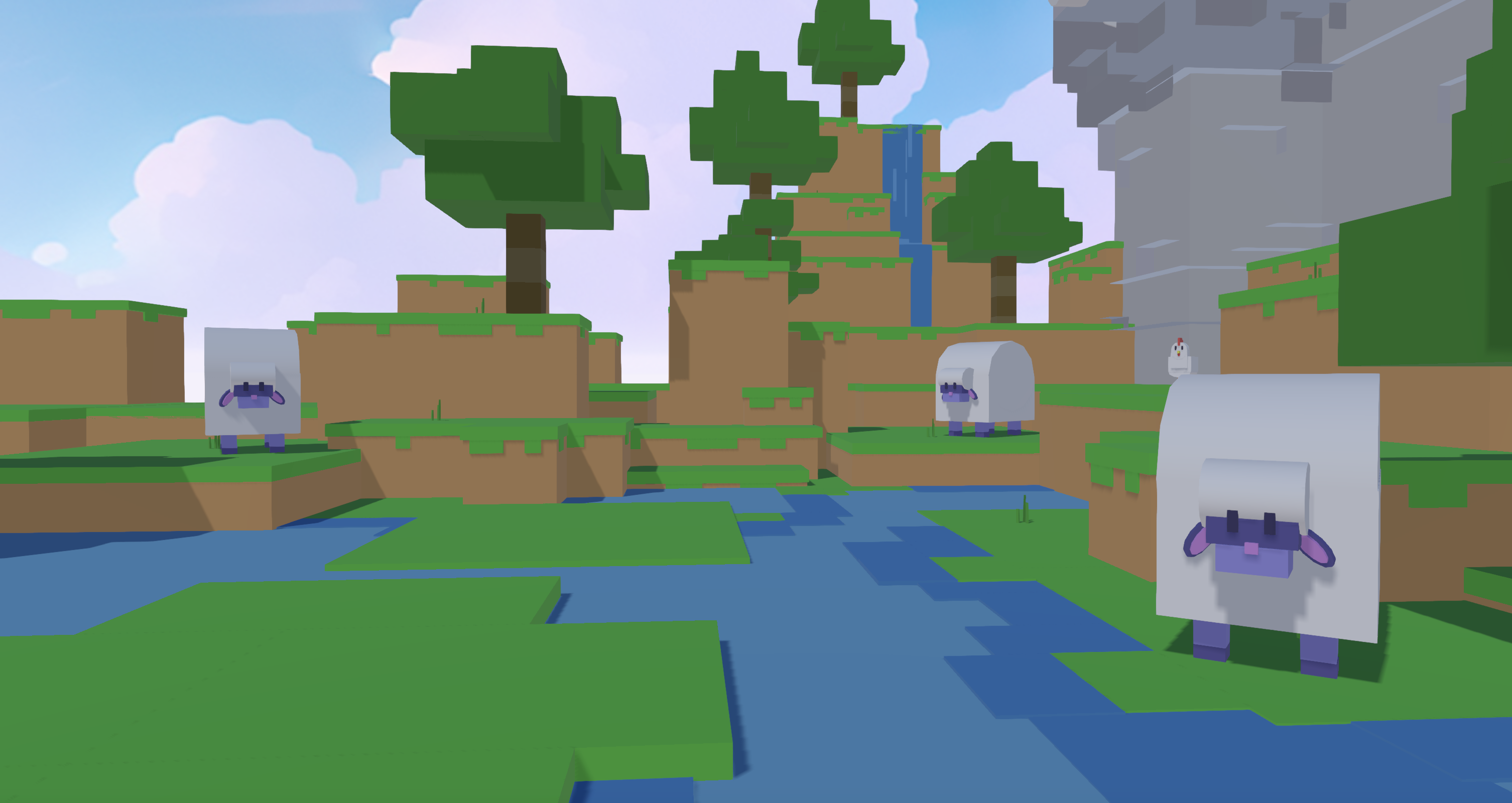
Experience the game-engine-first approach yourself. Build, export, and play for free.
Frequently Asked Questions
Can I use Astrocade to make Roblox games?
Astrocade generates casual, browser-playable games from text prompts. It is not designed for Roblox-specific export and does not include a LOD system for meeting the Roblox polygon limits mentioned earlier. If your goal is to create assets or worlds for Roblox, a tool with built-in Roblox optimization and direct export, such as Nilo, fits that workflow better.
What is vibe coding and how does it work in game creation?
As explained in the capability breakdown above, vibe coding lets you describe game behavior in plain language and see working code appear instantly. You see the result in your 3D world in real time. In Nilo, you can also open the code and tweak variables directly, for example changing “speed = 2” to “speed = 20”, so you learn real programming concepts while you create.
Do I need to know how to use Blender to create Roblox assets with AI tools?
With most AI asset tools, yes. Raw generated models often need the same cleanup steps described earlier before they are Roblox-ready. Nilo’s built-in LOD system and real-time retopology handle that work automatically, so you can generate, optimize, rig, and export without opening Blender at all.
Is Nilo free to use?
Yes. Nilo’s Starter tier is free and includes 1,000 Nilo Bits per month, which you use for AI generation and export. Many core building features do not use Bits. You can also earn more Bits through Nilo Rewards by referring friends and building within the community.
Can I build with friends in Nilo?
Yes. Nilo supports real-time multiplayer creation. You share a link and anyone can join your world and build alongside you on desktop or mobile. No plugin or installation is needed.
Conclusion: Matching the Tool to What You Want to Build
Astrocade is a capable, free prompt-to-game platform that gets you from idea to playable experience fast. It works well for casual games where you want instant results and broad social distribution. Its limits show up when you need precise control over assets, Roblox-compatible exports, or real-time collaboration with friends.
Nilo stands out when you want to stay inside a hands-on 3D environment. You can generate assets, vibe code game logic, prepare content for Roblox, and build with friends, all in your browser without touching Blender.
The right choice depends on what you want from the experience. If text-only generation and instant publishing match your goal, Astrocade is worth exploring. If you want a live 3D environment where you control every element and export clean, Roblox-ready assets, Nilo is built around that workflow.
Start building and playing in Nilo’s open beta. Create your world, invite friends, and see what you can ship from your browser.