Written by: Nuno Leiria, Founder & CEO @ Nilo | Last updated: July 30, 2026
Key Takeaways for You as a Builder
- Vibe coding lets you describe game mechanics in plain language while AI generates the code, so you stay in control instead of waiting for full regeneration.
- Inside a real engine, vibe coding gives you instant 3D feedback, so you can tweak, playtest, and iterate without breaking the rest of your world.
- Nilo’s workflow combines AI asset generation, one-click rigging, natural-language scripting, and automatic LOD optimization so you stay focused on creativity, not cleanup.
- Real-time multiplayer creation and direct Roblox export remove traditional barriers, so you and your friends can collaborate instantly and move assets straight into Roblox Studio.
- Ready to start vibe coding? Try Nilo’s browser-based engine and build with friends today, and join the open beta.
How Karpathy’s Vibe Coding Idea Turned Into a Game-Building Workflow
On February 2, 2025, Andrej Karpathy posted on X: “There's a new kind of coding I call 'vibe coding', where you fully give in to the vibes, embrace exponentials, and forget that the code even exists.” Karpathy is a co-founder of OpenAI and former director of AI at Tesla. That single post spread fast, and within weeks the term appeared in Y Combinator pitches, on Replit's landing page, and in Cursor's product copy.
Karpathy later clarified that vibe coding fits throwaway weekend projects, not production systems. If you want to make obbies, roleplay (RP) worlds, and mini-games instead of enterprise software, that distinction matters less. You still get a powerful idea: describe your intent, let AI handle the syntax, and stay focused on the world you are actually building.
Google Cloud frames the workflow as a repeating loop: describe the goal in plain language, let AI generate code, run it and observe, give feedback, then repeat. That loop feels especially natural when you work inside a game engine that gives you real-time visual feedback in 3D.
Why Vibe Coding Inside a Game Engine Feels Different
Vibe coding inside a game engine works very differently from using a prompt-to-game tool. Prompt-to-game tools like Rosebud AI, Bitmagic, or Spawn generate a game from a single text prompt. You get something playable, but when you change one thing, another breaks, and you wait for the AI to regenerate the whole project. You sit back while the AI does everything.
Inside a real game engine, vibe coding keeps you in the 3D world. You describe a mechanic such as “make this platform move up and down” and the AI writes the code. You see it happen immediately. You tweak, you playtest, and you iterate. AI acts as your co-pilot instead of your replacement. In 2026, the dominant trend in AI-assisted game development follows this hybrid approach: AI-generated scaffolding combined with hands-on building and human-tuned gameplay.

This engine-first approach helps you keep creative control. You are not hoping the AI lottery produces something close to your vision. You build the world yourself while AI handles the parts that used to require a dedicated scripter.
Step-by-Step: Nilo’s Natural-Language Workflow for Your 3D Worlds
Nilo stands out for its engine-first approach to vibe coding. It runs in your browser, with no downloads or installs, and works on desktop and mobile. Here is how your workflow can run from idea to Roblox-ready assets:
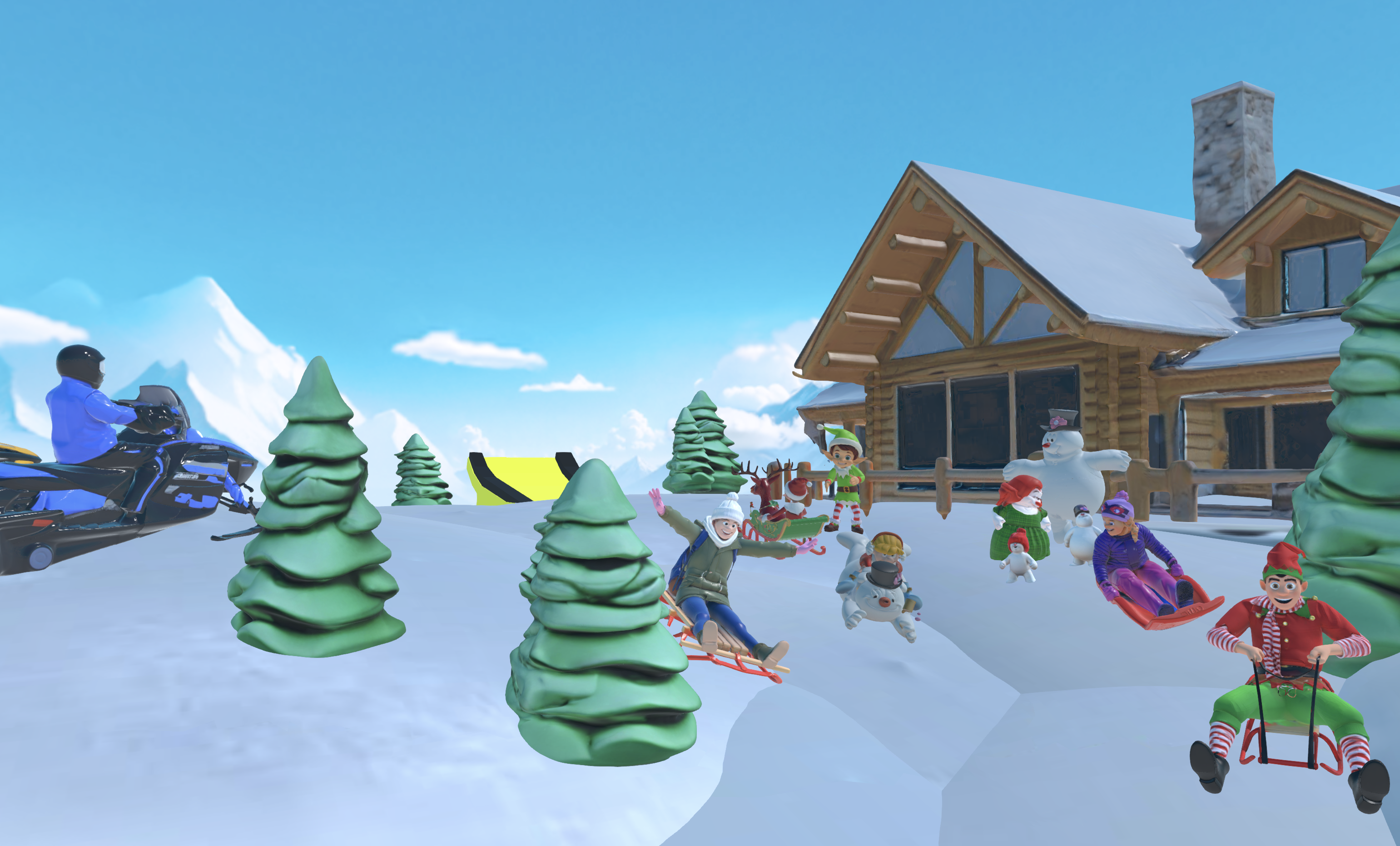
- Generate your assets. Type a text prompt, draw a sketch, or upload an image. Nilo’s AI generates a 3D model in seconds, including characters, props, and environments. Multiple AI model providers (Meshy, Tripo, Cartwheel, and others) run behind one interface, so you get solid results without switching tools.
- Handle optimization automatically. Nilo’s level of detail (LOD) system is a real-time tool that adjusts polygon counts on the fly. It handles Roblox’s strict 10K–20K polygon caps automatically, so you avoid manual retopology in Blender.
- Rig and animate with one click. Rigging, which connects a skeleton to a 3D model so it can move, usually takes days in professional tools. In Nilo, you click once to rig. Then you type what you want the character to do and AI generates the animation.
- Vibe code your mechanics. Open Nilo’s built-in code editor and describe what you want by typing, speaking, or sending an image, in any language. The AI writes working code and you see the result instantly in your 3D world. If you want more control, you can inspect the actual code variables and change them directly, such as switching “speed = 2” to “speed = 20.” It feels similar to right-clicking “View Source” on a webpage, but for game mechanics.
- Playtest and share. Share a link so friends can jump in to build or play with you in real time on desktop or mobile. No one needs to install anything.
- Export to Roblox. One click exports your assets as Roblox-ready files (.fbx, .glb, or .stl). The files arrive optimized and ready to import into Roblox Studio.
In Nilo’s February 2026 survey, 72% of builders said Nilo makes their creative process easier “by a lot,” and 93% said they would recommend it to a friend.
Vibe Coding vs. AI-Assisted Engineering: Matching Tools to Your Goals
You need to understand where vibe coding fits relative to other AI-assisted approaches so you can choose the right setup for the game you want to build. The table below compares four approaches on creative control, iteration speed, 3D feedback, and Roblox export, which are the areas that shape your day-to-day building experience.
| Criteria | Vibe Coding in Nilo | Pure Prompt-to-Game Tools | Traditional Scripting | AI-Assisted Engineering |
|---|---|---|---|---|
| Creative control | High, you build hands-on inside the world | Low, AI generates the whole game | High, but requires coding knowledge | High, but requires engineering skills |
| Iteration speed | Fast, real-time visual feedback in 3D | Slow, regenerate and wait | Slow, write, test, and debug manually | Moderate, experienced developers using AI were 19% slower on mature codebases |
| 3D visual feedback | Instant, changes appear live in your world | Delayed, full regeneration required | Requires a manual build and run cycle | Depends on engine setup |
| Roblox export | One-click, LOD-optimized export | Typically not supported | Manual export and optimization | Manual export and optimization |
AI-assisted engineering, where a professional developer reviews every line of AI-generated code, validates architecture, and runs tests, fits production software. For obbies, RP worlds, and mini-games, that level of overhead slows you down. Vibe coding inside a real engine gives you speed and control without forcing you to become a software engineer first.
Real Example: Build an Obby Fast with Live 3D Feedback and Roblox Export
An obby, or obstacle course, is one of the most popular game types on Roblox. To see how this workflow feels in practice, walk through a simple build from blank canvas to Roblox export.
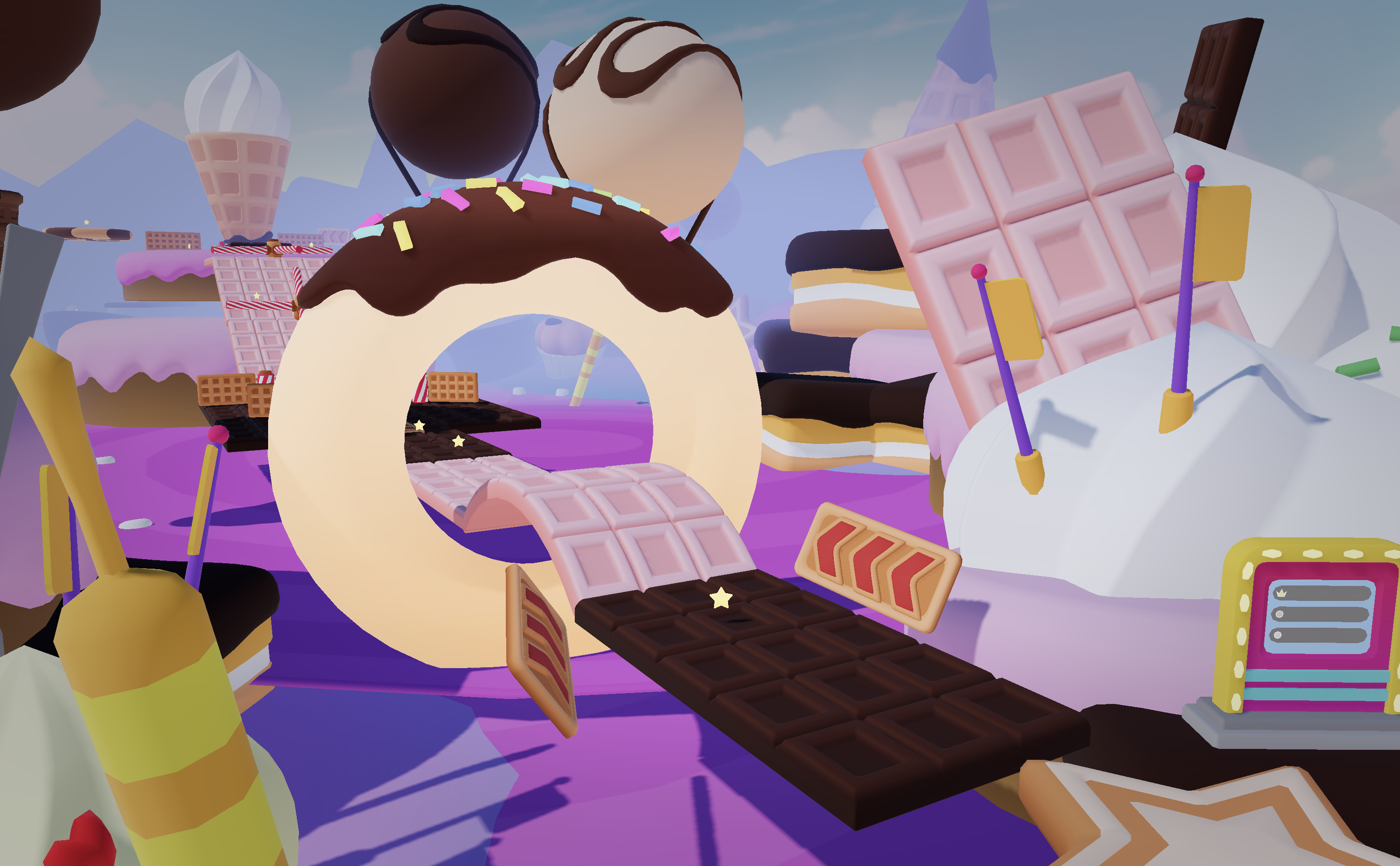
You open Nilo in your browser with no install. You use the radial menu to place platforms and generate props with text prompts. You type into the code editor: “make this platform disappear after the player stands on it for two seconds.” The AI writes the code and you see it work immediately in your world. You playtest, decide the timing feels off, and type “make it three seconds instead.” The change applies right away. You invite a friend via link to jump in and test it with you. When it feels ready, you export directly to Roblox Studio with polygon counts already optimized, so you skip Blender cleanup.
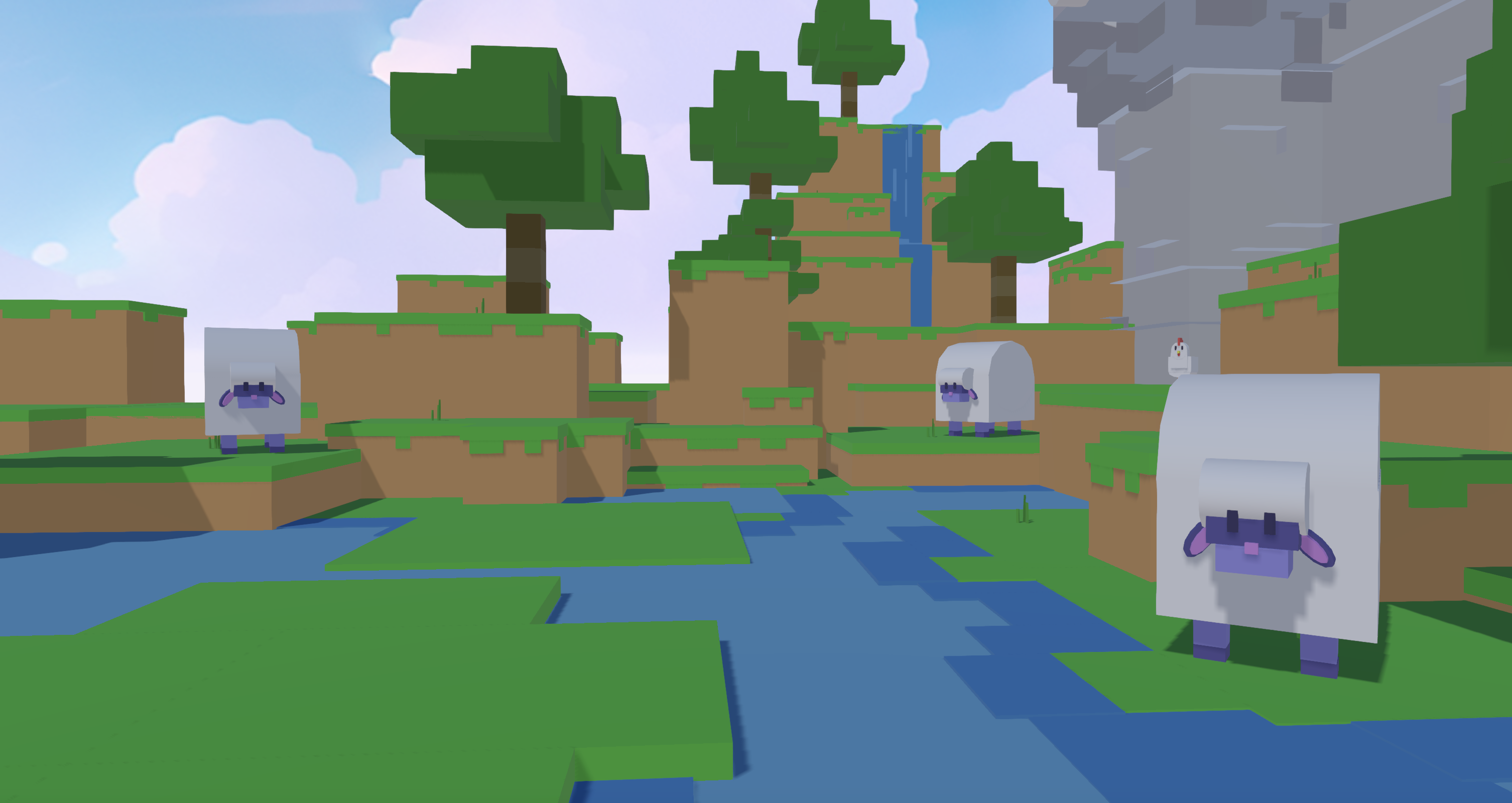
As one builder put it in Nilo's February 2026 survey: “I like how it feels like a good game engine rather than a vibe coding tool, with easy building and a good focus on being able to export and import content.”
What Builders Say About Vibe Coding and the AI Lottery
The builder community has strong opinions about vibe coding. On Reddit and Discord, you will see both fans of the speed and freedom and builders who feel burned by unpredictable AI output.
Many frustrations come from asset quality and fragile projects. AI-generated assets from tools like Meshy can come out with geometric defects, asymmetry, or a “melted” look that demands hours of Blender cleanup. Prompt-to-game tools can generate something that looks promising, then fall apart when you try to change anything. Some builders call this the “AI lottery” because you never know what you are going to get.
The “drunk uncle coding” criticism, which says vibe coding produces messy, unreliable code, applies most directly to tools where you cannot see what is being generated and cannot intervene. In 2026, the builders who get the most out of AI-assisted game creation combine generated scaffolding with hands-on building instead of waiting for a complete game to appear.
Nilo builders in the February 2026 survey described a different experience: “You made me enjoy vibe-coding. The code assistance works almost flawlessly, other experiences have just been frustrating at best.”
Common Vibe-Coding Complaints and How Nilo Handles Them
Many vibe coding tools share the same pain points. Nilo’s engine-first design tries to reduce those problems so you can stay focused on your ideas.
- “The AI output is messy and needs cleanup.” Nilo’s LOD system handles real-time retopology automatically, which means the system cleans up mesh geometry and reduces polygon counts on the fly. This produces models that are Roblox-ready from the start, with clean topology, optimized polygon counts, and no manual Blender work required.
- “I can’t tell what the AI is doing.” Nilo’s code editor shows you the actual code. You can read it, change variables directly, and learn real programming concepts while you build. The system does not act like a black box.
- “One change breaks everything else.” As mentioned earlier, Nilo is a real game engine with C++ physics compiled to run in the browser via WebAssembly, so the underlying systems stay stable. You are not regenerating the whole game every time you tweak a mechanic.
- “I can’t export to Roblox without extra steps.” Nilo exports directly to Roblox-compatible formats with automatic LOD optimization. The polygon caps Roblox enforces, usually 10K–20K, are handled for you.
- “Creating alone is boring and I lose motivation.” Nilo supports real-time multiplayer creation. You share a link and build with friends on desktop or mobile, and nobody needs to install anything.
How to Evaluate Any Vibe-Coding Tool Before You Commit
If you are comparing vibe coding tools for game creation, you can use a short checklist to see whether a platform fits how you like to build.
- Check for a real game engine underneath. Tools like Rosebud AI and Bitmagic generate games from prompts but do not include a full engine. Look for physics simulation, collision detection, and real-time feedback that works without regenerating everything.
- Confirm that you can see and edit the code. If you cannot inspect what the AI wrote, you cannot learn from it or fix it when something goes wrong. A solid vibe coding tool shows you the code and lets you tinker.
- Review how it handles 3D asset quality. Check whether the tool produces clean topology or forces Blender cleanup. If you build for Roblox, confirm that it meets Roblox’s polygon caps automatically.
- Understand the export story. Export compatibility, who owns the output, and where it can go, is a key evaluation criterion in 2026. Make sure you can export to standard formats such as FBX, OBJ, and glTF, and that the files work in Roblox Studio, Unity, or wherever you plan to build.
- Look for social features. Building alone is one of the main reasons creators burn out. Real-time multiplayer creation and easy sharing via link help you stay motivated.
- See whether it runs in the browser. No-install tools remove a major barrier, especially if you build on school hardware or share with friends who do not have gaming PCs.
Frequently Asked Questions
Is vibe coding just AI doing everything for you?
Vibe coding keeps you in charge of the creative direction while AI handles the scripting. You describe what you want in plain language and AI generates the code, but you still make creative decisions, playtest, and iterate. The strongest vibe coding workflows keep you hands-on inside the world. In Nilo, you build, tweak, and play in real time while AI takes care of syntax.
Do I need to know how to code to vibe code in Nilo?
You do not need coding knowledge to get started. You describe what you want in text, voice, or even by sending an image, and Nilo's AI generates working code with real-time visual feedback in your 3D world. If you want to go deeper, you can look at the actual code variables and change them directly. This makes Nilo a practical way to start learning real programming concepts without understanding everything upfront.
How is Nilo different from other vibe coding tools like Rosebud AI?
Rosebud AI focuses on code generation but does not include a full game engine. Nilo works as a game engine first, built on C++ physics, compiled to run in the browser using WebAssembly, with WebGPU graphics. Physics, collisions, and real-time feedback all work properly without regenerating the whole game every time you make a change. Nilo also includes a full asset pipeline with AI text-to-3D generation, one-click rigging, AI animation, and one-click Roblox export with automatic LOD optimization. The platform is social as well, so you can share a link and build with friends in real time.
Can I actually export what I build in Nilo to Roblox?
You can export your work from Nilo to Roblox using standard 3D formats such as FBX, OBJ, STL, and glTF. The files are optimized to meet Roblox's polygon caps, usually 10K–20K triangles, automatically. You do not need to run your models through Blender or manually reduce polygon counts. You click export, download the file, and import it into Roblox Studio. Nilo also works with Unity, Unreal Engine, VRChat, and Blender if you want to continue your work in other tools.
What kinds of games can I build with vibe coding in Nilo?
Nilo works well for obbies, RP worlds, tycoons, mini-games, showcases, and hangout worlds, which match the most popular experience types on Roblox. You can generate characters, props, weapons, and environments, then rig and animate them, vibe code the game mechanics, and publish or export when you feel ready. Nilo currently focuses on asset creation and world building done right, with full game creation and publishing features on the way.
Ready to Start Vibe Coding? Build in Your Browser with Friends
Scripting does not have to be the wall that stops you from making the game in your head. Vibe coding inside a real game engine keeps you in creative flow, describing mechanics in plain language, seeing them work instantly in 3D, and iterating fast without waiting for a scripter or fighting with Blender.
Nilo stands out for builders who want that experience. You get a browser-based game engine with AI-powered asset generation, one-click rigging and animation, natural language coding with real-time 3D feedback, and direct Roblox export. You skip downloads and installs, and you can share a link so your friends build or play with you right away.
Builders in the survey captured this experience: “There are no limits on what you can create — just type, draw or add in an image and you can generate, rig, customise and place a fully 3D model within minutes.” Another builder said: “A good spread of features. Feeling like a proper engine unlike others banking on AI where creator freedom just doesn't exist. This is where the future of AI is in gaming.”