Key Takeaways for Aspiring Roblox Builders
- Traditional sketch-to-3D workflows force you to spend hours on retopology and cleanup in tools like Blender before assets work in Roblox.
- New AI-assisted, browser-based sketch-to-3D platforms let you build without installs, downloads, or heavy desktop software.
- For Roblox, you need sketch input, automatic retopology, one-click rigging, and export to FBX, OBJ, STL, and glTF.
- Nilo stands out by keeping models within Roblox’s triangle limits automatically and letting you collaborate with friends in real time.
- Ready to skip retopology and create Roblox-ready assets fast? Start building in Nilo’s open beta and see how far you can push your ideas.
Why Traditional Workflows Kill Your Momentum
The traditional path from sketch to game asset feels brutal when you are just trying to build something cool. Traditional game-asset creation follows a nine-step manual workflow, including concept gathering, high-poly sculpting, retopology, UV mapping, baking, texturing, rigging, animation, and engine integration. Each step takes time and focus in desktop tools like Blender or ZBrush.
Retopology, which means rebuilding a mesh so it is clean, low-polygon, and usable in a game engine, can eat 30 minutes or more per asset. Designing one 3D element can take several hours for basic objects and months for complex, high-quality models. One builder in Nilo’s February 2026 survey put it simply: “Picture yourself, frustrated because you spent the last 5 hours 3D modeling a shipping container.”
When creation feels like that, you probably stop. Projects get abandoned. The excitement that started with a sketch disappears somewhere between Blender and Roblox Studio import errors. That is not a skill problem. That is a tool problem.
The New Category: AI-Assisted Browser-Based Sketch-to-3D Tools
You can now skip most of that manual cleanup and go straight from sketch to game-ready asset. A new category of tools sits between professional desktop software and generic AI generators. These AI-assisted, browser-based sketch-to-3D platforms follow a simple idea: creation should feel like play, not work.
Here is how this category works together as a full experience:
- Accessibility: No installation, no downloads. You open a browser and start building. This browser-first setup makes the next part possible.
- Collaboration: You build with friends in real time by sharing a link, without file transfers or version conflicts.
- Sketch-first input: You draw in 2D, refine with AI, and then move the result into a 3D world. The AI handles the heavy lifting behind the scenes.
- Automatic optimization: The tool cleans topology and keeps polycounts Roblox-compliant, so you avoid manual cleanup.
- Portability: You export to standard formats like FBX, OBJ, and glTF and then use them in Roblox Studio, Unity, Blender, and more.
This approach differs from CAD tools like Fusion 360 or SolidWorks, which focus on precise geometry for manufacturing, not fast game-asset iteration. It also differs from generic AI mesh generators like Meshy, which help with quick prototypes but often still need cleanup or retopology before you can drop assets into a game engine.
Key Capabilities You Need for Roblox
You should pick sketch-to-3D tools that match how you actually build for Roblox. Focus on these capabilities.
Sketch Input and Multimodal Generation for Fast Ideas
You want a tool that accepts drawings, images, and text prompts. Nilo stands out here with a sketch-to-3D pipeline where you draw in 2D, tweak the look with AI, and then bring the result into a 3D world. You can adjust colors, remove backgrounds, and change style before you generate the model.
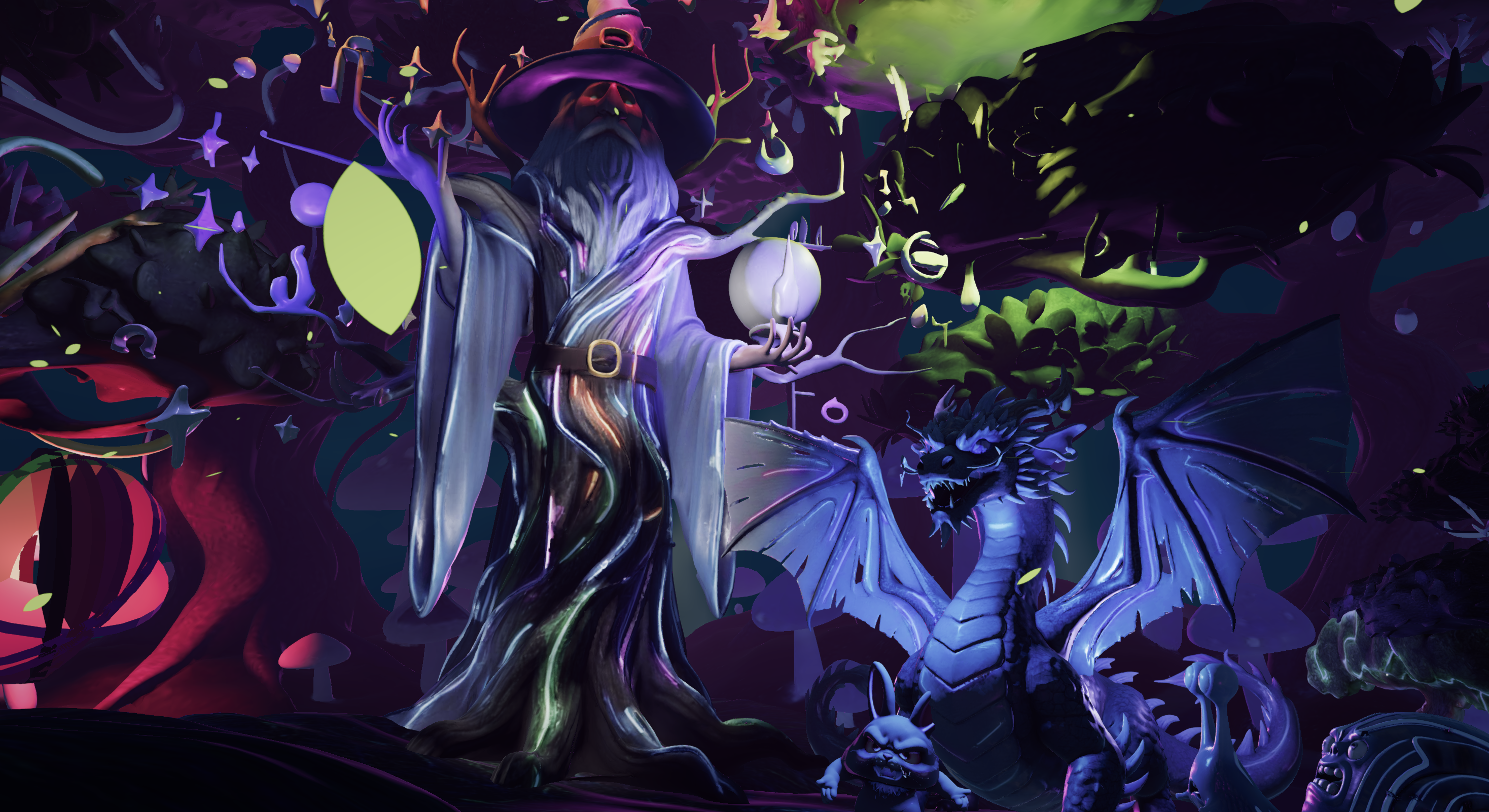
This setup lets you create 3D characters, weapons, and detailed props in seconds from a sketch or a short prompt. You stay focused on your idea instead of wrestling with menus.
Automatic Retopology and Roblox-Friendly Polycounts
Most generic AI outputs exceed Roblox’s triangle caps without manual reduction. Nilo’s real-time LOD (level of detail) system handles this for you by adjusting polygon counts on the fly. The system keeps models within the Roblox limits mentioned earlier and prepares them for Roblox Studio without extra work.
You export, drop the asset into your game, and move on. No Blender cleanup, no separate decimation step.
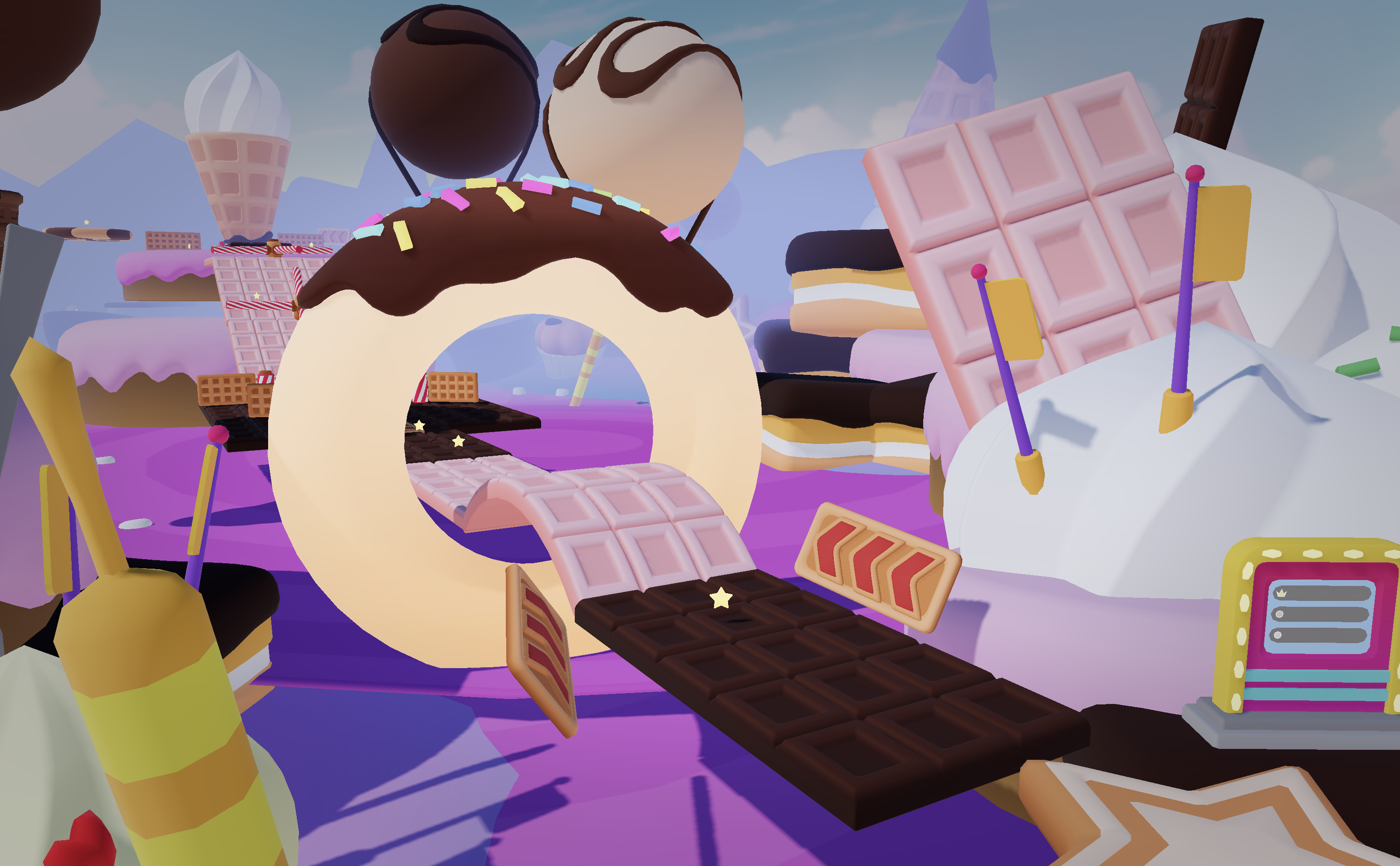
One-Click Rigging and Text-Based Animation
Rigging usually takes days in professional tools because you have to place bones, weight vertices, and test movement. Nilo compresses that into a single click so you can rig and move on.
Animation generation works from a text description. You type what you want a character to do, and Nilo generates the motion. The system supports Mixamo compatibility and text-to-motion through Nilo’s Uthana partnership, so you can mix existing workflows with new ones.
Direct Export to the Tools You Already Use
You should look for FBX, OBJ, STL, and glTF export. Nilo supports all four formats, which keeps your assets compatible with Roblox, Unity, Unreal Engine, Blender, and VRChat.
Here is how these capabilities compare across different approaches. Notice how Nilo combines AI speed with the kind of control you usually only get from manual work.
| Capability | Nilo | Meshy (standalone) | Blender (manual) |
|---|---|---|---|
| Sketch/image input | Yes, draw, image, or text | Yes, image-to-3D | Reference only, manual modeling |
| Auto retopology for Roblox | Yes, real-time LOD slider | Partial, Remesh step required | Manual, hours of work |
| One-click rigging | Yes | No | Manual setup required |
| Browser-based | Yes, no install | Yes | No, desktop install required |
| Roblox polycount compliance | Automatic | Manual setting required | Manual, you must manage |
Nilo’s model-agnostic AI layer connects multiple providers, including Meshy, Tripo, Nano Banana, Cartwheel, and Uthana, behind one interface. You stay in one place while the system picks the right model for the job. As one builder said in Nilo’s February 2026 survey, “You can work 20 times faster than you usually work on models.”
Ready to stop fighting polycounts and start building? Try Nilo’s automatic optimization and see how fast you can go from sketch to Roblox-ready asset.
How to Evaluate Tools for Your Workflow
You should compare sketch-to-3D tools using criteria that match how you build, share, and learn.
- Onboarding speed: Aim to generate your first asset in under five minutes without a tutorial. Tools that need long setup time kill momentum before you even start. Once you are generating assets, quality becomes the next filter.
- Output quality: Check whether the mesh has clean topology or looks melted and asymmetric. See if the tool needs a separate remesh step before export. Clean output only matters if you can actually use it in your engine.
- Export compatibility: Confirm that exports like FBX or GLB import cleanly into Roblox Studio without pivot errors, missing collision masks, or color loss. Even compatible exports fail if they break platform limits.
- Polycount compliance: Look for tools that stay within Roblox’s triangle caps automatically so you do not manage that by hand. After you cover the technical side, think about how you like to create.
- Collaboration: Decide whether you want to build with a friend in real time or work solo. Real-time collaboration keeps projects alive when you share ideas quickly.
- Learning value: Prefer tools that teach real concepts like rigging, polygons, and mesh topology through the interface instead of hiding everything in a black box.
Tools like Sloyd and Lemonade.gg help you generate assets inside specific ecosystems but stop short of a full pipeline from sketch through rigging, animation, and optimized export. Roblox Studio gives you deep power, but it needs installation, desktop hardware, and scripting knowledge before anything feels interactive. Blender gives you full control, yet beginners often spend far longer than experienced artists on a first game-ready character because they must handle the entire workflow themselves.
The “Iron Man, not Wall-E” idea fits here. The right tool gives you superpowers and keeps you in control instead of letting AI do everything and leaving you with results you cannot adjust.
Real Builder Journeys in Nilo
These examples show how the criteria above play out when you actually build.
First-time creator: You have never used a 3D tool before. You sketch a sword on paper, take a photo, and upload it to Nilo. Within seconds you see a 3D model. You move the LOD slider to adjust polycount, rig it with one click, and export to Roblox Studio. Total time stays under five minutes. One builder summed it up: “I do not have to spend hours on 3D modeling the simplest things. Now I can use Nilo and do it in 15 seconds.”
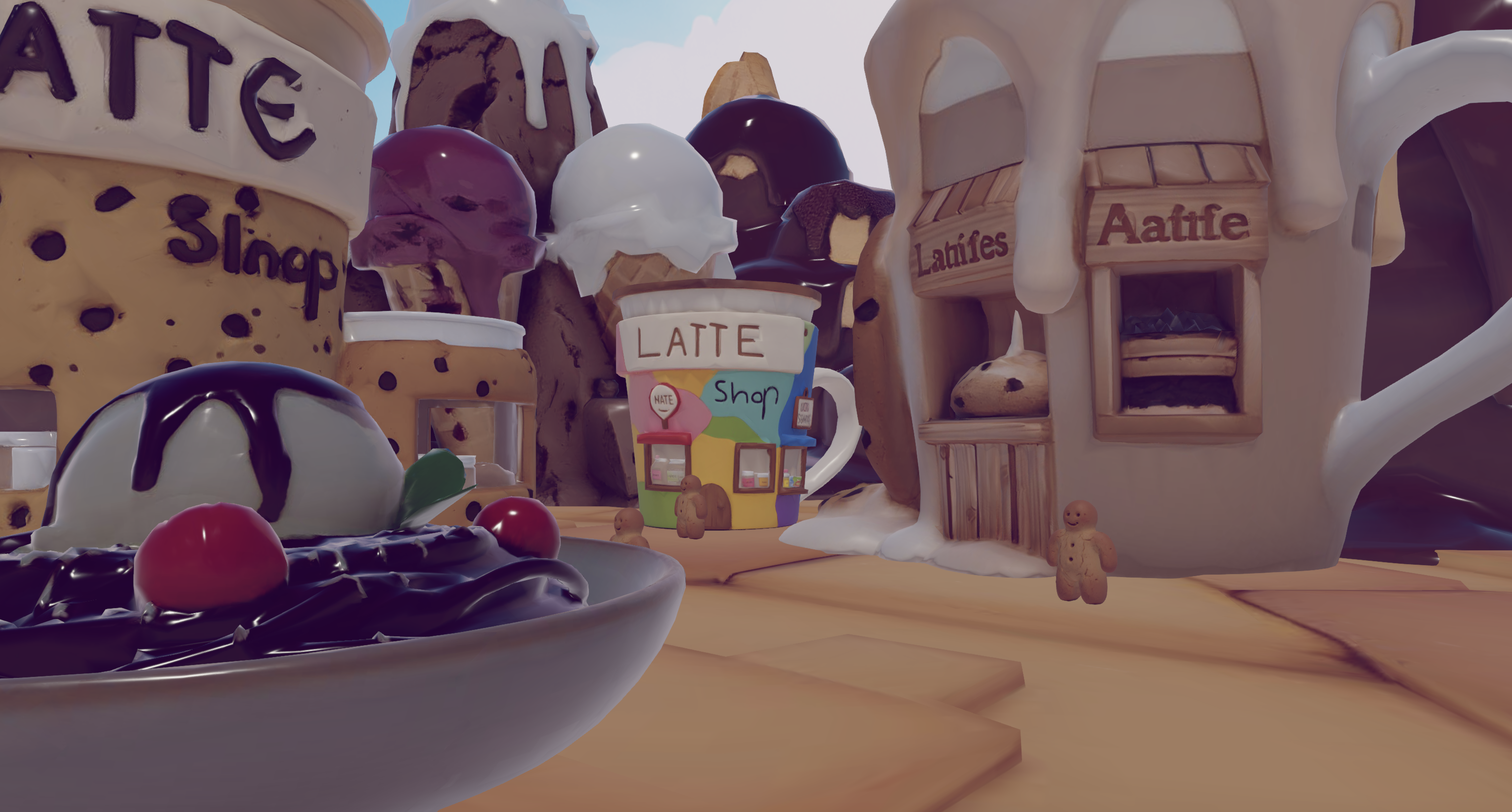
Roblox-focused builder: You already build in Roblox Studio but keep hitting triangle caps with assets from other AI tools. You bring your sketches into Nilo, use the real-time LOD system to stay within limits automatically, and export clean FBX files that import without errors. You skip the Meshy to Blender to Roblox chain and stay in one flow.
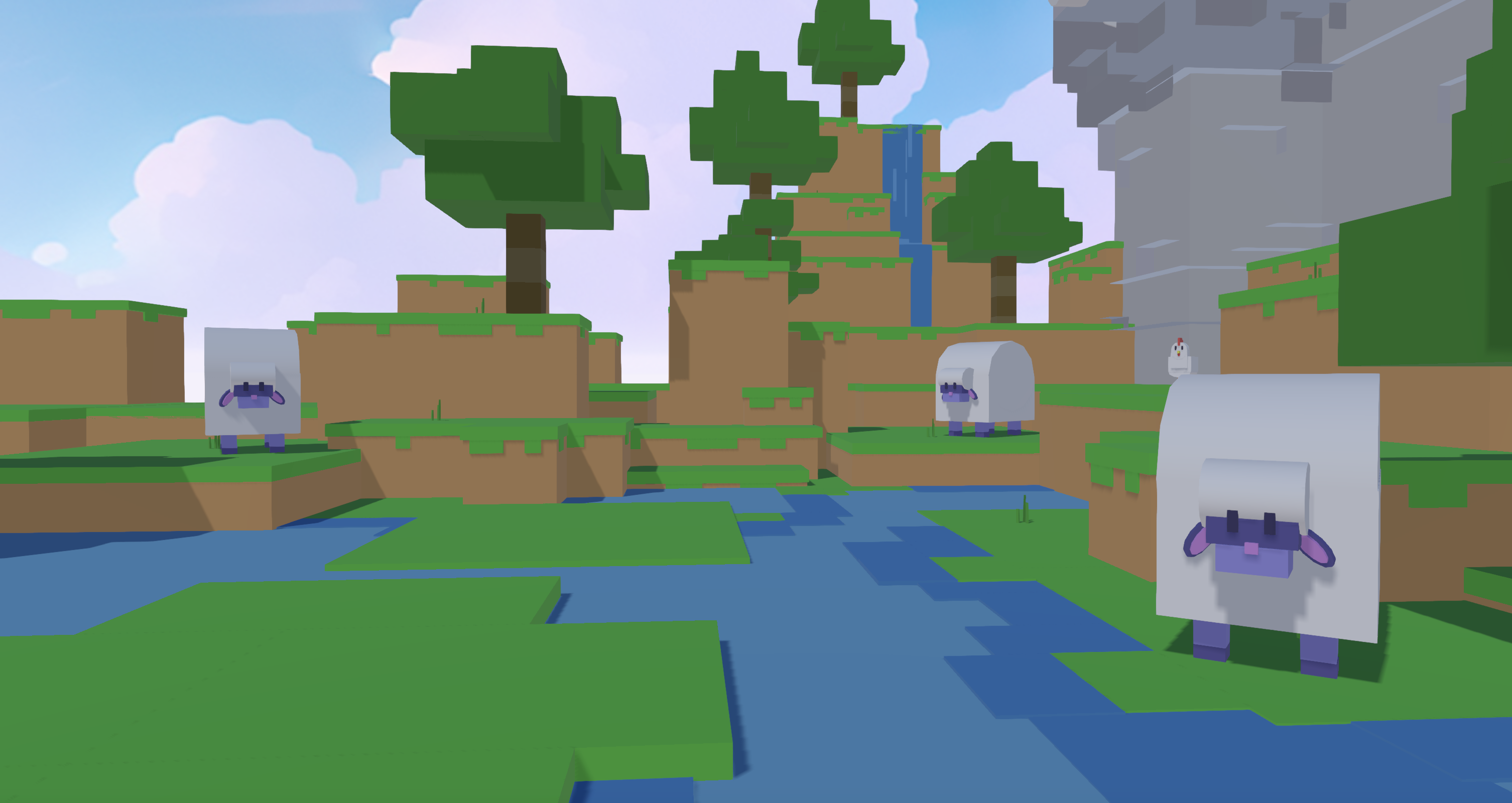
Collaborative team: You and a friend want to build a themed environment together. You share a Nilo link and both of you enter the same 3D world in real time. You generate assets, place props, and playtest together. You avoid scheduling issues, file transfers, and version conflicts, so creation feels like hanging out and playing.
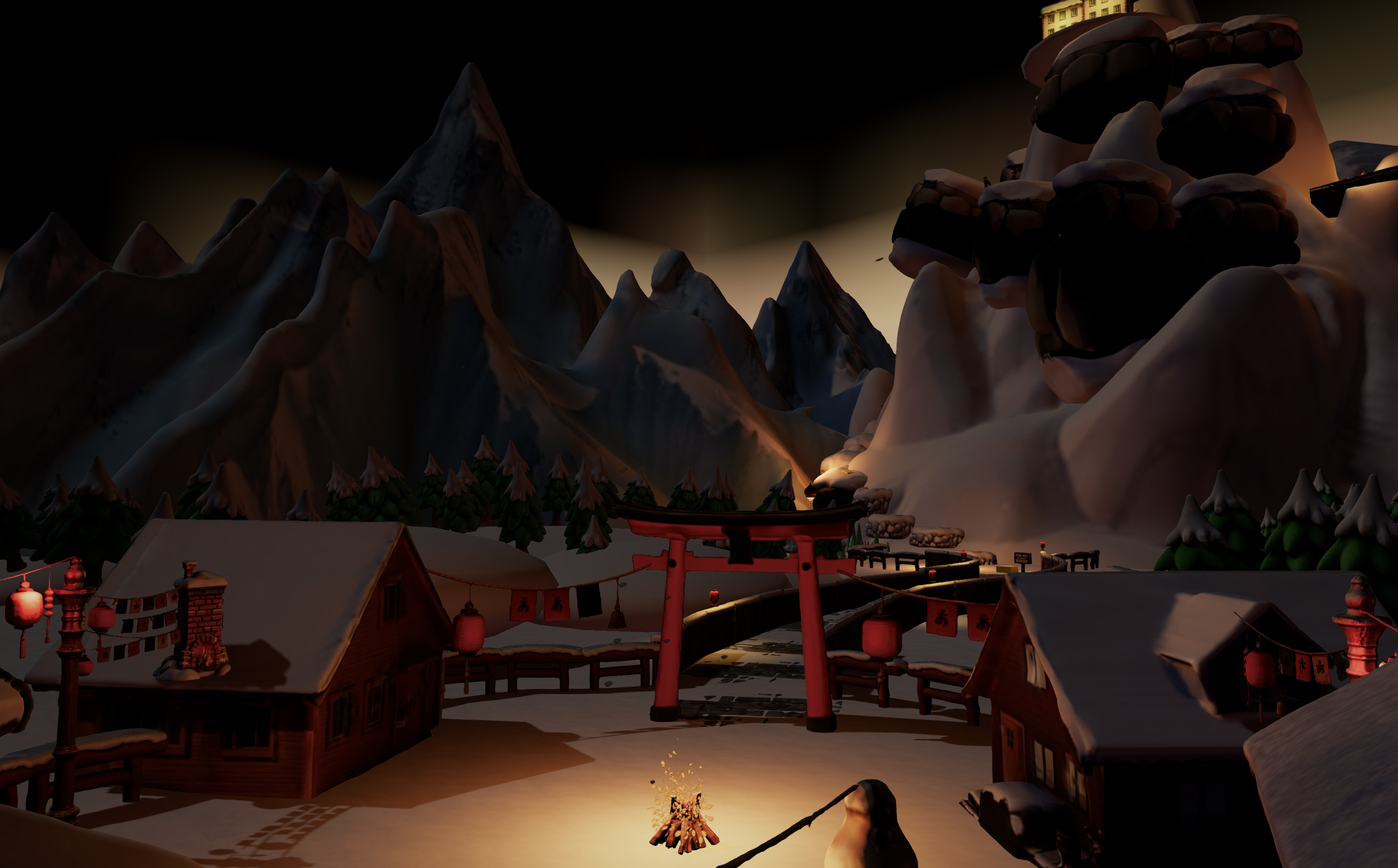
In Nilo’s February 2026 survey, 93% of builders said they would recommend Nilo to a friend, and 82% rated their experience as “Awesome” or “Good.” Backed by Supercell, the studio behind Clash of Clans and Brawl Stars, Nilo is shaped by people who care about making tools that feel genuinely fun.
Start building with friends in Nilo and share a link to create together in real time.
Frequently Asked Questions
How Sketch-to-CAD Differs from Sketch-to-3D Mesh
Sketch-to-CAD tools like Fusion 360 or SolidWorks convert drawings into precise parametric geometry with exact dimensions and editable features. These tools focus on manufacturing and engineering. Sketch-to-3D mesh generation uses AI to estimate geometry from a drawing and produce a polygon mesh.
The mesh approach works much faster and fits game assets better, but output quality can vary. Many generic AI mesh generators create irregular topology that needs cleanup before it works in a game engine. Nilo’s approach adds automatic retopology and Roblox-focused optimization on top of generation so the output starts game-ready.
Whether You Still Need Blender for Roblox Cleanup
With most AI generators, you still need Blender to fix topology and reduce polycounts before importing into Roblox. Nilo is built to remove that step. Its real-time LOD system adjusts polygon counts automatically to stay within Roblox’s triangle caps, and the generated topology is clean enough for direct export.
You can still open Blender for advanced tweaks if you want, but you do not have to.
Using Nilo with Zero 3D Experience
You can use Nilo even if you have never made a 3D model. Nilo accepts sketches, images, and text prompts, so you do not need prior modeling skills. The interface introduces concepts like rigging, polygons, and mesh topology through simple controls, while keeping every interaction accessible.
You can generate, rig, and export your first asset in minutes. Nilo is free to use in open beta, with 1,000 Nilo Bits per month on the Starter tier.
Export Formats and Roblox Studio Compatibility
Nilo exports FBX, OBJ, STL, and glTF files. All of these work with Roblox Studio. The exports follow Roblox performance requirements, so you can import them directly without extra steps.
Nilo also supports export to Unity, Unreal Engine, Blender, VRChat, and other platforms that accept standard 3D formats.
Using Nilo for Assets Today and Games Tomorrow
Right now, Nilo focuses on one thing done very well: helping you generate, optimize, rig, and export game-ready 3D assets without leaving your browser. You can also playtest assets inside Nilo worlds and build collaboratively with friends.
Full game creation and publishing features are on the roadmap. Today, Nilo gives you a fast path from sketch to Roblox-ready asset. Tomorrow, the same platform aims to support more of your full game pipeline.
Keep Building with Tools That Match Your Ideas
The gap between a sketch and a working Roblox asset no longer has to mean hours of Blender cleanup and retopology frustration. AI-assisted, browser-based sketch-to-3D platforms now let you move from drawing to Roblox-ready asset in seconds, with clean topology, automatic polycount handling, one-click rigging, and direct export.
When you compare options, look for tools that handle retopology for you, stay within Roblox’s polygon limits, support sketch and image input alongside text prompts, and let you collaborate live. Nilo stands out as a tool built around that exact workflow, with no installs and no daisy-chaining between apps.
Your creativity is the limit, not your current skillset. Start creating in Nilo and turn your sketches into game-ready assets today.