
Written by: Nuno Leiria, Founder & CEO @ Nilo
Key Takeaways
This guide shows you how to add multiplayer to Rosebud AI games, then compares that workflow to a native multiplayer platform like Nilo. Here is what you should keep in mind:
- Rosebud AI has no native multiplayer, so you need an external backend like Supabase and prompts that tell Rosie to generate sync code.
- The usual workflow includes remixing a template, setting environment variables, writing prompts, and testing across sessions. That often takes 45–120 minutes.
- Common problems include latency spikes, mismatched client states, and API key friction that makes collaboration harder.
- Nilo offers a native alternative with built-in real-time multiplayer, so you skip backend setup and start collaborating through a simple share link.
- Join Nilo’s open beta to start building and playing together instantly.
Step 1: Remix a Rosebud AI Multiplayer Template
You start by using Rosebud AI’s community multiplayer template as your base. Open Rosebud AI, search for a multiplayer template in the community gallery, and click Remix to copy it into your own project. This gives you a scaffold that already includes the hooks Rosie needs to wire up real-time features.
Time: 5–10 minutes.
Trade-off: Remixing is fast, but you inherit the template’s structure. Heavy customization, such as changing the game genre, player count, or core loop, often breaks the multiplayer hooks and forces you to re-prompt from scratch.
Step 2: Connect an External Backend with Environment Variables
Rosebud AI multiplayer usually depends on an external backend, most often Supabase, to store and sync game state across players. The backend acts as the source of truth. It receives updates from every player’s browser and sends the current world state back to all connected clients.
To connect one, start by creating a free account on Supabase or a similar service. After you log in, create a new project so the service can generate the unique API credentials your game will use. Copy the API URL and secret key from the project dashboard, then paste them into Rosebud AI’s environment variables panel so Rosie can reference them when generating sync code.
Time: 15–30 minutes, assuming no account issues or dashboard confusion.
Trade-off: Free tiers on these platforms work well for prototypes, but managing API keys creates real friction. Keys can expire, get exposed in shared projects, and need manual updates. When you share your Rosebud project with a friend, they cannot safely use your keys, so they need their own backend setup.
Step 3: Write Rosie Prompts That Sync Game State
After you connect the backend, you use Rosie, Rosebud AI’s built-in assistant, to generate the code that reads from and writes to your database. A typical prompt might say, “When a player moves, update their position in Supabase and broadcast it to all other players.” Rosie then generates JavaScript that calls your backend’s real-time subscription API.
Time: 20–60 minutes depending on game complexity and how many iterations Rosie needs.
Trade-off: Prompt quality matters a lot here. Vague prompts can produce code that syncs the wrong data or creates race conditions. Two players might update the same value at the same moment and break the game state. Getting clean sync logic usually takes several rounds of prompting, testing, and debugging.
Step 4: Test a Live Multiplayer Session
You test your setup by opening the published Rosebud game link in two separate browser tabs or by sharing it with a friend. Watch whether player positions, scores, and game events update correctly across both sessions. Use your browser’s developer console to catch errors from the backend connection.
Time: 10–30 minutes per test cycle.
Trade-off: Testing multiplayer always needs at least two active sessions, so you either coordinate with a friend or juggle two devices. Bugs at this stage often trace back to backend configuration instead of game logic, which makes them harder to diagnose without some coding knowledge.
Troubleshooting Rosebud AI Multiplayer Problems
Even when you follow the setup steps correctly, multiplayer sessions can still break in predictable ways. Three problems come up most often when you add multiplayer to Rosebud AI games:
- Latency spikes: If player positions jump or rubber-band, the backend is receiving updates too slowly. Production multiplayer servers typically run at 20–60 ticks per second to keep movement smooth. Free-tier database plans often throttle real-time subscriptions, which causes visible lag.
- Mismatched client states: Two players see different versions of the game world. This usually means the sync code writes state locally before confirming with the backend. Fixing this requires server-authoritative logic, where the backend decides what is true instead of each browser, and that logic is hard to prompt Rosie into generating reliably.
- Key-management friction: Supabase and InstantDB API keys are tied to your account, which creates a collaboration problem. When you want to share a project with friends, you face two bad options: share your credentials, which is a security risk, or ask everyone to set up their own backend, which is a setup burden. Rosebud AI has no native “invite a collaborator” flow that would solve this, so the friction stays.
These are not bugs in Rosebud AI. They are trade-offs that appear when you bolt an external backend onto a tool that was not built with multiplayer as a first-class feature. You can work around them with careful prompting and backend tuning, but that adds time to every iteration.
Try a Native Multiplayer Alternative
If backend setup keeps slowing you down, you can switch to a path that skips it entirely. Skip the backend setup and start building with Nilo’s open beta.
Native Multiplayer in Nilo vs External Backend Setup
Nilo is a browser-based, AI-native 3D game creation platform built on a custom game engine. Real-time collaborative creation lives directly inside the platform. You share a link, your friends click it, and you all enter the same world at the same time to build and play together. You avoid Supabase accounts, API keys, and sync-code prompts.
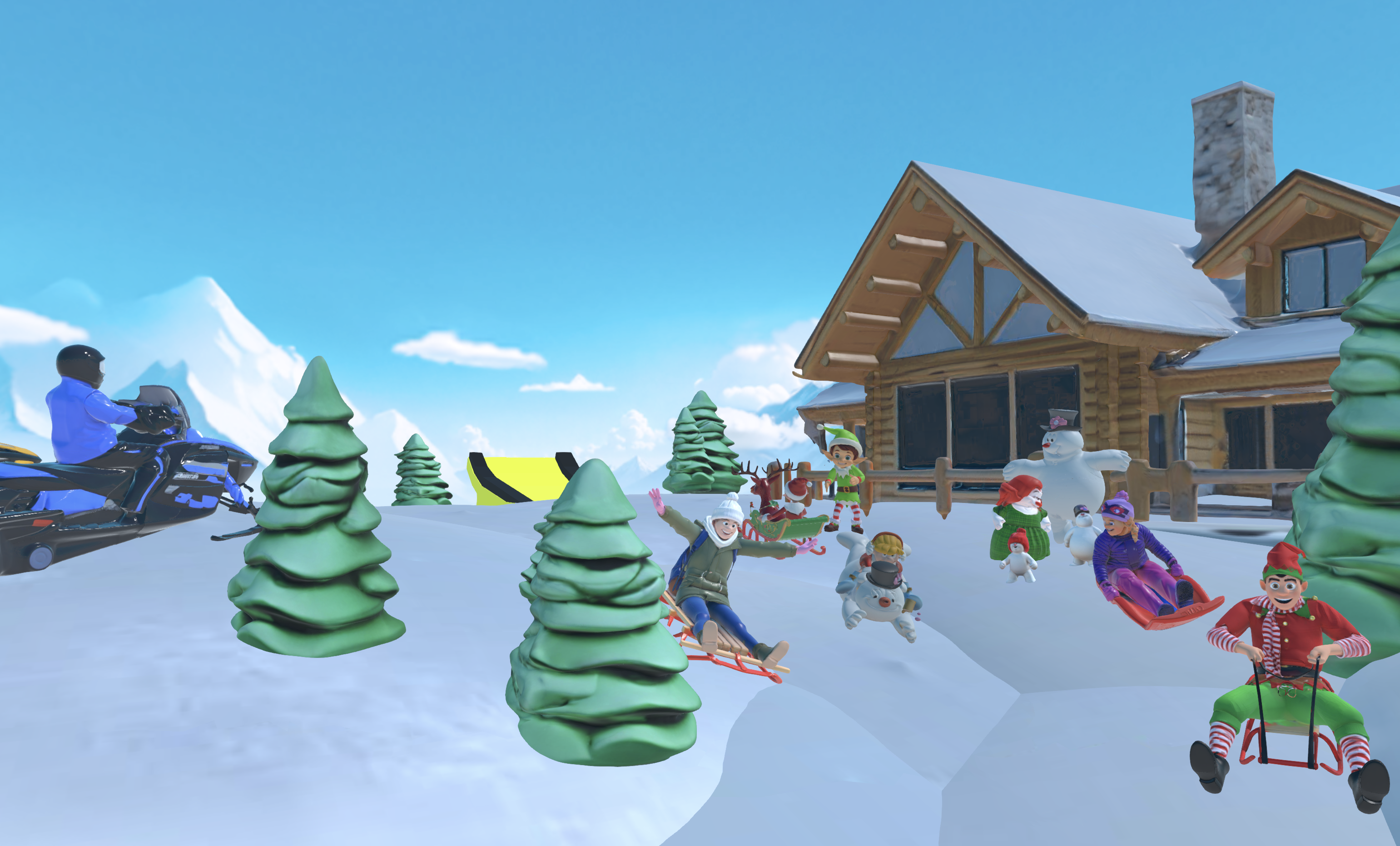
Nilo’s engine handles networking with a custom QUIC-based protocol compiled to WebAssembly in the browser. Multiplayer then feels like Roblox-style shared servers, except you never leave the browser and install nothing.

When you decide which approach fits your project, these four criteria highlight the core trade-offs between external backend setup and native multiplayer:
- Setup time: The Rosebud AI plus Supabase path often takes 45–120 minutes before your first multiplayer session is testable. Nilo’s share-a-link approach usually takes under a minute.
- Iteration speed: In Rosebud AI, each change to multiplayer logic means re-prompting Rosie, waiting for code generation, and re-testing across two sessions. In Nilo, changes appear to all collaborators in real time while you build.
- Collaboration depth: Rosebud AI multiplayer focuses on play-only sessions, so collaborators join a running game but cannot co-edit the project. Nilo supports real-time collaborative creation, so friends can build alongside you in the same world at the same time.
- Export compatibility: Rosebud AI games run inside Rosebud’s environment. Nilo exports to FBX, OBJ, STL, and glTF, so your assets work with Roblox, Unity, Unreal Engine, Blender, and VRChat.
In a February 2026 Nilo survey, 93% of builders said they would recommend Nilo to a friend, and 82% rated their experience as “Awesome” or “Good.”
When Rosebud AI or Nilo Makes More Sense
The Rosebud AI plus external backend path fits when your project already lives in Rosebud AI, you feel comfortable with API dashboards and environment variables, and you want features like persistent leaderboards or player accounts that a full backend provides. External backends like Supabase handle auth, storage, and real-time subscriptions, which matters for games with long-term live-ops goals.
Nilo stands out when your priority is jumping into a shared creative session fast, staying in creative flow without switching to a database dashboard, and building a 3D world collaboratively instead of only sharing a finished game. Even Unity’s own multiplayer documentation notes that server infrastructure adds significant complexity, and AI-native platforms aim to remove that overhead for you.
If you are an aspiring builder who wants to build and play with friends today, without spending time on backend setup, Nilo is worth evaluating first.
Nilo Quick-Start Checklist for Instant Multiplayer
Getting started with multiplayer in Nilo takes three steps to go from zero to a live collaborative session:
- Open play.nilo.io in any browser. You do not need a download or an account just to explore.
- Create or open a world, then copy the share link from the top of the screen.
- Send the link to your friends. They click it and join your world instantly, ready to build and play together in real time.
From there, you use natural language prompts, by typing or talking to the AI, to describe what you want to build. You add objects, behaviors, and game logic, and every change appears to everyone in the session as it happens.
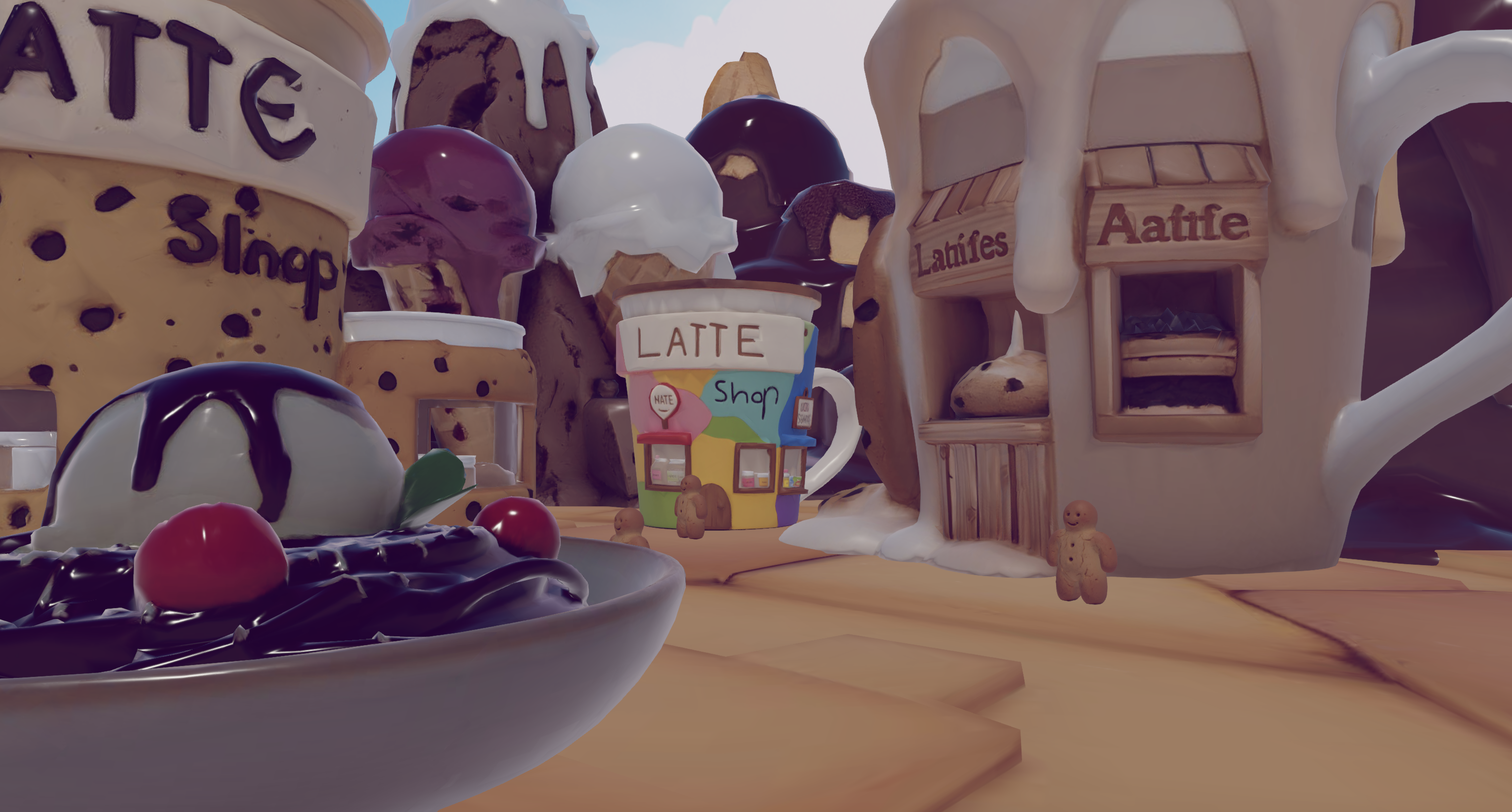
Try Nilo’s instant multiplayer for free.
Frequently Asked Questions
Does Rosebud AI have built-in multiplayer support?
Rosebud AI does not include a native multiplayer layer. To add real-time multiplayer, you connect an external database service, usually Supabase or InstantDB, by creating an account on that platform, generating API keys, and pasting them into Rosebud AI’s environment variables. The AI assistant Rosie then generates sync code based on your prompts. The process works but needs setup time and some comfort with external dashboards.
What is a Rosebud AI multiplayer template and how do you use it?
A Rosebud AI multiplayer template is a community-created project that already includes the code hooks needed to connect to an external backend. You find one in the Rosebud community gallery, click Remix to copy it into your account, and then connect your own Supabase or InstantDB credentials. The template gives you a head start, but heavy customization, such as changing the game type or player count, can break the existing hooks and force you to re-prompt from scratch.
How does Nilo handle multiplayer without a separate backend?
Nilo’s multiplayer lives directly inside the platform’s custom game engine. When you share a world link, anyone who clicks it joins the same live session, with no external database, no API keys, and no sync code required. The networking runs through a custom QUIC-based protocol that operates entirely in the browser using WebAssembly. Real-time collaborative creation means friends can build alongside you in the same world at the same time, not just play a finished game. The same February 2026 survey found that 72% of builders said Nilo makes their creative process easier by “a lot.”
Can you use Nilo on mobile or do you need a powerful computer?
Nilo runs entirely in the browser with no installation required, and it works on both desktop and mobile browsers. You do not need high-performance hardware. The platform’s custom engine uses WebGPU with a WebGL fallback, so it adapts to the device you have. You just open the link and start building or playing.
Is Nilo free, and can you invite collaborators without them paying?
Nilo is currently in open beta and free to use. Builders receive 1,000 Nilo Bits per month, which are the credits used for AI generation features, at no cost. Inviting collaborators to your world only needs a shared link. There is no separate account tier or payment required for friends to join and build with you. According to Nilo’s February 2026 survey data, 93% of builders said they would recommend Nilo to a friend, which shows how low the barrier to getting started actually is.
Join the open beta and invite your friends to build together.